A good pair of supportive running shoes changes how every mile feels. Your arches stay happier, your knees stop complaining, and that nagging heel ache quiets down. The six picks below cover different budgets, foot shapes, and running styles, so the right match for your stride should be in here somewhere.
A Quick View Of The Lineup
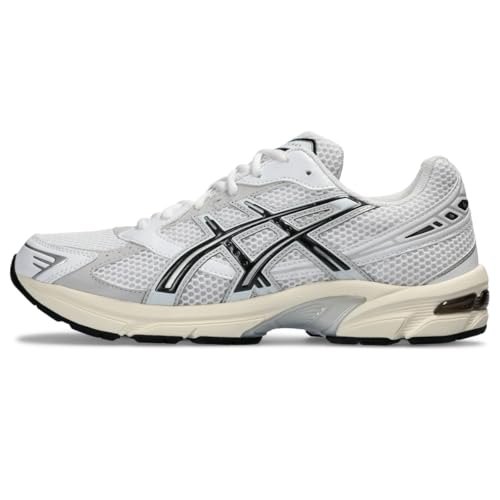
ASICS Men’s GEL-1130 Sportstyle Shoes

Brooks Men’s Adrenaline GTS 22
ASICS Men’s Gel-Excite 11 Running Shoes

ASICS Men’s Gel-Contend 9 Running Shoes

Saucony Men’s Triumph 22 Sneaker

Saucony Men’s Cohesion 18
A Deeper Look At The Lineup
The GEL-1130 borrows its silhouette from a 2008 stability runner, so it carries a chunky, throwback look that pairs easily with jeans on rest days. Suede paneling wraps a mesh base for breathability, and the GEL cushioning under the heel softens impact on pavement.
You get the visual language of a retro trainer without sacrificing modern comfort tech. For runners who want one shoe that handles easy jogs and casual wear, this covers both jobs.
Real Benefits
- Suede and mesh upper keeps feet cool during warm-weather runs
- Rearfoot GEL absorbs shock on hard surfaces like concrete and asphalt
- Versatile styling works for post-run coffee without a shoe change
- Stability heritage helps mild overpronators stay aligned
Worth Noting
- Suede panels need gentle cleaning to keep their texture looking fresh
- Not built for long, fast tempos or track workouts
Who It Suits Best
Runners who care about looks alongside function, and log moderate miles on pavement.
Consider Something Else When
Runners with stronger overpronation needs should reach for the Brooks Adrenaline GTS 22 instead.
The Adrenaline GTS 22 is the kind of shoe physical therapists tend to recommend. Its GuideRails support system acts like bumpers for your stride, keeping knees and ankles tracking without forcing a rigid feel.
Compared to the ASICS GEL-1130 above, this is purpose-built for stability rather than style. You trade retro flair for honest, long-mile reliability.
Notable Upsides
- GuideRails technology reduces excess knee and hip motion
- Structured midsole holds up across hundreds of training miles
- Engineered mesh upper breathes well in summer heat
- Trusted by runners who overpronate or have had injury flare-ups
- Roomy toe box accommodates wider feet comfortably
Trade Offs
- Heavier than neutral trainers, so race day may feel sluggish
- Stability features can feel restrictive to neutral runners
- Premium build means a higher price tier than entry options
Key Specs
Right Fit For
Runners dealing with overpronation, mild knee pain, or anyone returning from injury who wants steady support.
Look Elsewhere When
Neutral runners chasing a soft, energetic feel will prefer the Saucony Triumph 22.
The Gel-Excite 11 is a friendly entry point for first-time runners. The engineered jacquard mesh upper wraps your foot in breathable comfort, and the lace-up closure keeps things secure without pinching.
It lacks the aggressive stability posts of the Adrenaline GTS, but for new runners who don’t yet know their gait pattern, that lighter touch is often the right call.
The Value In It
- Soft underfoot feel makes early miles less intimidating
- Polyester lining wicks moisture on humid days
- Lightweight build reduces fatigue on shorter runs
Honest Caveats
- Limited structure for runners with serious overpronation
- Cushioning compresses faster than premium foams under daily mileage
Built With In Mind
New runners building a base, or anyone returning to running after time off.
Reach For A Different Pick When
Runners logging high weekly mileage should consider the Saucony Triumph 22 for longer-term durability.
The Gel-Contend 9 delivers real running-shoe engineering at an entry-level cost. AMPLIFOAM cushioning softens your landings, while Trusstic technology provides a stabilizing shank through the midfoot.
An OrthoLite sockliner adds step-in comfort, and the rearfoot GEL unit absorbs shock where it counts. For casual runners or walkers, this is plenty of shoe for the price.
A Few Strong Suits
- Rearfoot GEL technology absorbs impact on pavement
- OrthoLite sockliner resists odor over months of wear
- Trusstic system adds midfoot stability without extra weight
- Polyester upper is easy to wipe clean after dusty runs
- Solid choice for gym sessions, errands, and easy jogs
Things To Weigh
- Outsole rubber tends to wear faster on rough asphalt
- Less responsive foam than premium daily trainers
Feature Snapshot
Who Should Grab It
Budget-conscious shoppers who want genuine running-shoe features without premium pricing.
Skip It When
Runners needing serious pronation control will find the Brooks Adrenaline GTS 22 a better match.
The Triumph 22 uses PWRRUN PB super foam, which is one of the lightest, most responsive midsole compounds Saucony makes. A broader platform and updated rocker geometry create a smooth, balanced ride from heel-strike to toe-off.
This sits at the top of the lineup for runners who want plush cushioning without losing energy return. It’s a step up in cost from the Gel-Excite 11 and Gel-Contend 9, but the underfoot experience justifies it for daily training.
Benefits That Matter
- PWRRUN PB foam delivers responsive, cushioned energy
- Updated rocker geometry encourages smoother transitions
- Full-length XT-900 rubber outsole provides durable traction
- Broader platform improves stability for neutral strides
- Breathable engineered knit keeps feet comfortable on long runs
Points To Keep In Mind
- Premium pricing puts it out of reach for casual budgets
- Plush ride may feel too soft for runners who prefer a firm response
Quick Facts
Best Suited To
Neutral runners logging high weekly mileage who want a cushioned yet responsive daily shoe.
A Better Fit Elsewhere
Runners needing structured stability should consider the Brooks Adrenaline GTS 22 for pronation control.
The Cohesion 18 is built for all-day comfort. VersaRun cushioning softens every step, and the neutral design suits a wide range of foot types without aggressive posting.
It’s a versatile option for walking, light jogging, and standing around all day. Think of it as a comfortable everyday shoe with enough running credibility to handle occasional mileage.
Strong Points
- VersaRun cushioning delivers soft, consistent comfort
- Secure fit holds the foot without pressure points
- Neutral platform works for most foot shapes
- Handles walking, errands, and easy runs with equal ease
Small Caveats
- Not built for serious training volume or race-day speed
- Cushioning may feel flat compared to the Triumph 22
Feature Rundown
Perfect Match For
Anyone seeking a comfortable, do-it-all shoe for walking, errands, and the occasional easy run.
Another Choice May Suit
Runners committed to regular mileage will find the ASICS Gel-Excite 11 a more running-focused option.
Matching Your Stride To The Right Shoe
Choosing supportive running shoes starts with knowing your feet. Arch height matters: low or flat arches often benefit from structured stability like the Brooks Adrenaline GTS 22, while higher arches typically pair well with neutral cushioning like the Saucony Triumph 22.
Cushioning Versus Responsiveness
Plush cushioning (like PWRRUN PB or AMPLIFOAM) absorbs impact and feels gentle over long distances. Responsive foam returns energy with each push-off, which runners chasing pace tend to prefer. For daily training, a balance of both usually wins.
Fit And Sizing Realities
Running shoes should have about a thumb’s width of space at the toe. Feet swell during longer runs, so room up front prevents black toenails. Try them on late in the day when your feet are naturally a bit larger.
Matching Shoes To Your Mileage
New runners building a base under 15 miles a week can lean on entry-level options like the Gel-Excite 11 or Gel-Contend 9. Runners logging more than 25 weekly miles benefit from premium foams that hold up over time, like those in the Triumph 22.
Smart Choices Across The Category
Pitfalls Shoppers Hit
Squeezing into a too-small pair is the classic error. Feet need room to splay on impact, and a tight fit causes blisters faster than anything else. Another common mistake is choosing style over fit, grabbing a flashy retro shoe like the GEL-1130 when the foot actually needs structured stability.
Where The Extra Money Goes
Premium models cost more because of advanced foam compounds, durable rubber compounds, and refined geometry. The Triumph 22’s PWRRUN PB foam, for example, returns more energy per stride and lasts longer than basic EVA. For runners logging heavy weekly mileage, that durability and comfort difference pays off over months of training.
Frequently Asked Questions
What makes a running shoe “supportive”?
Supportive running shoes use structured elements like medial posts, GuideRails, or Trusstic shanks to guide the foot and reduce excess inward rolling during your stride.
How often should I replace supportive running shoes?
Most running shoes last between 300 and 500 miles. You may notice the cushioning feels flat or your joints ache more than usual, which are signs it’s time for a new pair.
Do I really need stability shoes?
Runners with noticeable overpronation, previous injuries, or flat feet often benefit from stability features. Neutral runners with healthy mechanics usually do fine without them.
Can I use supportive running shoes for walking?
Yes, supportive running shoes work well for walking. Models like the Saucony Cohesion 18 are designed for exactly that kind of all-day versatility.
Are expensive running shoes worth it?
For high-mileage runners, premium foams and durable outsoles justify the higher cost over time. Casual runners may not notice enough difference to warrant spending more.
The Takeaway
Your ideal pair depends on your stride, mileage, and what feels right underfoot. Stability seekers gravitate toward the Adrenaline GTS 22, while cushioned daily trainers point toward the Triumph 22. Whichever direction you go, a properly fitted shoe makes every mile easier. Trust your feet, try a few options, and let comfort be the final guide.