A standard running shoe can feel like a slow trap when your forefoot spreads on every landing. Wide-foot runners often deal with sidewall pressure, hot spots over the metatarsals, and a midsole that never quite lines up under the ball of the foot. The picks below focus on men’s running shoes available in true wide sizing, with attention to upper volume, midfoot hold, and the kind of cushion stack that suits daily mileage. Each entry leans into a different strength, so matching your gait and your surfaces matters more than chasing a single name.
A Quick View Of The Lineup
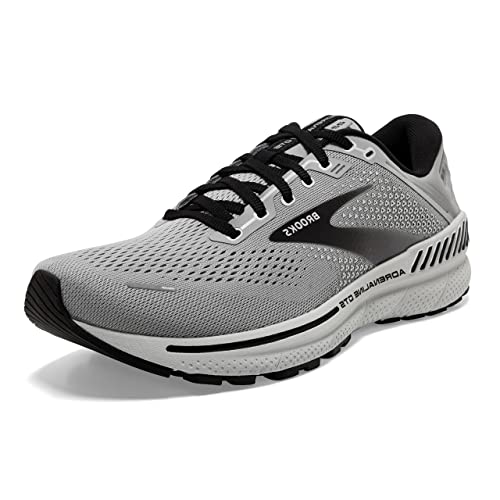
Brooks Men’s Adrenaline GTS 22 Running Shoe
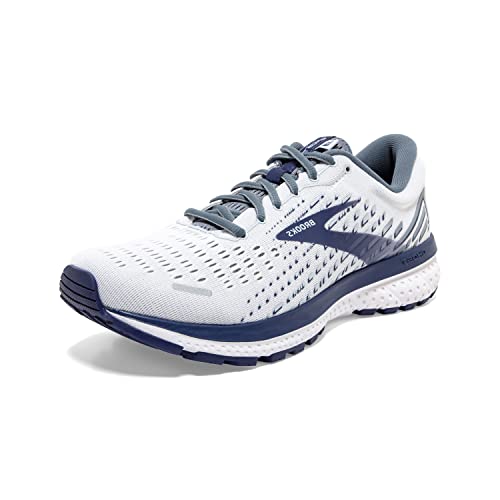
Brooks Cascadia 15 Trail Running Shoe
ASICS Men’s Gel-Excite 11 Running Shoes

ASICS Men’s Gel-Contend 9 Road Running Shoes

Saucony Men’s Triumph 22 Sneaker

Taking A Closer Look At The Options
The Adrenaline GTS 22 sits at the center of Brooks’s stability lineup, and the wide version gives broader feet the room many road shoes leave out. Where the Cascadia below targets dirt and rock, this one is built for pavement and treadmill miles, with a structured chassis that gently corrals an inward-rolling heel. Runners logging 20 to 40 miles a week in work shoes that pinch often find the wider forefoot finally lets the toes splay at toe-off.
It’s the kind of shoe you can lace up without overthinking, then trust across long easy runs and tempo work. Compared with the more racing-focused options on this list, the GTS trades flash for steady, predictable behavior.
Practical Advantages
- Guided stability (the “GTS” in the name) helps runners whose ankles collapse inward on landing, easing stress on the knees over time.
- Wide sizing in the toebox reduces that burning sensation across the metatarsals after a 10K.
- Cushion stack softens heel strike, which matters on hard sidewalks and concrete gym floors.
- Durable upper mesh holds its shape after months of wear, so the wide fit doesn’t stretch into sloppy.
- Versatile enough for daily training, long runs, and recovery jogs without needing a rotation.
Things To Consider
- Slightly heavier than the neutral trainers below, which some notice on faster intervals.
- The structured feel isn’t a match for runners who prefer a soft, unguided midsole.
Key Specs
Who It Suits Best
Overpronating runners with wide forefeots who want one dependable shoe for daily road mileage.
Look Elsewhere When
Neutral runners craving a softer, lighter feel will likely prefer the Saucony Triumph 22 further down this list.
The Cascadia 15 brings trail-grade traction to the wide-foot conversation. Its segmented outsole and rock plate deliver the kind of underfoot protection that pays off on root-strewn singletrack and gravel fire roads. Wide-foot trail runners who roll an ankle inward appreciate the added lateral stability, and the more relaxed upper accommodates the same forefoot spread that the Adrenaline GTS 22 handles on pavement.
For runners who split time between road and trail, this is the more rugged sibling to the GTS above. It weighs more and feels firmer, but on uneven terrain that trade goes the right direction.
The Good Stuff
- Aggressive lugs grip well on wet rock and loose dirt, which matters on technical descents.
- Rock plate shields the forefoot from sharp stones, so long trail days hurt less.
- Reinforced toe cap protects toes from hidden roots and trail debris.
- Wide option gives broad forefeots the volume they need without sloppy midfoot hold.
Worth Noting
- Heavier than road shoes like the ASICS Gel-Excite 11, which you notice on road sections.
- Cushion feels firmer than the Triumph 22, so it’s less forgiving on pure pavement runs.
- Dirt can collect in the lugs; a stiff brush helps after muddy outings.
Built With In Mind
Wide-foot trail runners tackling dirt, gravel, and rocky terrain who want grip and protection over plush cushion.
A Better Fit Elsewhere
Runners staying on pavement and sidewalks will get more value from the Brooks Adrenaline GTS 22.
The Gel-Excite 11 is the entry point for runners dipping a toe back into mileage after time off. Its engineered jacquard mesh upper breathes well in warm weather, and the lace-up closure locks the midfoot without pressure points. ASICS’s Gel cushioning softens heel impact, which is helpful when your legs aren’t used to regular running yet.
Compared with the heavier Adrenaline above, this one feels lighter and more neutral. It’s an honest, unfussy trainer that suits first-timers and returners.
The Practical Payoff
- Gel cushioning reduces the jarring feeling at heel strike for newer runners.
- Breathable mesh keeps feet cooler on humid summer runs.
- Lightweight build makes short recovery jogs feel less like a chore.
- Neutral ride accommodates a variety of gaits without forcing a specific foot strike.
Points To Note
- Cushion breaks down faster than premium foams like the Triumph 22’s PWRRUN PB under heavy mileage.
- Less structured support, so heavy overpronators may feel fatigued on long runs.
Quick Facts
Made For
New or returning runners building a base who want a forgiving, breathable trainer without the premium price tag.
Consider Something Else When
Runners needing heavier daily mileage should consider the Saucony Triumph 22 for longer-lasting cushion.
The Gel-Contend 9 is the workhorse of ASICS’s road lineup, designed to handle repeat pavement sessions without much fanfare. Its polyester upper is durable enough for daily use, and the AMPLIFOAM midsole offers a slightly firmer, more responsive feel than the Gel-Excite 11 above. Runners who log consistent miles at an easy pace often find this balance works well for routine training.
Where the Gel-Excite leans soft and welcoming, the Contend aims for a touch more snap underfoot.
Everyday Advantages
- AMPLIFOAM cushioning rebounds quickly, helping stride turnover feel efficient at moderate paces.
- Trusstic technology adds midfoot integrity, so the shoe holds its shape across long training blocks.
- Rearfoot GEL absorbs impact for smoother heel-to-toe transitions on hard surfaces.
- Ortholite sockliner adds step-in comfort that holds up after longer wear.
Honest Caveats
- Firmer ride isn’t ideal for runners who want maximum plushness.
- Less breathable than the mesh build on the Gel-Excite 11 in hot, humid conditions.
Best Suited To
Road runners putting in steady weekly mileage who want a durable trainer with a touch more responsiveness.
Skip It When
Runners wanting the softest, most cushioned ride should look at the Saucony Triumph 22 instead.
The Triumph 22 is Saucony’s plush daily trainer, and the wide version gives broad forefeots the volume they need without sacrificing midfoot hold. Its PWRRUN PB foam is the standout spec here, a super foam that stays light under the foot while returning energy across longer efforts. The broader platform and updated rocker geometry encourage smoother turnover on tired legs.
Compared with the value-oriented ASICS picks above, the Triumph is a step up in materials and ride quality. It’s the shoe to grab when daily mileage is high and recovery matters.
A Favorable Mix
- PWRRUN PB super foam delivers soft landings with a noticeable energy return on push-off.
- Updated rocker geometry smooths heel-to-toe transitions, easing fatigue on long runs.
- XT-900 rubber outsole holds up well across hundreds of pavement miles.
- Plush interior feel makes recovery days and easy runs more pleasant.
Some Limits To Know
- Premium materials come at a higher cost than entry-level options like the Cohesion 18.
- Plush stack feels tall to runners who prefer a low, ground-feel ride.
Feature Snapshot
Perfect Match For
High-mileage runners who want a soft, energetic daily trainer that holds up across heavy training weeks.
Another Choice May Suit
Runners on a tighter budget will find the ASICS Gel-Excite 11 covers the basics for less.
The Cohesion 18 is Saucony’s straightforward neutral trainer, designed to handle whatever a casual running week throws at it. Its VersaRun cushioning softens landings, and the secure fit holds the foot without aggressive structure. Wide-foot runners who don’t need extra stability features often find this model covers the basics without overcomplicating things.
It sits as the quieter cousin to the Triumph above. Less flash, less stack height, and a friendlier entry cost for newer runners.
Everyday Perks
- VersaRun cushioning delivers a balanced, comfortable ride for daily use.
- Neutral platform suits a wide range of gaits without forcing a particular foot motion.
- Lower stack height gives a more grounded feel compared with the Triumph 22.
- Modest entry cost makes it approachable for budget-conscious runners.
Small Caveats
- Cushion doesn’t match the energy return of premium foams on longer efforts.
- Less refined upper materials than premium Saucony models.
Who Should Grab It
Casual runners logging light weekly miles who want a comfortable, no-fuss neutral trainer.
Reach For A Different Pick When
Runners with heavier weekly mileage will benefit from the more durable Triumph 22.
What Matters Most Before Choosing Mens Wide Running Shoes
Width Is More Than A Letter
Wide sizing on a men’s running shoe typically adds extra volume across the forefoot and sometimes a touch through the midfoot. The exact spread varies by brand, so two shoes marked the same width can fit differently. Runners with genuinely broad feet benefit most from trying on the actual shoe rather than trusting the label alone, especially if previous narrow models have left lasting impressions on the metatarsals.
Cushion Stack And Midsole Foam
Stack height is the total amount of cushioning material between your foot and the road, while midsole foam is the specific material used. Higher stacks soften impact but can feel unstable to runners used to a lower platform. Softer foams like Saucony’s PWRRUN PB return more energy but cost more, while firmer foams like AMPLIFOAM tend to last longer under aggressive mileage.
Stability Versus Neutral Rides
Stability shoes, such as the Brooks Adrenaline GTS 22, use guide rails or medial posts (firmer foam wedges on the inner side) to slow inward ankle roll. Neutral shoes let the foot move more freely and suit runners whose gait stays fairly aligned. Choosing between them usually starts with how your ankles and knees feel after longer runs.
Outsole And Upper Fit
Outsoles matter more than people think. Aggressive lugs grip loose dirt but feel clunky on pavement, while smooth rubber excels on roads but slips on wet rock. Upper fit decides whether the shoe disappears on your foot or constantly reminds you it’s there, especially in the wide option where the toebox and midfoot lacing must cooperate.
Picking With Confidence Across These Options
Mistakes Worth Dodging
A common trap is treating “wide” as a one-and-done label across brands. Runners often buy a wide shoe that still pinches because the upper material is stiff or the volume sits in the wrong place. Another slip is choosing a stability shoe when neutral would suit your gait better, which can leave the foot fighting the structure on every run. Sizing down to gain a snug midfoot is also tempting, but in a wide shoe that usually just recreates the forefoot pressure you were trying to escape.
Where The Extra Money Goes
Higher-tier running shoes like the Saucony Triumph 22 invest the extra cost in newer midsole foams, more durable outsoles, and refined upper engineering. Those gains show up over months of use: lighter weight per mile, less cushion breakdown, and smoother transitions when fatigue sets in. For runners logging 25 miles a week or more, that upgrade often pays for itself in fewer replacement cycles and more comfortable long runs. Casual runners putting in single-digit weekly miles may not notice the difference as clearly.
Frequently Asked Questions
How Do I Know If I Need Wide Running Shoes?
Your forefoot spreads during running in a way standing still often hides. Signs include sidewall pressure, redness across the metatarsal heads, or numbness in the toes after longer runs. Wide shoes add room where the foot actually expands.
Are Wide Shoes Less Stable Than Standard Widths?
Not necessarily. Stability comes from midsole design, outsole geometry, and guide rails, not width alone. A wide version of a stability shoe typically retains the supportive features of its standard sibling.
Can I Use Trail Shoes On Pavement?
You can, but the aggressive lugs wear faster on hard surfaces and feel clunky compared with road trainers. For mostly-pavement runners, a road shoe like the Adrenaline GTS 22 or Triumph 22 holds up better.
How Often Should I Replace Running Shoes?
Most running shoes last between 300 and 500 miles, depending on the midsole foam, your weight, and the surfaces you run on. Once cushion feels flat or the outsole shows uneven wear, it’s usually time.
Do Mens Wide Running Shoes Fit Differently Than Wide Walking Shoes?
Yes. Running shoes use lighter, more flexible uppers and a different last shape (the foot-shaped form the shoe is built around). A wide running shoe may still feel snugger than a wide walking or casual shoe because the construction targets motion, not just standing comfort.
The Takeaway
The right wide running shoe depends less on a brand name and more on how your foot actually moves on the road or trail. Runners needing structure should look at the Adrenaline GTS 22, trail lovers toward the Cascadia 15, and high-mileage comfort seekers at the Triumph 22. Beginners and casual runners can save with the Gel-Excite 11 or Cohesion 18 without losing the fit they need. Match the shoe to your gait, your mileage, and your surfaces, and the wide size starts doing what it should, which is letting you forget about your feet and focus on the run.