A great pair of winter leather shoes should disappear into your routine, not announce itself every time you lace up. The goal is warmth without bulk, traction without a clunky sole, and a silhouette that looks right with both jeans and a wool overcoat. Most guys who reach for this category care about three things: dry feet on slushy sidewalks, leather that ages well, and a build that survives a second or third winter. The six options below lean into different priorities, from rugged snow-ready construction to sleeker city profiles.
An Overview Of The Picks
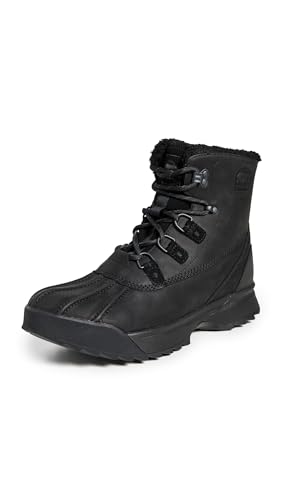
Sorel Scout 87′ Lux Waterproof

UGG Neumel Chukka Boots

Thursday Captain Cap Toe Boots

Vostey Motorcycle Combat Boots
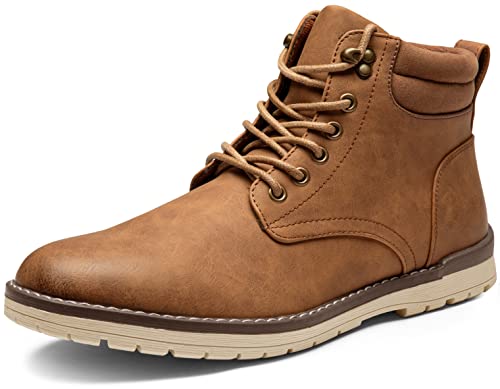
Vostey Waterproof Chukka Hiking Boots

Vostey Side Zipper Dress Boot
A Deeper Look At The Lineup
The Sorel Scout 87′ Lux is the kind of boot you reach for when the weather report stops being polite. Built around a waterproof construction and lined with cozy shearling (a soft, fleece-like wool lining), it treats deep snow and salt-stained sidewalks as its natural habitat. D-ring laces (metal ring hardware that locks the lacing in place) make quick adjustments easy when your hands are cold or gloved.
Compared to the sleeker Thursday Captain reviewed later, the Sorel leans firmly into function over form. The silhouette is bulkier, but that bulk is the point: a wider base means better stability in slush. It suits guys who genuinely face winter, not just cold mornings, and want one boot that does the heavy lifting.
What Helps Most
- Waterproof construction keeps feet dry through slush and shallow puddles
- Shearling lining adds real warmth without needing thick wool socks
- D-ring laces hold tension and adjust quickly, even with cold fingers
- Rugged outsole grips well on packed snow and icy sidewalks
Honest Caveats
- Bulkier profile looks oversized under slim dress pants
- Shearling needs occasional airing to prevent odor buildup
Feature Snapshot
Made For
Guys living in regions with extended snow seasons who need one boot for commutes, dog walks, and weekend errands.
Look Elsewhere When
Thursday Captain Cap Toe Boots suit you better when you want a sleeker profile for office wear and lighter winter days.
The UGG Neumel is a chukka boot (a low-cut ankle boot with two or three pairs of eyelets) that prioritizes comfort and casual warmth over heavy-duty winter performance. Its soft suede and plush interior lining make it a favorite for guys who want a slipper-like feel they can still wear outside.
It runs lighter on technical features than the Sorel Scout 87′ Lux and is better suited to dry cold than wet slush. For anyone living in a milder winter climate, or who spends most of their time on pavement rather than packed snow, the trade-off usually feels fair.
Well-Handled Touches
- Plush interior feels broken-in from the first wear
- Low chukka silhouette works with jeans, joggers, and casual trousers
- Lightweight build reduces foot fatigue on long days
Things To Consider
- Suede upper marks easily in wet, salty conditions
- Less traction on icy surfaces compared to lugged winter outsoles
- Needs regular suede brushing and protective spray to hold up season to season
Best Suited To
Casual wearers in drier cold climates who want a cozy, easygoing boot for everyday errands and weekend wear.
Skip It When
Vostey Motorcycle Combat Boots serve you better when wet pavement, salt, and rough conditions are part of your daily route.
The Thursday Captain Cap Toe is the dressier sibling in this lineup. Its cap-toe construction (a stitched overlay of leather across the toe box) and clean lines make it the most office-appropriate option here, while the leather upper still handles cool-weather wear with proper care.
Versus the chunkier Sorel Scout 87′ Lux, the Captain is leaner, lighter, and easier to pair with chinos or wool trousers. It asks for a touch of conditioner and a brush every few weeks, but pays you back in longevity and a leather patina (the soft, lived-in sheen leather develops over time) that improves with age.
The Upside
- Cap-toe styling pairs well with business casual and dressier outfits
- Leather upper breaks in nicely and takes polish well
- Lower profile slips under most pant legs cleanly
- Resoleable construction extends the boot’s life beyond the first season
Trade Offs
- Not waterproof, so a protective spray is wise before winter wear
- Smooth sole offers limited grip on icy sidewalks
Key Product Details
Whose Shelf It Belongs On
Style-focused professionals who want one boot that moves between weekday office wear and weekend dinners.
A Better Fit Elsewhere
Sorel Scout 87′ Lux Waterproof suits you better when sub-freezing temps and slushy commutes are your everyday reality.
Vostey’s Motorcycle Combat boots bring a more aggressive attitude to winter wear. A lace-up front, hidden inner zipper, and protective cap toe combine into a boot that feels built for rougher conditions and longer days on your feet.
Stacked against the UGG Neumel’s softer approach, the Vostey is stiffer and more structured. That stiffness pays off in ankle support and durability, but takes longer to break in. The trade-off is real: expect a few weeks of wear before they truly relax.
What It Does Well
- Cap toe adds impact resistance for rough terrain or motorcycle use
- Hidden zipper speeds up on-and-off after the initial break-in
- High-grade upper holds up well against scuffs and scrapes
- Streamlined silhouette looks sharper than typical work boots
Worth Bearing In Mind
- Stiffer build requires a longer break-in period
- Heavier than chukka-style options like the UGG Neumel
Perfect Match For
Riders and commuters who want protective, durable boots that handle wet weather and rough surfaces without feeling bulky.
Swap It Out When
UGG Neumel Chukka Boots suit you better when lightweight comfort and a casual silhouette matter more than armor-like protection.
The Vostey Waterproof Chukka Hiking boots aim at the practical middle ground. They offer waterproof construction in a casual chukka shape, which makes them approachable for guys who want real winter function without a heavy-duty silhouette.
They lack the leather character of the Thursday Captain and the rugged styling of the Vostey Motorcycle Combat, but they make up for it in accessibility. For first-time winter boot shoppers or anyone on a tighter budget, this is a sensible starting point.
What Stands Out
- Waterproof build at a notably accessible tier
- Chukka profile transitions from trail to casual settings
- Lighter than full hiking boots for everyday wear
Points To Note
- Construction feels less premium than the Thursday Captain
- Fit can run slightly narrow, so wider-footed shoppers may want to size up
- Long-term durability reports are more limited than the Sorel Scout 87′ Lux
Quick Facts
Right Fit For
Value-minded shoppers who want waterproof winter function without committing to premium pricing.
Another Choice May Suit
Vostey Side Zipper Dress Boot serves you better when you want a sleeker, office-friendly silhouette with the same easy-access convenience.
The Vostey Side Zipper Dress Boot focuses on one simple idea: getting in and out of your boots should not slow you down. A side zipper does the heavy lifting once the laces are set to your fit, which sounds small until you’re rushing out the door on a cold morning.
Compared to the fully lace-driven Vostey Motorcycle Combat, this boot trades a bit of structural rigidity for speed and convenience. The trade-off works well for commuters and anyone who treats boots as a daily tool rather than a style statement.
Useful Touches
- Side zipper saves time on every wear
- Cleaner dress-boot profile works for casual office settings
- Lightweight enough for all-day comfort on commutes
Some Limits To Know
- Zipper durability depends on care; avoid forcing it when the boot is tight
- Less weather protection than the fully waterproof Sorel Scout 87′ Lux
Who Will Love This
Busy commuters and parents who want a smart, easy-on boot that handles everyday winter errands without fuss.
Reach For A Different Pick When
Sorel Scout 87′ Lux Waterproof serves you better when you face deep snow, long walks, or extended time outdoors in harsh conditions.
Choosing Mens Winter Leather Shoes With Confidence
A winter leather boot earns its keep by doing three things at once: keeping feet dry, providing grip on slick surfaces, and staying comfortable for hours. None of those benefits matter if the boot falls apart after one season, so build quality deserves just as much attention as the feature list.
Fit comes first. Leather boots should feel snug at the heel with a thumb’s width of room at the toe. Cold weather adds another wrinkle, since thicker socks take up space that feels fine in the store but pinches by mid-afternoon. Trying boots on with the socks you plan to wear in winter gives a much more honest read.
Construction style quietly determines lifespan. A Goodyear welt (a strip of leather stitched around the boot’s perimeter, bonding the upper to the sole) lets a cobbler resole the boot when the original wears through, which can double or triple its useful life. Cemented construction feels lighter and costs less, but the sole typically cannot be replaced cleanly. For anyone planning to wear one pair for several winters, the welted route pays off.
Finally, think about your actual surface. Packed snow and ice reward lugged outsoles (soles with deep, multi-directional rubber treads designed to bite into soft or slick ground). City pavement and salted sidewalks ask for less aggressive tread and a lower profile. Matching the boot to the surface matters more than chasing maximum features.
What To Know Before You Commit
Mistakes Worth Dodging
Picking a boot for looks alone leads to cold, wet feet by January. A beautiful cap-toe profile does little if water soaks through the first puddle. Always confirm the boot is actually waterproof or treated for wet weather before committing to a dressier style. Skipping this step is the most common regret among first-time winter boot shoppers.
Buying too tight in hopes they will stretch is another pitfall. Leather does give a little, but not enough to make a painful fit comfortable. Aim for a fit that feels good on day one, with just enough room for a thick sock.
When Paying More Pays Off
Higher-tier boots tend to use better leather, sturdier hardware, and construction methods that allow resoling. That translates into a boot that can outlast two or three cheaper pairs. The upgrade is worth it for anyone who wears winter boots daily or lives in a region with a long cold season. For occasional use in milder climates, the value tier holds up just fine.