A minimalist running shoe should disappear on your foot, not announce itself with every step. For runners who want a lower stack, a wider forefoot, and a more natural stride, the right pair can quietly transform a daily run. This list looks at seven options across barefoot, road, and trail categories, with honest notes on who each one actually suits.
The Choices Worth Comparing

SCARPA Spin Planet Running Shoes
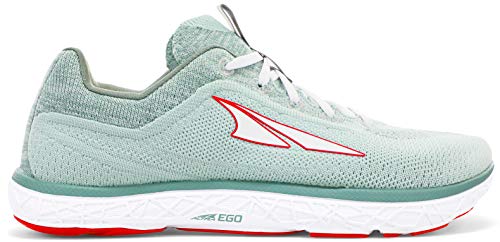
Altra Footwear Escalante 2.5

Hiwegers Barefoot Quick-Dry Aqua Shoes
ALTRA Women’s Experience Flow 2 Road Running Shoe
ALTRA Women’s Escalante 4 Road Running Shoe
ALTRA Women’s Torin 8 Road Running Shoe

SAGUARO Barefoot Minimalist Trail Runner
The Details Behind The Selections
The SCARPA Spin Planet stands apart from the Altra road models in this roundup by aiming squarely at off-pavement running. Built as a cushioned trail shoe, it pulls significant recycled content into the upper, midsole, and outsole, which matters if your running kit already leans toward low-impact materials.
On rolling dirt paths and longer trail days, the added cushion underfoot softens rocky sections without burying your foot in foam. The recycled-heavy construction may feel slightly firmer than a pure-EVA trail shoe at first, but owners commonly report the ride loosening up nicely after a few outings.
Useful Touches
- Recycled content across upper, midsole, and outsole supports a lower-impact running routine.
- Cushioned trail geometry handles long-distance efforts better than barefoot-style alternatives.
- Brand heritage in technical footwear translates into a trail-ready upper that grips uneven ground.
- Versatile enough for fire roads and singletrack without feeling overbuilt.
Worth Noting
- Heavier than the road-focused Altra options in this list, so tempo work may feel weighted.
- Recycled materials can run warm on hot summer days compared to mesh-heavy road shoes.
- Trail lugs may feel pronounced on pavement, creating extra wear for hybrid runners.
Made For
Trail runners who care about sustainability and want real underfoot cushioning for distance efforts.
Look Elsewhere When
The SAGUARO Barefoot Minimalist Trail Runner fits better if you prefer a true zero-drop, ground-feel experience.
The Escalante 2.5 has earned a quiet following among runners who want a road shoe that practically vanishes on foot. At 6.9 oz per shoe, it earns its place in a minimalist rotation by stripping back bulk while keeping Altra’s signature FootShape toe box, which lets your toes splay naturally on each push-off.
For short to mid-length road runs, the lightweight feel encourages quicker cadence and a more playful stride. Unlike the cushier Torin 8, this version sits closer to the ground, so the trade-off is less impact absorption over longer distances.
Positive Takeaways
- Low 6.9 oz weight reduces leg fatigue on tempo and recovery days.
- Wide FootShape toe box accommodates natural toe splay without pinching.
- Flexible upper suits runners transitioning from traditional trainers.
Trade Offs
- Minimal cushioning may feel thin during marathon-length efforts.
- Older model styling lacks the refinements of the newer Escalante 4.
Key Product Details
Whose Shelf It Belongs On
Runners logging shorter road miles who want a nimble, low-profile daily trainer.
Consider Something Else When
The ALTRA Women’s Escalante 4 suits you better if you want a refreshed upper and updated midsole feel.
The Hiwegers water shoe isn’t a traditional road runner, but it earns a spot here for anyone whose running bleeds into swimming, kayaking, or beach sprints. The barefoot-style geometry keeps your foot close to the surface, and the quick-dry upper means soggy shoes won’t weigh down your next session.
Wide sizing options (6 Wide Women through 6.5 Wide Women) help accommodate different foot shapes, which is rare in this category. The trade-off is a thinner sole that lacks the structure of dedicated road or trail shoes.
Why It Works Well
- Versatile across swimming, hiking, and water-based training sessions.
- Wide-foot sizing accommodates shoppers who struggle with standard widths.
- Lightweight construction packs flat for travel and beach bags.
Honest Caveats
- Thin sole offers limited protection on rocky shorelines or sharp gravel.
- Not a substitute for cushioned road shoes during long pavement runs.
- Mesh uppers may snag on rough terrain over time.
Best Suited To
Active shoppers who need one shoe for water sports, travel, and light outdoor sessions.
Skip It When
The ALTRA Women’s Torin 8 fits better if your running stays firmly on paved roads.
The Experience Flow 2 leans into a softer, more energetic ride compared to the leaner Escalante 2.5. Built for road runners who want responsiveness without sacrificing the roomy FootShape toe box, it threads a middle path between featherweight trainers and plush cruisers.
For runners easing into longer road sessions, the balanced stack height offers a comfortable landing without isolating you from the ground. The shoe feels especially forgiving on tired legs during double-digit-mile weeks.
Benefits That Matter
- Balanced cushioning supports both daily miles and longer weekend runs.
- Roomy toe box reduces black toenail issues on downhills.
- Updated midsole delivers a more energetic toe-off than earlier Altra models.
- Versatile enough for gym sessions and easy recovery days.
Room For Improvement
- Mid-range stack height may feel tall for runners wanting a true ground-feel.
- Road-only outsole lacks grip for occasional trail detours.
Quick Facts
Right Fit For
Road runners wanting a versatile daily trainer with a roomy forefoot.
A Better Fit Elsewhere
The SCARPA Spin Planet suits you better when trails become your primary playground.
The Escalante 4 takes the Escalante 2.5 formula and refines nearly every part of the ride. The updated upper feels more secure through the midfoot, while the newer midsole adds a touch more energy return without bulk. For runners loyal to the Escalante line, this version addresses the older model’s occasional sloppiness on longer efforts.
Compared to the Torin 8, the Escalante 4 stays closer to the ground for a more connected stride. It rewards runners who log faster-paced miles where ground feel still matters.
Where It Excels
- Refined upper locks the midfoot during tempo and interval work.
- Updated midsole adds bounce without sacrificing ground contact.
- FootShape toe box remains a strong selling point for natural foot positioning.
- Versatile for race-day use and steady weekday training.
Some Limits To Know
- Still a low-stack shoe, so long-distance cushioning may feel thin.
- Road-specific outsole wears faster on gritty surfaces.
Perfect Match For
Runners who loved the Escalante 2.5 and want the same feel with modern updates.
Reach For A Different Pick When
The ALTRA Women’s Torin 8 makes more sense if you prioritize soft cushioning for joint-friendly daily miles.
The Torin 8 is the softest entry in Altra’s road lineup and the gentlest stepping stone into FootShape geometry. With a higher stack than the Escalante models, it absorbs impact during longer efforts and feels kinder on knees during recovery weeks.
For runners easing into minimalist shoes from heavily cushioned trainers, the Torin 8 offers a familiar ride with a wider toe box. The trade-off is less ground feedback, so traditional minimalist runners may find it too plush.
A Few Strong Suits
- Plush cushioning reduces joint fatigue on longer runs.
- Generous toe box eases the transition from narrow traditional shoes.
- Neutral platform suits runners who don’t need stability posts.
- Comfortable straight out of the box for most foot shapes.
Possible Compromises
- Higher stack reduces ground feel compared to the Escalante line.
- Plusher ride may feel less responsive during speed workouts.
Who Should Grab It
Road runners who want Altra’s toe box with extra cushioning for daily comfort.
Not Your Match When
The SAGUARO Barefoot Minimalist Trail Runner fits better if you want a true barefoot feel.
The SAGUARO Barefoot Trail Runner embraces the minimalist philosophy more fully than any other shoe on this list. A zero-drop platform (meaning the heel sits at the same height as the forefoot, encouraging a more natural landing) pairs with a wide toe box to let your foot move the way nature intended. It also pulls double duty for cross-training and gym work.
Trail runners who crave real ground contact will appreciate the thin, flexible sole. Compared to the SCARPA Spin Planet, this shoe trades cushioning for feedback, which rewards strong ankle stability.
Good Reasons To Consider
- True zero-drop geometry promotes a midfoot or forefoot strike.
- Wide toe box allows full toe splay on uneven terrain.
- Flexible sole doubles for trail running, lifting, and agility drills.
- Lightweight build reduces fatigue on shorter trail sessions.
Things To Weigh
- Minimal cushioning may feel punishing on long pavement runs.
- Thin sole offers limited rock protection on technical trails.
- Zero-drop transition requires gradual break-in for new runners.
Feature Card
Who Will Love This
Experienced runners wanting a barefoot feel for trail and cross-training sessions.
Another Choice May Suit
The SCARPA Spin Planet fits better if you want trail grip with real underfoot cushioning.
What To Weigh Before Choosing Your Next Pair
The “minimalist” label covers a wide spectrum, from true barefoot shoes with paper-thin soles to lower-stack trainers that keep some cushioning. Start by deciding where you fall on that spectrum. A barefoot-style shoe like the SAGUARO rewards strong ankle stability but punishes new transitioners. A road-oriented model like the ALTRA Torin 8 softens the learning curve considerably.
Heel-to-toe drop is the most important spec to understand. Drop refers to the height difference between the heel cushion and the forefoot cushion. Traditional trainers often sit around 8 to 12 mm of drop. Zero-drop shoes level the platform, while the Altra road models tend to keep a small lift that eases calf adjustment.
Foot shape matters as much as size. Altra’s FootShape toe box runs noticeably wider through the forefoot than standard running shoes. Shoppers with naturally wide feet often find the fit revelatory. Shoppers with narrow heels may need to experiment with lacing to lock down the midfoot.
Reading Upper Materials And Stack Height
The upper material affects both breathability and durability. Mesh-heavy uppers drain water and release heat, which suits runners in warm climates. Reinforced overlays add structure but can trap warmth during summer miles.
Stack height is the total amount of cushioning material between your foot and the road. Lower stacks keep you connected to the ground, while higher stacks protect against impact. For most daily training, a middle-ground stack around 25 to 30 mm offers a comfortable balance.
Matching Shoes To Your Running Surfaces
Road runners logging most miles on pavement benefit from smooth outsoles and breathable uppers. Trail runners need lug patterns that bite into dirt and rock, plus protective features around the toe box. Water-focused options like the Hiwegers aqua shoe handle a third category that traditional running shoes ignore entirely.
When To Replace And What To Watch
Running shoes generally lose their protective qualities somewhere between 300 and 500 miles, though minimalist styles with thinner foams may wear sooner. Keep an eye on uneven outsole wear, compressed midsoles, and any new aches that show up during regular runs.
Key Considerations Across These Picks
Where Shoppers Go Wrong
The most common mistake is choosing a minimalist shoe based on looks or stack height alone. Stack height numbers mean nothing without knowing how the shoe fits your foot and running style. A thin, flexible shoe on a runner who overpronates can create new aches in the ankles and calves within weeks.
Another trap is skipping the transition period. Even experienced runners should add zero-drop or low-drop shoes gradually, mixing them with traditional trainers for the first month. Jumping straight into daily minimalist wear is one of the fastest routes to shin soreness.
What The Higher Tier Buys
Stepping up in this category generally means better upper materials, more refined midsole foams, and longer-lasting outsoles. The SCARPA Spin Planet, for example, uses recycled materials in three major components, which adds manufacturing complexity beyond a basic trail shoe. Premium road models often feature more sophisticated lacing systems and softer internal liners that hold up over hundreds of miles.
The honest read is that paying more usually buys durability and refinement rather than raw performance gains. For most runners, a mid-tier road shoe covers daily needs beautifully, and the upgrade becomes worthwhile once mileage climbs past twenty miles per week.
Frequently Asked Questions
How long does it take to adjust to minimalist running shoes?
Most runners need four to six weeks of gradual wear, mixing the new shoes with traditional trainers. Calf soreness is common early on, especially with zero-drop styles.
Can minimalist shoes handle long-distance training?
Low-stack barefoot models work best for shorter runs, while minimalist trainers with moderate cushioning can handle marathon distances. Match the shoe to the distance, not the other way around.
Are wide toe box shoes necessary for minimalist running?
A wider forefoot helps toes splay naturally, which is central to the minimalist philosophy. Shoppers with narrow feet can still wear wide toe box shoes by tightening the laces through the midfoot.
How do minimalist running shoes differ from traditional ones?
Minimalist shoes typically feature lower stack heights, reduced cushioning, wider toe boxes, and more flexible soles. Traditional trainers prioritize plush cushioning and structured support over ground feel.
Do minimalist shoes work for treadmill running?
Yes, treadmill miles are actually a gentle way to break in minimalist shoes because the belt is consistent and predictable. Start with shorter sessions and watch for calf tightness.
Closing Remarks
The right minimalist running shoe comes down to your stride, your surfaces, and how much cushioning your joints appreciate. Runners wanting featherweight road miles gravitate toward the Escalante line, while trail lovers find their match in the SCARPA Spin Planet or SAGUARO barefoot option. Trust the fit on your foot more than any spec sheet, and your next pair should quietly support many seasons of running.