A Few Highlights
Finding shoes when your arches sit low can turn a quick walk into an ache. Most standard sneakers push your foot into a position that fights your natural shape, and the cushioning that feels soft at first often leaves the inside edge sore by mile three.
Minimalist shoes aim for the opposite: a flat, flexible platform that lets your foot move the way it actually wants to. For flat feet, the right pair can feel like a relief, less like standing on a wedge and more like the shoe got out of your foot’s way.
The seven options below lean into zero-drop soles (heel and toe at the same height), wide toe boxes, and flexible uppers. Each one suits a slightly different routine, so the right pick depends on where you actually spend your day.
A Side-By-Side Look
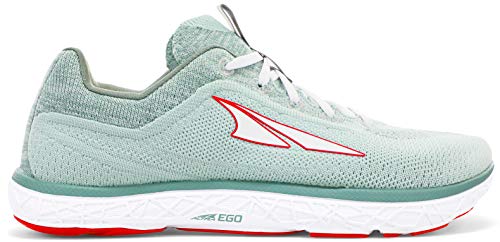
Altra Footwear Escalante 2.5

ALTRA Men’s Lone Peak 6

Nike Women’s Downshifter 13
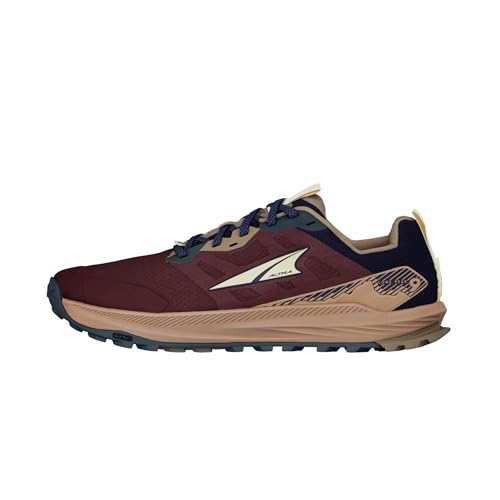
ALTRA Men’s Lone Peak 9
WHITIN Men’s Wide Running S82

WHITIN Wide Toe Box Walking S85
WHITIN Men’s Wide Barefoot W710
The Strengths Of Each Pick
The Altra Footwear Escalante 2.5 sits in a sweet spot for flat-footed road runners who want flexibility without going barefoot. Its listed weight of 6.9 oz keeps each step light, which matters on longer walks or commutes where heavy shoes drag your stride down. The shoe leans on Altra’s signature FootShape platform, a wide toe box shaped around the natural outline of your foot rather than a tapered point.
For flat feet, that wide front is the real story. Toes get to splay the way they want to on impact, and the inner edge of the foot doesn’t get squeezed into a narrow channel. If your foot tends to feel cramped in standard runners, this one gives it room to settle into its own shape from the very first wear.
A Few Highlights
- Featherlight build at 6.9 oz per shoe, so legs stay fresher on long days.
- Wide FootShape toe box lets toes spread naturally instead of bunching up.
- Zero-drop geometry keeps the heel and forefoot level, easing strain on the Achilles and lower back.
- Flexible knit upper moves with the foot rather than fighting it, helpful for splay on push-off.
Things To Consider
- Light cushioning may feel thin under flat arches on hard pavement during all-day wear.
- Knit uppers can trap debris and take longer to dry after wet walks.
- Road-focused design lacks the tread depth needed for loose trail surfaces.
Quick Facts
Built With In Mind
Daily walkers and easy-paced road runners with flat arches who want a flexible, roomy shoe without going fully barefoot.
A Better Fit Elsewhere
Trail seekers should look at the ALTRA Men’s Lone Peak 6, which offers similar flat-foot comfort but with grippy lugs for dirt and rock.
The ALTRA Men’s Lone Peak 6 takes the same flat-foot-friendly geometry as the Escalante and adds aggressive tread for dirt, gravel, and root-covered paths. Trail runners with low arches often struggle in shoes that taper too aggressively, and this one keeps the front of the platform wide and inviting. The result feels planted rather than pinched when you push off uneven ground.
If you spend weekends on packed singletrack rather than sidewalks, the Lone Peak 6 rewards that habit. For flat-footed hikers, the zero-drop stance also reduces the downhill braking force that often leaves knees sore after a long descent.
Points In Its Favor
- Trail-ready outsole grips loose dirt and wet rock without sacrificing the flat platform.
- Wide toe box mirrors the natural splay pattern that flat feet need on uneven terrain.
- Zero-drop design lowers downhill impact, easing knee fatigue on long descents.
- Roomy forefoot gives thick socks room to fit on cool morning hikes.
Points To Note
- Trail lugs can feel clunky on smooth sidewalks between trailheads.
- Mesh uppers tend to collect fine dust that needs brushing after dry hikes.
- Currently hard to find in some sizes, so trying them on in person may require patience.
Made For
Flat-footed hikers and trail runners who log real miles on dirt paths and want grip without giving up a wide, zero-drop platform.
Consider Something Else When
You mainly walk pavement and want a lighter everyday shoe; the Altra Footwear Escalante 2.5 fits that role with less bulk underfoot.
The Nike Women’s Downshifter 13 sits at the cushioned end of the minimalist spectrum, which sounds like a contradiction but works in practice. The shoe uses a renewed upper and added midsole cushioning aimed at runners either starting out or returning after time off. Its outsole incorporates Nike Grind material, a recycled rubber compound made from footwear production waste.
For flat-footed newcomers to running, the Downshifter 13 offers a forgiving entry point. You may find the extra cushioning softens the impact that minimalist shoes sometimes leave bare, and the breathable upper keeps things cool on humid days. It’s a friendly bridge between traditional trainers and the barefoot-leaning options higher on this list.
Bright Spots
- Added midsole cushion softens heel strike for runners easing into longer distances.
- Outsole uses recycled Nike Grind rubber, lowering the material footprint of each pair.
- Breathable upper keeps feet cool during summer road miles.
- Familiar Nike fit makes the transition easier for shoppers new to minimalist geometry.
Worth Noting
- Less of a true zero-drop feel than the Altra picks, so the minimalist benefit is gentler.
- Cushioning can compress sooner than firmer minimalist foams under heavier runners.
- Availability fluctuates, and finding half sizes in some colorways takes patience.
Feature Snapshot
Right Fit For
Beginner runners with flat feet who want a cushioned, approachable shoe before moving into firmer minimalist territory.
Look Elsewhere When
You want the widest, most zero-drop platform available; the WHITIN Men’s Wide Running Shoes with Zero Drop Sole delivers that more aggressively.
The ALTRA Men’s Lone Peak 9 builds on the trail formula of its predecessor with a refined upper and updated lug pattern. For flat-footed trail runners logging regular miles, this version earns its place as a meaningful upgrade. The shoe keeps the wide FootShape toe box that defines the Lone Peak line, so the roomy forefoot flat feet need stays consistent.
What changes is the ride feel. The newer midsole feels a touch more responsive underfoot, and the outsole grip holds steady on wet rock and loose pine duff. For shoppers already familiar with the Lone Peak 6, this is the smoother, more dialed-in sibling worth stepping up to.
What Makes Sense
- Refined midsole gives a livelier feel without sacrificing the flat, level platform.
- Updated lugs bite into soft trail surfaces and shed mud more reliably.
- Wide toe box continues to let flat-footed toes splay during uphill pushes.
- Durable upper stands up to brushy trails where thinner materials would shred.
Trade Offs
- Carries a higher cost than the older Lone Peak 6, which still handles most trails capably.
- Slightly firmer ride may feel less forgiving for casual walkers than the road-focused Escalante.
- Trail geometry feels overbuilt for shoppers who only log sidewalk miles.
Quick Facts
Whose Shelf It Belongs On
Regular trail runners with flat arches who want a refined, responsive upgrade over the original Lone Peak 6.
Swap It Out When
Budget is the priority; the ALTRA Men’s Lone Peak 6 covers most of the same terrain at a lower tier.
WHITIN has carved out a niche for flat-footed shoppers who want zero-drop geometry without paying premium prices. The Men’s Wide Running Shoes with Zero Drop Sole and Rubber Outsole S82 represents that approach directly. The shoe pairs a wide toe box with a level platform, the two ingredients flat feet respond to most consistently.
For shoppers curious about minimalist footwear without committing to a full-price experiment, this is the easiest door in. You may find the materials less polished than the Altra options, but the underlying geometry does the same job for your arch type.
Standout Benefits
- Wide toe box gives flat feet the room they need at a price that invites experimentation.
- True zero-drop sole keeps heel and toe level for natural foot alignment.
- Rubber outsole grips sidewalk cracks and gym floors with enough bite for daily wear.
- Simple construction makes the shoe light on the foot from the first wear.
Honest Caveats
- Materials and finish won’t feel as refined as premium minimalist brands.
- Cushioning is minimal, so longer road runs may leave the forefoot sore.
- Sizing can run wide even for shoppers with already broad feet, so trying them on helps.
Best Suited To
Curious flat-footed walkers testing the minimalist waters who want wide, zero-drop geometry at a lower entry point.
Reach For A Different Pick When
You log serious mileage; the Altra Footwear Escalante 2.5 brings better cushioning for longer daily runs.
The S85 steps in where the S82 leaves off, tuned more for walking than running. The Wide Toe Box Walking Shoes Zero Drop Rubber Outsole S85 keeps the same flat, level platform but softens the ride enough for all-day errands and long shifts on your feet. Flat-footed shoppers who stand for hours often need this kind of geometry more than runners do.
For nurses, retail workers, and anyone logging serious walking hours, the combination of a wide forefoot and zero-drop stance tends to leave the feet less crushed at the end of the day. The rubber outsole also grips polished floors better than a stripped-down barefoot sole would.
The Upside
- Roomy toe box prevents the forefoot pinch that turns long shifts into foot pain.
- Zero-drop sole encourages a more natural standing posture over hours of wear.
- Rubber outsole grips tile, hardwood, and indoor floors reliably.
- Walking-tuned cushioning softens repetitive impact better than running-focused minimalist shoes.
Factors To Consider
- Less structured upper than dedicated running shoes, so lateral support on quick moves is limited.
- Cushioning breaks down faster for shoppers who log over 20 miles of walking per week.
- Style leans casual, which may not fit dressier office dress codes.
At A Glance
Who Will Love This
Flat-footed shoppers who spend long hours standing or walking on hard floors and want roomy, level geometry underfoot.
Where A Sibling Pick Shines
You want something for actual trail miles; the ALTRA Men’s Lone Peak 9 handles dirt and rock much more capably.
The WHITIN Men’s Wide Barefoot Shoes Zero Drop Tire Tread-Inspired Sole W710 goes the most committed direction on this list. The shoe strips away the layers between foot and ground, leaving a thin, flexible sole with a tread pattern borrowed from tire design. For flat-footed shoppers who want genuine ground feedback rather than cushioned separation, this is the route to take.
Toe strength and foot mobility matter here, since the shoe trains the small muscles that cushioned trainers let you skip. It’s a better fit for short strength sessions and foot work than for long road runs.
Reasons It Performs
- Thin, flexible sole lets flat arches feel the ground, strengthening foot muscles over time.
- Tire tread-inspired outsole grips surprisingly well for such a low-profile shoe.
- Wide toe box aligns toes the way barefoot standing would.
- Lightest feel in the WHITIN lineup, useful for agility drills and travel.
Some Limits To Know
- Minimal cushioning can leave flat arches sore on concrete for the first few weeks.
- Thin sole offers little protection against sharp gravel or hot pavement.
- Transition from traditional shoes takes patience; jumping in too fast can strain calves.
Who Should Grab It
Flat-footed shoppers focused on foot strength, mobility work, and a true barefoot feel rather than long road mileage.
Not Your Match When
You need an all-day walking shoe; the WHITIN Wide Toe Box Walking Shoes S85 cushions long hours far better.
What Matters Most In A Minimalist Shoe For Flat Feet
Zero-Drop Geometry
Zero-drop shoes keep the heel and forefoot at the same height, unlike traditional trainers that elevate the heel by 8 to 12 millimeters. That flatter stance lets your foot land closer to how it would barefoot, which can ease strain on the Achilles and reduce the inward roll (overpronation) flat feet often experience.
Wide Toe Boxes
A wide toe box gives your forefoot room to spread on impact instead of squeezing the toes together. For flat feet, this matters because the front of the foot tends to bear more load when arches sit low. Shoes that taper too sharply can aggravate bunions and cause numbness on longer walks.
Flexible Uppers and Soles
Minimalist shoes bend with your foot rather than against it. A flexible upper and thin sole let the small muscles in your feet do their job, which over time can help build arch strength. Stiff shoes do the work for you, leaving the foot weaker with each passing season.
Matching the Shoe to the Surface
Trail running calls for lugged outsoles that grip dirt and rock, while pavement walking rewards thinner rubber that flexes naturally. For flat feet in particular, matching the shoe to the surface reduces the twists that low arches already absorb more than neutral feet do.
Key Considerations Across These Picks
Mistakes Worth Dodging
Shoppers often chase the thinnest, most barefoot-feeling shoe first, then wonder why their calves and arches ache after a week. A safer route is to ease in with shorter sessions and let the foot adjust. Picking a shoe that’s too narrow in the toe box is the other common trap; flat feet need forefoot room more than most shoppers realize, so a wide or extra-wide fit usually pays off.
Where The Extra Money Goes
Higher-tier minimalist shoes tend to spend their budget on lighter materials, more durable midsoles, and grippier outsoles. The Altra Lone Peak 9, for example, builds on the older 6 with a more responsive midsole and better traction. You may find the upgrade worthwhile if you log regular trail miles, while casual walkers often do fine at the lower tier.
Frequently Asked Questions
Do minimalist shoes help flat feet?
Minimalist shoes can help flat feet by letting the arch move and strengthen naturally, but the benefit depends on consistent wear and a gradual transition. The wide toe box and zero-drop geometry reduce the compression and heel elevation that often aggravate flat arches.
How long does it take to adjust to minimalist shoes?
Most flat-footed shoppers need two to six weeks of short, increasing wear to let calf muscles and arch tendons adapt. Jumping straight into long runs often leads to soreness, so a gradual ramp-up works better.
Can I run in minimalist shoes every day?
Daily running in minimalist shoes is possible once your feet are conditioned, but rotating in a more cushioned pair for recovery days helps prevent overuse injuries. Flat-footed runners often benefit from alternating hard and soft surfaces as well.
Are zero-drop shoes good for overpronation?
Zero-drop shoes don’t correct overpronation on their own, but they reduce the heel elevation that often worsens it. Pairing them with strengthening exercises for the foot and ankle tends to give the best long-term result.
Should I wear minimalist shoes if I have plantar fasciitis?
Shoppers with plantar fasciitis should talk to a podiatrist before switching, since the transition can aggravate the plantar fascia if done too quickly. For some flat-footed shoppers, the change helps; for others, the lack of cushioning makes symptoms worse.
The Takeaway
Your flat feet don’t need to be crammed into a narrow, raised-heel shoe to feel supported. The seven options above cover everything from cushioned road runs to true barefoot ground feel, and the right one depends on where your shoes actually take you. Start with the surface you walk on most, and the rest of the decision tends to follow.