Trail running asks more of your feet than a sidewalk jog ever will. Loose scree, wet roots, sudden climbs, and ankle-turning descents separate a trail shoe from a road shoe fast. The right pair gives you grip, protection, and just enough cushion to keep your legs feeling fresh past the halfway point of a long mountain loop.
Below, you’ll find seven options covering race-day speed, all-day training, roomy toe boxes, and budget-friendly entry points. Most are true trail builds with aggressive outsoles, while a few are versatile road-to-trail hybrids worth considering if your local terrain leans tame.
The Choices Worth Comparing

Fuga EX PRO Carbon-Plate Trail Racing Shoes

THE NORTH FACE Altamesa 500 Trail Running Shoe

New Balance Men’s Hierro V6
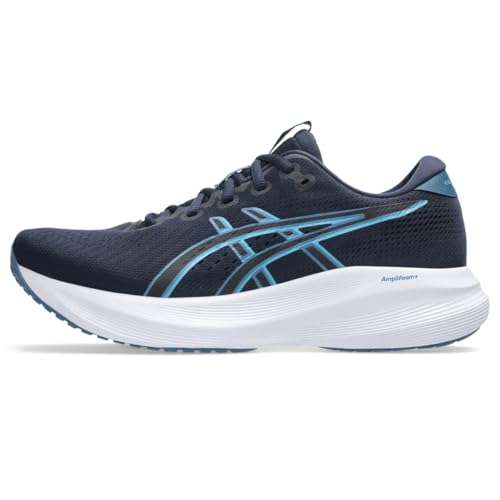
ASICS Men’s Gel-Excite 11 Running Shoes
ALTRA Experience Flow 2

ALTRA Men’s Torin 8

ALTRA Men’s Experience Wild 2
The Details Behind The Selections
If your weekends revolve around timed uphills and finish-line sprints, the Fuga EX PRO is built for that specific chaos. The carbon plate (a thin, rigid layer embedded in the midsole that springs back with each stride) acts like a lever, helping you claw back seconds on steep pitches where calf fatigue normally wins. It’s noticeably stiffer than any cushioned trainer here, so it rewards a forward-leaning, forefoot-first footstrike rather than a heel-striking style.
Compared with the New Balance Hierro V6’s broad, stable platform, this shoe is lean and mean, prioritising propulsion over plush comfort. The trade-off is a less forgiving ride over rocky sections, but for race day that’s often exactly what you want.
What Pays Off
- Carbon-plate geometry returns energy on every push, especially noticeable on sustained climbs.
- Race-oriented weight savings reduce leg drag over long vertical gains.
- Reinforced upper resists abrasion from scree and sharp rock edges.
- Tuned rocker shape smooths turnover on technical descents.
Things To Consider
- Stiff midsole may feel harsh on recovery days or casual trail walks.
- Specialised geometry takes a few runs to feel natural, especially for heel strikers.
Core Details
Made For
Competitive trail runners chasing podiums or personal bests on technical mountain courses.
Consider Something Else When
The New Balance Hierro V6 fits better if you log heavy weekly mileage and want a more forgiving, all-around training shoe.
Long mountain days punish feet that don’t have room to swell or protection under the ball. The Altamesa 500 leans into both, pairing a generously cushioned midsole with a roomy toe box (the front section of the shoe, designed so toes can splay naturally) and a reinforced toe cap that shrugs off rocks you didn’t see. The DREAM foam keeps the ride soft without going pancake-flat, which matters when mile 22 still feels like mile six.
Unlike the Fuga EX PRO’s race-day stiffness, this shoe is designed to absorb impact and let you forget your feet. It’s a calmer, more grounded choice for training blocks leading up to an ultra.
Noteworthy Benefits
- Plush, energy-absorbing midsole eases joint stress on long descents.
- Roomy toe box accommodates natural foot swell over hours of effort.
- Durable toe cap shields against kicked-up roots and stones.
- Trail-tuned outsole grips mixed surfaces, from gravel to hardpack dirt.
Worth Noting
- Cushion stack adds weight compared with race-focused options like the Fuga EX PRO.
- Listed as currently unavailable, so availability may require patience or a waitlist.
- Roomy fit may feel loose for narrow-footed runners who prefer a locked-in heel.
Quick Facts
Right Fit For
Ultra-distance runners and high-mileage trainers who want comfort and protection over outright speed.
Look Elsewhere When
The Fuga EX PRO suits you better if your priority is racing fast and light rather than cushioning every step.
The Hierro V6 is the kind of shoe that shrugs off a long run through chunky terrain and still has tread left. TPU threads (thermoplastic overlays, tougher than standard stitching) woven into the upper reinforce high-wear zones, while a Vibram outsole (a high-grip rubber compound made by a specialist Italian company) locks onto wet rock and loose dirt with confidence. Fresh Foam cushioning softens impact without feeling mushy, striking a middle ground between the Altamesa’s plushness and the Fuga’s snap.
If you want one shoe to handle rocky mountain loops, technical downhills, and the occasional muddy connector trail, this is a safe daily driver.
Everyday Perks
- Vibram outsole provides dependable grip on wet and uneven surfaces.
- TPU-reinforced upper resists tearing in abrasive environments.
- Balanced cushioning works for both long efforts and recovery runs.
- Laser perforations add ventilation, which helps on warm climbs.
Trade Offs
- Slightly heavier than race-oriented options like the Fuga EX PRO.
- Ventilation perforations may let in grit on sandy or dusty trails.
Key Specs
Whose Shelf It Belongs On
Trail runners who log serious weekly mileage across rocky, technical terrain and want a shoe that just keeps going.
A Better Fit Elsewhere
The ALTRA Experience Wild 2 may suit you better if you prefer a softer, more cushioned ride on mid-distance efforts.
Not every trail outing requires a carbon plate or a Vibram outsole. If your mountain routes are more packed dirt than technical scree, the Gel-Excite 11 gives you ASICS’ signature rearfoot GEL cushioning (a silicone-based insert in the heel that absorbs impact) at a price that won’t sting when you wear through them. The engineered jacquard mesh upper (a woven fabric with built-in patterns for breathability and structure) feels light and modern, and the lace-up closure locks down without hot spots.
This is the entry point on the list, and the trade-offs show up once you point it at serious terrain. It’s not a Hierro V6, and it isn’t trying to be.
Reasons It Performs
- Rearfoot GEL cushioning softens impact on hardpack and groomed paths.
- Breathable jacquard mesh upper keeps feet cool on warm days.
- Polyester lining and insole add everyday comfort without bulk.
- Accessible price makes it a sensible first trail shoe.
A Few Limitations
- Less aggressive outsole than purpose-built trail shoes like the Hierro V6.
- Limited rock protection in the upper, so sharp debris can feel intrusive.
- Not designed for technical, rocky mountain terrain on a regular basis.
Best Suited To
Beginners and budget-focused runners tackling smoother trails, gravel paths, and gentle mountain fire roads.
Swap It Out When
The New Balance Hierro V6 is the better match if your routes regularly include loose rock, mud, or steep technical sections.
ALTRA built its reputation on foot-shaped toe boxes, and the Experience Flow 2 continues that tradition with a wider forefoot that lets toes splay naturally on every landing. It’s technically a road shoe, but the platform works well on smoother trail and gravel routes. The midsole feels responsive without being harsh, which makes it a strong option for runners focusing on gait (the natural pattern of how your foot strikes, rolls, and pushes off) and natural foot mechanics.
Where the Hierro V6 locks you in for technical work, this shoe gives your forefoot breathing room, but it doesn’t have the aggressive tread for serious mountain terrain.
Benefits That Matter
- Foot-shaped toe box reduces pinching and supports natural toe splay.
- Zero-drop platform (heel and forefoot sit at the same height) encourages a midfoot strike and balanced posture.
- Lightweight build suits tempo runs and easy efforts.
- Forgiving fit accommodates a wide range of foot shapes.
Soft Spots
- Road-shoe outsole lacks lugs (deep rubber teeth) for muddy or loose mountain trails.
- Less protective upper than true trail shoes like the Altamesa 500.
Feature Snapshot
Who Will Love This
Wide-foot runners and anyone working on natural gait who sticks to mellow trails and road miles.
Where A Sibling Pick Shines
The ALTRA Experience Wild 2 is a stronger fit for the same brand experience but on actual mountain trails.
The Torin 8 is ALTRA’s cushioned every-day trainer, and it borrows the foot-shaped toe box that makes the brand popular with wide-footed runners. The plush midsole takes the sting out of pavement, and the smooth outsole rolls naturally on flat terrain. On groomed gravel and easy mountain paths, it gets the job done without complaint.
It’s worth knowing the Torin is a road shoe first. If your mountain routes involve real climbs, scree, or wet roots, you’ll want to look further down this list.
The Good Stuff
- Generous cushioning softens daily miles and easy long runs.
- Roomy forefoot suits runners with wider feet or bunions.
- Zero-drop geometry keeps foot mechanics consistent across surfaces.
- Comfortable straight out of the box, minimal break-in needed.
Points To Keep In Mind
- Outsole tread is light compared with true mountain running shoes.
- Lacks the protective rock plate found in dedicated trail models.
Perfect Match For
Runners who split their time between road miles and easy gravel paths, especially those who want ALTRA’s signature fit.
Skip It When
The ALTRA Experience Wild 2 is the obvious next step if you want to stay within the brand but tackle real mountain terrain.
The Experience Wild 2 brings ALTRA’s roomy toe box to a proper trail platform, which is exactly the hybrid many runners have been waiting for. The cushion stack feels softer than the Hierro V6, making it a friendlier choice for mid-distance efforts where you want some give underfoot. Traction is tuned for trail use, and the upper feels durable enough to handle regular mountain work without babying it.
Think of it as the cushioned, natural-fit alternative to the more aggressive options higher up the list.
Real-World Strengths
- Trail-specific outsole handles dirt, gravel, and moderate roots with ease.
- Soft cushioning reduces fatigue on rolling mid-distance routes.
- Foot-shaped forefoot keeps toes comfortable over long efforts.
- Versatile build bridges smooth trailheads and rougher mountain segments.
Honest Caveats
- Less rock protection than the Altamesa 500’s reinforced toe cap.
- Not as race-oriented as the Fuga EX PRO if speed is the priority.
- Cushioned platform may feel too soft for runners who prefer a firmer response.
Who Should Grab It
Trail runners who want a softer, natural-fit shoe for mid-distance mountain routes and varied terrain.
Not Your Match When
The New Balance Hierro V6 is the stronger pick if you prioritise rugged Vibram traction and a more traditional locked-in fit.
What Matters Most Before Choosing Mountain Running Shoes
Matching The Shoe To Your Terrain
True mountain running punishes underprepared shoes, and the wrong outsole can turn a fun loop into a slip-fest. Look for aggressive lugs (deep rubber teeth on the bottom) and a grippy rubber compound, ideally Vibram, for rocky or wet routes. Smooth gravel paths and rolling fire roads are far more forgiving, so road-to-trail hybrids like the ALTRA Torin 8 can hold up without weighing you down.
Cushion, Drop, And Stack Height
Stack height is the total amount of material between your foot and the ground, while drop is the height difference between the heel and forefoot. Higher stacks absorb more impact but raise your centre of gravity on technical ground. Lower, firmer setups (zero-drop designs included) feel more connected to the trail but transfer more shock to your legs on long descents. Match the stack to your typical distance and the steepness of your local routes.
Fit, Toe Box, And Foot Swell
Feet swell on long mountain efforts, sometimes a full size over the course of an ultra. A roomy toe box, like the ALTRA-shaped fit on the Experience Wild 2, gives your forefoot space to spread without jamming against the front of the shoe. Narrow-footed runners sometimes find roomy fits sloppy, so it pays to think about your foot shape honestly before committing.
Protection Where It Counts
Reinforced toe caps, rock plates (thin, stiff inserts between the outsole and midsole that block sharp stones), and abrasion-resistant uppers all matter once the trail gets technical. A carbon plate, like the one in the Fuga EX PRO, serves double duty as a propulsion tool and a shield against sharp pressure points.
Key Considerations Across These Picks
Pitfalls Shoppers Hit
The most common mistake is buying a road shoe because it looks faster, then expecting it to survive real mountain terrain. Outsole grip, toe protection, and upper durability matter more than a shoe’s weight on the spec sheet. Another trap is ignoring foot shape. Narrow runners in a wide shoe lose energy on every push-off, while wide-footed runners in a narrow shoe lose toenails on downhills. Try to test fit with the same socks you actually run in, and leave a thumb’s width of room at the front for swell.
Where The Extra Money Goes
Spending more on a mountain running shoe typically buys you a better outsole compound, lighter midsole foam, and a more durable upper. Race-day models like the Fuga EX PRO add a carbon plate for energy return, which is a serious cost driver. The honest read is that mid-tier options like the New Balance Hierro V6 cover most runners’ weekly needs. Premium builds earn their keep when you race, run long ultras, or log high weekly mileage where every gram and every bit of cushion pays you back over time.
Frequently Asked Questions
Do I need a true trail shoe for mountain running?
Yes, in most cases. Mountain terrain involves loose rock, roots, mud, and steep grades that road shoes aren’t designed to handle. A trail-specific outsole and a protective upper keep you safer and more efficient.
What is a carbon plate, and do I need one?
A carbon plate is a rigid, curved layer inside the midsole that flexes and springs back with each stride. It helps with energy return and propulsion, which is great for racing. You don’t need one for everyday training.
How much cushioning should I look for?
It depends on distance and preference. Longer efforts and heavier runners often benefit from plusher cushioning, while faster or more responsive runners usually prefer a firmer, more connected feel. Try to match cushion to your typical weekly mileage.
What is zero drop, and is it right for me?
Zero drop means the heel and forefoot sit at the same height off the ground. It encourages a more natural midfoot strike. It takes time to adapt if you’re used to a raised heel, so transition gradually.
How often should I replace mountain running shoes?
Most trail shoes last roughly 300 to 500 miles, depending on terrain and footstrike. Watch for worn lugs, compressed cushioning, and new aches in your feet or joints as the main replacement signals.
Bottom Line
Your best mountain running shoe is the one that matches your local terrain, fits your foot shape, and supports the distances you actually run. The Fuga EX PRO and Hierro V6 anchor the high-performance end, the Altamesa 500 covers long-haul comfort, and the ALTRA duo plus the Gel-Excite 11 fill in the more accessible slots. Pick the build that solves the problems you actually face on the trail, and your feet will thank you long after the climb is over.