A mud run throws everything at your feet: slick slopes, tire-deep bogs, rope climbs, and miles of wet grass before you even see the first obstacle. Choosing the right pair makes the difference between slogging through with cold, heavy boots and crossing the finish with feet that still feel like feet. The seven options below cover trail racers, gym-ready cross-trainers, and a specialty motorsport driver, each with a clear case for a specific kind of athlete.
The Shortlist At A Glance

Salomon Speedcross 6 Trail Running Shoe

Salomon Pulsar Trail Men’s Running Shoes

RaceQuip 305 Euro Carbon L Driving Shoes

Skechers Aero Razor Lightweight Performance Shoes
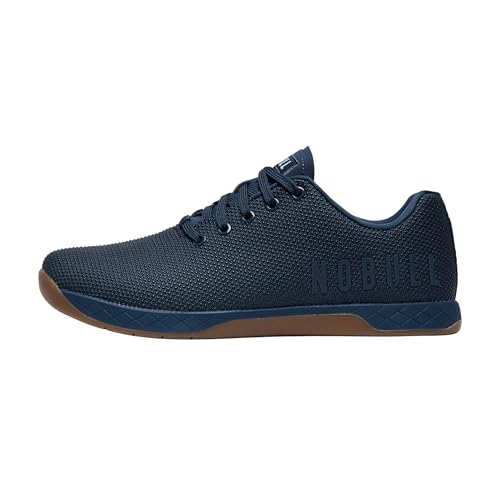
NOBULL Outwork Men’s Training Shoe

NOBULL Outwork Edge Men’s Training Shoe

NOBULL Women’s Allday 365 Ripstop Shoe
The Details Behind The Selections
The Speedcross line has earned its reputation the slow way: season after season of mud, scree, and sloppy downhills. This sixth version keeps the deep, widely spaced lugs (the rubber teeth on the outsole that bite into soft ground) that made the original famous while trimming overall weight so your feet don’t drag by kilometer eight. The revamped upper hugs the midfoot without pinching, which matters when cold water swells everything by the halfway mark.
For obstacle course athletes who face wet grass, creek crossings, and rooted climbs, the grip-to-weight balance is hard to beat. You will feel the lugs working underfoot, especially on soft terrain, which is exactly the point. Compared with the Pulsar Trail below, this is the more aggressive, more mud-specific tool in the Salomon shed.
Useful Highlights
- Deep, widely spaced lugs shed mud quickly and keep the outsole from getting packed solid.
- Lighter build than the prior generation reduces foot fatigue over long race distances.
- Secure midfoot wrap prevents heel slip on uneven, wet downhills.
- Trail-running category design means the geometry favors forward motion over lateral moves.
- Durable mesh upper holds up against repeated wet-dry cycles during training.
Worth Noting
- Deep lugs feel clumsy on pavement, so transitions through parking lots tire your feet faster.
- Aggressive tread is overkill for gym-based obstacle training on rubber floors.
- Mesh upper drains slowly after full submersion, so expect squishy shoes for the first mile after a water crossing.
Key Specs
Right Fit For
Trail runners and obstacle racers who log the majority of their muddy miles on natural terrain and want a focused, aggressive lug underfoot.
Where Another Pick Suits Better
The NOBULL Outwork Edge is the smarter choice when most of your obstacle training happens indoors on grippy rubber floors rather than on soft dirt trails.
The Pulsar Trail sits in a quieter corner of the Salomon lineup, built for runners who split time between park paths and rooted singletrack. It carries the brand’s trail-running DNA without the aggressive personality of the Speedcross, which makes it a friendlier daily trainer. The Black/China Blue/Arctic Ice colorway leans toward a low-key look that blends in at the coffee stop after a long run.
For athletes who want one shoe that handles a Tuesday tempo on damp asphalt and a Saturday trail long-run, this is a reasonable compromise. The ride feels cushioned but not mushy, and the outsole grips well on hardpack and gravel. Where the Speedcross digs deep into soft mud, this one keeps its composure across mixed surfaces.
Bright Spots
- Versatile enough for road-to-trail transitions without feeling specialized.
- Comfortable cushioning reduces impact on longer training blocks.
- Trail-running category build gives real off-road grip without the bulk.
Things To Consider
- Lugs are shallower than the Speedcross 6, so deep mud can still cake the outsole.
- Colorway and styling may not appeal to racers who prefer a louder look.
Made For
Runners who bounce between pavement and trail and want a single shoe that handles both without obvious compromise on either.
Swap It Out When
The Salomon Speedcross 6 is the better tool when your race calendar is stacked with deep mud and you want lugs that self-clean aggressively.
This entry breaks from the rest of the list on purpose. The RaceQuip 305 is a motorsport driving shoe: thin-soled, lightweight, and built to give precise pedal feel inside a race car. The “mud race” angle here is the autocross or rally stage, not an obstacle course. The suede leather upper and Pyrovatex flame-retardant liner (a fire-resistant cotton-blend material commonly used in racing apparel) keep the foot secure under hard braking.
European styling gives it a narrow, low-profile silhouette that slips easily into a tight pedal box. Carbon-L pads in high-wear zones protect the outer edges from heel-and-toe wear over a long season. You will not want to hike a trail in these, but for the right job they are well-considered.
Positive Points
- Suede leather upper offers precise foot feel on the throttle and brake.
- Pyrovatex liner adds flame resistance required by many sanctioning bodies.
- Molded rubber sole and Achilles flex opening keep the foot planted without binding.
- Notably lighter than standard driving shoes, which reduces leg fatigue in long stints.
- Padded ankle and arch support suit drivers with longer race durations.
Practical Considerations
- Not designed for walking on natural terrain; the thin sole transmits every rock.
- Suede upper needs careful cleaning after wet or muddy stages to avoid staining.
- European last runs narrow, so wide-footed drivers may need to size up or try a different model.
Right Fit For
Motorsport drivers who compete in rally, autocross, or HPDE events and need a thin-sole driving shoe that meets common safety specs.
Look Elsewhere When
The Skechers Aero Razor is the more natural pick for athletes preparing on foot for any race that involves running rather than driving.
The Aero Razor is Skechers leaning into its foam-and-fabric sweet spot: a fashion-sneaker silhouette with performance running shoe DNA underneath. The lightweight construction makes it disappear on foot, which is useful when your training plan stacks miles back to back. It is a road-leaning shoe, so it works best as a mileage builder rather than a technical trail tool.
For mud-race preparation, treat the Aero Razor as your everyday aerobic base layer rather than your race-day shoe. It handles tempo runs and recovery days comfortably, leaving the heavy traction work to a more specialized trail or cross-training option later in this list. Compared with the NOBULL Outwork below, the Aero Razor is softer and more forgiving under the heel.
The Upside
- Lightweight build reduces perceived effort on easy and moderate runs.
- Fashion-sneaker styling transitions easily from a training run to casual wear.
- Cushioned platform suits high-mileage training blocks without harshness.
Honest Caveats
- Road-leaning outsole lacks the bite needed for muddy, rooted trail sections.
- Mesh upper can stay damp for hours after puddle crossings during wet-weather runs.
Who It Suits Best
Runners building weekly aerobic volume on paved or gravel surfaces who want a comfortable, lightweight daily trainer to round out their rotation.
Skip It When
The Salomon Speedcross 6 is the smarter pick on race day when the course is soft, wet, and full of mud that demands aggressive lugs.
The Outwork sits in NOBULL’s fitness and cross-training lane, which means it is built for the varied, unpredictable movements an obstacle course demands: short sprints, box jumps, burpees, lateral shuffles, and the occasional weighted carry. The outsole is broad and flat, giving a stable platform under heavy lifts and quick direction changes alike. The upper is durable enough to shrug off rope-burn friction and repeated rope climbs without tearing.
For obstacle racers who train primarily indoors or on packed dirt and want one shoe that handles the gym, the trail, and the obstacle field, the Outwork earns serious consideration. Compared with the lighter Skechers Aero Razor, this is the more rugged, more grounded tool. If you find road shoes too unstable under load, the Outwork’s wider stance will feel reassuring.
What Helps Most
- Broad, flat outsole offers a stable base for lifts and lateral movements.
- Durable upper holds up to rope climbs, burpees, and abrasive surfaces.
- Cross-training category design means the shoe handles varied movements without specialization.
- Toe and heel reinforcement reduces wear from crawling and hill work.
Small Caveats
- Heavier than a dedicated road running shoe, which can slow down easy mileage days.
- Outsole tread is moderate, so deep mud still finds places to stick.
Quick Facts
Made For
Athletes who do most of their obstacle training in a gym or on packed surfaces and want one shoe that handles lifting, plyometrics, and short sprints.
Another Choice May Suit
The Salomon Speedcross 6 fits better when race day involves long stretches of soft, wet dirt where trail-specific traction matters more than gym stability.
The Outwork Edge builds on the standard Outwork with a wider outsole footprint and a more pronounced edge geometry, which sounds subtle but shows up the moment you tackle a rope climb or a slanted wall. The extra width under the ball of the foot gives your toes room to splay during a heavy carry, and the edge cuts into soft surfaces for better grip on uneven ground.
For obstacle athletes who find standard trainers too tippy on lateral moves, the Edge geometry offers reassurance without becoming a clunky platform shoe. It is still light enough for short runs between obstacles, though it is not the tool for a 10-mile trail race. If the regular Outwork feels slightly narrow for your foot or your training, the Edge is the obvious next step.
Everyday Advantages
- Wider outsole footprint improves stability on lateral moves and uneven terrain.
- Enhanced edge geometry grips better on angled obstacles and rope climbs.
- Cross-training category build keeps it versatile across varied workouts.
Points To Keep In Mind
- Bulkier than a road shoe, so longer running sessions feel heavier than necessary.
- Outsole tread still favors packed surfaces over deep, slick mud.
Best Suited To
Obstacle racers with wider feet or anyone who wants extra lateral stability for rope climbs, carries, and angled obstacles.
Consider Something Else When
The Salomon Speedcross 6 handles deep mud better and is the stronger pick when race day is dominated by soft, wet trail miles.
The Allday 365 lives up to its name with a ripstop upper, which is a woven fabric reinforced with a grid of stronger threads to stop small tears from spreading, built for the kind of daily abuse that wears out ordinary sneakers in a season. It is a cross-training shoe at heart but styled for everyday wear, so it disappears under jeans or joggers without looking out of place.
For athletes who want a single pair to cover gym sessions, light obstacle work, and the rest of the day, this shoe fits the brief. The ripstop weave handles scuffs better than a standard knit upper, and the platform is firm enough for light lifts without feeling clunky on walks. Where the men’s Outwork focuses on heavy training, this model balances training with daily life.
The Good Stuff
- Ripstop upper resists tears from scuffs, ropes, and brush.
- Casual styling makes it wearable beyond the gym.
- Fitness and cross-training category build supports varied workouts.
- Durable construction extends the usable life of the shoe across daily wear.
Some Limits To Know
- Not as trail-specific as the Salomon options for deep mud sections.
- Ripstop upper breathes less than a full mesh, so feet run warmer in summer training.
Who Should Grab It
Active shoppers who want one shoe that moves from a morning gym session to errands and light outdoor training without a shoe change.
Reach For A Different Pick When
The NOBULL Outwork Edge suits dedicated obstacle training better when lateral stability matters more than everyday styling.
What To Weigh Before Choosing Your Next Pair
Outsole design sits at the top of the list when mud is in play. Deep, widely spaced lugs shed soft ground and keep grip consistent, while shallow or tightly packed lugs turn slick fast. The Speedcross 6 shows what aggressive mud tread looks like, and the Skechers Aero Razor shows the opposite extreme: a road-leaning outsole that will skate on wet grass.
Cushioning and stack height (the measurement of material between your foot and the ground) matter more than most shoppers expect. A higher stack absorbs impact on long race miles, but it also raises your center of gravity on uneven ground, which can lead to ankle rolls on cambered hills. Cross-training shoes like the NOBULL Outwork sit lower and flatter for stability under load.
Upper material changes how a shoe feels after a creek crossing. Open mesh drains fast but lets debris in, while ripstop and tightly woven uppers keep junk out but stay damp longer. Think about the typical climate of your race and how much time you spend submerged.
Fit and last shape (the molded form a shoe is built around) deserve a real try-on if possible. Salomon tends to run narrow through the midfoot, NOBULL runs medium to wide, and Skechers generally runs roomy. None of these picks will feel right if the last fights your foot shape.
Key Considerations Across These Picks
Wrong Turns To Avoid
Treating traction as the only buying factor is a common trap. Mud-race shoes also need lateral stability for rope climbs and angled walls, plus a draining upper for repeated water crossings. A shoe with great lugs but a soft platform will feel sloppy when you load it.
Sizing based on your everyday sneaker is another frequent mistake. Trail and cross-training shoes often need a half-size up to accommodate foot swelling during long efforts, and a too-tight fit causes black toenails long before the finish line.
Where The Extra Money Goes
Premium trail shoes like the Speedcross 6 spend their budget on outsole rubber compounds that grip wet rock, lighter midsole foams that reduce leg fatigue, and reinforced uppers that survive a season of abuse. The savings show up over months, not minutes.
Cross-training shoes at the Outwork Edge level put money into wider platforms, more durable toebox materials, and geometry that holds up under heavy lateral loads. The upgrade is most worth it for athletes who train seriously and replace shoes less often.
Frequently Asked Questions
How do mud race shoes differ from regular trail runners? Mud race shoes typically combine aggressive lugs with obstacle-friendly features like a wider platform, reinforced upper, and a stable base for rope climbs. Regular trail runners focus more on forward motion and may lack the lateral stability an obstacle course demands.
Can I use cross-training shoes for a mud run? For shorter races on packed dirt, yes. Cross-training shoes like the NOBULL Outwork handle varied terrain well. For longer races with deep mud sections, a dedicated trail shoe with deeper lugs will grip better and stay cleaner underfoot.
Should I size up for obstacle races? Most athletes benefit from a half-size up compared to everyday sneakers. Feet swell during long efforts, and a little extra room prevents black toenails and hot spots during rope climbs and downhills.
How long do mud race shoes usually last? Trail shoes with aggressive lugs typically last one to two race seasons before the tread smooths out. Cross-training shoes often last longer because their outsole is less specialized, though the upper may wear first on rope-heavy training.
Do I need waterproof shoes for mud runs? Waterproof membranes keep feet warm and dry for short splashes but trap water during full submersions. For most obstacle races, a quick-draining mesh or ripstop upper is more versatile than a waterproof barrier.
Final Take
Your training ground, race distance, and typical conditions should drive the decision more than brand loyalty. Deep mud and long miles point toward the Salomon Speedcross 6; gym-heavy obstacle prep points toward the NOBULL Outwork or Outwork Edge; daily versatility and casual styling point toward the NOBULL Allday 365. Match the shoe to the surface you actually face, and the race takes care of itself.