You spend twelve hours on your feet, darting between patients, slippery floors, and tight corners. The wrong pair of nursing shoes for men turns a long shift into a slow ache in your knees and lower back, so choosing footwear built for clinical reality matters more than a slick color or marketing claim. This roundup cuts through the noise and looks at four options that genuinely match the demands of hospital, clinic, and food-service environments, balancing slip resistance, all-day comfort, and durability. Each pick below is judged on real shift conditions, not showroom photos.
The Lineup, Simplified

Crocs Unisex-Adult R2D2 Classic Clogs

Crocs Kids’ Classic Clogs

SHULOOK Men’s Non Slip Work Shoes
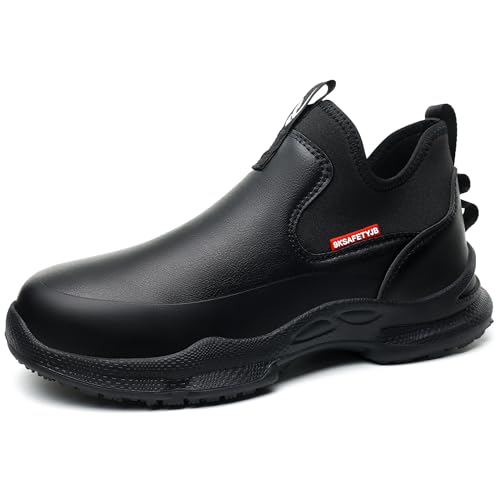
IQAXC Non Slip Lightweight Nursing Shoes
Why These Options Stand Out
For nurses who log long stretches on linoleum, the Crocs Unisex-Adult R2D2 Classic Clogs deliver a forgiving, low-effort ride. The molded one-piece build keeps the weight down, so your legs feel fresher during back-to-back rounds on a busy med-surg floor.
Compared with the heavier work-specific picks later in this list, this pair trades serious slip certification for a roomier, more cushioned step. You trade a closed toe for ventilation, which suits dry clinical areas more than high-spill kitchens.
Real-World Strengths
- Lightweight molded construction reduces leg fatigue on twelve-hour shifts.
- Roomy fit accommodates wider feet and swelling after long days on your feet.
- Slip-on shape speeds up scrub changes between rotations.
- Easy to rinse and sanitize at the end of a messy shift.
Things To Consider
- Open heel and ventilation ports let liquids in during spills or sanitation passes.
- Style-forward graphic may not match strict uniform dress codes.
Who It Suits Best
Float-pool nurses and casual-ward staff who prize cushion over certification will appreciate the forgiving fit and easy cleanup.
Consider Something Else When
The SHULOOK Men’s Non Slip Work Shoes are a smarter choice for kitchenettes and wet prep zones where a sealed, slip-resistant sole matters more than a soft step.
The Crocs Kids’ Classic Clogs sound like a stretch for a men’s nursing roundup, yet the smaller sizing range opens a door for male nurses with narrow or petite feet. You get the same cushioned mold and ventilated toe box as the adult version, sized down.
Where the previous R2D2 Classic leans into novelty, this pared-down pair stays low-key and easy to coordinate with standard scrubs. For a smaller-framed clinician, the lower profile can actually fit more securely than scaling down an adult unisex clog.
Everyday Wins
- Compact sizing fits narrow or smaller men’s feet without a sloppy heel gap.
- Light molded build keeps steps soft across back-to-back shifts.
- Neutral color pairs easily with most scrub tops.
Worth Noting
- Smaller adult sizes outside the listed range may not be available, limiting your options.
- Same open-port design as the adult Classic, so fluid resistance is limited.
- Sizing runs small, and replacements over time may require re-measuring as the Croslite footbed wears down.
Built With In Mind
Petite-foot male nurses and smaller-framed clinicians who struggle to find a snug fit in standard men’s sizing will appreciate the narrower proportions.
Look Elsewhere When
Anyone needing standard men’s sizing or a sealed toe for wet wards should step up to the IQAXC Non Slip Nursing Shoes, which offer a more traditional men’s build.
The SHULOOK Men’s Non Slip Work Shoes target the messier side of clinical and food-service work, where traction is non-negotiable. Built for restaurant, kitchen, and nursing environments, the sole focuses on grippy contact with wet tile, and the upper wraps the foot more securely than a clog.
Where the earlier Crocs picks keep things light and breathable, this pair sacrifices airflow for a tighter, slip-resistant fit. Male nurses rotating through cafeterias, dietary, or sanitation-heavy zones will find the tradeoff worthwhile most days.
Useful Highlights
- Dedicated slip-resistant outsole aimed at wet kitchen and clinical floors.
- Closed upper offers better fluid defense than ventilated clogs.
- Neutral uniform-friendly look fits patient-facing rounds.
Trade Offs
- Less breathable than Crocs, so feet may run warmer in long shifts.
- Stiffer upper takes longer to break in than a molded clog.
- Cleanability depends on the upper material, which may need wiping rather than rinsing.
Key Specs
Best Suited To
Nurses splitting time between wet prep zones and clinical floors who need serious grip and a closed upper more than ventilation.
Reach For A Different Pick When
Hot, dry wards and anyone prioritizing cushion over sealed protection may prefer the Crocs Unisex-Adult R2D2 Classic Clogs for a lighter ride.
The IQAXC Non Slip Lightweight Nursing Shoes pair a leather upper with water- and oil-resistant claims, aiming at nurses who want a more polished, shoe-like look. The slip-on silhouette keeps the speed of a clog while covering the toes, which matters during patient-facing rounds and quick bedside interactions.
Versus the SHULOOK work shoe covered above, this option leans toward a refined clinical appearance and lightweight daily comfort. For most ward-based nurses, the trade-off is a slightly less aggressive sole pattern for a cleaner profile.
Why It Works Well
- Water- and oil-resistant leather upper holds up to spills and sanitation wipes.
- Slip-on design balances quick entry with a more enclosed, professional look.
- Lightweight build aims to reduce the drag of heavier duty work shoes.
Honest Caveats
- Leather uppers need periodic conditioning to avoid cracking over many shifts.
- Sizing and width can vary more than molded clogs, so trying on is wise when possible.
- Slip protection focuses on water and oil, so performance on very greasy floors may differ from a dedicated kitchen outsole.
The Right Fit
Ward-based male nurses who want a closed, leather-style shoe that handles spills and looks professional during patient interactions will find this pair fits the brief.
Swap It Out When
Nurses rotating through greasy kitchens or wet cafeteria prep lines should lean toward the SHULOOK Men’s Non Slip Work Shoes, which prioritize aggressive outsole grip.
Picking Nursing Shoes That Survive Your Shift
Fit comes first, since a shoe that pinches at hour four ruins any sole technology. Leave a thumb’s width at the toe and test the heel hold while standing, because feet swell during long shifts and a snug fit in the morning often turns painful by evening.
Slip resistance matters more than brand reputation on actual wet linoleum. Look for outsoles explicitly designed for healthcare or food service, and remember that tread pattern, not just label, determines how a shoe grips when a mop bucket tips over mid-shift.
Weight and cushioning shape how your knees and lower back feel by the end of the week. A lighter shoe reduces leg strain across twelve-hour rotations, while decent midsole cushioning absorbs the repeated impact of walking on hard tile.
Material choice affects cleanup and lifespan. Leather uppers handle wipes and splashes well but need occasional care, while molded clogs rinse clean in seconds but offer less protection from spills and dropped sharps.
Key Considerations Across These Picks
Pitfalls Shoppers Hit
Many nurses pick by color or brand familiarity instead of slip rating, then wonder why their feet ache on day three. Try the shoe on at the end of the day when feet are swollen, and walk on a hard floor, not carpet, before committing.
Where The Extra Money Goes
Higher-tier nursing shoes for men typically add dedicated slip-rated outsoles, better arch support, and more durable upper materials. The upgrade pays off for nurses logging five or more shifts a week, where cheap soles flatten fast and wet-floor grip becomes a real safety concern.
Frequently Asked Questions
How often should nursing shoes be replaced?
Most clinical pairs last six to twelve months with full-time use, since midsoles compress and outsoles smooth out well before the upper falls apart.
Are non slip shoes enough for hospital floors?
Non slip soles handle typical wet linoleum well, but pair them with caution around freshly waxed or greasy surfaces where even rated shoes can lose grip.
Should male nurses wear clogs or closed shoes?
Clogs breathe well and slip on fast, while closed shoes protect against spills and dropped instruments, so the choice depends on your ward’s typical hazards.
Do leather nursing shoes need special care?
A light conditioning every few weeks keeps the leather supple and helps the water-resistant finish hold up to repeated sanitation wipes.
Can one pair handle both kitchen and ward duty?
A closed, slip-resistant shoe like the SHULOOK or IQAXC pairs can handle both zones, while ventilated clogs suit dry wards but struggle around heavy spills.
Bottom Line
Your best pick depends on where your shifts take you: cushioned clogs for dry wards, sealed slip-ons for patient rounds, and dedicated work shoes for kitchens and wet prep zones. Match the shoe to the floor, not the brochure, and your feet will thank you well past year one.