Aches in the feet, ankles, or knees tend to creep up slowly, then one morning stepping out of bed feels like a small negotiation. The right pair of orthopedic shoes can take that friction away, whether you need room for swollen feet, support for a neuropathy diagnosis, or just a softer landing on long walks.
This list covers seven options built around real foot-care needs, from house slippers to wide-width walking shoes and hands-free slip-ons. The goal is straightforward: help you match the shoe to the problem, not the other way around.
A Quick View Of The Lineup

SAS Side Gore Slip On Comfort Loafer
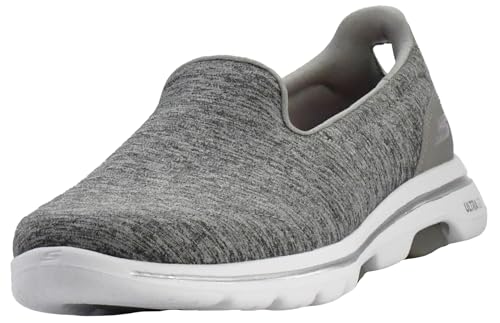
Skechers Womens Go Walk 5 Honor

Orthofeet Asheville Orthopedic Men House Slippers

FitVille Extra Wide Diabetic Walking Sneakers for Men

FitVille EasyTop Wings Slip-On Walking Shoes for Men

FitVille Diabetic Shoes with Adjustable Straps for Men

JACKSHIBO Hands-Free Slip-In Walking Shoe for Men
A Breakdown Of The Leading Choices
The SAS Side Gore Slip On Comfort Loafer leans into classic dress-casual styling with a soft leather upper and a moc toe stitch that looks tidy with khakis or jeans. Dual side goring replaces laces and pulls the foot in without any bending or fumbling, which makes it a sensible choice for mornings when stiffness in the hands is part of the picture.
Where this loafer earns its keep is the cushioned tongue and padded collar that wrap the ankle softly instead of digging in. Compare that to the athletic builds later in the list, and the SAS feels dressier, with less bulk underfoot. It is not built for long-distance walking, but for errands and everyday outings it stays comfortable through a full afternoon.
Notable Gains
- Soft leather upper that breaks in gradually and molds to the foot over time
- Dual side gore panels that replace laces for easy on-and-off
- Padded tongue and collar that reduce rubbing on the ankle bone
- Dress-casual silhouette that pairs with most everyday outfits
- Hand-sewn construction that tends to hold up well with regular use
Things To Consider
- Not designed for athletic use or long-distance walking
- Limited width options may feel snug for very swollen feet
- Leather requires occasional conditioning to prevent drying or cracking
Right Fit For
Older adults who want a presentable, comfortable loafer for errands, light outings, and indoor wear without giving up ease of entry.
Skip It When
The Orthofeet Asheville Orthopedic Men House Slippers are a better match if you spend most of the day at home and want plush, fully adjustable indoor support.
The Skechers Go Walk 5 Honor leans athletic and breathable, with a heathered mesh upper that lets air move across the foot rather than trapping heat. Slip-on construction eliminates the need to bend down and tie, which matters when knees or backs are stiff in the morning.
Underfoot, the ULTRA GO midsole delivers responsive cushioning that bounces back step after step, while the Air-Cooled Goga Mat insole adds a layer of soft support. The Comfort Pillar Technology under the heel absorbs impact at heel strike, which is where many seniors feel the most jarring feedback. It is noticeably lighter than the SAS loafer above, and lands somewhere between a sneaker and a recovery shoe in feel.
What Earns Its Place
- Lightweight mesh upper that keeps feet cool on longer walks
- Responsive midsole cushioning that supports daily mileage
- Slip-on entry that removes the need to bend and tie laces
Worth Noting
- Mesh upper offers less structure than leather for severe foot conditions
- Standard width may not suit very swollen or post-surgical feet
Quick Facts
Built With In Mind
Active older women who walk daily for exercise or errands and want a light, breathable shoe that handles mileage without feeling heavy.
Swap It Out When
The FitVille EasyTop Wings Slip-On Walking Shoes are a smarter pick if you need extra width, a hands-free entry, or dedicated room for swollen feet.
The Orthofeet Asheville Orthopedic Men House Slippers are designed for the part of the day many foot-care articles skip: the time spent standing on a kitchen tile or pacing a hallway in socks. The slippers open completely through adjustable straps on both sides, so stepping in takes almost no effort.
Inside, a wall-to-wall faux fur lining keeps the foot warm and reduces rubbing, while a small heel lip keeps the slipper in place when you walk. Compared to the SAS loafer, this is a softer, more forgiving build with a clear orthopedic focus. For households where someone leaves shoes by the bed and slips them on first thing, the Asheville makes that routine easier.
The Good Stuff
- Fully adjustable straps that open wide for easy step-in entry
- Plush faux fur lining that cushions and warms the foot
- Heel lip that keeps the slipper from sliding off while walking
- Orthopedic-focused design that supports sensitive or tired feet
Honest Caveats
- Faux fur lining may feel warm in hotter climates or summer months
- Soft sole offers limited traction on slick outdoor surfaces
Feature Snapshot
Made For
Older adults who spend long stretches at home and want supportive, easy-entry slippers that replace socks with something kinder to the foot.
Look Elsewhere When
The Skechers Womens Go Walk 5 Honor is a better fit if you need an outdoor walking shoe with breathable mesh and responsive cushioning.
The FitVille Extra Wide Diabetic Walking Sneakers are built for feet that simply cannot wear a standard width. An extra-wide toe box gives the forefoot room to splay, which matters when neuropathy, swelling, or bunions have made a regular fit feel like a vise.
The shoe is designed for pain relief across multiple foot conditions, including neuropathy and swelling, with a structured sole that supports steady walking. Where it differs from the Orthofeet slippers above is intent: this is an outdoor walking shoe meant for pavement and errands, not a soft indoor slipper. For households where a Parkinson’s diagnosis or neuropathy makes balance unpredictable, a wider base tends to feel more stable underfoot.
Reasons It Performs
- Extra-wide toe box that accommodates swelling and foot deformities
- Targeted support for neuropathy, diabetes, and Parkinson’s-related gait
- Walking-focused sole that supports outdoor mileage and steady pacing
- Structured build that adds stability on uneven sidewalks
Points To Note
- Bulkier silhouette than athletic sneakers, with a heavier feel underfoot
- Extra room may feel loose for wearers with normal-width feet
Whose Shelf It Belongs On
Older adults managing neuropathy, swollen feet, or Parkinson’s who need a stable, roomy walking shoe for daily outdoor activity.
Reach For A Different Pick When
The FitVille EasyTop Wings Slip-On Walking Shoes suit you better if you want hands-free entry along with extra width.
The FitVille EasyTop Wings Slip-On Walking Shoes solve one specific problem very well: getting into a shoe without using your hands. The EasyTop Wings design opens wide and closes with one motion, which is a real advantage when arthritis, hip pain, or back stiffness make bending down unpleasant.
Like the wider FitVille model above, this shoe runs in an extra-wide width to accommodate swollen feet and forefoot conditions. Where it differs is the entry style, leaning casual and convenient rather than athletic. For someone whose morning routine now includes a long pause to lace up, the hands-free design cuts that step out entirely.
Benefits That Matter
- Hands-free slip-on design that removes the need to bend or tie
- Extra-wide interior that fits swelling and sensitive feet
- Walking-friendly sole that handles daily outdoor use
- Simple, low-fuss styling that pairs with everyday outfits
Some Limits To Know
- Closure style may not hold as securely as laces during vigorous activity
- Less arch structure than dedicated orthopedic walking shoes
Feature Rundown
Best Suited To
Older adults with limited reach, hip stiffness, or arthritis who want a wide, supportive shoe they can step into without help.
Consider Something Else When
The FitVille Diabetic Shoes with Adjustable Straps are a better fit if you need fine-tuned volume control across the day.
The FitVille Diabetic Shoes with Adjustable Straps take the wide-foot foundation and add hook-and-loop adjustability across the top of the foot. That adjustability is the headline feature, because foot volume can change during the day, especially in conditions where swelling fluctuates.
Where this differs from the EasyTop Wings above is the closure style, trading hands-free entry for a more secure, tunable fit. The shoe is targeted at neuropathy and swollen feet, with the extra-wide base that has become a FitVille signature. It is a practical pick for households where morning and evening feet can look like two different sizes.
What Helps Most
- Adjustable straps that adapt to changing swelling throughout the day
- Extra-wide base that removes forefoot pressure
- Neuropathy-friendly interior that reduces friction points
Trade Offs
- Hook-and-loop straps require two-handed closure, unlike hands-free styles
- Velcro-like fasteners may wear out sooner than laces with daily use
Who Should Grab It
Older adults whose foot size shifts during the day due to swelling, fluid retention, or medication effects.
A Better Fit Elsewhere
The FitVille EasyTop Wings Slip-On Walking Shoes are worth a look if you want to skip the strap adjustment entirely and prioritize hands-free entry.
The JACKSHIBO Hands-Free Slip-In Walking Shoe is built around the same core idea as the FitVille EasyTop above, with a hands-free design that lets you step straight into the shoe. The wide toe box gives the forefoot room to spread, while built-in arch support targets the middle of the foot.
Compared to the FitVille models, this option lands at a noticeably lower cost, which is its real selling point. Trade-offs tend to show up in long-term durability rather than initial comfort, so it suits wearers who want orthopedic-style features without committing to a premium price. For a first pair of orthopedic shoes, it is a low-risk way to test whether the hands-free format actually fits your routine.
Bright Spots
- Hands-free slip-in design that simplifies the morning routine
- Wide toe box that reduces forefoot pressure
- Built-in arch support that adds structure under the midfoot
- Lower price point among orthopedic walking options
Where It May Fall Short
- Brand longevity and long-term durability are less established than competitors
- Limited width options compared to dedicated extra-wide models
Key Product Details
Who Will Love This
Shoppers on a tighter budget who want hands-free entry, arch support, and a wider toe box without paying for premium-tier orthopedic branding.
Where Another Pick Suits Better
The FitVille Extra Wide Diabetic Walking Sneakers are a better match if you need verified extra-wide sizing and a more established orthopedic build.
What Matters Most Before Choosing Orthopedic Shoes For Seniors
Match The Shoe To The Foot Condition
Orthopedic shoes are not interchangeable. A slipper designed for indoor comfort handles swelling and warmth differently than a walking shoe built for pavement. Foot neuropathy (nerve damage that can dull sensation in the toes and forefoot) calls for a roomy, seamless interior to prevent unnoticed rubbing, while arthritis in the midfoot often needs a flexible upper and soft collar. Buying orthopedic shoes without naming the condition they need to address is the most common reason a pair ends up in the closet.
Width And Volume Matter More Than Style
Standard widths assume a standard foot, which older feet often are not. Extra-wide widths, adjustable straps, and stretchable uppers all exist because swelling, bunions, and post-surgical changes change the shape of the foot. Width is the single biggest comfort lever in orthopedic footwear, and it deserves a closer look than color or brand name.
Closure Style Affects Daily Use
Laces, slip-ons, hook-and-loop straps, and hands-free designs each change how a shoe gets put on. Hands-free designs reduce the daily bending and tying that strain hips and backs, while hook-and-loop straps allow mid-day adjustments when swelling peaks. The closure you choose shapes your routine, so weigh it against how often the shoes go on and off.
Consider Insole And Sole Compatibility
Removable insoles let you swap in custom orthotics (personalized shoe inserts prescribed or molded for your foot), which is often the whole reason for buying orthopedic footwear. A shoe with a glued-in, low-profile insole limits that option. Outsoles also matter: a stiffer sole controls motion for neuropathy, while a flexible sole bends more naturally for sensitive feet.
Avoiding The Common Slips When Buying
Pitfalls Shoppers Hit
The first mistake is buying for looks. A shoe that looks orthopedic in the catalog may still be too narrow, too stiff, or too shallow at the toe. Measure the foot at the end of the day, when swelling is at its peak, and use that measurement against the brand’s width chart rather than guesswork. Buying two widths to return one is also reasonable, because sizing varies widely between manufacturers.
The second slip is ignoring the insole situation. If you already use custom orthotics, confirm the shoe has a removable insole before buying, or the orthotic will sit on top of the factory footbed and throw off the fit. Pairing the right shoe with the right insole is where most orthopedic footwear either succeeds or fails.
The Case For Spending Up
Premium orthopedic shoes earn their higher cost through deeper toe boxes, structured heel counters (the firm cup at the back of the shoe that stabilizes the heel), and better-grade cushioning that holds up over months of daily wear. For someone wearing a pair every day for two years, the per-month cost of a well-built shoe is often lower than replacing a cheaper pair twice.
The upgrade pays off most when the foot condition is permanent, like neuropathy or chronic swelling, where support consistency matters more than saving a few dollars up front. For occasional use or a first test pair, a budget option makes sense. For daily wear under a real diagnosis, the upper tier tends to return the investment in fewer replacements and better comfort across the day.
Frequently Asked Questions
How Do Orthopedic Shoes Differ From Regular Walking Shoes?
Orthopedic shoes prioritize foot health features like extra depth, wider toe boxes, and structured support over athletic performance or fashion styling. Regular walking shoes focus on cushioning and lightweight materials for general fitness use.
Can Orthopedic Shoes Help With Neuropathy?
Yes, because neuropathy reduces sensation in the foot, and orthopedic shoes reduce friction, pressure points, and seam irritation. A roomy toe box and seamless interior are the most important features for neuropathy-friendly footwear.
Are Hands-Free Slip-On Shoes Safe For Seniors With Balance Issues?
Hands-free slip-ons help with entry and exit, but balance safety depends more on the sole design and heel support than the closure. Look for a firm heel counter and a non-slip outsole (the bottom layer of the shoe that contacts the ground) regardless of how the shoe goes on.
How Often Should Orthopedic Shoes Be Replaced?
Most orthopedic shoes last between 9 and 18 months with regular wear, depending on the materials and activity level. Replace them when the cushioning compresses, the outsole wears smooth, or the upper stops holding its shape.
Do Orthopedic Shoes Require A Prescription?
Most over-the-counter orthopedic shoes do not require a prescription, though a podiatrist (a foot-care specialist) can recommend specific features that suit your foot condition. Custom orthotics inside the shoes still require a fitting, but the shoes themselves are usually sold directly.
The Takeaway
The right orthopedic shoes for seniors come down to matching features to the specific foot condition, not picking the most expensive pair on the shelf. Measure your feet honestly, decide which feature matters most, and choose the shoe that solves that problem first. Comfort follows from there.