Spending hours on pointe takes a quiet toll on your toes, and the right pad can mean the difference between a productive rehearsal and a limping walk home. I’ve talked with enough dancers and studio teachers to know that “toe pad” is a deceptively broad category: some pads sit between toes as spacers, some wrap the forefoot, and some even ship pre-installed inside a pair of pointe shoes. The ten options below cover those different jobs, with honest notes on where each one shines and where it falls short.
The Lineup, Simplified

Bloch A901M Pointe Cushion (Light Sand, Medium)

Bloch Pointe Shoe Toe Spacers (Light Sand)

Dayrose Pointe Shoes with Toe Pads (Pink)

Welnove Ball of Foot Cushions (4 Pairs)

Bloch Womens Ballet Toe Gel Tubes

Welnove Gel Toe Spacers for Dancers

Bloch A916 Jumbo Toe Spacers (4-Pack)
Daydance Ribbon Pointe Shoes with Toe Pads
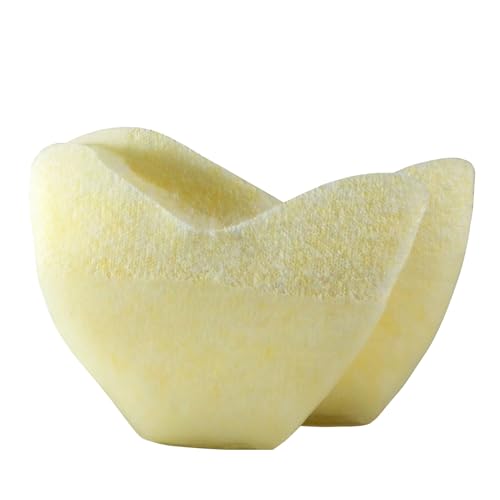
Pillows For Pointe Gel Tip Toe Pillows (Medium)

WENDYWU Pointe Slippers with Ribbons and Toe Pads
More On The Choices That Made The List
The Bloch A901M is the pad most studio teachers recognize on sight. It’s a thin silicone sleeve that slides over the front of the foot, covering the toes and wrapping across the joints of the big toe and little toe. Unlike the spacers that sit between toes, this style protects the entire tip of the foot while keeping a low profile inside the pointe shoe.
For students taking daily class, that coverage pays off. The cushion absorbs the direct load of relevé work without the bulk of a thick gel wedge. Dancers who prefer “feeling the floor” tend to gravitate here over chunkier pads, since the material compresses rather than displaces.
Everyday Wins
- Full forefoot coverage reduces pressure across multiple toes at once
- Low-profile silicone keeps the shoe line clean and close to the foot
- Light Sand color blends discreetly under most pointe shoe shades
- Reusable after a simple wash, which suits students in multi-day rehearsal weeks
- Trusted Bloch build quality carried across decades of dance supply catalogs
Things To Consider
- Silicone can feel warm during long summer intensives
- Some dancers report slight slippage inside wider box shoes without toe gel adhesive
Quick Facts
Made For
Intermediate and advanced students taking regular pointe classes who want broad forefoot protection without extra bulk.
Consider Something Else When
Dancers with bunion concerns should look at the Bloch Womens Ballet Pointe Shoe Toe Spacers instead, since spacers actively work on big toe alignment.
Toe spacers aren’t cushioning in the traditional sense. They’re a small, hourglass-shaped silicone piece that fits between the first two toes, encouraging the big toe to sit in a healthier line. The Bloch Womens Ballet Pointe Shoe Toe Spacers come in a pack and slip into place easily.
For dancers who notice their big toe drifting toward the second toe or feel early bunion pressure, the spacer offers alignment support during long rehearsal days. It’s a different use case than the A901M cushion from the same brand, and many dancers actually combine the two.
Reasons It Performs
- Aligns the big toe joint to slow bunion progression during high-rep work
- Lightweight hourglass shape adds almost no bulk inside the shoe
- Multi-pack keeps a spare pair in the dance bag for forgetful mornings
- Compatible with pointe shoes and soft technique shoes alike
Worth Noting
- Does not cushion the toes themselves; primarily an alignment tool
- One-size design may feel too small on wider forefeet
Best Suited To
Dancers with early bunion development or noticeable big toe drift who want a non-bulky alignment aid.
Skip It When
Pure cushioning seekers will get more direct relief from the Bloch A901M Pointe Cushion.
Dayrose bundles the pad and the shoe into one package, which removes one of the most common first-time headaches. The set includes satin pointe shoes, silicone toe pads, an elastic band, and a storage bag, all in a classic pink shade that suits studio dress codes.
For parents outfitting a brand-new pointe student, the bundle simplifies stocking up. The included pads pair with the shoes by default, so there’s no guessing about size or fit between separate components.
What Makes Sense
- Shoe and pad delivered together removes compatibility guesswork
- Satin upper is the studio standard for most beginner classes
- Wide size run covers youth through adult foot sizes
- Storage bag keeps the set together between rehearsals
Room For Improvement
- Entry-level construction may not hold up to years of daily use
- Sizing runs narrower than premium brands, depending on the foot
Who It Suits Best
First-time pointe students and parents looking for an all-in-one starter set rather than separate purchases.
Look Elsewhere When
Dancers with established preferences for Bloch or Capezio pads should buy the Welnove Gel Toe Spacers for Ballet Dancers as a standalone upgrade.
This pick drifts away from pure ballet and toward everyday shoe comfort. The Welnove ball-of-foot cushions are high-density foam pads with an adhesive backing, sized to fit pointed-toe heels where the forefoot takes the brunt of body weight. Four pairs come in a single order.
Dancers who commute in heels between rehearsals or perform in character shoes get the most obvious mileage here. Anyone spending long days on their feet at standing-desk jobs or weddings can also benefit, which makes this the most multi-purpose pick on the list.
Key Advantages
- Adhesive backing keeps the pad anchored through hours of walking
- High-density foam absorbs shock better than thin gel sheets
- Four-pair value pack suits a rotation of heels or character shoes
- Universal sizing fits most women’s pointed-toe silhouettes
Small Caveats
- Adhesive leaves residue inside expensive leather shoes over time
- Not designed for pointe work; the geometry is wrong for box shoes
Quick Facts
Right Fit For
Dancers and professionals who log long hours in pointed-toe heels and want reusable forefoot relief.
Swap It Out When
True ballet-only users should pick the Bloch A901M Pointe Cushion, which is designed for box shoe interiors.
Where the A901M wraps the forefoot as a single piece, these gel tubes cover each toe individually like little thimbles. Bloch’s classic design protects toenails and the small joints from direct pressure during pointe work, which is useful when a student has a single bruised nail rather than widespread soreness.
Tubes also pack down small, making them a sensible choice for dancers traveling to intensives or guest performances. They slip into a makeup pouch or pencil case without taking up shoe-bag real estate.
The Upside
- Individual toe protection targets bruised or recovering nails
- Tiny footprint fits a travel kit or guest studio bag
- Cut-to-length gel trims to fit any toe length
- Reusable through multiple wearings between washes
Honest Caveats
- Does not distribute pressure across the forefoot the way a sleeve does
- Can roll or shift during aggressive turns without a snug shoe fit
Whose Shelf It Belongs On
Dancers with specific toe injuries or anyone who travels light between studios and conventions.
Another Choice May Suit
Those needing full-foot cushioning will get broader protection from the Pillows For Pointe Gel Tip Toe Pillows.
Welnove’s dancer-focused spacers are built around flexibility. The gel conforms to toe contours almost immediately, which gives a “barely-there” sensation compared with firmer medical spacers. For advanced students working through pointe and pirouette combinations, that flexibility supports the small foot adjustments that polish performance.
Unlike generic drugstore spacers, these are specifically marketed toward ballet, so the gel retains its shape through repeated use rather than flattening after a few sessions.
Noteworthy Benefits
- Conforming gel reduces friction during long pointe combinations
- Shape retention supports sustained use through a season of classes
- Doubles as a bunion-comfort tool outside of pointe work
- Useful for high-heel wearers on days away from the studio
Points To Note
- Not a substitute for a cushioned pad in higher-impact rehearsal weeks
- Limited sizing info in the source data means trial and error may apply
Feature Snapshot
Perfect Match For
Advanced students and pre-professional dancers focused on pirouette and pointe precision.
Reach For A Different Pick When
Beginners needing simpler one-piece protection should start with the Bloch A901M Pointe Cushion.
The A916 spacers take the Bloch toe-spacer concept and bulk it up. Sold as a four-pack in clear silicone, each spacer is large enough that it can be trimmed down to match any toe gap. That trimming flexibility matters for dancers whose feet don’t match standard sizing charts.
Care is straightforward: hand wash with mild detergent, dust lightly with talcum powder after drying, and the spacers are reusable through a long stretch of training. For studio regulars who hand-wash gear between classes anyway, the maintenance fits an existing routine.
Features That Help
- Trim-to-fit design suits non-standard toe spacing
- Four-pack provides backup pairs for studio and travel bags
- Washable and reusable for sustainable long-term use
- Maintains big toe alignment to slow bunion formation
Where It Is Less Suited
- Larger silhouette may crowd narrow pointe shoe boxes
- Requires careful trimming to avoid sharp edges on cut silicone
Who Should Grab It
Dancers who prefer a custom-trim spacer and already follow a hand-wash gear routine.
A Better Fit Elsewhere
Those wanting pre-sized simplicity should consider the Bloch Womens Ballet Pointe Shoe Toe Spacers instead.
Daydance takes the bundled approach one step further by adding ribbon ties into the shoe design. The included toe pads drop directly into the box, and the ribbons save a beginner the separate trip to the dance supply store for finishing supplies. For families outfitting a new student, that convenience has real value.
The price-friendly positioning makes this a common pick for studio starter packs, especially when a parent isn’t sure which pad brand will suit a growing foot best.
Useful Strengths
- Bundled ribbons, pads, and shoes reduce the starter shopping list
- Approachable price point suits trial-and-error sizing
- Standard pink finish fits common studio dress codes
- Suitable for both girls and women across the listed size range
Practical Considerations
- Construction quality varies by individual shoe pair
- Toe pads may need upgrading once the student advances in technique
Built With In Mind
Parents buying a first set for a young dancer who hasn’t nailed down pad preferences yet.
Where Another Pick Suits Better
Dancers committed to long-term training should graduate toward the Pillows For Pointe Gel Tip Toe Pillows for better durability.
Pillows For Pointe is the specialist in this category, and the GTTP (Gel Tip Toe Pillows) sits at the top of their lineup. The hybrid construction pairs a polyester Lambs Curl base with a thin gel tip, and a Soft Seam finish eliminates the bulky side seam that plagues cheaper pads. The result is a pad that feels substantial without fighting the shoe’s fit.
This is the pad a serious student graduates to after outgrowing entry-level silicone. Available in three sizes (Small, Medium, Large), it rewards dancers who have already figured out their foot shape.
A Few Highlights
- Hybrid gel-plus-polyester construction balances cushion and structure
- Soft Seam technology removes the bulky edge found on basic pads
- Three-size range accommodates precise foot measurements
- Cream color blends into the interior of most pointe shoes
Things To Weigh
- Higher price point than silicone-only pads
- Less protective against big toe bunion pressure than spacer-style picks
Whose Shelf It Belongs On
Serious intermediate and pre-professional students who want a pad built around long rehearsal weeks.
Swap It Out When
Dancers focused primarily on big toe alignment should reach for the Welnove Gel Toe Spacers for Ballet Dancers instead.
WENDYWU finishes the list with another bundled option, this time offering multiple color choices. Black, pink, and red versions let dancers coordinate with performance costumes or studio preferences, which matters more than it might sound for younger students who care about the visual side of ballet.
Like the other bundled picks above, this serves as a starter solution: shoe, ribbons, and pads in one order. The included pads may eventually be replaced, but the value of having everything arrive together remains.
Where It Helps
- Color options suit costume coordination and personal preference
- All-in-one bundle simplifies a first-time purchase
- Suitable sizing range covers young students through adult beginners
Trade Offs
- Limited source detail on pad construction makes long-term durability uncertain
- Style focus may matter more than peak cushioning performance
Feature Rundown
The Right Fit
Younger dancers and beginners who want flexibility in color along with a complete starter kit.
Not Your Match When
Anyone prioritizing pad performance over shoe variety will do better with the standalone Pillows For Pointe Gel Tip Toe Pillows.
What To Weigh Before Picking Your Pad
A toe pad is a personal decision, and the right answer depends on what your foot actually does in the shoe. Spacers, sleeves, tubes, and bundled kits each solve different problems, so it’s worth thinking through your use case before adding to cart.
Coverage Versus Alignment
Cushioning pads protect the pad of the foot from repeated impact, while spacers work on toe alignment during relevé work. Dancers with bruised toenails or sensitive nail beds often prefer individual tubes, like the Bloch gel tubes. Those dealing with bunion pressure or toe drift usually pair spacers with a separate cushion.
Material And Fit Inside The Shoe
Silicone compresses neatly and stays discreet, while polyester-blend pads add more visible bulk. A medium-profile pad works well in standard box shoes, but narrow boxes may reject anything thicker than a thin sleeve. Fit trumps brand here, so trial and error remains part of the process.
Bundles Versus Standalone Pads
Shoe-plus-pad bundles simplify starting out, but most serious dancers eventually replace the included pads with higher-end standalone options. If budget is tight, a starter bundle makes sense; if you already know your preferred pad style, separate purchases give you more control.
Sizing, Trimming, And Replacement
One-size silicone pads often need trimming to fit cleanly, while multi-size options like the Pillows For Pointe Gel Tip Toe Pillows reduce guesswork. Hand-washable silicone and gel pads last through multiple seasons, which lowers long-term replacement costs.
Key Considerations Across These Picks
Common Shopping Slip Ups
The biggest mistake I see in this category is buying a pad based on brand recognition alone rather than fit and use case. A sleeve that works beautifully in a wide box shoe can feel suffocating in a narrow one. Measure or try on the shoe first, then match a pad to that internal volume.
What Separates Premium From Basic
The price gap between entry-level and premium pads reflects material layering, seam finishing, and shape retention. Premium pads like the Pillows For Pointe Gel Tip Toe Pillows use multi-layer construction and Soft Seam technology, while budget silicone pads rely on a single molded shape. For dancers logging multiple hours a week, that upgrade shows up in comfort and durability over a season.
Frequently Asked Questions
How often should ballet toe pads be replaced?
Most silicone and gel pads last several months of regular use before showing compression set or tearing. Hand-washing after each rehearsal extends life considerably. If you notice flattening or visible wear, it’s time for a new pair.
Can I wear toe pads with non-pointe ballet shoes?
Yes, spacers and thin sleeves work inside soft technique shoes without crowding the toe box. Thicker pads are usually reserved for pointe work, where the box already provides structure.
Are spacers and toe pads the same thing?
No. Spacers sit between toes to support alignment, while pads cushion the tips or the ball of the foot. Some dancers use both together for combined comfort and alignment benefits.
Do I need to break in ballet toe pads?
Minimal break-in is needed for most silicone and gel options. Hybrid fabric-and-gel pads like the Pillows For Pointe may feel slightly stiff at first and soften within a few wearings.
Can toe pads help with blisters?
Spacers and gel tubes reduce friction between toes, which often helps with blister prevention. Full-coverage sleeves primarily address pressure rather than skin-on-skin friction, so the right choice depends on where blisters tend to form.
Closing Remarks
The right pad disappears into your routine, leaving only the work itself. Match the pad style to your actual foot complaints, check the fit inside your specific pointe shoes, and don’t hesitate to mix and match spacers with cushion sleeves. With a little experimentation, you’ll find a setup that lets you focus on the dancing instead of the discomfort.