I spend a lot of time around the water, from weekend beach trips to lake days and pool laps, and a thin, grippy shoe that dries fast makes a bigger difference than most people expect. Barefoot-style water shoes have moved well beyond the old rubber-sock look, and the current crop offers real toe-room, decent traction on slick rocks, and packability for travel. The four pairs below cover the main jobs: casual swim, quick lake crossings, multi-sport versatility, and longer hikes where you still want that zero-drop, wide-toe feel. I’ve matched each pair to a clear use case so you can pick the one that fits how you actually move.
The Main Contenders
Stelle Water Shoes for Women Adult Aqua

Women’s Quick Drying Aqua Water Shoes

Maxome Barefoot Shoes Outdoor Beach Aqua Swim
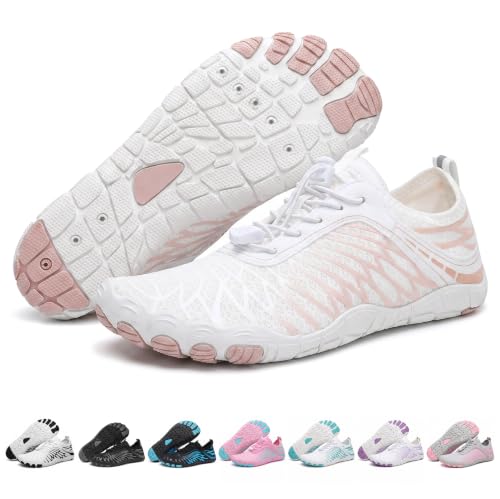
ELETON Barefoot Shoes Wide Toe Box Zero Drop
More Details On Our Top Picks
The Stelle water shoe is the kind of easy, slip-on pair that suits anyone dipping into barefoot-style water footwear for the first time. It targets the classic swim-and-lake crowd, meaning wading into cool lake water, padding across hot sand, and standing on a pool deck without slipping. The flexible upper hugs the foot closely, so it stays on during a steady walk along the shore.
Compared to the sportier Maxome option further down the list, this Stelle pair leans more toward comfort than aggressive grip, which is the trade-off most casual users happily accept. For day-trippers who want a single shoe that handles pool, beach, and lake without a long break-in period, it earns its place.
What Helps Most
- The stretchy upper slips on quickly when you need to move from sand to water in a hurry.
- Lightweight construction means it packs flat into a beach tote without taking up space.
- The sole grips well enough on wet pool decks, a real plus for older swimmers worried about falls.
- Drains and dries faster than standard sneakers, so the car ride home stays drier.
Things To Consider
- The thin sole offers limited protection if you regularly cross rocky lake bottoms.
- Sizing runs a little close for wider feet, so trying on matters if you are between sizes.
Who Will Love This
This is a sensible match for casual swimmers and lake-day regulars who want a fuss-free slip-on more than a technical trail shoe.
Look Elsewhere When
Anyone planning actual river hiking with sharp rocks will get better service from the ELETON option below.
The Zhuanglin quick-dry aqua shoe is built for people who treat water shoes like beachwear: throw them in the bag, walk the boardwalk, rinse them off, repeat. The lightweight mesh upper sheds water fast, and the sole is thin enough to feel natural underfoot while still giving a bit of grip on wet tile.
Where the Stelle pick leans toward lake-day comfort, this pair focuses on speed-of-drying, which makes it useful for travelers who hop between activities in a single afternoon. You may find the cushioning feels minimal compared to a regular sneaker, but that is part of the barefoot-style charm and not a flaw.
The Helpful Details
- Quick-dry mesh construction keeps weight low even after a full swim session.
- The flexible sole lets your toes spread naturally, an underrated comfort detail on long walks.
- Pairs down to almost nothing in a suitcase, ideal for carry-on-only travelers.
- The breathable upper helps prevent that swampy feeling after stepping out of the water.
Room For Improvement
- Less arch support than the other picks, which can matter on full-day outings.
- The thin fabric scuffs more easily than thicker-soled options like the ELETON.
Best Suited To
Beach walkers and casual travelers who want a featherweight shoe that dries between stops.
Skip It When
You need real hiking durability, which is where the ELETON Wide Toe Box Zero Drop earns its keep.
The Maxome water shoe is the most genre-jumping pick on the list, built to handle beach lounging, river crossings, yoga on the sand, and quick sessions on a paddleboard without needing a wardrobe change. Its upper is breathable and forgiving, while the sole carries a bit more structure than the slippier casual pairs.
This is the pair I would point a beginner-to-intermediate user toward if they want one shoe for a mixed summer weekend. It sits between the casual Stelle option and the trail-focused ELETON, absorbing the strengths of both while asking for some compromises in return.
A Few Strong Suits
- The versatile build handles beach, river, and pool use without feeling out of place at any of them.
- Quick-dry fabric means you can switch from a swim to a yoga class without damp feet slowing you down.
- The flexible sole gives barefoot-style ground feel, which regular water shoes often blunt.
- It doubles as a light water-activity shoe for boating or fishing, broadening its real-world value.
Points To Keep In Mind
- It is not as cushioned as a hiking shoe, so all-day trail use will wear your feet down faster.
- Some owners find the toe box roomier than expected, which can cause heel slip on narrow feet.
- It does not offer the rugged sole structure of the ELETON for rocky creek beds.
Feature Snapshot
The Right Fit
Active weekend travelers who split time between swimming, paddle sports, and casual fitness find the most value here.
Another Choice May Suit
Hardcore trail hikers should reach for the ELETON pair instead for its stronger sole and zero-drop structure.
The ELETON hiking water shoe is the most serious pick on this list, leaning into barefoot design language with a wide toe box, a zero-drop platform (meaning the heel and forefoot sit at the same height, no raised heel), and a sole sturdy enough for creek crossings and light trail days. It still drains and dries like a water shoe, but it does not pretend to be a slip-on pool slipper.
That dual identity makes it a smarter fit for people whose weekends include real terrain, rocky shorelines, or longer hikes that happen to start with a river ford. The trade-off versus the lighter pairs above is weight and a slightly stiffer break-in period, which is fair given the extra support you get in return.
Where It Excels
- The wide toe box lets toes splay naturally, a meaningful upgrade for anyone who feels cramped in standard water shoes.
- Zero-drop geometry supports a more natural stride on uneven, rocky ground.
- The reinforced sole handles gravel and wet roots better than the thinner options above.
- It transitions smoothly from water crossings into actual trail mileage without a shoe swap.
Less Ideal Details
- Heavier than the Maxome or Zhuanglin picks, which matters for travel-light packing.
- Stiffer sole feels awkward if you mainly want a pool-and-beach slip-on.
- Drying time is longer because of the denser upper material.
Quick Facts
Made For
Outdoor regulars who want a barefoot feel but still need a real sole for creek beds, slick rock, and uneven trail miles.
Swap It Out When
You mainly want a casual beach slipper, in which case the Stelle pair is lighter and easier on the wallet.
What Matters Most Before Choosing Barefoot Shoes Women
Toe Box Width and Shape
A wide toe box is the heart of the barefoot-style fit. Look for shoes that let your toes splay instead of squeezing them together, especially on longer days. Narrower fits feel snug at first but cause real fatigue by hour three.
Sole Grip and Drainage
Wet rock is the real test. Outsoles with deeper tread pattern and small cutouts drain water quickly and grip slick surfaces better than flat foam. Thicker soles also protect against sharp shells and pebbles on lake beds.
Intended Activity
A pool-day shoe and a creek-crossing shoe are not the same product, even when they look similar. Match the shoe to your real activity: pure water recreation, mixed sport, or actual trail mileage. Picking the wrong tier usually means soggy feet or sore arches.
Fit and Break-In
Water shoes run small or large depending on the maker, and barefoot designs often feel looser than expected. Sizing up for thicker socks or sizing down for narrower feet both have consequences. Trying them on at home with the socks you plan to wear is a small step that saves real discomfort later.
Key Considerations Across These Picks
Pitfalls Shoppers Hit
Treating all water shoes as interchangeable is the most common mistake. A casual pair lacks the sole for rocky crossings, and a hiking pair feels clunky at a pool. Match the shoe to your main activity rather than the broadest use list on the label.
The Upgrade Payoff
Stepping up to a structured barefoot hiking shoe brings a real sole, better toe room, and longer durability. That extra support matters most on uneven or rocky terrain where thinner shoes wear out fast. For pure pool and sand use, the upgrade rarely pays for itself.
Frequently Asked Questions
Are barefoot water shoes safe for rocky lake beds?
Thin casual pairs offer limited protection against sharp shells or rocks. For regular rocky crossings, a structured hiking-style water shoe with a thicker sole and deeper tread is the safer pick.
Do these shoes dry fast enough to wear into a restaurant?
The lightweight mesh and aqua pairs generally dry within an hour of normal air flow. Thicker hiking-style pairs take noticeably longer, so pack a backup pair for transitions off the water.
Can I use them for yoga or gym sessions?
Mesh-style water shoes with flexible soles work well for sand yoga and light mat work. Hiking-grade pairs feel too stiff for studio classes and limit barefoot-style foot movement.
How do I clean barefoot water shoes?
A rinse under a faucet, a light scrub with mild soap, and air drying in shade handles most wear. Avoid direct heat, which can warp the sole and shorten the shoe’s lifespan.
Are zero-drop shoes harder to get used to?
Many walkers notice the flatter heel position in the first few sessions. Starting with shorter outings helps your calves and ankles adjust before tackling full-day adventures.
Wrap Up
The right barefoot water shoe depends on where your feet actually go: pool deck, sandy beach, river crossing, or rocky trail. Match the shoe to your main activity, give the toe box enough room, and you will avoid the soggy, sore-foot feeling that sends most people back to regular sneakers. Any of the four picks above will serve you well if you choose the one built for your real day.