Hours on a concrete floor, hot espresso machines within arm’s reach, and a constant stream of milk, coffee, and water around your feet. I know that grind, and the wrong shoe makes every shift feel longer than it is. The picks below focus on grippy outsoles, cushioned footbeds, easy slip-on access, and materials that handle spills without falling apart. Each one suits a different style of café life, from cozy neighborhood spots to high-volume chains.
The Choices Worth Comparing
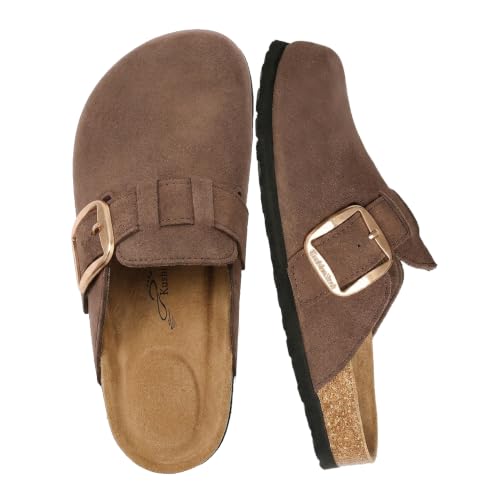
Womens 100% Genuine Leather Clogs Big Buckle Mule

Dr. Martens Unisex Adult Reeder Nylon 5 Eye Shoe

Native Shoes Unisex-Kids Jefferson Print Sneakers

Crocs Unisex-Adult Mellow Clogs, Recovery Shoes

BOGS Mens Classic Mid Boot

Skechers Women’s Emma Slip-on Work Shoes

AVW Womens Non Slip Work Shoes Walking Sneakers Food Service Kitchen Shoes
The Strengths Of Each Pick
A genuine leather mule with a roomy toe box, the Kushionstock clog brings a tidy, café-appropriate look that pairs well with an apron. The big buckle detail gives it a bit of personality without crossing into costume territory, and the slip-on shape means no fumbling when a rush hits the bar.
Unlike the sporty Native or Skechers options later in this list, this one leans polished. Front-of-house baristas who greet regulars by name tend to appreciate that. It’s a reasonable choice when the dress code skews toward clean lines rather than utility.
Why It Works Well
- Genuine leather upper wipes clean after a milk spill and ages into a softer fit over weeks of wear.
- Slip-on mule shape saves seconds on every shift, which adds up across a busy week.
- Big buckle acts as both a design accent and an adjustable fit point for narrower or wider feet.
- Closed-back styling keeps stray espresso pucks and coffee grounds off the footbed better than open slides.
Points To Keep In Mind
- Leather doesn’t breathe as freely as the EVA foam of the Native Jefferson or Crocs Mellow, so warm kitchens can feel sticky by mid-shift.
- The sole isn’t marketed as slip-resistant, so it may fall short on wet dish-room floors where the Skechers Emma or AVW sneaker pulls ahead.
Who It Suits Best
Front-of-house baristas in boutique cafés who want a shoe that looks as considered as their latte art.
Swap It Out When
Wet, greasy floors are part of the daily grind, in which case the Skechers Emma Slip-on Work Shoes offers a more purpose-built grippy outsole.
The Reeder brings Dr. Martens DNA into a lighter nylon package, which is a useful middle ground for cafés where staff want a recognizable silhouette without the weight of a full leather 1460. The 5-eye lace-up holds the foot secure during long pours, and the unisex sizing makes shared staff closets easier to manage.
Where the Kushionstock mule prioritizes a slip-on elegance, this shoe trades that for foot lockdown. Baristas who spend hours jumping between register, espresso machine, and floor station tend to find the snugger fit more reassuring.
Everyday Perks
- Lace-up closure keeps the foot planted through fast-paced rushes, which foam clogs sometimes can’t match.
- Dr. Martens construction has a reputation for outlasting cheaper work shoes by several seasons of café use.
- Nylon upper sheds light splashes and dries faster than full-grain leather.
Small Caveats
- Laces need tying each shift, which slows down compared to a slip-on mule or the Skechers Emma.
- The brand’s iconic sole is durable but not specifically marketed as restaurant-grade slip resistant, so greasy back-of-house areas can still catch it out.
Right Fit For
Baristas who want a recognizable, hard-wearing shoe that lasts through years of service rather than seasons.
Consider Something Else When
Quick on-and-off access matters more than lockdown, in which case the Crocs Mellow Clogs slide on faster.
The Jefferson is famously light, often described as feeling closer to a slipper than a sneaker. Built from EVA foam (a soft, rubber-like plastic that’s light and water-friendly), it shrugs off coffee, milk, and syrup spills that would stain a fabric sneaker, which is half the battle in a busy café.
Compared to the heavier Dr. Martens Reeder, the Jefferson feels airy on the foot. Baristas in hot, humid shops or those who run iced-drink bars through summer often gravitate here. The printed pattern adds a bit of visual flair over the standard solid colorway.
Benefits That Matter
- EVA construction rinses clean under a faucet, so end-of-shift cleanup is basically a non-task.
- Lightweight build reduces the foot fatigue that leather clogs can cause during eight-hour pours.
- Lace-up front still lets you dial in fit, unlike a true slip-on.
Room For Improvement
- EVA foam compresses faster than a rubber sole, so long-term cushioning may fade sooner than denser options like the Skechers Emma.
- The sneaker silhouette isn’t specifically marketed as restaurant slip-resistant, so puddle-prone floors deserve extra caution.
Best Suited To
Café staff working in warm or fast-paced shops where spills happen hourly and easy cleanup matters more than polished looks.
A Better Fit Elsewhere
Formal front-of-house settings where leather reads as more appropriate, in which case the Kushionstock leather mule fits the dress code better.
The Mellow Clogs lean hard into recovery, which sounds indulgent until you remember baristas often log eight to ten hours on tile. LiteRide foam, a softer, more pillowy formulation than standard Croslite, gives the footbed a sink-in feel that takes pressure off the heels and forefoot during long closes.
Side by side with the Kushionstock mule, this is a different priority: function over finish. Back-of-house baristas and those who split time between the bar and the dish pit tend to find the molded footbed a genuine upgrade for tired feet.
What Stands Out
- LiteRide footbed cushions the metatarsals (the bones in the ball of the foot) better than standard Croslite, which matters on hard café floors.
- Molded one-piece upper wipes clean in seconds and tolerates bleach wipes during deep cleans.
- Roomy fit accommodates wider feet or thick orthotic inserts more comfortably than the narrower Dr. Martens Reeder.
Trade Offs
- The recovery-focused cushioning feels less responsive when moving quickly, which can feel sluggish on fast rushes compared to the lighter Native Jefferson.
- Open-back style exposes the heel to stray splash-back from the dish pit.
Who Should Grab It
Baristas logging long hours on tile who treat comfort as a non-negotiable and don’t need a formal front-of-house look.
Look Elsewhere When
Quick, agile movement matters most, in which case the Skechers Emma Slip-on balances cushioning with a sportier, more responsive ride.
The BOGS Classic Mid is a winter-grade workhorse: a neoprene upper (a synthetic rubber often used in wetsuits) rated for cold floors and wet conditions, plus a non-slip outsole built for traction. For baristas working outdoor espresso carts, farmers’ market booths, or café patios through chilly months, that combination is hard to beat.
It looks and feels nothing like the Native Jefferson or Kushionstock mule, and that’s the point. This pick exists for the edge cases: rain, slush, and standing water where a regular sneaker would soak through by the second latte.
A Strong Showing
- Waterproof neoprene bootie construction keeps feet dry on puddle-prone floors and outdoor setups.
- Non-slip rubber outsole grips slick tile better than most casual sneakers.
- Insulation rated to very low temperatures makes it useful for unheated shops or cold storage runs.
Things To Consider
- The mid-height shaft feels bulky behind a low-profile espresso bar and slows the quick on-off rhythm of café shifts.
- Insulation runs warm in heated indoor cafés, so summer months make these less practical than the lighter Crocs Mellow.
Whose Shelf It Belongs On
Mobile baristas, outdoor cart operators, and anyone working through cold, wet months on slick surfaces.
Another Choice May Suit
Year-round indoor café work calls for something lighter and more breathable, in which case the Native Jefferson Print Sneakers handles spills without the bulk.
The Emma leans into work-shoe fundamentals that the casual picks in this list mostly skip. A nylon upper treated with 3M Scotchguard (a water- and stain-repellent coating) shrugs off splashes, while the MaxTRAX tread pattern on the rubber outsole is engineered specifically for greasy, wet floors common in restaurant back-of-house.
Stacked against the Kushionstock mule, this is the practical counterpart: less polished, more purpose-driven. Baristas who split hours between the espresso bar and dish pit tend to favor the dedicated slip-resistance here over a generic outsole.
Notable Upsides
- Slip-resistant rubber outsole uses a patented tread design tested for restaurant environments, which outperforms casual outsoles on wet tile.
- Memory foam footbed (a soft, slow-recovery padding that molds to the foot) relieves pressure points during long standing shifts.
- Slip-on construction saves time compared to the lace-up Dr. Martens Reeder.
Honest Caveats
- Soft toe construction lacks a safety cap, so it falls short in environments with rolling stock or heavy equipment.
- The work-shoe aesthetic reads more utilitarian than the Kushionstock mule or Native Jefferson if the café has a fashion-forward dress code.
Who Will Love This
Baristas working in high-volume cafés with slick kitchen floors who prioritize certified slip resistance over style.
Not Your Match When
Front-of-house polish matters as much as grip, in which case the Kushionstock leather mule gives a cleaner silhouette.
The AVW closes out the list as a no-fuss work sneaker built for food-service environments. The non-slip outsole targets the same slick-tile problem as the Skechers Emma, and the slip-on shape makes it a strong match for staff who bounce between stations without wanting to retie laces mid-rush.
Compared to the bulkier BOGS Classic Mid, this is a much friendlier indoor shoe. Cafés that lean practical over polished tend to keep a pair like this on hand for new hires and rotating staff.
The Helpful Details
- Non-slip outsole handles milk splashes and dish-pit splash-back with confidence.
- Slip-on silhouette beats lace-up shoes for shift changes and breaks.
- Lightweight walking-shoe construction keeps feet cooler than insulated boots.
- Neutral sneaker look pairs with both branded aprons and casual café uniforms.
A Few Limitations
- Walking-shoe cushioning is thinner than the memory foam Skechers Emma, so all-day standing may feel firmer underfoot.
- Lacks the recognized branding and long-term reputation of established names like Dr. Martens or Crocs.
Perfect Match For
Café and bakery staff who need a reliable, slip-resistant everyday sneaker without specialized features.
Where Another Pick Shines
Premium cushioning is the priority, in which case the Skechers Women’s Emma Slip-on layers memory foam on top of similar slip-resistant technology.
What Matters Most Before Choosing Barista Shoes
Slip Resistance Over Everything Else
The single biggest variable in café safety is the floor condition. Wet tile from mopping, milk spills behind the bar, and dish-pit splash-back turn ordinary sneakers into hazards within an hour. Outsoles specifically labeled for restaurant or food-service use, like the Skechers Emma or the AVW sneaker, are engineered with tread patterns that channel liquid away from the contact patch. A generic sneaker may look similar but grip very differently once soaked. For most baristas, slip resistance is the line between a confident shift and a costly slip.
Cushioning And Footbed Density
Standing on hard tile compresses the metatarsals and arches over a full shift. Memory foam and LiteRide-style foams mold to the foot and spread pressure across a wider surface, while thin EVA flattens out faster. Back-of-house baristas logging eight to ten hours tend to feel the difference by the second week. Trying a shoe on at the end of a long day tells you more than trying it on fresh in the morning.
Material And Cleanup
Coffee, milk, syrup, and oat milk alternatives all stain fabric uppers quickly. Smooth leather, treated nylon, and EVA foam wipe clean with a damp cloth or rinse under a faucet. Canvas and untreated mesh absorb spills and tend to hold odors over months of use. Choosing a wipeable material saves time on closing duties and extends the shoe’s presentable life.
Match The Shoe To The Job
Front-of-house baristas in boutique cafés often prioritize a clean silhouette like the Kushionstock mule. High-volume shops with wet floors benefit more from the Skechers Emma or AVW sneaker. Outdoor cart operators in cold climates need the waterproof insulation of the BOGS Classic Mid. Picking a shoe that fits the actual environment, rather than the most generic option, keeps both feet and coworkers safer through every shift.
Key Considerations Across These Picks
Common Shopping Slip Ups
The biggest mistake I see is choosing a shoe based on looks alone. A sleek leather mule looks great on day one and feels treacherous on a wet dish-room floor by month three. Another trap is ignoring half-size differences between brands: the Skechers Emma and the Dr. Martens Reeder fit very differently even at the same labeled size. Ordering from a seller with a simple return window makes a meaningful difference when dialing in fit across brands.
Where The Extra Money Goes
Higher-priced options like the Crocs Mellow Clogs and Skechers Emma aren’t charging more for branding. The extra cost typically funds denser footbed foams, certified slip-resistant outsoles tested against restaurant-industry standards, and treated uppers that resist stains longer. For baristas logging serious hours on their feet, the upgrade pays back in fewer replacements and less foot pain over a year of shifts. For occasional or part-time use, the budget-friendly Native Jefferson covers the basics without overspending.