Finding the right baseball shoes shapes how a player moves, plants, and pivots across nine innings. Whether shopping for a youth leaguer starting his first season or a high school shortstop chasing varsity reps, the wrong fit drags down confidence fast. I’ve put together ten options covering metal cleats, molded rubber, turf trainers, and lifestyle-leaning pairs that pull double duty off the field.
Your Options, Compared

New Balance 3000 V4 Metal Baseball Shoe

Under Armour Boys’ Leadoff Icon Low RM JR Cleats
Lacoste Men’s Elite Active Sneakers

Under Armour Harper 10 Baseball Cleats

New Balance 480 V1 Sneakers

Skechers Go Walk Arch Fit 2.0 Grand Select

Nike Force Trout 9 Pro MCS Baseball Cleats
ASICS Gel-Nimbus 28 Running Shoes

DC Mens Court Graffik

ASICS Gel-Resolution X Tennis Shoes
The Picks, Examined More Closely
The New Balance 3000 V4 is a metal-cleat baseball shoe built for travel-ball dirt and groomed high school fields. Compared to the casual-leaning Lacoste Elite Active that shows up later in this list, this one is purpose-built for nine innings of lateral cuts and base-path bursts.
Players logging long tournaments in warm weather benefit most from a metal-spike outsole that bites into dry clay. Center fielders and corner infielders chasing clean reads on hard hops will appreciate the locked-in midfoot hold during cross-body exchanges.
Well-Handled Touches
- Metal spikes grip dry dirt where molded rubber would skid
- Reinforced toe box handles drag bunts and toe-first slides
- Structured heel counter keeps the foot planted on hard cuts
- Perforated tongue panels help hot-foot situations in July
Things To Consider
- Metal spikes are often banned on youth and turf fields, so plan a backup
- Break-in runs longer than a molded rubber cleat, with stiffness around the midfoot
Key Specs
Right Fit For
Travel-ball players and varsity starters who play primarily on groomed dirt infields and want aggressive traction.
Where Another Pick Suits Better
The Under Armour Harper 10 makes more sense for athletes who split time across grass, turf, and dirt and want a single shoe for all surfaces.
The Under Armour Leadoff Icon Low RM JR is a youth-sized molded cleat designed for the youngest players in the dugout. Where the metal-spiked New Balance 3000 V4 targets serious travel-ball rosters, this one is built around comfort and easy entry for first-year athletes.
Little leaguers and coach-pitch players benefit from a soft padded collar that doesn’t dig into the ankle during long games. Parents hauling gear to Saturday doubleheaders will appreciate how quickly a young player can slip these on between innings.
What Earns Its Place
- Molded rubber outsole handles youth-field surfaces without spike restrictions
- Padded collar cushions the ankle for players still building calluses
Room For Improvement
- Sizing tops out in youth ranges, so older middle-schoolers will outgrow it fast
- Synthetic upper scuffs visibly after a season of sliding practice
- Outsole tread wears faster than premium molded options
Who It Suits Best
Little-league and coach-pitch players just starting out who need a forgiving, easy-on cleat.
Look Elsewhere When
The Nike Force Trout 9 Pro MCS is the better call for varsity athletes and showcase-circuit players who need pro-level structure.
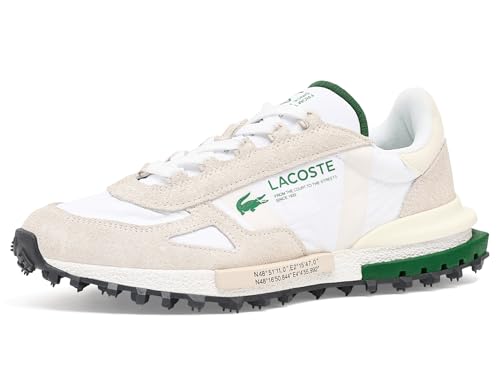
The Lacoste Elite Active is a fashion sneaker rooted in 70s running culture, not a true baseball cleat. It earns a spot here because many players rotate a lifestyle pair between games, on school days, and around the dugout, and this one handles that off-field role with vintage nylon and suede personality.
Players who spend half their day off the diamond and want one shoe that reads as casual will appreciate the textile lining and suede overlays. Coaches and parents looking for a clean postgame shoe for travel weekends may find this one lands well with everyday wardrobes.
Where It Helps
- Vintage nylon upper breathes well through long school days
- Suede overlays add structure around high-wear zones
- Molded EVA midsole cushions long walking stretches
- Rubber outsole grips gym floors and pavement
Honest Caveats
- Not designed for diamond traction, so leave it in the locker on game days
- Suede panels need occasional brushing to keep their texture clean
Best Suited To
Style-first shoppers who want a casual rotation piece between practices and games.
Consider Something Else When
The New Balance 3000 V4 is the smarter pick when game-day traction is the actual priority.
The Under Armour Harper 10 is a molded baseball cleat built for high school and travel-ball athletes who play across mixed surfaces. Where the New Balance 3000 V4 commits hard to metal spikes, this one trades a touch of bite for surface versatility.
Players rotating between grass outfields and turf practice facilities will appreciate a rubber molded outsole that clears typical league restrictions. Outfielders running down line drives in foul territory get reliable traction without spike-related field bans.
What Stands Out
- Synthetic upper keeps the weight down through doubleheaders
- EVA midsole absorbs impact when the game stretches into extras
- Molded rubber outsole works on dirt, grass, and turf
- Lightweight build reduces leg fatigue on tournament weekends
Points To Note
- Molded rubber bites less on hard, dry infields than metal
- Synthetic panels can trap heat in summer tournaments
Key Specs
Made For
High school and travel-ball players who need one cleat that travels between dirt, grass, and turf without restriction issues.
Not Your Match When
The Nike Force Trout 9 Pro MCS suits showcase athletes chasing elite-tier structure over multi-surface versatility.
The New Balance 480 V1 is a skate-inspired casual sneaker with a leather upper and Ortholite insole. Like the Lacoste Elite Active, it is not a true baseball cleat, but it handles the lifestyle rotation that serious players need for school, recovery, and casual wear.
Players who prefer a clean, retro silhouette over chunky athletic styling will appreciate the leather build and simple lines. Anyone spending long days on their feet between games benefits from the underfoot comfort the Ortholite insert delivers.
Bright Spots
- Leather upper holds shape better than synthetic casuals
- Ortholite insert cushions all-day wear
- Skate-shoe construction handles skatepark detours
- Retro profile pairs easily with off-field outfits
Trade Offs
- Not built for diamond use, so a separate cleat is still required
- Leather needs conditioning to avoid creasing over time
Who Will Love This
Players wanting a leather casual option for school and recovery days who already own a dedicated cleat for games.
A Better Fit Elsewhere
The Lacoste Elite Active is the stronger choice for shoppers chasing vintage-runner texture rather than skate heritage.
The Skechers Go Walk Arch Fit 2.0 is a slip-on comfort sneaker built around structured arch support. Like the New Balance 480 V1, it is not a cleat, but it earns its place here as a recovery and travel shoe that baseball players reach for between outings.
Athletes dealing with arch fatigue from long seasons will appreciate the podiatrist-certified support this shoe is engineered around. Travel-ball families logging highway miles between tournaments benefit from a slip-on design that handles rest-stop exits quickly.
Real Benefits
- Built-in arch support eases foot fatigue after full games
- Slip-on construction speeds up dugout and travel transitions
- Stretch bungee lacing adapts to swelling feet on hot days
- Dual-density outsole grips hotel floors and parking lots
Small Caveats
- Knit upper can snag on dugout fencing and bag zippers
- Not a substitute for actual cleats on game days
Key Specs
Perfect Match For
Players managing arch fatigue who need a comfortable rotation shoe for travel, school, and recovery days.
Reach For A Different Pick When
The ASICS Gel-Nimbus 28 makes more sense for athletes wanting max-cushioned mileage during conditioning runs.
The Nike Force Trout 9 Pro MCS is a low-top molded cleat built for the showcase and varsity crowd. Where the Under Armour Harper 10 aims at all-surface versatility, this one commits to a low-cut, pro-style profile that mirrors Mike Trout’s rookie preference.
Showcase athletes and varsity starters chasing a faster ankle turnover benefit from the low-top cut that frees up range of motion. Corner outfielders and middle infielders reading the ball off the bat get a lighter stride feel than mid-cut alternatives.
Reasons It Performs
- Low-top silhouette mimics a pro-style feel for serious players
- Revamped midsole absorbs landing impact on hard infields
- New upper design sheds weight compared to the previous generation
- Molded outsole clears standard high school and showcase restrictions
Where It Is Less Suited
- Low-top offers less ankle support than mid-cut travel cleats
- Pro-tier sizing runs narrow, so wide-foot players may need to size up
Key Specs
Who Should Grab It
Varsity and showcase-circuit players who want a pro-inspired low-top feel and play on fields that allow molded cleats.
Swap It Out When
The Under Armour Harper 10 is the smarter call for athletes wanting a slightly taller, more forgiving profile for travel-ball weekends.
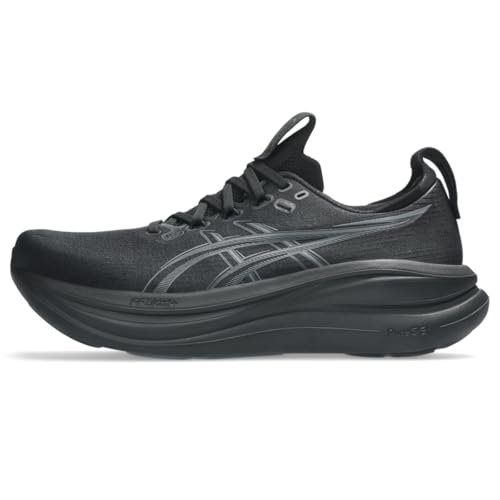
The ASICS Gel-Nimbus 28 is a max-cushioned road running shoe that handles the conditioning work baseball players log between games. Like the Skechers Go Walk Arch Fit, it is not a baseball cleat, but it serves a real role in a player’s rotation by absorbing the mileage that wears down legs.
Athletes running pole-to-pole conditioning drills or building aerobic base in the off-season benefit from the plush cushioning this model is known for. Catchers and middle infielders logging extra footwork outside of games get reliable joint relief from long sessions.
Everyday Advantages
- Plush cushioning softens high-mileage training sessions
- Neutral support works for a wide range of foot types
- Breathable engineered mesh keeps feet cool on summer runs
Things To Weigh
- Road running profile delivers no diamond traction, so it stays off the field
- Stack height feels bulky to players used to low-profile cleats
Built With In Mind
Players logging off-season conditioning miles who want max-cushioned protection during aerobic base work.
Where A Sibling Pick Shines
The Skechers Go Walk Arch Fit 2.0 is the better rotation shoe for athletes prioritizing arch support on casual days.
The DC Court Graffik is a long-running skate shoe with a pillowy cushioned tongue and durable construction. It earns a spot here for players who want skate DNA in their casual rotation, much like the New Balance 480 V1 and Lacoste Elite Active also serve off-field roles.
Players who hit the skatepark between games or want a shoe that handles curb tricks and casual wear will appreciate the padded panels and grippy outsole. Families shopping for a versatile casual shoe that survives rough use benefit from its skate-tested build.
A Strong Showing
- Cushioned tongue protects against lace-bite pressure
- Skate-tested outsole grips boards and pavement
- Durable upper handles daily wear beyond the diamond
- Long-running silhouette has stayed relevant for years
Worth Noting
- Suiter and vulcanized sole feels flat compared to modern athletic casuals
- Not designed for cleat traction, so a separate shoe stays in the bag
Whose Shelf It Belongs On
Skatepark regulars and casual wearers who want a proven silhouette that handles rough everyday use.
Another Choice May Suit
The New Balance 480 V1 is a stronger casual pick for shoppers wanting a leather upper instead of suede.
The ASICS Gel-Resolution X is a tennis shoe engineered for sharp lateral movement and locked-in support. It rounds out this list as a strong option for indoor cage work, hitting drills, and batting practice where lateral traction matters more than spike bite.
Hitters logging long cage sessions on hard flooring benefit from the stability this shoe is engineered around. Coaches running indoor clinics will appreciate how the DYNALACING system holds the foot during repetitive lateral cuts without the on-court slide of a tennis-specific shoe.
Positive Takeaways
- DYNALACING system locks the midfoot during hard cuts
- Two-piece midsole design improves stability on landing
- Durable outsole handles abrasive indoor court surfaces
Potential Drawbacks
- Tennis platform delivers no field traction, so outdoor play still needs a separate cleat
- Stiffer build takes a few sessions to soften up
- Higher stack can feel clunky to players used to low-cut cleats
Who Should Grab It
Players running indoor cage sessions or batting-practice routines who want court-grade lateral stability under foot.
Skip It When
The Skechers Go Walk Arch Fit 2.0 fits better for athletes who need arch-friendly comfort on casual recovery days.
What Matters Most Before Choosing Baseball Shoes
Cleat Type and Field Rules
Metal spikes deliver aggressive traction on dry dirt, but most youth leagues and many high school programs ban them. Molded rubber cleats are the safer everyday default for players who rotate across multiple surfaces. Check league rules before committing to metal.
Fit, Width, and Break-In
A baseball-specific last hugs the heel and locks the midfoot, so half-size up if you fall between lengths. Wide-foot players should test for toe splay before buying, since narrow lasts cause blisters on the inside edge of the foot. Break-in typically runs one to two weeks of practice wear.
Position-Specific Demands
Catchers and middle infielders benefit from low-cut cleats that free up ankle turnover. Corner infielders chasing hard grounders may prefer mid-cut stability. Outfielders running long distances benefit from lighter builds that reduce leg fatigue over nine innings.
Rotation Shoes Beyond the Diamond
Serious players log miles off the field, too, in running shoes, recovery casuals, and travel slip-ons. A rotation that includes a max-cushioned trainer, a comfort slip-on, and a leather casual covers conditioning days, school days, and recovery without wearing out the cleat.
Key Considerations Across These Picks
Where Shoppers Go Wrong
Picking by brand alone leads to overpaying for features a player never uses. Athletes chasing varsity reps rarely need the same build as little-league starters, and a youth cleat will not hold up to showcase-level play. Match the shoe to the league, the field surface, and the position rather than the logo on the box.
The Upgrade Payoff
Premium cleats like the Nike Force Trout 9 Pro MCS earn their tier with lighter uppers, refined midsoles, and pro-level lasts that improve comfort over long tournaments. The upgrade pays off most for players logging showcase weekends and varsity seasons where small comfort gains compound across innings. Casual rotation shoes are where budget shoppers save without losing function.