Hunting for a solid pair of basketball shoes without draining the wallet? I get it, the right pair has to handle quick cuts, hard stops, and hours on a pickup court, all while keeping your feet and joints happy. The good news is that plenty of capable options sit well under the 150 mark, whether you’re shopping for a growing kid, a teen who plays weekend leagues, or an adult who needs honest cushioning. I rounded up ten picks that cover shoes, sneakers, and supportive insoles so you can mix and match to fit your game and your budget.
The Picks In Brief

Under Armour Kids’ Pre School Lockdown 7

Lockdown 6 by Under Armour
Under Armour Grade School Jet ’23

RIGORER Battle2 Zero-Drop Basketball Shoes
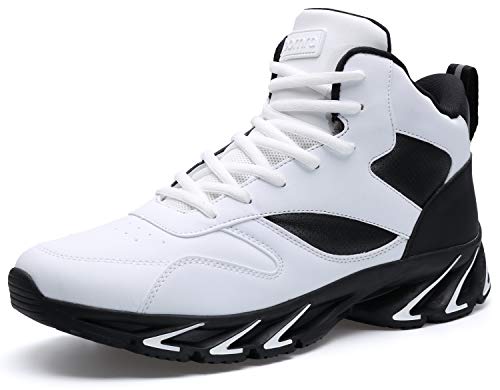
Joomra Men’s High Top Athletic Sneakers

GED Court Sports Insoles

GED Carbon Fiber Insoles High Arch

GED Work Comfort Insoles

GED Golf Shoe Insoles

GED Basketball Shoe Insoles
A Closer Look At Each Pick
The Under Armour Kids’ Pre School Lockdown 7 is the smallest, simplest entry on this list, and that is exactly its job. It is built for kids who are still figuring out which shoe goes on which foot, and parents who want something sturdier than a generic sneaker without paying adult prices. I think of it as the gateway hoop shoe, sturdy enough for an early dribble session, light enough that a three-year-old will not kick them off mid-game.
Compared to the Lockdown 6 that follows, this one is pared down for tiny feet, so the focus is on basic lockdown and all-day wear. If your child is still growing fast, you may find a season of heavy use is about all you will get, and that is normal for preschool sizing. The honest read is that for first-time players and casual gym class days, this hits the mark.
What Works In Its Favor
- Sized and shaped for preschool feet, which means fewer blisters and a snugger fit than adult shoes cut down.
- Brand recognition at a wallet-friendly price, so parents can outfit a growing kid without stress.
- Low-top profile makes it easy to slip on and off, a real-world win for parents wrangling little ones at the gym door.
- Versatile enough for the court, the playground, and everyday wear, so it earns its keep beyond one sport.
Points To Note
- Little to no arch support, so kids with flat feet or known alignment issues may need a separate insole solution.
- Likely outgrown within a few months, especially during growth spurts, which is worth planning around.
- Not designed for serious competitive play, so heavier use may wear the sole down faster than older kids’ shoes.
Built With In Mind
Preschool-aged kids just starting out in casual or recreational play, and parents who want a budget-friendly first hoop shoe.
Skip It When
Your child is in third grade or above and plays organized basketball, where the Under Armour Grade School Jet ’23 will outlast and out-perform this smaller version.
The Lockdown 6 by Under Armour steps the build up from the preschool model with a more grown-up construction. The upper pairs durable leather with mesh panels, which gives the shoe a sturdier feel on hard cuts while still letting some air through. Underneath, an EVA midsole, basically a light foam layer that absorbs impact, sits above a solid rubber outsole with a herringbone traction pattern, those zig-zag grooves you see on basketball soles, for grip on the court.
For youth players who have moved past the tiny-shoe stage, this Lockdown 6 is a sensible middle ground. It is more structured than a generic sneaker, but not as performance-focused as the Jet ’23 that comes next on the list. Depending on the color and size you need, availability can be spotty, so I would lock in a pair when the right size is in stock.
Practical Advantages
- Leather-and-mesh upper balances durability with breathability, so feet stay cooler during longer scrimmages.
- Herringbone outsole grips indoor wood well, giving young players real control when changing direction.
- Standard lace closure, no fuss, so kids can tighten and go without help.
Trade-Offs To Consider
- A mid-tier cushioning setup that does not stand out for impact absorption during frequent jump-heavy sessions.
- Stock tends to be inconsistent across sizes and colorways.
Right Fit For
Rec-league and middle-school players who want a structured shoe without jumping to flagship performance prices.
Look Elsewhere When
Your player is heavier or runs explosive sets on the court, since the Under Armour Grade School Jet ’23 has a more responsive Micro G midsole for harder landings.
The Under Armour Grade School Jet ’23 is the most performance-tuned kids’ shoe in this lineup. It pairs a mixed-material upper, foam sockliner, and Under Armour’s Micro G midsole, a thin, springy foam layer that turns landings into quick push-offs. At 9.6 ounces it is light on the foot, and the rubber outsole uses an anatomical traction pattern shaped to follow how the foot actually bends, rather than a generic grid.
Where the Lockdown 6 leans on leather for structure, the Jet ’23 leans on foam and traction for speed. The trade-off shows up in long-term durability, since lighter midsoles tend to pack out faster under heavy use. For a fast kid in school leagues or travel ball, the responsiveness is the headline feature, and it tends to feel noticeably quicker than the Lockdown 6 in drills.
Useful Touches
- Micro G midsole adds bounce to every step, which is a real ownership win for kids who love to run the fast break.
- Anatomical traction flexes naturally with the foot, so cuts feel less forced on indoor courts.
- Sub-10-ounce build reduces leg fatigue during back-to-back games.
Where It Is Less Suited
- The lighter cushion can pack out sooner for heavier players or daily outdoor play on rough asphalt.
- Less leather reinforcement than the Lockdown 6, so high-abrasion toe draggers may wear through faster.
Who Should Grab It
Grade-school athletes in school or travel leagues who want a responsive, light shoe for indoor play.
A Better Fit Elsewhere
Casual gym-class users would be better served by the Lockdown 6, which has a more forgiving leather build for everyday wear.
The RIGORER Battle2 brings a different design philosophy to this list. Instead of a tall heel like most basketball shoes, it uses a zero-drop platform, meaning the heel and forefoot sit at the same height (18.5mm), which encourages a flatter foot strike. The translucent EVA midsole, EVA being a common lightweight foam used in athletic shoes, has a claimed rebound over 60 percent, and a nylon shank plus reinforced toe help with rigidity where it counts.
For adults who feel traditional basketball shoes pitch their weight too far forward, this is an interesting pivot. You may find the lower heel takes some adjustment if you are used to classic hoops shoes, and the toe reinforcement is a nice touch for players who drag their foot on hard stops. It is a niche but smart pick for hoopers prioritizing joint comfort over plush cushioning.
The Case For It
- Zero-drop geometry, where heel and forefoot share the same stack height, can ease stress on knees and ankles during long sessions.
- Reinforced toe holds up to drag-step wear, a real-world ownership benefit for aggressive movers.
- Nylon shank adds torsional rigidity, so the shoe resists twisting on awkward landings.
Potential Drawbacks
- The flat platform feels unfamiliar at first, and players used to heel-elevated shoes may need a few outings to adapt.
- Less plush underfoot than a foam-heavy midsole, so high-impact players might want to add a dedicated insole like the GED Basketball Shoe Insoles later in this list.
Whose Shelf It Belongs On
Adults with knee or ankle sensitivity who want a court shoe that prioritizes a flatter, more natural foot position.
Consider Something Else When
You want a tall-heel, plush-cushion feel more in line with mainstream basketball shoes, where the Joomra High Top Sneakers offer a more traditional silhouette.
The Joomra Men’s High Top Sneakers lean more toward style and street-friendly versatility than hardcore basketball performance. The high-top collar gives the classic basketball silhouette that pairs naturally with jeans, joggers, or gym shorts, and the athletic-inspired build feels sturdier than a basic fashion sneaker.
Where the RIGORER Battle2 is engineered around foot mechanics, the Joomra leans into everyday wearability at a low price. I would not recommend these as a primary shoe for competitive leagues, since traction and cushioning are more about casual use, but as a beater pair for driveway hoops, gym class, and weekend hangouts, they hold their own. The honest read is that these are a style-first, basketball-friendly option, not a true performance sneaker.
A Few Highlights
- High-top design gives ankle coverage that looks right with casual outfits and feels supportive for light play.
- Among the lowest-priced shoes in this roundup, which makes owning a second pair easy.
- Versatile enough for court, street, and errands without feeling out of place.
Worth Noting
- Not engineered for the lateral demands of competitive basketball, so heavy cuts may expose weak spots in the sole quickly.
- Less brand-name cachet than Under Armour, so resale or hand-me-down appeal is lower.
Best Suited To
Style-driven shoppers who want a basketball-shoe look for casual wear, light gym sessions, and street style.
Reach For A Different Pick When
You play in a real league and need traction and cushion built for repeated hard cuts, where the Under Armour Grade School Jet ’23 is the better performance choice for similar money.
The GED Court Sports Insoles are the first of several GED inserts on this list, and they are aimed at players who jump between court sports rather than living in just one. The design focuses on lateral support, the side-to-side stability that matters in pickleball, tennis, and badminton, with a raised pad on the outer forefoot to help you feel planted on hard push-offs.
For basketball players, these slots into a shoe like the Joomra or even the RIGORER to add the side-to-side stability that entry-level shoes sometimes lack. Sizing runs from L (Men’s US 9 to 11.5, Women’s US 10 to 12.5) to XL (Men’s US 12 to 14.5), so you want to double-check the chart before pulling the trigger. Depending on the shoe you pair them with, you may need to remove the stock insole to keep the fit honest.
What Helps Most
- Raised outer-forefoot pad supports lateral push-offs, a useful real-world benefit for court players who change direction often.
- Cross-sport utility means one insole works for pickleball, tennis, and casual basketball sessions.
- Slot in easily to replace the stock insole of most basketball shoes without forcing a tight fit.
A Few Limitations
- Not basketball-specific, so the cushioning profile is more about stability than high-impact landings.
- Limited size range, with no options outside the L and XL brackets in the listed data.
Key Product Details
Made For
Multi-sport court athletes who want one insole to handle pickleball, tennis, and the occasional basketball session.
Where Another Pick Suits Better
Dedicated basketball players get more from the GED Basketball Shoe Insoles, which are tuned for jumping and cutting rather than racquet-sport footwork.
The GED Carbon Fiber Insoles are the most rigid option in this roundup, built around a carbon fiber arch plate that holds its shape under load. Where most foam insoles collapse through the arch over time, a carbon plate stays firm, which is exactly what bigger players and people with high arches often need. The listing specifically rates them for athletes 220 pounds and up.
That rigidity is a feature and a caveat. It keeps your foot aligned through long pickup runs and loaded landings, but it can feel stiff if you prefer plush cushioning. For taller or heavier hoopers, this is a meaningful upgrade over the Court Sports Insoles reviewed above, since the carbon plate spreads load more evenly across the foot.
Advantages To Know
- Carbon fiber plate resists compression, so the arch support does not pack out like foam insoles do.
- High-arch contour keeps the foot aligned during long sessions, which can reduce midfoot fatigue.
- Stiff feel is a real adjustment for anyone used to squishy foam, so you may need a week of wear to settle in.
- Less cushioning than a foam-heavy insole, so for recovery days, the GED Work Comfort Insoles are softer on the feet.
- Dual-layer cushioning softens every step, which is a real-world ownership win for long shifts or post-game recovery.
- Deep heel cup keeps the foot stable, useful for people who feel their ankles roll inward by the end of the day.
- Neutral-arch shaping fits most feet without guessing.
- Less support under heavy load than the carbon fiber version, so heavier athletes may want the rigid plate for game days.
- Not a high-impact insole, so you may want a basketball-specific option for hard court landings.
- Shock-absorbing heel softens step-in impact, useful for long walks and outdoor play.
- Medium arch support with a deep heel cup keeps foot alignment steady across hours of wear.
- Translates well from golf to casual outdoor basketball or trail walking.
- Not tuned for the lateral demands of competitive basketball, so fast side-to-side play may expose weaker support.
- Size options in the source data focus on the women’s US 7 to 10.5 bracket, so shoppers outside that range should check availability.
- H-type arch structure keeps the foot aligned during cuts and jumps, the exact moves basketball rewards.
- Lighter build avoids crowding the toebox, so it drops into most shoes without forcing a tight fit.
- Responsive enough for game days, not just casual wear.
- Medium arch profile is not ideal for high-arch players, who would be better served by the GED Carbon Fiber Insoles.
- Lighter construction can compress faster under very heavy players compared to the carbon plate option.
Smaller Caveats
Who It Suits Best
Heavier hoopers, 220 pounds and up, and players with high arches who need a plate that does not collapse under load.
Swap It Out When
You mostly want soft comfort for long days on your feet, where the GED Work Comfort Insoles deliver a more forgiving feel.
The GED Work Comfort Insoles are a different mood from the carbon fiber plate. Instead of rigid support, they use a dual-layer build: a softer top layer over a thicker, resilient base. The medium arch and deep heel cup are shaped to follow a neutral arch, which is the most common foot type, so most people will not need to special-order a different shape.
These are not basketball-first insoles, but they slot nicely into the recovery side of a hooper’s life, think gym bag shoes, post-game errands, or office days after a tough practice. The trade-off versus the carbon fiber model is that under maximum load they will compress more, so they are better for lighter wear and standing-all-day use. For a budget-friendly, no-fuss comfort insert, they hit a sweet spot.
Good Reasons To Consider
Possible Compromises
Perfect Match For
On-your-feet workers, parents chasing kids, and hoopers who want a comfort insole for non-game days.
Not Your Match When
You need a high-arch plate that holds shape under 220-plus pounds, where the GED Carbon Fiber Insoles outperform foam for that profile.
The GED Golf Shoe Insoles round out the GED lineup with a focus on walking and shock absorption, which makes them surprisingly useful for the casual basketball player. The medium arch and shock-absorbing heel work together to soften the repeated impact of long walks on the course, and that same design translates well to outdoor pickup games on rough asphalt.
These are not the insoles you grab for a competitive indoor game, since the heel is built for gradual impact rather than explosive jumps, but for casual outdoor hoops or a long day at the park, they earn a place in the rotation. Compared to the Court Sports Insoles reviewed earlier, this one prioritizes vertical cushioning over lateral stability, so the use case is different.
Strong Points
What To Weigh
Who Will Love This
Casual outdoor ballers and walkers who want all-day shock absorption in a shoe they already own.
Where A Sibling Pick Shines
Gym-only basketball players get more lateral support from the GED Court Sports Insoles, which are designed for side-to-side movement specifically.
The GED Basketball Shoe Insoles close out the list as the most basketball-specific of all the GED inserts. The H-type support structure, named for the shape of its arch bridge, gives medium arch support aimed at neutral to medium arches, and the build is about 8.6 percent lighter than comparable insoles, so it stays responsive without feeling bulky inside a shoe.
This is the insert I would reach for if a budget basketball shoe like the Joomra or even a worn pair of Lockdowns needs a second life. It breathes well, supports the cuts and jumps that basketball demands, and pairs naturally with the other picks in this list. The honest read is that adding a purpose-built insole can change how a budget shoe feels, and this is the most basketball-focused way to do it under the 150 mark.
Practical Pluses
Less-Strong Areas
Who It Suits Best
Adult ballers with neutral to medium arches who want to upgrade the feel of an entry-level basketball shoe without buying a new pair.
Another Choice May Suit
Heavier players or anyone with high arches should check the GED Carbon Fiber Insoles, which deliver firmer support for that foot shape.
Picking The Right Pair Without Overspending
Cushioning Is Where You Feel The Difference
Midsole foam is the single biggest variable in how a basketball shoe feels underfoot. EVA, the foam used in the Lockdown 6, is light and forgiving, which is great for casual play. Micro G, used in the Under Armour Jet ’23, is springier and rewards faster players. A zero-drop platform like the RIGORER Battle2 trades plush cushion for a flatter, more natural foot position. Pick based on the kind of movement you make most, not on marketing copy.
Traction Pattern And Court Surface Go Hand In Hand
Indoor wood courts reward herringbone or anatomical patterns, like those on the Lockdown 6 and Jet ’23, because the grooves bite clean gym floors. Outdoor asphalt wears down softer rubber faster, so heavier outdoor players may want to save nicer shoes for indoor use and rotate a tougher pair outside. Lifestyle sneakers like the Joomra work for casual play but are not designed for repeated hard cuts.
Fit, Sizing, And The Insole Question
Kids’ feet grow fast, and the source data is honest about that, so plan to size up only modestly and accept that preschool pairs may last a single season. For adults, a quality insole can transform a budget shoe. The GED Basketball Shoe Insoles are the most basketball-specific swap, while the Carbon Fiber and Work Comfort options target arch shape and all-day cushioning respectively.
Match The Shoe To The Player, Not The Hype
A preschooler in gym class does not need a carbon plate or a $150 flagship. A 200-pound adult in a rec league probably wants the GED Carbon Fiber Insoles inside a sturdy basketball shoe. The right pick is the one that matches the player, the court, and the budget, not the most expensive model on the page.
What These Picks Reveal About The Category
Pitfalls Shoppers Hit
The most common mistake is buying by brand alone. Under Armour, RIGORER, Joomra, and GED all have strong entries here, but each shines in a different lane. A second trap is ignoring the insole, since swapping a stock foam insert for a basketball-specific one like the GED Basketball Insoles can change how a budget shoe performs more than upgrading the shoe itself. Finally, shoppers sometimes size down for a snug fit, only to deal with blisters and black toenails by midseason.
Where The Extra Money Goes
A flagship basketball shoe typically costs more because of advanced midsole foams, premium leather, and signature traction systems. Under the 150 mark, you trade some of that for simpler materials, but you can recover much of the feel with a smart insole choice. Paying more makes sense if you play four or more times a week, need ankle support for injury recovery, or want a specific brand fit. For a once-a-week pickup game or a growing kid, a budget shoe plus a GED insole delivers a lot of value without the spend.
Frequently Asked Questions
Do Budget Basketball Shoes Hold Up On Outdoor Courts?
Yes, though outdoor asphalt wears soles faster than indoor wood. Rotating between an outdoor pair and an indoor pair extends the life of both. For heavy outdoor use, look for a solid rubber outsole and consider replacing the insole with the GED Basketball Insoles for added cushioning over time.
What Is Zero-Drop In A Basketball Shoe?
Zero-drop means the heel and forefoot sit at the same height, 18.5mm in the RIGORER Battle2, which encourages a flatter foot strike. The trade-off is less heel cushioning, so it suits players who want joint-friendly mechanics more than plush landings.
When Does An Insole Matter More Than The Shoe?
An insole matters more when the shoe itself is structurally fine but lacks arch support, cushioning, or both. The GED Basketball Insoles, Carbon Fiber Insoles, and Work Comfort Insoles each address a different problem, so the right one depends on your foot type and the demands of your day.
Are High-Top Sneakers Better For Ankle Support?
High-tops give more ankle coverage, which can feel more secure for some players, especially after an injury. They are not a guarantee against sprains, since most ankle injuries happen during landing, not rolling. If you want a high-top at a budget price, the Joomra Men’s High Top Sneakers fill that niche, though they are not built for competitive play.
How Often Should I Replace Basketball Insoles?
Most foam insoles start to pack out between six and twelve months of regular use. A carbon fiber plate like the GED Carbon Fiber Insoles lasts longer because the plate does not compress, but the foam topper still wears. Replace when you notice new foot fatigue, knee soreness, or visible creasing in the foam layer.
Wrap Up
The right basketball shoe under 150 depends on who is wearing it and where they play. Kids’ options like the Under Armour Lockdown 7 and Lockdown 6 cover the early years, while the Grade School Jet ’23 brings real performance to older kids. Adults who want joint-friendly design can look at the RIGORER Battle2, and anyone with a budget shoe that needs better support can lean on the GED insole lineup. Mix and match based on your actual court habits, and the right setup usually costs less than people expect.