Flat-footed hoopers know the score by halftime: arch collapses mid-drive, ankles roll on cuts, and the shoes everyone swears by suddenly feel like boards underfoot. Most sneakers are built around a raised arch that presses into a foot that doesn’t have one, which is where soreness starts. The picks below lean toward flat-friendly profiles, roomy toe boxes, and stable platforms, because the right pair lets flat feet stop being the headline of every pickup game.
The Leading Options At A Glance
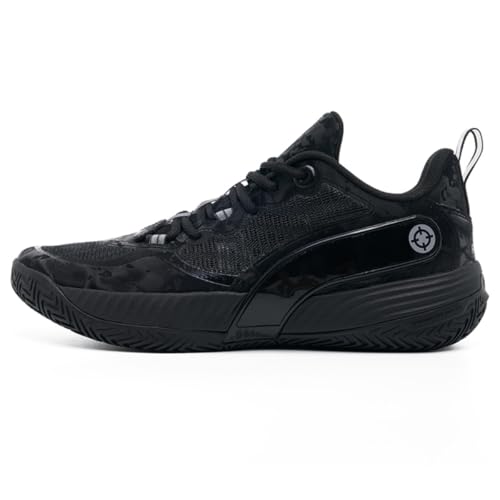
RIGORER Battle2 Zero-Drop Basketball Shoes

Nike Men’s Air Force 1 Mid ’07 QS Sneaker

Nike Air Force 1 Women’s Shoes

Nike Men’s Air Jordan 1 Low Sneaker
Nike Dunk High Black White (2021) DD1399-105

PUMA Mens Rebound Layup Lo Sneaker

Air Jordan 1 High Men’s Shoes

Jordan Mens Basketball Sneaker

Nike Lunar Force 1 Sneaker

Nike Air Jordan 6 Retro Sneaker
A Closer Look At Each Pick
Zero-drop shoes keep the heel and forefoot at the same height, so a flat foot sits in its natural position instead of being propped up by a wedge of foam. The RIGORER Battle2 uses an 18.5mm stack from toe to heel, which is unusually thin for a basketball shoe, and that geometry matters because pronation (the inward roll common in flat feet) gets a chance to work without being forced.
Compared to the Air Force 1 Mid you’ll see later in this list, the Battle2 strips away cushion in favor of control. A translucent EVA midsole (EVA is a lightweight foam used in most modern sneaker midsoles) is paired with a nylon shank, a thin plastic plate that runs under the arch to keep the shoe from twisting during lateral cuts. For a guard logging hours at the rec center or a forward tired of sore arches after long practices, this shoe’s profile lines up well with how flat feet actually strike the floor.
Benefits That Matter
- True zero-drop sole lets flat arches sit naturally instead of being tilted
- Translucent EVA midsole rebounds well without packing out mid-game
- Nylon shank keeps the platform from twisting on hard cuts
- Reinforced toe handles drag-back pivots and toe-drag defense moves
- Low-profile silhouette feels closer to the court than chunky trainers
Things To Consider
- 18.5mm stack is thinner than most basketball shoes, so heavy centers may want more impact protection
- Zero-drop takes a few sessions to adapt to for players used to offset heels
- Synthetic upper can run warm in hot gyms during summer
Feature Snapshot
Right Fit For
Flat-footed guards and wings who want natural foot positioning and hate arch pressure, especially players logging multiple weekly sessions on hardwood.
Consider Something Else When
Post players needing max cushion should look at the Nike Lunar Force 1, since its thicker midsole absorbs more impact on every landing.
The Air Force 1 Mid keeps a lot of the original 1982 silhouette but raises the collar to mid-cut height, giving flat-footed players a stable ride without the rigid feel of modern performance basketball shoes. Its traditional flat sole, meaning there’s no curved arch bump under the foot, is what makes it a recurring choice for flat arches.
Where the RIGORER Battle2 above leans low and minimal, this Nike leans chunky and classic. The padded ankle collar cushions awkward landings for players whose ankles track inward, and the broad midfoot platform makes pivots feel planted. For a recreational player who wants one pair that handles gym time, weekend runs, and street wear, the AF1 Mid covers a lot of ground.
Positive Takeaways
- Flat sole profile works with low arches instead of fighting them
- Mid-cut collar adds ankle stability without going full high-top
- Leather upper breaks in and molds to wider forefeots over time
- Wide platform helps flat feet feel grounded during direction changes
Worth Noting
- Heavier than mesh trainers like the PUMA Rebound Layup Lo
- Leather can feel stiff on the first session
- Not built for high-intensity tournament play
Built With In Mind
Recreational hoopers and casual athletes who want a sturdy, flat-friendly shoe that doubles as everyday footwear.
Look Elsewhere When
Players chasing a lighter, more cushioned ride should try the Nike Lunar Force 1, which trades leather heft for soft Lunar foam.
The women’s Air Force 1 takes the same flat sole geometry as the men’s pair and proportions it for narrower heels and a slightly lower volume through the instep. Flat-footed women often get squeezed by women’s basketball shoes that aggressively raise the arch, and this silhouette leaves room instead.
Compared with the men’s AF1 Mid above, this version sits a bit lower and lighter on the foot. The cushion is softer out of the box, which helps when the foot pronates (rolls inward) on every step. For a player who trains a couple of times a week and wants comfort without a clinical-looking performance shoe, the AF1 women’s fits the brief.
Where It Helps
- Flat, low-arch platform avoids pressure on already-flat feet
- Roomy forefoot lets toes splay during push-offs
- Soft foam cushion absorbs impact without a heavy ride
- Versatile styling works in and out of the gym
Some Limits To Know
- Not as supportive as a true high-top for aggressive ankle movement
- Leather needs a few sessions to break in around the forefoot
Best Suited To
Women with flat arches who split time between gym workouts, casual play, and daily wear and want one shoe that handles all three.
Reach For A Different Pick When
Players needing taller ankle support should consider the Air Jordan 1 High, which locks the heel in with a padded collar.
The Air Jordan 1 Low keeps the silhouette flat and low to the ground, which flat-footed players often describe as comfortable in a way higher-performance trainers are not. The leather upper is sturdy, and the cupsole, a one-piece rubber outsole that wraps up around the heel for stability, gives a planted feel without aggressive arch curves.
This is a lifestyle-leaning take on a basketball shoe, and that’s the point. Where the AF1 Mid above feels like a working sneaker, the AJ1 Low feels like a shoe you can wear to dinner after the gym. For flat-footed players who want basketball DNA without a high-top, the low version keeps ankles free while still giving the foot a wide, supportive base.
The Helpful Details
- Low-cut collar frees the ankle for natural range of motion
- Flat footbed works with low arches rather than against them
- Wide outsole gives flat feet a stable platform
- Iconic styling transitions from court to street easily
Honest Caveats
- No real ankle support compared to the Air Jordan 1 High
- Leather needs breaking in to avoid hot spots over a wider forefoot
Made For
Flat-footed players who mostly play casual pickup and want a stylish shoe that performs well enough for light hooping.
Swap It Out When
Athletes logging serious court time should consider the Air Jordan 1 High, which adds the ankle hold the low version leaves out.
The Dunk High started life in 1985 as a college basketball shoe, and the 2021 reissue preserves the wide toe box and broad midfoot that made it flat-foot-friendly to begin with. The padded high-top collar wraps the ankle, which matters for flat arches whose ankles often track inward under load.
Compared with the AJ1 Low above, this shoe trades ankle freedom for stability. The footbed remains relatively flat rather than sculpted around an arch, so flat feet settle into the shoe instead of being propped on top of it. For a player who plays competitive games and rolls ankles occasionally, the Dunk High gives the lockdown without the modern price of a flagship performance trainer.
Real-World Strengths
- Wide toe box accommodates flat-footed splay
- Padded ankle collar stabilizes inward-tracking ankles
- Flat footbed reduces arch pressure
- Classic colorways pair easily with everyday outfits
Softer Spots
- Heavier than the low-top Air Jordan 1 Low
- Leather takes a few wears to soften across the forefoot
Who It Suits Best
Flat-footed players who want ankle support for league nights and don’t mind a slightly heavier, classic-feeling high-top.
Not Your Match When
Runners and athletes wanting lighter cushion should consider the Nike Lunar Force 1, which keeps a flat profile but trims weight with foam.
PUMA’s Rebound Layup Lo is a low-top trainer built on a synthetic leather upper and a cupsole platform, with a SOFTFOAM+ sockliner (an extra-thick foam layer inside the shoe that adds step-in comfort). Flat-footed players looking for a shoe that handles gym workouts and casual wear without the higher cost of retro Jordans should pay attention here.
It sits between the budget tier and the premium tier in feel. Compared with the AJ1 Low, this shoe leans lighter on the foot and adds more obvious cushion under the heel, which can feel easier on flat arches during long sessions. For a beginner or value-focused shopper, this is the pair to try first.
Key Advantages
- SOFTFOAM+ sockliner cushions flat arches under the heel
- Low-top build keeps ankles free for natural movement
- Synthetic leather is lighter than the Nike leather pairs above
- Affordable entry point for flat-footed players new to basketball shoes
Possible Compromises
- Less ankle support than a high-top like the Dunk High
- Synthetic upper may wear faster than full-grain leather
Feature Snapshot
Whose Shelf It Belongs On
Flat-footed beginners, gym-only players, and shoppers wanting a budget-friendly basketball-style shoe that still feels cushioned.
A Better Fit Elsewhere
Players wanting a more iconic build and tougher leather should check the Nike Air Jordan 1 Low, which trades budget price for heritage feel.
The Air Jordan 1 High uses a tall padded collar and a sturdy leather upper to lock the ankle in, which helps flat-footed players whose ankles tend to collapse inward under load. The sole geometry stays relatively flat, so the arch doesn’t get pushed into an unnatural curve.
Where the Dunk High above focuses on broad toe room, this Jordan leans into heel lockdown. The high collar wraps the lower leg firmly, and the cupsole keeps the foot centered over the platform. For a flat-footed player running serious scrimmages who still wants that classic Jordan 1 look, the high version earns its place in a rotation.
Practical Advantages
- Tall padded collar stabilizes ankles that roll inward
- Flat footbed keeps the natural arch curve from being forced
- Sturdy leather upper resists stretching during lateral cuts
- Iconic silhouette doubles as street wear
Details To Watch
- Higher collar adds noticeable weight versus the Low version
- Premium price tier versus the PUMA Rebound Layup Lo
Perfect Match For
Flat-footed players who scrimmage regularly and want maximum ankle lockdown with a timeless Jordan 1 look.
Skip It When
Shoppers wanting a lighter low-top should pick the Air Jordan 1 Low, which keeps the Jordan DNA but skips the tall collar.
The Jordan Retro Low draws directly from the original 1985 Air Jordan 1 silhouette, including the famously flat sole and broad midfoot platform. Flat-footed players often cite original-school Jordans as comfortable in ways modern trainers aren’t, because the geometry was built before aggressive arch curves became standard.
Compared with the Air Jordan 1 High above, this Retro Low drops the ankle collar and trims weight, making it a more casual, everyday-friendly choice. The leather is sturdy enough for light hooping, and the wide platform keeps the foot planted during pivots. For flat-footed shoppers who care about heritage as much as function, this is the original.
The Case For It
- Original flat sole geometry supports low arches naturally
- Broad midfoot platform gives flat feet a wide base
- Heritage Jordan DNA appeals to collectors and casual athletes
- Versatile colorways work with everyday outfits
Trade-Offs To Consider
- Low-top lacks ankle lockdown for aggressive play
- Leather takes time to break in around a wider forefoot
Right Fit For
Flat-footed collectors and casual athletes who want the original Jordan silhouette and play mostly light pickup games.
Where Another Pick Suits Better
Players wanting taller ankle support should reach for the Air Jordan 1 High, which locks the lower leg in for league-level play.
The Lunar Force 1 swaps the Air Force 1’s traditional EVA midsole for Lunar foam, a softer, lighter cushioning material that compresses more on impact. For flat-footed players whose arches collapse on hard landings, that softer ride can take pressure off the foot during long sessions.
Compared with the standard AF1 Mid covered earlier, this version leans more plush underfoot. The upper retains the classic AF1 look, so the visual style doesn’t change much, but the feel does. For athletes who log frequent games and want extra impact absorption, the Lunar Force 1 is a smart middle ground between minimalism and cushion.
What Works In Its Favor
- Lunar foam midsole cushions flat-footed landings
- Classic AF1-style upper keeps the silhouette familiar
- Flat sole profile keeps the foot in a natural position
- Lighter feel than the standard Air Force 1
Points To Keep In Mind
- Softer foam may pack out faster than firmer EVA midsoles
- Less lateral rigidity than modern performance basketball shoes
Built With In Mind
Flat-footed athletes who play frequently and want extra cushion without moving away from the classic AF1 silhouette.
Where A Sibling Pick Shines
Players wanting more ground-feel and arch neutrality should look at the RIGORER Battle2, which strips cushion for a true zero-drop ride.
The Air Jordan 6 Retro keeps the 1991 silhouette’s locked-in heel and structured midfoot, which matters for flat-footed players whose feet tend to slide inside the shoe during cuts. The molded heel cup holds the rearfoot in place, and the broad midsole gives flat arches a stable landing zone.
Compared with the AJ1 Low above, this Retro leans more performance-oriented, even though it stays a lifestyle-leaning shoe in practice. For a flat-footed player who wants retro Jordan DNA plus serious lockdown in the heel and midfoot, the AJ6 sits in a useful middle ground between casual pickup and competitive scrimmage.
Strong Points
- Molded heel cup locks the rearfoot during lateral cuts
- Structured midfoot panel keeps the foot centered over the sole
- Broad midsole gives flat arches a wide landing platform
- Iconic Jordan 6 silhouette with strong collector appeal
Room For Improvement
- Higher price tier than the PUMA Rebound Layup Lo or Air Jordan 1 Low
- Heavier than minimalist shoes like the RIGORER Battle2
Feature Snapshot
Who Should Grab It
Flat-footed hoopers who want retro Jordan style along with structured heel and midfoot lockdown for regular scrimmage play.
Another Choice May Suit
Budget-focused shoppers wanting a similar heritage vibe should pick the Nike Air Jordan 1 Low, which keeps the look at a friendlier price.
What Matters Most When Choosing Basketball Sneakers For Flat Feet
Arch Geometry And Footbed Shape Flat feet want a footbed that sits level rather than one that pushes upward in the middle. A zero-drop or low-drop build (where the height difference between heel and forefoot is small) lets the arch collapse naturally instead of fighting the shoe, and that often translates to less midfoot fatigue by the fourth quarter. Look for shoes whose insoles look flat in profile rather than sculpted with a pronounced arch bump.
Cushion Density And Stack Height Thicker foam absorbs more impact on every landing, but too much height can make a flat foot feel unstable during cuts. A balanced stack (think mid-teen millimeters underfoot) gives enough cushion without putting the foot too far from the floor. Players with heavier landings may want extra foam; quicker players often prefer a closer-to-the-court feel.
Cut Height And Ankle Hold Low-tops free the ankle for natural motion, while mids and high-tops wrap the lower leg for stability. Flat-footed players whose ankles roll inward often benefit from a mid or high collar, while casual players usually do fine in a low-top with a stable midfoot. Match the cut to how often you play and how your ankles tend to track under fatigue.
Outsole Width And Lateral Stability A broad outsole gives flat feet a wide base to work from, especially during pivots and direction changes. Narrow outsoles can leave a flat foot tipping over the edge on hard cuts. Cupsole construction (a one-piece rubber outsole that wraps under the arch) tends to feel more stable than thin, flexible setups, and that matters most when a flat foot is already working harder to stabilize itself.
Key Considerations Across These Picks
Pitfalls Shoppers Hit
Buying by hype rather than fit is the most common slip-up. A Jordan 6 Retro looks great on a shelf, but its molded heel cup can feel tight around a wider flat foot, so trying the fit matters more than chasing a colorway. Skipping the break-in is another trap; leather pairs like the AJ1 Low and Dunk High often feel stiff on day one and only become comfortable after a few wears. Finally, ignoring width can undo everything, because flat feet usually need a roomier toe box than the labeled size suggests.
Where The Extra Money Goes
Higher-tier models like the Air Jordan 6 Retro and Air Jordan 1 High spend their price on structured heel lockdown, premium leather, and a more rigid cupsole. For a flat-footed player logging real court time, those upgrades mean the shoe holds its shape longer and the heel stays put through cuts. For casual play, the extra cost mostly buys heritage looks and tougher materials, which still have value but less performance impact.
Frequently Asked Questions
Do flat feet need special basketball sneakers? Flat feet benefit from shoes with a flat or low-arch footbed, a wide toe box, and stable outsoles, since high-arch designs can press into a foot that already sits low. Most flat-footed players find traditional flat-soled basketball silhouettes more comfortable than modern sculpted trainers.
Are zero-drop basketball shoes good for flat feet? Zero-drop shoes keep the heel and forefoot at the same height, which lets flat arches settle into a natural position. Players new to the geometry should break them in over a few sessions since the lower stack height feels different from offset trainers.
How long does it take to break in basketball sneakers for flat feet? Most leather pairs like the Air Jordan 1 Low or Dunk High take three to five sessions to soften across a wider forefoot. Synthetic pairs like the PUMA Rebound Layup Lo typically feel comfortable from the first wear.
Can wide feet wear standard-width basketball sneakers? Wide feet often fit better in shoes with a roomy toe box like the Dunk High or Air Force 1, and some shoppers size up for added width. Trying on a pair in person is the most reliable check, since fit varies across models.
Should flat-footed players use orthotic insoles? Orthotic insoles can add arch support inside a flat-soled shoe, though they may change how the shoe fits. Shoppers who rely on orthotics should bring them when trying on basketball sneakers to confirm the fit still works with the insert.
The Takeaway
Flat feet don’t need a niche product to play comfortably, but they do need a shoe that stops fighting the foot. The RIGORER Battle2 is the most obvious flat-foot-friendly geometry on this list, while the classic Air Force 1, AJ1, and Dunk silhouettes cover the heritage side. Match the shoe to the kind of hooping you actually do, and the right pair usually makes itself obvious.