Spin class feels completely different once your feet actually clip in. Regular sneakers flex under hard sprints and lose energy transfer to the pedal stroke, leaving riders with sore arches and slipping heels within the first ten minutes. A proper pair of clip-in cycling shoes locks the foot to the pedal, stabilizes the ankle through hill climbs, and turns each stroke into forward motion rather than wasted effort. Choosing well means matching the cleat system to your studio bike, weighing stiffness against walkability, and finding a fit that holds steady through a 45-minute sweat session.
A Closer Look At The Lineup

TIEM Slipstream Indoor Cycling Shoe

Venzo Bicycle Men’s Road Cycling Shoes

SHIMANO SH-IC500W Women’s Indoor Cycling Shoe

SHIMANO SH-ME201 Women’s Trail Cycling Shoes

SHIMANO SH-IC100 Indoor Cycling Shoe

CJROSM Cycling Shoes for Peloton Bike
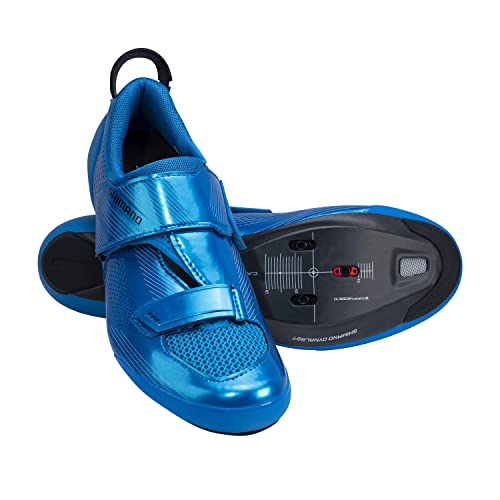
SHIMANO SH-TR901 Triathlon Racing Shoes
A Closer Look At Each Pick
TIEM built the Slipstream specifically for riders who dread the awkward walk from the locker room to the bike in clunky road shoes. The brand designs around a women’s last, so the toe box sits a little wider through the forefoot than unisex alternatives, and the SPD cleat compatibility means it works with the two-bolt setup most studios run on their pedals.
For anyone just signing up for their first month of classes, this shoe delivers a friendlier introduction to clipping in than the road-specific Venzo I’ll cover next. The look reads more like a sneaker than a race shoe, which matters in studios with open floor plans where riders grab bikes right next to the front desk.
Everyday Wins
- SPD-compatible two-bolt cleat pattern fits most studio bike pedals out of the box.
- Women’s-specific last widens the forefoot, reducing pinching on riders with broader toes.
- Sleeker profile than typical MTB-style spin shoes makes the walk to the bike less clumsy.
- Lighter materials help during long climbs when foot fatigue tends to creep in.
Things To Consider
- Not Delta-cleat compatible, so it won’t pair with Peloton pedals without an adapter.
- Stiffness sits below carbon-sole options, meaning slightly less direct power transfer on hard sprints.
- Available colorways rotate often, and sizing can run narrow for shoppers between standard women’s sizes.
Who It Suits Best
Women attending local studio spin classes on SPD-equipped bikes who want a gym-appropriate silhouette and a forgiving toe box.
Where Another Pick Suits Better
Riders on a Peloton or any Delta-cleat bike at home will find the Venzo Bicycle Men’s Road Cycling Shoes a closer match thanks to its broader cleat compatibility.
Where the Slipstream above targets one studio cleat system, Venzo engineered its road shoe around a wider cleat window. The shoe accepts both Look Delta three-bolt cleats and SPD two-bolt cleats, which makes it the most flexible pick on this list for households that own more than one type of pedal setup.
For anyone whose main ride is a Peloton at home but who also wants a single pair of shoes for an outdoor weekend loop, this covers both without buying two separate pairs. Compared with the SPD-only Slipstream, the trade-off is a slightly stiffer walking experience on studio floors because the three-bolt Delta cleat sits further forward on the sole.
The Value In It
- Compatible with Look Delta and SPD cleats, covering nearly every spin bike and road pedal on the market.
- Lightweight upper mesh breathes well during high-sweat intervals and dries quickly afterward.
- Stiff midsole supports higher wattage output without burning through foot arches.
- Walkable enough for studio lobbies, unlike ultra-stiff triathlon racing shoes.
Trade Offs
- Men’s sizing runs slightly narrow, so women riders may need to size down and check fit carefully.
- Heel padding is thinner than some studio-specific shoes, which can lead to slight rubbing during long climbs.
- Delta cleats are not included with the shoe and must be purchased separately for Peloton use.
Quick Facts
Made For
Peloton owners and commuters who split time between home rides, outdoor loops, and the occasional studio class.
Consider Something Else When
Riders wanting a women’s-specific last and SPD-only simplicity may prefer the TIEM Slipstream Indoor Cycling Shoe over this unisex fit.
The IC500W represents Shimano’s push into the indoor cycling category with the same engineering rigor the brand puts into its road lineup. Built around a women’s last and a stiff indoor-specific sole, it competes directly with the entry-level IC100 I’ll cover later, though it sits a tier higher in power transfer.
For women riders who already know they like spin and want to invest in something that lasts through years of weekly classes, this shoe delivers a noticeably firmer platform than the TIEM Slipstream. The closure system wraps the midfoot securely, which matters most when standing climbs put extra lateral force on the foot.
Noteworthy Benefits
- Stiffer sole than most entry-level women’s spin shoes, transferring more power per pedal stroke.
- Secure midfoot wrap reduces heel lift during heavy standing sprints.
- Breathable mesh upper manages heat and moisture through long, sweat-heavy rides.
- SPD cleat compatibility fits most studio bikes without extra adapters.
Honest Caveats
- Higher price tier than the IC100, so value-focused shoppers may not need the stiffness jump.
- Sizing runs slightly small, and trying on at a local shop is wise before committing.
Feature Snapshot
Right Fit For
Women riders who log several spin classes a week and want a stiffer platform than beginner-tier options can offer.
Look Elsewhere When
First-timers still deciding whether indoor cycling is a long-term habit may want to start with the SHIMANO SH-IC100 Indoor Cycling Shoe at a friendlier entry price.
The ME201 breaks from the dedicated indoor pattern by borrowing Shimano’s mountain bike shoe DNA. Its recessed SPD cleat design lets riders actually walk normally on dirt, gravel, or studio carpet, which is the main drawback of stiffer road-style shoes like the Venzo covered earlier.
For shoppers who commute by bike, ride trails on weekends, and squeeze in a Tuesday spin class, this shoe stretches across all three without compromise. Compared with the IC500W above, the trade-off is slightly more flex in the sole, which means a touch less direct power on hard sprints.
Everyday Perks
- Recessed cleat design lets riders walk off the bike without scuffing floors or sliding on tile.
- Tougher upper materials hold up to brush and trail debris, extending shoe life outdoors.
- SPD compatibility fits both indoor spin pedals and trail MTB setups with one cleat system.
- Women’s-specific last addresses the fit gap unisex trail shoes often leave behind.
Points To Note
- Not the stiffest sole in this roundup, so pure indoor sprinters may prefer the IC500W instead.
- Heavier construction than road-style shoes, which can fatigue feet during very long studio sessions.
- Trail-style tread adds grip but collects mud if used off-road before indoor classes.
Who Should Grab It
Riders who split their cycling time between indoor classes and outdoor trail or commute miles want this shoe’s versatility.
Skip It When
Pure indoor cyclists chasing maximum stiffness should reach for the SHIMANO SH-IC500W Women’s Indoor Cycling Shoe instead, since it prioritizes power transfer over walkability.
The IC100 is Shimano’s entry point into the dedicated indoor cycling category, and it carries the brand’s quality reputation at a price that won’t scare off first-timers. SPD cleat compatibility keeps it simple, with a single two-bolt system that fits virtually every studio bike a beginner might encounter.
For shoppers new to clip-in pedals, this shoe provides the same basic platform as the IC500W above but at a friendlier tier. The honest read is that beginners will not notice the stiffness difference for at least the first six months of classes, so starting here makes practical sense.
Features That Help
- Entry-level price lowers the barrier to trying clipless indoor cycling for the first time.
- SPD compatibility covers nearly all studio spin bikes out of the box.
- Lightweight construction reduces foot fatigue during early classes when technique is still developing.
- Mesh upper promotes airflow, helpful for beginners whose feet heat up quickly under tension.
Worth Noting
- Sole stiffness trails the IC500W, so experienced riders may want more support later.
- Closure system uses basic hook-and-loop straps rather than ratchets, which can loosen mid-class.
- Color options skew conservative, limiting style choices for shoppers wanting variety.
Quick Technical Notes
Best Suited To
First-time clipless riders who want a reputable brand’s indoor-specific shoe without paying for features they won’t yet use.
A Better Fit Elsewhere
Riders who already know they ride hard and want stiffer power transfer should step up to the SHIMANO SH-IC500W Women’s Indoor Cycling Shoe instead.
CJROSM targets the Peloton crowd directly, building around Delta three-bolt cleats that click straight into the brand’s pedals. The unisex sizing ladder is the standout detail, with explicit conversion markers like 7 Women and 5 Men printed for shoppers who might otherwise guess between men’s and women’s scales.
For couples sharing a single Peloton or shoppers who don’t want to overthink brand selection, this shoe covers the basics without the premium markup of more established cycling brands. The honest read is that it lacks the engineering refinements of the Shimano options above, but it gets the job done for moderate weekly use.
Useful Touches
- Delta three-bolt cleat compatibility pairs directly with Peloton pedals, no adapter required.
- Unisex size conversion labels simplify ordering for shared households and couples.
- Often priced below premium brand alternatives, making it accessible for first Peloton setups.
- Decent walkability for moving between bike, mat work, and locker areas during class.
Things To Weigh
- Build quality does not match premium-tier brands, so long-term durability may vary.
- Stiffness is modest, which limits peak sprinting performance compared with the SH-TR901 covered next.
- Less established brand means fewer owner reports to consult before sizing decisions.
Essential Details
Whose Shelf It Belongs On
Peloton owners and shared-household riders who want a Delta-compatible shoe at a lower commitment level than premium brands.
Reach For A Different Pick When
Riders wanting top-tier stiffness and power transfer should consider the SHIMANO SH-TR901 Triathlon Racing Shoes instead, which targets performance at a higher level.
The TR901 is Shimano’s top-tier triathlon racing shoe, built for athletes who need every watt transferred to the pedal without any flex absorbing the effort. A rigid carbon fiber sole sits beneath a quick-entry upper with a single wide strap and oversized heel loop, both designed to make transitions faster in race conditions.
For indoor riders chasing peak sprint output, this shoe brings racing pedigree to the studio. Compared with the CJROSM above, the difference shows up most in stiff sprints where the carbon sole wastes almost no energy to flex, though the trade-off is a shoe that’s harder to walk in during class transitions.
Strengths Worth Knowing
- Carbon fiber sole delivers excellent power transfer, especially during high-cadence sprint intervals.
- Single-strap closure with extra-wide opening speeds up entry and exit between segments.
- Lightweight construction reduces foot fatigue during extended training blocks.
- Quick-drying materials handle heavy sweat sessions without becoming waterlogged.
Smaller Trade Offs
- Premium-tier pricing sits well above beginner options like the SH-IC100.
- Single-strap closure limits fine-tuning for riders with wider feet or arch irregularities.
- Not built for walking, so studio transitions require unclipping fully each time.
Who Will Love This
Competitive riders and serious indoor cyclists who prioritize stiffness, weight savings, and sprint efficiency over walkability.
Swap It Out When
Casual class-goers who need walkable shoes for studio movement should pick the SHIMANO SH-ME201 Women’s Trail Cycling Shoes instead, since it offers far better off-bike comfort.
What To Weigh Before Choosing Bike Shoes For Spin Class
Cleat System Compatibility Comes First
The single biggest decision is matching your shoes to your bike’s cleat system. SPD (two-bolt) cleats are the studio standard and recess into the sole, allowing normal walking between bikes. Delta (three-bolt) cleats sit further forward and lock directly into Peloton-style pedals without adapters. Trying to mix systems usually means buying adapters, so confirm your studio or home bike’s pedal type before anything else.
Stiffness Affects Power Transfer
Sole stiffness determines how much energy goes into the pedal rather than bending the shoe. Entry-level nylon soles work fine for casual riders, while carbon fiber options like the TR901 deliver noticeably firmer response during heavy sprints. For most recreational riders logging a few classes a week, mid-tier stiffness offers the best balance between price and output.
Fit and Closure Style Matter More Than Looks
A properly fitted shoe reduces hot spots and heel lift during long climbs. Look for adjustable closure systems, whether hook-and-loop straps or ratcheting buckles, that allow mid-class tweaks. Women-specific lasts often fit broader forefeet better than unisex options, which matters if standard sizes tend to pinch at the ball of the foot.
Walking Comfort and Versatility
Recessed cleat designs let riders walk on tile or carpet without sliding, while exposed cleat systems can be slippery and awkward off the bike. For commuters or riders who take their shoes off the bike often, a recessed SPD setup delivers more practical daily usability.
Smart Buying Advice For Spin Shoe Shoppers
Where Shoppers Go Wrong
The most common slip is buying based on color or brand familiarity without checking the cleat system first. Riders show up to their first class with Delta cleats on an SPD bike, or vice versa, and end up needing a second pair. Another trap is overspending on stiffness that a casual rider will never feel, leaving useful budget unused for comfort upgrades like better insoles.
Where The Extra Money Goes
Higher-tier pricing typically buys stiffer soles, lighter materials, and refined closure systems. Carbon fiber soles and single-strap entry designs, as seen on the TR901, target racers chasing marginal gains. For recreational riders, the jump from entry-level to mid-tier delivers noticeable comfort and fit improvements, while top-tier gains are mostly relevant for serious training or competitive use.
Frequently Asked Questions
Do spin class shoes need to match the bike brand?
No, but they must match the cleat system. SPD and Delta are the two main standards, and most studios standardize on one. Confirm your studio’s setup before buying.
Can I use outdoor cycling shoes indoors?
Yes, as long as the cleat system matches. The Venzo covered above works both indoors and outdoors because it accepts both major cleat types.
How long do spin shoes typically last?
With regular indoor use, expect two to four years before the sole or closure wears out. Trail-style shoes often last longer due to tougher uppers.
Are women’s-specific lasts worth it?
For many riders, yes. Women’s lasts often widen the forefoot and adjust heel shape, which reduces pinching and hot spots during long classes.
Should beginners buy expensive shoes right away?
Probably not. Entry-tier shoes from reputable brands cover the basics, and most beginners won’t notice stiffness differences for months. Upgrading later makes sense once habits are established.
Final Verdict
Matching cleat compatibility to your bike matters more than any other feature, and a comfortable fit keeps riders coming back to class. Beginners get the most value from accessible entry-level options, while frequent riders and competitors benefit from stiffer soles and lighter builds. Pick the shoe that fits the bike and the habit, and the rest is just preference.