Bikepacking blurs the line between cycling and hiking, so the right shoe has to do both jobs well. I look for stiff soles for efficient pedaling on long fire road climbs, grippy rubber for hike-a-bike sections over loose rock, and enough room up front to keep toes happy after hours in the saddle. These seven options cover different budgets, fit preferences, and ride styles, from dedicated clipless trail shoes to barefoot-inspired hiking sneakers that handle a surprising amount of pedaling.
A Snapshot Of The Selections

Giro Cylinder Men’s Mountain Bike Shoe

adidas Men’s Five Ten Freerider Cycling Shoes

Giro Privateer Lace Men’s Mountain Bike Shoe (Dark Shadow/Gum)

SHIMANO SH-ME201 Cross Country Off-Road Trail Cycling Women’s Shoe

SHIMANO SH-IC100 High Performance Indoor Cycling Shoe

UBFEN Wide Toe Box Zero Drop Hiking Sneakers
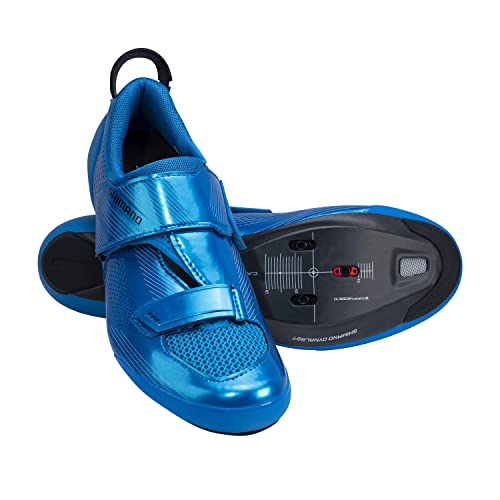
SHIMANO SH-TR901 Bicycles Shoes
A Deeper Look At The Lineup
The Giro Cylinder is a sensible starting point for riders who want clipless (a pedal system where a cleat on the shoe locks into a matching pedal) performance without diving into top-tier carbon. It pairs a moderately stiff sole with a forgiving upper, making it friendly on rides that mix fire road climbing with short hike-a-bike stretches. For first-timers building out a bikepacking kit, the combination of Giro’s fit reputation and trail-tough construction removes a lot of guesswork.
Compared to the adidas Five Ten Freerider that follows, this is a clipless shoe, so it requires a pedal system to match. The trade-off is efficient pedaling on long climbs, which matters when you’re grinding up a 4,000-foot pass with loaded bags.
Useful Strengths
- Clipless efficiency saves energy on extended gravel climbs.
- Giro’s typical roomy toe box (the front section of the shoe) helps during long days when feet swell.
- Stiff enough sole for real pedaling, not just neighborhood cruising.
- Versatile styling works on and off the bike at camp.
Points To Note
- Requires compatible clipless pedals and cleats, an extra purchase newcomers may not expect.
- Not the grippiest option for technical hike-a-bike; the sole favors pedaling over scrambling.
- Lacks the carbon stiffness of pricier race-focused shoes.
Best Suited To
Riders new to bikepacking who already own a clipless pedal setup and want a forgiving, capable trail shoe.
Where Another Pick Suits Better
The adidas Five Ten Freerider is the smarter call for anyone running flat pedals and prioritizing hike-a-bike grip.
The Freerider has earned its reputation the hard way, through years of service on everything from pump tracks to multi-day desert tours. Its Stealth rubber outsole (a proprietary sticky compound originally developed for climbing shoes) grips flat pedals with a confidence that clipless shoes cannot match, which makes pushing the bike up steep, loose pitches feel controlled rather than sketchy. For bikepacking routes that include real hike-a-bike, that grip changes the whole experience.
The shoe also walks like a regular sneaker, so campers who wander into town for food or coffee don’t have to clomp around in cycling hardware. The Giro Cylinder ahead of it leans toward clipless efficiency; this one leans toward flat-pedal versatility.
Everyday Advantages
- Stealth rubber grips flat pedals tenaciously on rough terrain.
- Walks naturally on dirt, pavement, and campsite floors.
- Durable upper holds up to scrapes from rocks and cranks (the arms connecting the pedals to the bike).
- No cleats needed, simpler setup for riders already running flats.
- Comfortable enough for off-bike exploring at route stops.
Some Limits To Know
- Less efficient for long paved or smooth dirt climbs compared to a stiff clipless sole.
- Stealth rubber can wear faster on rocky hike-a-bike terrain, a commonly reported tradeoff.
Key Specs
Who Will Love This
Flat-pedal riders tackling routes with steep hike-a-bike sections and value confident traction over pedaling efficiency.
Look Elsewhere When
Riders covering long pavement transfers should consider the Giro Privateer Lace for its stiffer clipless sole and gravel-tuned geometry.
The Privateer Lace is built for gravel events and long days in the saddle, where lace closure earns fans who want even tension across the foot. The Dark Shadow and Gum colorway dresses it up enough that riders don’t feel out of place stopping for a meal mid-route. For bikepackers logging serious hours on mixed surfaces, the combination of supportive upper and pedal-friendly sole hits a sweet spot.
Where the adidas Freerider ahead sacrifices pedaling efficiency for hike-a-bike grip, this shoe tilts the other way: more efficient pedaling, less walkability. The trade-off depends entirely on the route.
A Favorable Mix
- Lace closure spreads pressure evenly, reducing hot spots on multi-hour rides.
- Modern styling looks intentional off the bike.
- Clipless-compatible sole for power transfer on long climbs.
- Giro’s proven fit works well for many foot shapes.
Trade Offs To Consider
- Laces can snag on trail debris; many riders tuck them or use elastic keepers.
- Less hike-a-bike friendly than flat-pedal options like the adidas Freerider.
Right Fit For
Gravel grinders and bikepackers who prioritize pedaling efficiency on long days and don’t mind clipless hardware.
Skip It When
Triathletes or anyone focused on quick transitions should check the SHIMANO SH-TR901 for its race-specific one-strap design.
The SH-ME201 is Shimano’s workhorse cross-country (XC) trail shoe, designed around women’s foot geometry rather than simply shrunk from a men’s last (the foot-shaped form a shoe is built around). For bikepackers who log trail miles on loaded rigs, that tailored fit matters after hour five when a generic shape starts to pinch. The LSG series construction keeps the sole stiff enough for efficient pedaling while leaving enough flex for short pushes on technical climbs.
Compared to the Giro Privateer Lace above, this is a more XC-oriented build: less lace-driven aesthetic, more ratcheting closure (a toothed buckle mechanism that tightens with small clicks) refinement.
What Earns Its Place
- Women’s-specific last reduces pressure points over long days.
- Shimano’s sole delivers reliable clipless power transfer.
- Trail-tough build handles loaded touring setups.
Honest Caveats
- Not the lightest option for riders chasing race weight.
- Limited walkability on extended hike-a-bike sections.
Feature Snapshot
Made For
Female riders tackling trail-heavy bikepacking routes who want clipless efficiency and a fit tuned for their feet.
Consider Something Else When
Riders looking for casual walkability should consider the UBFEN barefoot-style hiking sneaker for short, hike-heavy trips.
The IC100 looks like an outlier on a bikepacking list, and in some ways it is. Indoor cycling shoes prioritize maximum sole stiffness for sprint efforts on stationary bikes, with ventilation and drainage that matter little on trails. Still, plenty of bikepackers train indoors during winter or weather windows, and the IC100 does that job at a refreshingly approachable level. The same stiff nylon composite sole (a plastic-and-glass-fiber blend lighter than steel but stiffer than basic nylon) translates cleanly to outdoor gravel rides when paired with a compatible pedal.
Where the Giro Cylinder ahead tries to balance trail versatility, the IC100 is single-minded about pedaling efficiency.
Standout Benefits
- Stiff sole maximizes power transfer during trainer sessions.
- Budget-friendlier than most outdoor performance cycling shoes.
- Compatible with widely used SPD cleats (Shimano’s standard two-bolt clipless cleat system), opening up outdoor use.
- Lightweight construction reduces fatigue on long trainer workouts.
Practical Considerations
- Designed primarily for indoor cycling, with less trail-ready protection than dedicated off-road shoes.
- Limited grip for hike-a-bike sections.
- Closure and venting are tuned for stationary efforts, not wet, muddy trails.
Whose Shelf It Belongs On
Riders who split their training between indoor sessions and outdoor rides and want one shoe that handles both.
Reach For A Different Pick When
Anyone planning extended outdoor trips with real hike-a-bike will prefer the adidas Freerider or Giro Privateer for trail-specific construction.
The UBFEN sits at the opposite end of the spectrum from the clipless XC shoes on this list. Its wide toe box and zero-drop platform (meaning the heel sits at the same height as the forefoot, with no elevated heel ramp) appeal to riders who want natural foot mechanics, especially on routes that involve as much hiking as pedaling. On a loaded bike, this kind of minimalist shoe feels more like trail running footwear than traditional cycling hardware, which suits bikepackers who push their bikes often.
The trade-off is real: pedaling efficiency suffers compared to a stiff-soled clipless shoe like the Shimano SH-ME201 above.
Points In Its Favor
- Wide toe box lets toes splay naturally over long days.
- Zero-drop geometry encourages a more natural foot position.
- Light, flexible feel works well for hike-heavy routes.
- Trail-running DNA handles variable off-bike terrain confidently.
What To Weigh
- Minimal sole stiffness drains energy on long paved climbs.
- Not designed for clipless pedal use; best paired with flat pedals.
- Less protection underfoot than dedicated cycling shoes on rocky terrain.
Built With In Mind
Minimalist-minded bikepackers running flat pedals on routes that prioritize hike-a-bike over pedaling distance.
A Better Fit Elsewhere
The adidas Freerider offers similar flat-pedal convenience with much better pedal grip for technical climbs.
The TR901 is a purpose-built triathlon shoe, designed around race-day transitions rather than multi-day comfort. Its carbon fiber sole (a rigid plate made from woven carbon strands, lighter and stiffer than nylon) is among the lightest, stiffest options Shimano makes, and the single-strap closure opens wide enough to slip a foot in without unclipping. For bikepackers who mix training rides into a multisport routine, that race pedigree translates to serious pedaling efficiency on dry, fast routes.
Where the SH-ME201 earlier is a workhorse XC trail shoe, the TR901 is closer to a specialist’s tool. Less cushioning, more speed.
The Case For It
- Carbon sole delivers exceptional power transfer.
- Single-strap, wide-opening design speeds up transitions.
- Extra-wide opening accommodates quick foot entry mid-race.
- Large heel loop simplifies pulling the shoe on at speed.
Less Ideal Details
- Designed for racing rather than multi-day comfort, with limited padding for long tours.
- Carbon sole and minimalist upper can feel harsh on rough gravel over hours.
- Premium construction puts it at the top of most budgets.
Quick Facts
Perfect Match For
Multi-sport athletes and fast riders who want a race-grade shoe for hard training days and competitive events.
Swap It Out When
Multi-day bikepackers focused on comfort will find the SHIMANO SH-ME201 or Giro Privateer Lace better suited to long hours on the bike.
Matching The Right Shoe To Your Bikepacking Style
The first call to make is clipless versus flat pedals, because that single choice shapes everything that follows. Clipless shoes like the Giro Privateer Lace or SHIMANO SH-ME201 deliver better pedaling efficiency on long climbs, which matters when bags add twenty-plus pounds to the rig. Flat-pedal shoes like the adidas Freerider trade some efficiency for grippy hike-a-bike traction and casual walkability, which pays off on technical routes.
Sole stiffness is the next big lever. A stiffer sole transfers more power to the pedals but walks less naturally. For routes that are 80% pedaling and 20% pushing, the stiff side wins. For routes that flip that ratio, look at the UBFEN barefoot-style approach or stick with flat pedals.
Fit deserves more attention than most riders give it. Bikepacking often means eight-hour days, swollen feet, and weather changes. A roomy toe box reduces hot spots, and a closure system you trust (laces for adjustability, ratchets for speed, single strap for transitions) makes a long day more comfortable. Finally, think about climate: ventilation helps in desert heat, while a more closed upper protects against cold and trail debris in shoulder-season riding.
Key Considerations Across These Picks
Where Shoppers Go Wrong
The most common misstep is buying a shoe tuned for a discipline that’s nothing like bikepacking. Road racing shoes feel wonderful on smooth tarmac but turn hike-a-bike into a clumsy, slippery ordeal. Pure mountain bike downhill shoes are overkill for loaded touring and heavy to walk in. Matching the shoe to the actual mix of pedaling and hiking on the planned route saves a lot of frustration.
Where The Extra Money Goes
Stepping up to premium tiers usually buys a lighter, stiffer sole (often carbon instead of nylon composite), better closure hardware, and more refined uppers that wrap the foot without pressure points. For weekend riders, the gains are modest. For riders logging serious hours or chasing race times, the efficiency and comfort improvements justify the spend. Mid-tier options like the SHIMANO SH-ME201 cover most of the practical benefits without the race-only pricing of a shoe like the TR901.
Frequently Asked Questions
Do I really need clipless shoes for bikepacking?
Not necessarily. Clipless helps on long climbs, but flat-pedal shoes with grippy rubber, like the adidas Freerider, are excellent on routes with frequent hike-a-bike or for riders who value casual walkability at camp.
Can I use one pair of shoes for both indoor training and outdoor rides?
Yes, if the shoe uses a common cleat system like SPD. The SHIMANO IC100 is a popular crossover pick for riders who split time between trainer sessions and weekend gravel rides.
How important is sole stiffness for bikepacking?
It depends on the route. Long, smooth climbs reward stiffness, while technical, hike-heavy routes favor flexibility and grip. Choosing based on your typical terrain matters more than chasing maximum stiffness.
Should women’s-specific shoes fit differently than scaled-down men’s versions?
Generally yes. Women’s-specific lasts account for differences in heel width, arch height, and forefoot volume, which reduces pressure points over long days compared to simply shrinking a men’s pattern.
How do I clean and maintain cycling shoes after a dusty bikepacking trip?
Most riders knock off dried mud with a stiff brush, then wipe the upper with a damp cloth. Removing insoles and letting shoes air-dry in a shaded spot helps prevent odor and extends the life of the upper materials.
Wrap Up
The right bikepacking shoe comes down to your pedal choice, your route mix, and how much stiffness your feet appreciate after hour five. Flat-pedal grip seekers should start with the adidas Freerider, gravel riders will appreciate the Giro Privateer Lace, and anyone chasing race efficiency can look up to the SHIMANO TR901. Pick the option that matches the riding you actually do, and the rest of the trip tends to take care of itself.