Finding the right pair of ballet slippers in a black shade sounds simple until you start comparing options. Sizing runs small for some, the sole shape changes how a shoe moves, and the material decides whether a slipper breaks in like a dream or feels stiff for the whole first month. I put together this shortlist of six black ballet slippers that cover toddlers, kids, and adult dancers, so anyone shopping for class, recital, or at-home practice can match a shoe to the wearer.
An Overview Of The Picks

Dayrose Highly Stretchy Split Sole Ballet Slippers
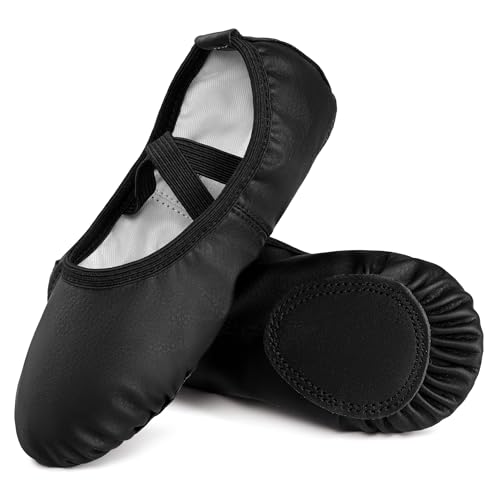
Dynadans Soft Leather Ballet Slippers

Stelle Soft Leather Split Sole Practice Slippers
Stelle Close-Fit PU Professional Dance Slippers

Dynadans Split Sole Ballet Shoes for Adults
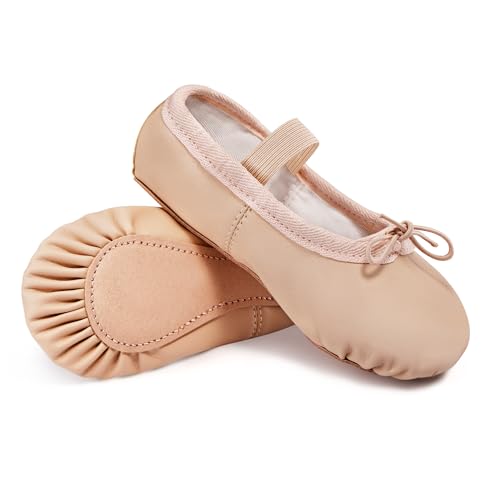
Dynadans Kids PU Ballet Slippers
Inside Each Recommended Option
The Dayrose slipper is built around a forgiving stretch fabric, which removes some of the guesswork that comes with a child’s first pair of ballet shoes. The split sole shape keeps the arch exposed, so a young dancer can point through the foot without fighting a heavy full sole. Compared to the Dynadans toddler options later in this list, the Dayrose leans more into the “throw it on and go” feel rather than a structured leather break-in.
For households testing whether their child will stick with class, the lower commitment to fit precision is a real plus. The downside is that highly stretchy uppers can lose their shape faster once a young dancer grows out of them or wears them between carpet and hard floor over a semester.
Everyday Advantages
- Stretch fabric forgives a half-size off in either direction during quick fittings
- Split sole lets beginners articulate the foot in tendus and releves from day one
- Doubles well for crossover activities like gymnastics floor work
- Easy slip-on feel reduces the morning scramble before class
Things To Consider
- Synthetic stretch uppers typically need a mesh wash bag and air drying to keep their shape
- Lacks the polished look of leather on recital day
Key Specs
Who It Suits Best
A parent outfitting a beginner girl for her first ballet or combo class who values an easy fit over a leather feel.
Consider Something Else When
Dancers who need a structured leather practice shoe for several weekly classes should look at the Stelle Soft Leather Split Sole Practice Slippers further down.
The Dynadans Soft Leather slipper is a long-standing entry in the household category, covering toddlers, kids, and adult women in one product listing. Soft leather (a thin, pliable hide that breaks in with a few wears) gives it that traditional ballet studio feel without the stiffness of a brand-new shoe. For a family juggling two or three dancers, ordering one style across ages keeps things straightforward.
The shoe uses a full sole layout, which is the older traditional shape that favors stability and clean lines over foot articulation. Beginners tend to like that predictability, while dancers training advanced barre work may eventually want to graduate to a split sole like the Dynadans adult split sole later in this roundup.
Practical Advantages
- Soft leather upper molds to the foot in a few sessions
- One listing fits a household with dancers of different ages
- Full sole supports beginner balance work cleanly
Worth Noting
- Full sole hides the arch more than a split sole, limiting pointed articulation for advanced work
- Leather scuffs visibly if dragged during floor work, especially for very young beginners
- Sizing tends to run narrow, so wide-foot dancers may need to size up
Right Fit For
A multi-dancer household buying a sensible, real-leather starter shoe that lasts through a semester of weekly class.
Look Elsewhere When
Older dancers or adults wanting more foot articulation should consider the Dynadans Split Sole Ballet Shoes for Adults instead.
The Stelle split sole practice slipper leans into a more traditional ballet feel than the stretchy Dayrose covered earlier. Soft leather pairs with a split sole, giving a young dancer the combination of a clean studio look and a foot that can arch through the floor. For weekly classes where the instructor expects a bit of articulation, this is a sensible middle-ground pick.
It also handles crossover use cases like preschool dance, creative movement, and light recital practice. The split sole means the break-in period is shorter than a full sole leather shoe, which matters for parents trying to get a fidgety child out the door on time.
A Strong Showing
- Real leather breaks in within a session or two of class
- Split sole design supports articulate footwork for tiny dancers
- Suitable for both class practice and modest recital use
Points To Note
- Leather can feel snug out of the box, so measuring the foot carefully matters
- Not the most breathable option for warm studio floors in summer
Quick Facts
Best Suited To
Parents of girls or toddlers enrolled in a real ballet program who want leather without a long break-in period.
Skip It When
Households outfitting a teen or adult should consider the Stelle Close-Fit PU Professional Dance Slippers reviewed below for a tighter performance fit.
The PU (polyurethane, a coated synthetic that mimics a smooth satin or leather finish) close-fit profile here is geared toward dancers who want a sleek silhouette on stage and a tighter feel under the foot. PU wipes clean with a damp cloth, which helps recital and competition dancers maintain a polished look between numbers. Compared to the Stelle leather practice slipper reviewed above, this one trades natural leather breathability for a smoother finish and a more precise fit.
For studio work where teachers call out pointed feet and clean lines, a close-fitting upper stays in place through quick direction changes. The trade-off is that PU can run warm in a heated studio, especially during back-to-back classes.
What Makes Sense
- Close-fit upper stays secure during fast directional changes
- PU finish wipes clean between recital numbers
- Polished silhouette suits stage performances and photo days
Trade Offs
- PU runs warmer than breathable leather in a hot studio
- Less forgiving fit than the Dayrose stretch option for first-timers
Perfect Match For
Older girls, boys, or teens in intermediate to advanced classes who need a sleek recital-ready profile.
A Better Fit Elsewhere
Beginners still adjusting to feel inside a shoe would do better with the forgiving stretch of the Dayrose Highly Stretchy Split Sole Ballet Slippers.
Adults shopping for themselves land in a strange corner of the ballet shoe world: most youth shoes run too short, and most “professional” listings assume an adult size in name only. The Dynadans adult split sole fills that gap with a split sole shape (the underside is divided into forefoot and heel pads separated by an open arch) that allows the foot to articulate through tendus and releves without the bulk of a full sole.
For women returning to class after a break, or adults taking their first barre class, the split sole gives immediate feedback on foot placement. The sizing can run a touch snug if you are between sizes, so measuring the foot in the evening helps when feet tend to swell.
What Earns Its Place
- Split sole shape matches what adult instructors expect from grown dancers
- Available in grown-up sizing where youth models fall short
- Lightweight build helps during long class sessions
- Compatible with both casual barre workouts and structured class routines
Honest Caveats
- Limited size range compared to dedicated adult ballet brands
- Construction feels more utilitarian than satin-tier recital shoes
Feature Snapshot
Who Will Love This
An adult woman attending regular ballet or barre classes who needs a real split sole rather than a youth-sized workaround.
Another Choice May Suit
Dancers wanting a tighter stage-ready profile should look at the Stelle Close-Fit PU Professional Dance Slippers above for a sleeker recital look.
The Dynadans Kids PU slipper covers the toddler to big kid range, which matters because kids often blow through two or three sizes in a single dance year. PU construction (a coated synthetic with a leather-like appearance) gives a clean look at a price that forgives a lost shoe at the studio. The sizing listed spans Little Kid 1.5 through 13, which covers most of the early childhood ballet years.
For parents who want the ballet look without committing to a leather break-in period, this is the practical middle path. The trade-off is that PU does not breathe as well as leather, so sweaty feet after class can leave a faint smell that needs airing out.
A Few Strong Suits
- Covers a wide toddler and big kid size range in one listing
- PU surface cleans up easily after outdoor play before class
- Light on the foot for young dancers still building balance
Soft Spots
- PU runs warmer than leather during long summer classes
- Less durable than the soft leather Dynadans listed earlier when worn multiple times a week
- Limited breathability means shoes should air out after every wear
Built With In Mind
Parents outfitting a toddler or big kid for a first dance class who want an affordable, easy-care PU slipper.
Reach For A Different Pick When
A child attending several weekly classes would benefit more from the Dynadans Soft Leather Ballet Slippers for a longer-lasting leather feel.
What To Weigh Before Choosing Black Ballet Slippers
Sole Style Sets The Tone
A full sole covers the entire underside of the foot in one piece and gives a stable, traditional feel that beginners tend to learn on. A split sole divides the underside into two pads around an open arch, letting the foot articulate through pointe work. Split sole styles reward dancers who already understand foot placement, while full sole shoes support those still learning balance. Picking the wrong one usually shows up as a dancer who fights the shoe rather than moving with it.
Material Matters More Than Most Shoppers Expect
Leather molds to the foot over a few sessions, breathes well, and survives heavy use across a semester. Synthetic stretch uppers forgive sloppy sizing but lose shape faster, while PU gives a clean recital look at the cost of breathability. Each material changes how the slipper feels after twenty minutes of class, and that difference compounds across a season of weekly rehearsals.
Sizing And Fit Are Where Most Returns Happen
Children grow unpredictably, and adult sizing rarely matches street shoe size. Measuring the foot while standing in the evening, leaving a thumb’s width of room at the toe, and reading the brand’s specific size chart catches most fit problems before they hit the studio. A slipper that fits perfectly on day one may feel loose after a week, so adjusting expectations around break-in helps.
Consider The Studio Before Buying
Some instructors require a specific sole shape or color for class uniformity, and recital costumes may demand a particular finish. Talking to the teacher before ordering saves the cost of a second pair. For households with multiple dancers, consolidating on a single listing that spans ages keeps the dance bag manageable through recital season.
Key Considerations Across These Picks
Mistakes Worth Dodging
Buying a half-size up “to grow into” is the most common slip-up, and it leaves dancers fighting loose shoes during their first months of class. Skipping the studio’s dress code check leads to returns when a teacher insists on a specific sole or material. Sock-style slippers also confuse some shoppers; real ballet slippers are worn barefoot or with convertible tights that have a hole in the sole.
When Paying More Pays Off
Higher-tier models in this category tend to use better leather or a more polished PU finish, and the difference shows up after ten or twenty wears. For dancers attending class multiple times a week, the upgrade covers the cost of a more durable upper and a cleaner sole that grips studio floors consistently. Casual beginners who attend once a week can usually stay with a more accessible model without missing much.
Frequently Asked Questions
How Do Black Ballet Slippers Differ From Pink Ones?
The color is mostly cosmetic, but some studios require black for certain levels or performances. Construction, sole shape, and material choices are identical across colorways within a brand.
Can Adults Wear Ballet Slippers Made For Kids?
Some adult sizing only exists in youth-style listings, so adults with smaller feet sometimes do. Heel shape and width differ between youth and adult lasts, so a true adult fit matters once classes become more demanding.
How Often Should Ballet Slippers Be Replaced?
Weekly class dancers typically replace slippers every few months as the sole wears down or the upper stretches out. Casual dancers who attend once a week may get a full year out of a pair.
Are Split Sole Or Full Sole Slippers Better For Beginners?
Full sole slippers give more stability for dancers still learning foot placement, which is why many studios start beginners there. Split sole slippers reward more advanced articulation.
Do Black Ballet Slippers Run Smaller Than Other Colors?
Color itself does not change sizing, but the dye process on darker uppers can subtly stiffen fabric in some models. Reading the brand’s specific size chart catches any quirks before ordering.
The Takeaway
Black ballet slippers cover a wider range than the word “ballet” suggests, from toddler first-timers to adults returning to the barre. Matching the sole shape to the dancer’s level, picking a material that fits the wear pattern, and respecting the studio’s dress code covers most of the decision. Any of the six options above can serve well when those boxes are checked, and the differences come down to how often the shoes will be worn and how polished the fit needs to feel.