A good pair of black boots quietly carries a man through snow, slush, restaurant shifts, and weekend trails. I picked seven pairs that cover those real situations, from cozy shearling-lined winter boots to grippy work shoes for greasy kitchen floors. The goal here is simple: match the boot to the job, not chase a brand.
A Closer Look At The Lineup


Showave Mid Calf Deck Boot


SHULOOK Non Slip Work Boot

Columbia Newton Ridge Plus II Hiker
Columbia Redmond IV Mid Waterproof
A Breakdown Of The Leading Choices
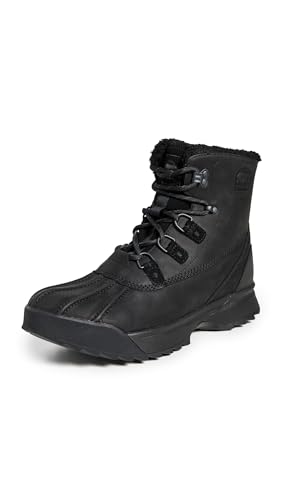
The Scout 87 Lux lands as the warmest boot in this lineup, and for good reason. The shearling collar is the first thing most shoppers notice, a soft cuff that traps heat where cold usually sneaks in. Pair that with a waterproof build, and you get a boot that handles shoveling the driveway, walking the dog in January, and weekend trips to snowy cabin towns.
Compared with the casual UGG Neumel below, the Scout is heavier and built for deeper weather rather than coffee runs. The D-ring laces let you adjust fit quickly when you layer thicker socks, which matters more than it sounds on a 10-degree morning.
The Practical Payoff
- Shearling collar adds genuine warmth around the ankle without bulky insulation higher up.
- Waterproof construction handles slush, snow, and wet sidewalks on the same outing.
- D-ring laces speed up fit changes when you swap sock weights between seasons.
- Timeless lace-up silhouette transitions from a parka to a peacoat without looking out of place.
Soft Spots Worth Noting
- Shearling takes longer to dry than synthetic linings, so stuffing with newspaper after a wet day helps.
- Heavier than the UGG Neumel, so it feels clumsy on long urban walks.
- Specialty winter boot pricing tends to run higher than casual lace-ups.
Made For
Men in northern climates who need real warmth for snow shoveling, winter commuting, and weekend cabin trips.
Consider Something Else When
You mostly wear boots for warm-weather style, in which case the UGG Neumel Chukka Boot feels lighter and more breathable.
The Neumel is one of those boots people keep on the mat year-round because it goes with nearly everything. The chukka silhouette, hitting just above the ankle, slips on easily with jeans or joggers. The signature UGG lining, the same plush material that made their sheepskin boots famous, is what gives it that “broken-in from day one” feel.
Where the Sorel Scout above is a tool for winter weather, the Neumel is more of a daily companion. You won’t tackle a snowy trail in these, but for a coffee shop run on a brisk morning, they’re hard to beat.
Key Advantages
- Plush sheepskin-style lining cushions every step without breaking in.
- Neutral chukka shape works with denim, chinos, and casual trousers.
- Lighter weight than full winter boots, so feet stay comfortable on long city walks.
Honest Caveats
- Not waterproof, so puddles and wet pavement can soak through.
- Suede upper scuffs easily and benefits from a protective spray before first wear.
- Limited insulation for sub-freezing days compared to the Scout 87 Lux.
Right Fit For
Style-focused shoppers who want one pair of black boots to wear to work, brunch, and weekend errands.
Look Elsewhere When
You spend hours on snowy sidewalks, where the Sorel Scout 87 Lux Waterproof Boot offers better cold protection.
Showave’s mid-calf deck boot is the kind of boot you forget about until the forecast turns ugly. The taller shaft keeps water from splashing down into your socks during a downpour or a muddy yard project. Made from rubber-like waterproof materials, the construction shrugs off standing water, which is exactly what most rain boots promise but few deliver.
Unlike the suede UGG Neumel, the Showave is utilitarian. You won’t wear it to a date, but you will wear it when the dog needs walking at 6 a.m. in a thunderstorm.
Standout Benefits
- Mid-calf height blocks splash-back from puddles and wet grass.
- Fully waterproof rubber shell handles standing water without leaking.
- Pull-on design saves time when you’re rushing out the door in bad weather.
- Easy rinse-and-go cleaning, perfect for muddy gardens and beach walks.
A Few Limitations
- No insulation, so cold-weather wear requires thick thermal socks.
- Limited style range means it works outside the city, not at the office.
Feature Snapshot
Best Suited To
Homeowners and dog walkers who regularly deal with wet lawns, rainy commutes, or muddy outdoor projects.
Swap It Out When
You want a sleeker boot for restaurants and casual offices, where the UGG Neumel Chukka Boot looks more appropriate.
The Fairbanks Low is Columbia’s answer for hikers who don’t want the bulk of a mid-cut boot. Built with a suede leather upper and breathable mesh webbing, it manages to feel substantial on the trail without weighing down your stride. The Techlite midsole absorbs shock on rocky descents, and the Omni-Grip outsole (Columbia’s sticky rubber tread system) bites into loose dirt and wet roots alike.
This sits below the Sorel Scout in warmth and below the Columbia Newton Ridge in waterproofing, but for a fast day hike on a familiar trail, it’s a comfortable middle path.
What Pays Off
- Lightweight construction reduces fatigue on long trail days.
- Techlite midsole cushions rocky descents without feeling mushy.
- Omni-Grip outsole holds traction on wet logs and loose gravel.
- Suede and mesh upper balances durability with breathability for warm-weather hiking.
Trade-Offs To Consider
- Low-cut design leaves ankles exposed on uneven boulder fields.
- Suede upper scuffs easily and may need cleaning after muddy trails.
- Not insulated, so winter hikers should look at the Redmond IV Mid Waterproof instead.
Whose Shelf It Belongs On
Day hikers and trail runners who want a low-profile boot for warm-weather treks and weekend adventures.
Reach For A Different Pick When
You hike in cold rain or snow, where the Columbia Redmond IV Mid Waterproof offers more coverage and weather sealing.
SHULOOK designed these boots for one job: keeping you upright when the floor is slick with grease, soap, or spilled drinks. The slip-resistant outsole is the headline feature, channeling liquid away from the contact patch so each step has grip. For line cooks, dishwashers, and healthcare workers logging eight-hour shifts, that translates to fewer close calls at the end of a long night.
Compared with the Columbia hiker above, the SHULOOK has no trail ambitions. It’s a workplace tool, plain and simple, and that’s the point.
Real Benefits
- Slip-resistant outsole grips wet kitchen and bathroom floors during long shifts.
- Lightweight build reduces foot fatigue across eight-plus-hour workdays.
- Easy-to-clean surface wipes down after spills and grease splatter.
Practical Considerations
- Not waterproof, so standing water can seep in during dish pit work.
- Minimal insulation means cold-storage workers need thick socks.
- Plain styling is functional rather than fashionable for off-duty wear.
Quick Facts
Perfect Match For
Restaurant servers, line cooks, and healthcare staff who spend their shifts on slick surfaces.
Not Your Match When
You need a boot for outdoor hiking, where the Columbia Newton Ridge Plus II Hiker delivers trail-ready traction instead.
The Newton Ridge Plus II sits in the sweet spot for most outdoor enthusiasts. Its waterproof membrane keeps feet dry through creek crossings and morning dew, while the leather upper holds up against brush and rocky scrambles. The mid-cut height wraps the ankle, which adds stability when the trail turns into a pile of loose stones.
Stepping up from the Fairbanks Low above, the Newton Ridge gives you a waterproof build and more ankle support. It’s the boot I’d grab for a three-season backpacking trip without overthinking it.
What Stands Out
- Waterproof membrane seals out rain and stream crossings.
- Mid-cut shaft stabilizes the ankle on uneven terrain.
- Durable leather upper resists abrasion from rocks and brush.
- Versatile enough for trail use and casual weekend wear.
Worth Bearing In Mind
- Heavier than low-cut hikers, which adds fatigue on fast walks.
- Leather takes longer to break in than synthetic hikers.
- Not heavily insulated, so sub-freezing hikes need warm socks.
Feature Card
Who Should Grab It
Backpackers and weekend hikers tackling three-season trails with variable weather and rough footing.
A Better Fit Elsewhere
Winter-only use favors the Sorel Scout 87 Lux Waterproof Boot, which adds shearling warmth the Newton Ridge lacks.
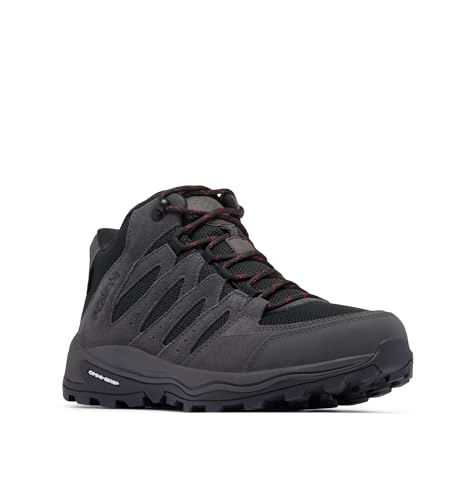
The Redmond IV Mid closes out the list with Columbia’s most versatile waterproof hiker. The mid-cut profile gives you ankle support without the stiffness of a full backpacking boot, which makes it a natural fit for day hikes, dog walks on wet grass, and travel days where you might encounter anything from cobblestones to muddy park paths.
Compared with the Newton Ridge above, the Redmond IV is slightly softer and more flexible out of the box. You trade a touch of structure for comfort right out of the gate.
Everyday Wins
- Waterproof build keeps feet dry across wet trails and rainy sidewalks.
- Mid-cut shaft balances ankle support with walking comfort.
- Available in multiple colorways for shoppers who want options beyond black.
- Comfortable enough to wear straight out of the box without a long break-in.
Possible Compromises
- Less structured than the Newton Ridge Plus II for heavy backpacking loads.
- Lighter insulation means cold-weather hikers need separate winter boots.
- Sizing can run slightly large, so trying on with hiking socks helps.
Feature Rundown
Who It Suits Best
Travelers and casual hikers who want one waterproof boot that handles trails, town, and everything between.
Where Another Pick Suits Better
Restaurant workers need a non-slip outsole, which the SHULOOK Non Slip Work Boot delivers more reliably than any hiker.
What To Weigh Before Choosing Black Boots For Men
Start with the climate and the floor you’ll actually walk on. Snow, slush, grease, and rock each demand a different outsole compound and shaft height. A winter boot with shearling lining feels great at 10 degrees Fahrenheit, but the same boot is overkill and sweaty on a 60-degree spring morning.
Material choice matters more than brand recognition. Full-grain leather resists abrasion and ages well, while suede looks softer but scuffs easily and rarely shrugs off water without a spray treatment. For wet climates, a waterproof membrane beats cosmetic treatments every time.
Fit should always be tested with the socks you plan to wear. Hiking socks add bulk, so a boot that feels snug with dress socks may cramp your toes on the trail. Walk a few laps in the store if you can, and pay attention to heel slip, the leading cause of blisters on day one.
Finally, match the boot to the job. A slip-resistant work shoe belongs in a kitchen, not on a trail. A mid-cut waterproof hiker belongs outdoors, not at a wedding. Buying one boot for every occasion usually means compromising on every occasion.
Smart Choices Across The Lineup
Traps First Timers Fall Into
The biggest mistake is choosing style over safety. Black boots all look similar on a shelf, but the outsole compounds and shaft heights vary wildly. A suede chukka looks sharp, yet it slips on wet floors and stains in rain. Always check the use case before the silhouette.
Sizing is the second slip-up. Online sizing charts rarely match your foot shape. If you have a wide forefoot or high instep, read through customer feedback for width notes before committing. Boots that run narrow cause more blisters than any other gear issue.
Where The Extra Money Goes
Premium boots earn their higher price in three places: leather quality, construction method, and waterproof membranes. A boot with a full-grain leather upper, a seam-sealed waterproof liner, and a Vibram or branded rubber outsole lasts years longer than a glued-together synthetic.
The upgrade makes sense for daily wearers and serious hikers. For occasional use, a mid-tier waterproof hiker like the Columbia Newton Ridge Plus II Hiker delivers most of the protection at a friendlier cost.
Frequently Asked Questions
How do I break in new black boots without getting blisters?
Wear them around the house for short sessions with the same socks you plan to use outside. Thick hiking socks help stretch leather boots, while waterproof socks reduce friction inside synthetic pairs.
Can I wear suede black boots in the rain?
Suede absorbs water quickly and stains permanently without protection. A waterproofing spray helps, but heavy rain still risks damage, so consider a waterproof hiker or rubber boot for stormy days.
What’s the difference between a chukka and a hiker?
A chukka is a low, casual ankle boot with two or three eyelets, built for everyday wear. A hiker adds traction lugs, ankle support, and a waterproof membrane for trail use.
How often should I waterproof my black boots?
Treat leather boots with a waterproofing spray or wax every few months, or whenever water stops beading on the surface. Rubber boots need no treatment, just a rinse after muddy use.
Are slip-resistant boots required for restaurant work?
Most commercial kitchens expect slip-resistant footwear for safety, and many employers require it as part of the uniform. A dedicated non-slip work boot like the SHULOOK protects you and meets standard kitchen policies.
Bottom Line
The right black boot depends entirely on where you spend your days. Snow and slush call for the Sorel Scout 87 Lux Waterproof Boot, casual style favors the UGG Neumel Chukka Boot, and wet trails deserve the Columbia Newton Ridge Plus II Hiker or the Redmond IV Mid Waterproof. Pick the boot that fits your real routine, and it will quietly do its job for years.