Hunting for black nursing sneakers that hold up through back-to-back shifts is a real problem. Floors get slippery, feet swell by hour eight, and the wrong pair turns a long day into a slow ache. I’ve spent time digging into the specs, materials, and fit notes of six popular options so you can match a shoe to your unit, your routine, and your budget. The picks below mix purpose-built work shoes with versatile everyday sneakers that plenty of nurses quietly rely on. Each entry names a real strength, a real trade-off, and the kind of shift it’s made for.
A Quick View Of The Lineup

Skechers D’Lites Biggest Fan

adidas Ultraboost 20 DNA Running Shoes

Skechers Go Walk 5-True
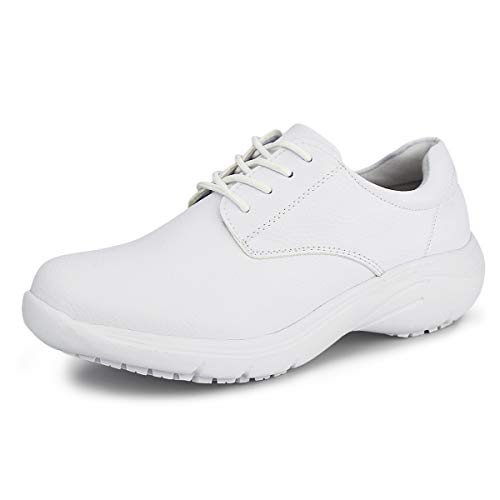
Hawkwell Slip Resistant Nursing Shoes

Hawkwell Cloud Zero Active Nursing Shoes

Slow Man Sock Sneakers Mesh Slip-On
A Breakdown Of The Leading Choices
The Skechers D’Lites Biggest Fan leans into that signature chunky-platform look, which doubles as a tall layer of foam under the foot. That height is the main reason it earns space in so many locker rooms: by the time you’re halfway through a 12-hour shift, the cushion stack is doing the work your knees and lower back would otherwise absorb.
It runs as a fashion sneaker rather than a purpose-built clinical shoe, so it won’t replace a true slip-resistant outsole on a wet floor. For nurses working in lower-slip environments, or those who rotate between a more clinical pair and a cushy everyday shoe, it covers a lot of ground.
Notable Gains
- Tall platform midsole that softens long hours of standing
- Roomy toe box that handles foot swelling through hour ten
- Easy wipe-clean synthetic upper for quick end-of-shift cleanup
- Light on the foot for a chunky-looking silhouette
Honest Caveats
- Outsole grip is general-purpose, not rated for oily clinical floors
- Platform height can feel clunky on stairs and ladders
- Sizing runs a touch loose for narrow feet
Who It Suits Best
Nurses on hard-surface units who prioritize cushion over certified slip resistance and want one shoe for work and weekends.
Where Another Pick Suits Better
The Hawkwell Slip Resistant Nursing Shoes are a smarter match for staff who work around frequent spills and want a dedicated grippy outsole.
The adidas Ultraboost 20 DNA Running Shoes borrow the brand’s flagship running technology, which is a fancy way of saying the midsole bounces back step after step instead of going flat. That energy return is a quiet win for nurses who treat their shift like a long workout and clock serious miles on tile.
The knit upper breathes well, and the elastane heel (a stretchy fabric panel) lets the Achilles move naturally, which matters during long stretches of walking. Trade-off: this is a premium running shoe first, so the price tag climbs and the outsole is built for pavement, not wet hospital floors.
A Few Strong Suits
- Responsive cushioning that holds its bounce across long shifts
- Stretchy knit upper that flexes with the foot during quick pivots
- Elastane heel reduces rubbing on the Achilles during long walks
- Sleek profile that looks polished in casual workplace settings
Worth Bearing In Mind
- Premium pricing puts it above the rest of this list
- Knit upper needs gentle cleaning rather than harsh wipe-downs
- Outsole is road-oriented, not purpose-built for slick floors
Key Specs
Made For
Active nurses who log real mileage, run on days off, and want one shoe that bridges both worlds.
Consider Something Else When
The Skechers D’Lites Biggest Fan delivers similar comfort for a notably lower spend.
The Skechers Go Walk 5-True is the kind of shoe that disappears on your foot, which is exactly what most nurses want halfway through a double. The athletic mesh upper lets heat escape, and the Ultra Go midsole keeps weight down without giving up much cushion. The Air-Cooled Goga Mat insole adds a layer of bounce under the ball of the foot that helps during long standing stretches.
It’s a casual walking shoe at heart, so slip resistance is moderate. For unit nurses in dry environments, or anyone splitting shifts between clinical work and walking commutes, it’s a sensible everyday pick.
Where It Helps
- Breathable mesh upper keeps feet cooler during long shifts
- Lightweight construction reduces end-of-day leg fatigue
- Cushioned insole returns energy with each step
Points To Keep In Mind
- Mesh upper scuffs and stains more easily than synthetics
- Limited structure for staff who need extra arch support
Best Suited To
Nurses on warm units, those with short walking commutes, and anyone who treats one shoe as a daily all-rounder.
Skip It When
The Hawkwell Cloud Zero Active Nursing Shoes make more sense for staff who want a more purpose-built clinical build.
The Hawkwell Slip Resistant Nursing Shoes are designed from the ground up for healthcare and food service floors, which shows in the lace-up work silhouette and the category placement. The lightweight build keeps your legs fresher on day three of a stretch, and the slip-resistant outsole is the feature that actually justifies a place in the rotation.
It’s a work shoe first, so the styling is plain and the cushion stack is functional rather than plush. For nurses on tighter budgets, or anyone rotating between wet and dry units, it’s a sensible foundation.
Why It Works Well
- Slip-resistant outsole designed for clinical and food service floors
- Lightweight build that won’t drag after a full rotation
- Accessible price point for budget-focused staff
- Lace-up fit that adjusts to foot swelling across a shift
Trade-Offs To Consider
- Plain styling that doesn’t transition easily to off-duty wear
- Cushioning is functional but not as plush as Skechers or adidas
Who Should Grab It
Nurses who work around frequent spills, walk on tile or polished concrete, and want a dedicated work shoe at a friendly price.
Not Your Match When
The Skechers Go Walk 5-True is the better call for anyone wanting one shoe to cover work, commute, and weekends.
The Hawkwell Cloud Zero Active Nursing Shoes step the work-shoe formula up with a cushioned, breathable build that borrows from athletic sneakers. The breathable upper helps on hot units, and the cloud-style midsole softens repetitive impact during long corridor walks.
It still sits in the healthcare and food service category, so the silhouette leans work-appropriate. Nurses who want a clinical shoe with a sportier feel tend to gravitate here, especially those who find basic work shoes too stiff underfoot.
What It Does Well
- Cushioned midsole that softens repetitive impact on tile
- Breathable build for warm or fast-paced units
- Hybrid styling that works on and off the floor
Where It May Fall Short
- Mid-tier price puts it above entry-level work shoes
- Sportier silhouette may not satisfy strict dress code preferences
Quick Facts
Right Fit For
Nurses who want a clinical shoe that feels more like a cushioned sneaker and less like a stiff uniform oxford.
Reach For A Different Pick When
The adidas Ultraboost 20 DNA Running Shoes suit staff who want maximum energy return for very high-mileage weeks.
The Slow Man Sock Sneakers Mesh Slip-On trade structure for convenience. The mesh upper feels sock-like, the slip-on design skips the laces, and the air-cushion sole keeps things lighter than the platform look suggests. For nurses with short campus walks, school settings, or home-health routes, that’s a fair trade.
This isn’t a clinical work shoe. The outsole is built for casual walking, not wet floors, and the soft upper won’t stand up to the same punishment as a synthetic work shoe. It earns its spot as a budget-friendly backup or a true off-duty pair.
The Practical Payoff
- Slip-on design saves time on rushed mornings
- Lightweight mesh keeps feet cool
- Lowest price point on the list
Some Limits To Know
- No dedicated slip resistance for clinical floors
- Soft upper shows wear faster than synthetic builds
- Limited structure for staff needing firm arch support
Whose Shelf It Belongs On
Nurses who want a casual backup pair for errands, commute days, and recovery shifts, and who already own a dedicated clinical shoe.
Look Elsewhere When
The Hawkwell Slip Resistant Nursing Shoes are the smarter pick for anyone who needs a true work shoe on wet or polished floors.
Choosing Black Nursing Sneakers That Match Your Shift
A good nursing sneaker earns its keep in three places: the midsole, the outsole, and the upper. The midsole is the foam layer between your foot and the floor, and it decides whether your knees ache by the end of the week. The outsole is the rubber tread underneath, and it decides whether you trust the floor after a spill. The upper is everything that wraps your foot, and it decides whether your toes have room to swell by hour ten.
For 12-hour shifts on hard tile, prioritize cushion over brand. A taller platform like the Skechers D’Lites or a responsive runner like the adidas Ultraboost takes pressure off your joints. For wet units, kitchens, and any setting with polished floors, a slip-resistant outsole is non-negotiable; the Hawkwell Slip Resistant and Cloud Zero Active both earn that label. For warm environments or anyone whose feet run hot, a breathable mesh upper keeps sweat from building up. Fit matters more than style. A lace-up or adjustable upper that lets you tweak volume through the day handles swelling better than a rigid slip-on.
Think about your full routine. Nurses who walk or run on days off may want one shoe that bridges both, while nurses who split clinical and home-health settings often benefit from a rotation: one work-specific pair and one cushioned everyday pair.
Key Considerations Across These Picks
Where Shoppers Go Wrong
The most common mistake is choosing a sneaker for its looks and assuming the outsole will handle a wet floor. Fashion sneakers like the D’Lites and Go Walk look the part, but they’re not built with grippy rubber for clinical surfaces. The other misstep is buying too tight. Feet swell on long shifts, and a snug fit in the morning becomes painful by lunch. Leave a thumb’s width at the toe, and lean toward adjustable uppers if you swell a lot.
Where The Extra Money Goes
Stepping up to a premium running shoe like the adidas Ultraboost 20 DNA buys you energy-return cushioning, a more refined knit upper, and longer foam life. The midsole keeps its bounce well past the point where a budget foam feels flat. For nurses logging serious weekly mileage, that upgrade pays back in fewer aches and a longer-lasting shoe. The trade-off is outsole grip: premium running shoes prioritize pavement over slick tile, so most staff end up keeping a dedicated work pair for wet floors.
Frequently Asked Questions
How do I clean black nursing sneakers without fading the color?
A damp cloth with a small amount of mild soap works on most synthetics and mesh. Skip bleach and harsh detergents, since they break down both the color and the foam in the midsole over time.
Are slip-resistant outsoles really necessary?
For nurses who work around spills, kitchens, or polished floors, yes. A dedicated slip-resistant outsole makes a real difference in those environments, while a general sneaker grip is fine for dry, carpeted, or residential settings.
How long should a nursing sneaker last?
With daily shift use, most work shoes and running shoes need replacing every six to twelve months. Once the midsole feels flat or you notice new aches in your knees or lower back, it’s probably time.
Can I wear running shoes on a hospital floor?
You can, and many nurses do. Just know that road-running outsoles aren’t optimized for wet or polished surfaces, so use extra care around spills, or pair them with a dedicated slip-resistant work shoe.
Do black nursing sneakers show scuffs badly?
Scuffs show on glossy finishes but blend into matte or textured uppers. Synthetic and knit materials tend to hide wear better than patent or smooth leather, which is one reason they dominate the work-shoe category.
Wrap Up
The right pair of black nursing sneakers comes down to where you work, how long you stand, and what your feet need by hour ten. The picks above cover genuine work shoes, cushioned everyday options, and a budget-friendly backup so you can build a rotation that fits your reality. Take a look at the listings, weigh the trade-offs honestly, and trust the pair that matches your unit, not just the one with the best look.