A good pair of black training shoes pulls double duty in my life. I want one that handles a circuit of lifts and short sprints, looks discreet enough for an errand after class, and won’t fall apart after a few months of mixed workouts. The picks below are built around that kind of flexibility: some lean into CrossFit-style intensity, others prioritize comfort and a roomy toe box for runners and lifters with broader feet. I’ll walk through each one, call out the real-world trade-offs, and point you toward the pair that matches the way you actually train.
The Main Contenders

Nike Men’s Free Metcon Cross Trainer (Black)

Pirma Men’s Climber Training Shoe

Reebok Men’s CrossFit Nano 9.0
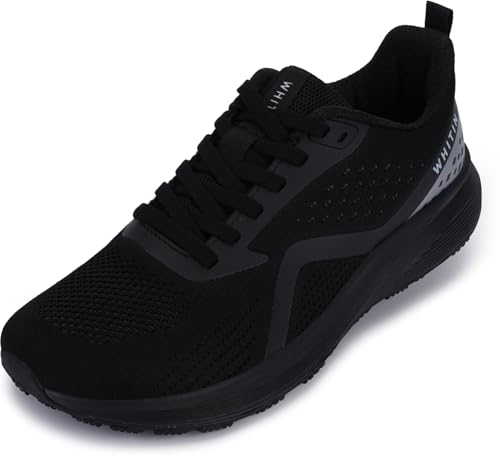
WHITIN Wide Toe Box S71W

Slow Man Wide Toe Box Sneaker
A Deeper Look At The Lineup
The Nike Free Metcon sits in that useful middle ground where a flexible forefoot meets a firm, planted heel. The chain-style mesh (Nike’s webbed, highly ventilated upper material) opens up nicely for agility drills and burpees, while the wider midfoot and heel base keeps you grounded when you load up a back squat or a heavy farmer carry. For someone rotating between a metcon (metabolic conditioning, meaning fast-paced mixed-modality workouts) circuit and a short treadmill warm-up, that balance is the whole story.
It runs in black, which means it doubles as an everyday shoe without looking like a fluorescent gym piece. Compared with the Pirma Climber below, it has a noticeably more structured heel, which matters if you’re pressing overhead or holding a heavy front rack. The trade-off is a slightly firmer ride underfoot during long walks.
What Earns Its Place
- Flexible forefoot chain mesh that breathes well during high-rep conditioning work
- Stable heel platform that handles squats, presses, and carries without rolling
- Versatile black colorway that transitions from gym to casual settings
- Lightweight construction that won’t drag you down during box jumps or jump rope
Trade Offs
- Cushioning is firmer than a dedicated running shoe, so long road miles feel harsh
- The narrow toe box may feel snug for lifters who prefer splay during heavy squats
Quick Facts
Made For
Anyone rotating between lifting and conditioning in the same session and wanting one shoe that doesn’t specialize too hard in either direction.
Look Elsewhere When
The Reebok CrossFit Nano 9.0 suits you better if your training skews almost entirely toward rope climbs, double-unders, and barbell cycling.
The Pirma Climber targets the same mixed-training crowd as the Nike above, but it trims back on branding and on some of the structural detail. That minimalist approach is the whole point: a lightweight upper that handles indoor gym work, treadmill warm-ups, and the occasional outdoor walk without feeling overbuilt. The all-black colorway keeps things visually quiet.
Where the Nike leans into a chain mesh for breathability, the Climber runs a simpler knit-style construction (a sock-like fabric upper that stretches with your foot). For someone who trains three or four times a week and wants a no-fuss black shoe, that’s usually enough. If you push really heavy triples or long metcon sessions, you’ll likely want more midsole cushioning than this minimalist shoe delivers.
What Works In Its Favor
- Lightweight build that stays comfortable through long sessions
- Clean all-black aesthetic with minimal branding
- Versatile enough for indoor classes and casual outdoor wear
Worth Noting
- Minimal cushioning makes it less forgiving during longer runs or repeated box jumps
- Lighter construction may show wear faster for daily gym users who rack up mileage quickly
- Less heel structure than the Nike Free Metcon, which can feel unstable during very heavy loads
Right Fit For
Beginners and casual gym users who want a versatile black shoe at a lower price than the flagship trainers above.
Swap It Out When
The WHITIN S71W is the smarter call if you need a noticeably roomier toe box for wide feet or for lifting comfort.
The CrossFit Nano line has a long-standing reputation in functional fitness, and the 9.0 keeps that DNA intact. The Flexweave upper (Reebok’s woven material that combines strength with stretch in the open areas of the shoe) is built to handle rope climbs, lateral bounds, and the constant on/off transitions that define a CrossFit-style session. Compared with the Nike Free Metcon, this shoe sits a bit flatter and firmer through the midsole, which translates to better ground feel during Olympic lifts.
It’s a shoe that wants to be worked. If your training leans toward box jumps, muscle-ups, and barbell cycling, the Nano 9.0 is a natural fit. For someone who mostly walks, runs, or trains in short sessions, the firmer ride can feel like overkill. Availability tends to fluctuate for older Nano models, so it’s worth checking current stock before committing.
Where It Excels
- Flexweave upper handles rope climbs and abrasive gym movements
- Low, stable heel and broad forefoot support Olympic-style lifting mechanics
- Cushioning is responsive enough for short runs between stations
- Durable construction built for high-frequency training
Small Caveats
- Firmer ride feels less comfortable during long walks or extended treadmill sessions
- Older model year, so availability and color options vary by listing
Feature Card
Who It Suits Best
CrossFit athletes and gym-goers who prioritize lifting mechanics and rope work over running volume.
Where Another Pick Suits Better
The Nike Free Metcon Cross Trainer is the better call if you want more forefoot flex for warm-up jogs and shorter conditioning blocks.
WHITIN built the S71W around a wide toe box (a forefoot section that gives your toes room to splay naturally instead of compressing them). For lifters with broad feet, or anyone who hates the pinched feeling of a traditional trainer, that single design choice changes the entire experience. The shoe is listed for both men and women and works for walking, treadmill running, and casual gym sessions.
Where the Reebok Nano 9.0 leans into high-intensity training, the S71W prioritizes comfort and natural foot positioning. It’s a quieter ride: less lateral structure, more give through the midfoot. If your training includes long walks between sets or recovery days spent on your feet, that softer profile is a real asset.
What Helps Most
- Wide toe box reduces forefoot compression during lifts and long walks
- Unisex sizing accommodates a range of foot shapes
- Versatile profile works for walking, light running, and gym days
Points To Keep In Mind
- Less lateral structure than the Reebok Nano 9.0, which matters during side-to-side agility work
- Cushioning skews soft, so ground feel during heavy deadlifts is reduced
- Roomy fit may feel loose for shoppers with narrow feet
Best Suited To
Lifters and walkers with naturally wide feet who want a comfortable black shoe for training and everyday wear.
Consider Something Else When
The Slow Man Wide Toe Box Sneaker is a better match if you want a grippier, more gym-focused outsole for mixed sessions.
Slow Man’s wide toe box sneaker takes the same roomy-forefoot philosophy as the WHITIN S71W and adds a non-slip outsole (a tread pattern designed to grip smooth gym floors without catching on rubber lifting platforms) plus extra cushioning underfoot. For shoppers who split time between walking, light running, and gym sessions, that combination covers a lot of ground in one shoe.
It’s the most lifestyle-leaning pick in this lineup, and that’s a feature, not a compromise. Compared with the WHITIN, the cushioning feels plusher and the grip pattern is more gym-floor friendly. Compared with the Reebok Nano 9.0, it’s noticeably softer and less aggressive, so it’s not the right call for serious CrossFit work.
What Stands Out
- Non-slip outsole handles smooth gym floors and sidewalks alike
- Extra cushioning softens long walks and recovery days
- Wide toe box accommodates broader feet comfortably
- Understated black profile that works as an everyday sneaker
Honest Caveats
- Plush cushioning reduces ground feel during heavy lifts
- Less structured than the Reebok Nano 9.0 for high-intensity functional training
Perfect Match For
Anyone who wants one comfortable black shoe for walking, light gym sessions, and casual daily wear with a roomy toe box.
Skip It When
The Reebok CrossFit Nano 9.0 is the smarter pick if your training includes rope climbs, Olympic lifts, and high-intensity metcons.
Picking The Right Pair For Your Training Style
The first thing I’d look at is your actual training mix. A shoe designed for CrossFit, like the Reebok Nano 9.0, prioritizes a flat heel and rope-climbing durability. A hybrid trainer like the Nike Free Metcon trades some of that structure for a more flexible forefoot, which helps if short runs or jump rope are part of every session.
Toe box shape matters more than most shoppers expect. If your feet run wide or you spend long sets under a barbell, the WHITIN S71W or the Slow Man sneaker will keep your forefoot from compressing. Narrow-footed lifters often prefer the more sculpted fit of the Nike or the Reebok instead.
Cushioning level is the next real fork in the road. Soft, cushioned trainers like the Slow Man feel great on walks and treadmill jogs, but they can feel squishy during heavy squats. Firmer trainers like the Reebok Nano 9.0 give better ground feedback but feel harsher on long road miles. Honest assessment of your weekly mileage keeps you from over- or under-cushioning.
Outsole grip rounds out the picture. A non-slip pattern helps on smooth gym floors and wet sidewalks, while a more aggressive tread handles outdoor tracks and trails. Most of these picks stick to indoor-friendly tread, so outdoor runners may want a dedicated running shoe in rotation.
Key Considerations Across These Picks
Where Shoppers Go Wrong
The most common slip-up is choosing a shoe built for one sport and expecting it to cover all of them. A cushioned walker won’t handle heavy lifting well, and a CrossFit-specific trainer feels rough on long road runs. Mapping the shoe to your most frequent workout type saves a lot of frustration.
Another trap is ignoring toe box width. Many lifters with broad feet squeeze into standard-width shoes because the brand is familiar. Trying a wide-fit option like the WHITIN or Slow Man often solves chronic forefoot discomfort that no amount of insoles can fix.
Where The Extra Money Goes
Higher-tier trainers tend to invest in upgraded midsoles (the cushioning layer between the insole and outsole), more durable uppers, and brand-specific tech like Nike’s chain mesh or Reebok’s Flexweave. For casual gym-goers, those upgrades are nice but not essential. For daily trainers or competitive athletes, the durability and structural support justify the extra spend.
Frequently Asked Questions
Are black training shoes okay for the gym?
Yes. Color doesn’t affect performance, and black is a smart choice for hiding scuffs and stains over time.
Can I run in training shoes?
Light jogging and warm-up miles are usually fine in any of these picks. For serious mileage, a dedicated running shoe offers better long-term joint protection.
How often should I replace training shoes?
Most training shoes hold up for roughly 300 to 500 miles of mixed use. Rotate between two pairs to extend the life of both.
Do I need wide toe box shoes?
Only if your toes feel compressed or you have bunions or wider feet. Narrow-footed shoppers usually prefer standard-width fits for a more locked-in feel.
What’s the difference between training shoes and cross-trainers?
The terms are mostly interchangeable in casual use. Some brands reserve “cross-trainer” for shoes built specifically for CrossFit-style functional fitness, but the distinction is fuzzy across the market.
Wrap Up
The right black training shoe comes down to your training mix, foot shape, and how much cushioning you want underfoot. The Nike Free Metcon and Reebok Nano 9.0 lead the field for hybrid and CrossFit-style work, while the WHITIN S71W and Slow Man sneaker give wide-footed shoppers the roomy comfort they need. For most people, any one of these will handle a typical gym rotation without complaint.