There’s a quiet frustration that comes with pulling on damp gloves before dawn or shoving wet boots into a closet at the end of a wet hike. I started paying attention to drying gear after watching a friend’s work boots stay soggy for two days, and the smell that followed. The right dryer changes that rhythm overnight, and the six options below cover everything from a passive hangar to a heated multi-port station.
The Leading Options At A Glance

Underwater Kinetics Super Accessory Hanger, Black

PEET Original Dryer Electric Shoe Dryer

DryGuy Force Dry DX Wader Adaptor, 41-inch
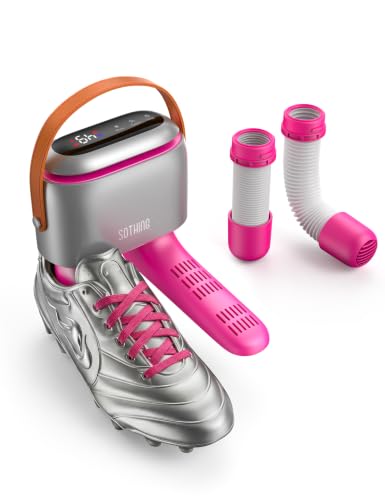
SOTHING Boot Dryer for Sneakers & Cleats

FORLIM Shoe & Boot Dryer for Work Boots

DryGuy Shoe, Boot, Garment & Gear Electric Dryer
A Breakdown Of The Leading Choices
Coming straight out of cold saltwater with a wetsuit dripping onto the deck, the last thing I want is gear flopping around in a pile. This simple hanger steps in where the heated dryers don’t reach: it’s a passive tool designed for divers, surfers, and freedivers who need to air-dry neoprene gloves, hoods, booties, and fins in one spot.
Because it doesn’t generate heat, this piece works best in a garage, on a porch, or anywhere air circulates freely. I see it earning its keep for anyone tired of tossing damp neoprene onto a tile floor.
What It Does Well
- One-piece I-beam body gives it serious load strength, so fins and thick booties won’t bend or bow it.
- Non-corroding plastic resin means rinse-water and salt won’t pit the surface over time.
- Made in the USA for anyone who values domestic build quality.
- Keeps gear off the deck, which extends the life of delicate neoprene by preventing fold-damage.
Things To Consider
- No heating element, so drying relies entirely on ambient air; humid climates slow things down considerably.
Right Fit For
Scuba divers and surfers who rinse gear after every session and need a dedicated airing spot.
Consider Something Else When
Someone wanting fast, heat-assisted drying for leather work boots should look at the PEET Original Dryer instead.
Some dryers hum. Some rattle. This one is built around silent convection heat, which makes it the rare electric dryer I can leave running on a bedroom shelf overnight without a second thought. The original PEET design has been around long enough that it feels like a known quantity for work boots, hiking shoes, and athletic footwear.
For commuters and parents juggling after-school sports, the lack of a fan means it won’t compete with conversation or sleep. I appreciate that the unit handles a pair at a time and runs cool enough for almost any material.
What Pays Off
- Silent operation makes it appropriate for shared living spaces and dorm rooms.
- Energy-efficient convection design keeps long-term running costs minimal.
- Two-shoe capacity covers most daily-use households out of the box.
- Made in the USA with a long-standing reputation in shoe care.
Worth Noting
- Convection-only drying takes longer than forced-air models, so very wet boots may need overnight patience.
- Tall waders and chest boots sit awkwardly without an extension like the DryGuy adaptor.
Who It Suits Best
Apartment dwellers and night-shift workers who need gear dry by morning without a noisy fan.
Look Elsewhere When
Fly fishers with hip boots will find the DryGuy Force Dry DX Wader Adaptor (paired with its base unit) a much better fit for tall gear.
Anglers know the misery of pulling on damp waders at 5 a.m., and this 41-inch adaptor solves a problem most generic dryers can’t touch. It transforms the DryGuy Force Dry DX base unit into a system that reaches up into chest waders, hip boots, and waist-high outdoor boots without folding the shaft.
Tool-free assembly means I can swap between standard shoes and tall boots in under a minute. For surfers and fly fishers dealing with persistent damp seams, this piece turns an already capable dryer into a true specialist.
Why It Works Well
- 41-inch reach tackles chest waders that overwhelm shorter dryers.
- Tool-free assembly removes friction from regular use.
- Targets moisture, perspiration, and odor together, which matters for neoprene and Gore-Tex seams.
Trade Offs
- Only useful when paired with the DryGuy Force Dry DX base, so it’s an add-on cost rather than a standalone solution.
- Limited compatibility outside the DryGuy ecosystem may frustrate shoppers with other brands.
Made For
Fly fishers, duck hunters, and surfers who invest in tall technical outerwear and need it dry for the next outing.
Where Another Pick Suits Better
Ski-boot owners handling tall gear without a DryGuy base should consider the FORLIM Shoe & Boot Dryer, which includes its own forced-air ports.
Athletes know that cleats and sneakers smell worse than boots because they sit in locker rooms. This kit is the only entry on the list that pairs multi-vent drying with ozone freshening, which addresses bacteria rather than just moisture. The 2-in-1 bundle includes two multi-vent racks and two extendable hoses in a storage bag.
What catches my attention is the switchable attachment system. I can run sneakers on the vent racks one day and switch to boot and glove mode the next, which makes it more versatile than the single-purpose options earlier in this list.
The Upside
- Ozone freshening tackles odor at the source, not just dryness.
- Multi-vent racks push 360-degree airflow through shoe interiors for faster drying.
- Switchable attachments handle sneakers, cleats, boots, and gloves from a single base unit.
- Included storage bag keeps the kit organized between seasons.
Points To Note
- Compact profile may struggle with very tall work boots compared to the FORLIM unit.
- Owners commonly report that ozone cycles add a slight scent initially, which fades once gear is aired out.
Who Should Grab It
Soccer players, lacrosse families, and runners who rotate through cleats and sneakers weekly and care about odor control.
Skip It When
Tradespeople in heavy leather boots will get better drying depth from the FORLIM Shoe & Boot Dryer.
Work boots take a beating that sneakers never see: caked mud, snow, sweat, and concrete dust. This 200W forced-air dryer is built for that reality. I notice the telescopic bendable ports reach into toe boxes where moisture hides, and the 2-hour timer prevents the overnight over-drying that cracks leather.
The 180-degree articulating rack flips from flat to upright, so the same unit handles ski boots one week and house slippers the next. For anyone rotating between jobsite and slope, this is the most adaptable heated dryer here.
Benefits That Matter
- Forced-air 200W heat cuts drying time significantly compared to convection-only units.
- Bendable ports extend into deep toe boxes, useful for steel-toe work boots and ski liners.
- Articulating rack fits boots up to 21 cm in shaft height.
- Built-in timer protects leather from over-drying during long sessions.
Honest Caveats
- Forced-air fans produce noticeable noise, which matters in quiet bedrooms.
- Two-port design means drying two pairs takes two cycles rather than running simultaneously.
Best Suited To
Tradespeople, ski instructors, and homeowners who rotate between work boots and snow gear across the same week.
A Better Fit Elsewhere
Anyone needing truly silent operation while sleeping should check the PEET Original Dryer instead.
Quick Facts
When a household runs ski boots, work shoes, sports equipment, and helmets through the same week, a two-port dryer is rarely enough. This 4-port system delivers 105°F airflow across four outlets, which is enough to dry two pairs at once or rotate through gloves and helmets without unplugging anything.
It pairs cleanly with the wader adaptor reviewed earlier, so anyone already invested in the DryGuy ecosystem can expand. Energy efficiency and a gentle temperature curve make it safe for most materials, from leather to neoprene.
Good Reasons To Consider
- Four ports handle two pairs simultaneously, cutting total drying time for busy households.
- 105°F airflow stays gentle enough for leather, fabric, and technical materials alike.
- Compatible with DryGuy accessories like the 41-inch wader adaptor and helmet accessories.
- Energy-efficient design fits daily use without inflating utility bills.
Points To Keep In Mind
- Larger footprint than single-pair dryers like the PEET, so closet space matters.
- Drying time typically runs 1-3 hours depending on saturation, longer than forced-air heat-only units.
Whose Shelf It Belongs On
Multi-sport households juggling ski gear, work boots, and cleats across the same dryer every evening.
Another Choice May Suit
Solo users with one pair at a time may prefer the more compact PEET Original Dryer, which takes up less floor space.
What To Weigh Before Choosing Boot And Glove Dryers
Heat style shapes the experience more than anything else. Convection units like the PEET run silent and safe but take longer, while forced-air models like the FORLIM push warm air through ports and finish faster, with a fan-noise trade-off.
Port count and reach matter for tall gear. Chest waders, ski boots, and snow boots need either extended reach like the DryGuy adaptor or bendable ports like the FORLIM to avoid folding material during drying.
Material compatibility is the silent deal-breaker. Leather cracks under aggressive heat, so a unit with a timer protects expensive boots, while neoprene and synthetics tolerate a wider range.
Capacity versus footprint is the real-world balance. A 4-port unit covers a household, but it takes shelf space that a dorm room may not have.
Smart Shopping Notes For Boot And Glove Dryers
Pitfalls Shoppers Hit
A common slip is buying a 2-shoe unit for a family of four and expecting it to keep up. Another is ignoring port reach and then watching tall boots flop sideways during drying. Always match port height to the tallest item you own.
Where The Extra Money Goes
Higher-tier models buy four things: more ports, gentler temperature curves, accessories for tall gear, and timers that prevent leather damage. For households rotating ski gear and work boots weekly, the upgrade tends to pay for itself within a season in saved replacement costs.
Frequently Asked Questions
How long does it take to dry boots with an electric dryer?
Most quality electric dryers finish a damp pair in one to three hours, while passive air-drying typically takes eight to twenty-four hours depending on humidity.
Can boot dryers damage leather?
Aggressive heat can crack leather over time, so a unit with a built-in timer or low-temperature setting is worth the modest premium for work boots.
Do boot dryers help with odor?
Dryers that include ozone, like the SOTHING model, target odor-causing bacteria, while heat-only dryers reduce odor indirectly by removing the moisture bacteria need.
Are silent dryers worth it for shared spaces?
For bedrooms, dorms, and apartments, silent convection units like the PEET pay off by running overnight without disturbing sleep.
Can one dryer handle both shoes and gloves?
Multi-port units with extension hoses handle gloves, helmets, and boots in the same cycle, which is why 4-port systems suit active households.
Wrap Up
Wet gear is one of those daily irritations that quietly chips away at comfort, and the right dryer puts an end to it. Match the unit to your real workload: passive for divers, silent convection for bedrooms, forced-air for trades, and multi-purpose 4-port units for households. Whichever route fits, drier boots tomorrow morning make the decision worthwhile.