Concrete has a way of finding every weak spot in your feet, and by hour six of a long shift, the dull ache up through your knees tells the whole story. I put this roundup together for warehouse workers, kitchen staff, retail crews, healthcare workers on their feet, and anyone whose daily routine means hours on unforgiving slabs. The picks below focus on arch control, shock absorption, and the kind of structural support that holds up under repeated impact, so your boots stop working against you by lunchtime.
A Quick View Of The Lineup

PowerStep ProTech Control Orthotic Insoles (Made in USA)
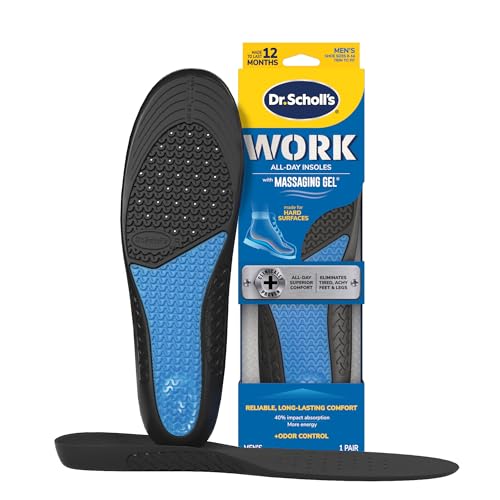
Dr. Scholl’s Work All-Day Superior Comfort Insoles

Dr. Scholl’s Heavy Duty Support Insole Orthotics

Dr. Scholl’s Professional Series Work Insoles

Dr. Scholl’s Advanced Pain Relief Insoles

Georgia Boot AMP Insole

CRUVHEAL 220+ lbs Plantar Fasciitis Insoles (M)

CRUVHEAL Work Orthotic Plantar Fasciitis Insoles (XL)
More On The Choices That Made The List
The ProTech Control is the kind of orthotic that earns its spot in a work boot without fuss. It carries a semi-rigid shell (a firm plastic or composite arch plate that resists bending under load) and a deeper heel cup than most casual insoles, which is what your foot actually needs on unforgiving concrete.
For most nurses, warehouse pickers, and line cooks I hear from, the first thing they notice is the angled heel post. That slight wedge helps stabilize the rear foot at heel strike, which is where plantar fasciitis pain tends to start a long day. Made in the USA, with a contoured arch and full-length foam top cover, it behaves like a clinical insert that you can still trim to fit.
What Pays Off
- Semi-rigid arch plate resists flattening under repeated impact
- Deep heel cup with angled heel post for motion control
- Full-length foam top layer cushions every step without going mushy
- Suitable for plantar fasciitis, flat feet, and overpronation (excessive inward rolling of the ankle)
- Made in the USA with consistent build quality
Things To Consider
- Takes a few shifts to break in, and your boots may feel tighter at first
- Bulkier profile may not fit shallow-dress shoes or tight safety toe boxes
Key Specs
Best Suited To
Workers with plantar fasciitis or flat feet who want clinical-grade support in a boot they wear eight hours a day.
A Better Fit Elsewhere
For shoppers who want a lighter, gel-driven feel for retail or hospitality floors, the Dr. Scholl’s Work All-Day Insoles may suit better.
This is the easygoing entry on the list, and that is on purpose. The Dr. Scholl’s Work All-Day uses a massaging gel core that flexes with your stride rather than fighting it. The gel nodes compress slightly under pressure and rebound as weight shifts, which is what creates that subtle cushioning wave underfoot.
For servers, retail associates, or anyone who logs moderate hours on concrete, the trade-off versus the ProTech is real but reasonable: you give up firm motion correction and pick up a softer ride that slips into most shoes without a break-in period.
The Upside
- Massaging gel layer softens impact without bulk
- Trim-to-fit sizing adapts to many work shoe profiles
- No break-in period, comfortable from the first shift
Worth Noting
- Lacks the semi-rigid arch plate needed for severe overpronation
- Gel nodes tend to lose rebound after months of daily concrete wear
- Less lower-back relief than heavier-duty models on this list
Who It Suits Best
Workers in retail, hospitality, or light warehouse roles who want a low-profile, budget-friendly comfort upgrade.
Reach For A Different Pick When
Heavier wearers or those with chronic heel pain should consider the Dr. Scholl’s Heavy Duty Support Insoles for firmer arch reinforcement.
The Heavy Duty Support is engineered for the body types that flatten a regular insole by lunch. Built specifically for men over 200 lbs and those with wide feet, the arch is taller and the materials denser, which keeps the orthotic from collapsing under load.
Compare that to the Work All-Day model reviewed earlier. Where that pick leans on flexible gel, this one pushes back. The reinforced heel cushioning is what shoppers with lower-back fatigue tend to appreciate most, since absorbing shock at the heel also reduces the jarring that travels up the spine on hard floors.
A Favorable Mix
- Engineered arch height holds shape for wearers above 200 lbs
- Pressure distribution reduces heel-related lower-back strain
- Fits wide-foot profiles that standard insoles cannot accommodate
Trade Offs
- Bulkier construction crowds narrow safety-toe footwear
- Firmer feel takes several shifts to feel natural
Feature Snapshot
Made For
Taller, heavier, or wide-footed workers who have watched standard insoles flatten and disappear within weeks.
Swap It Out When
Lightweight wearers or those in narrow dress shoes will find the CRUVHEAL 220+ lbs Insoles too much insole for their footwear.
The Professional Series is the pick for jobs where the floor is not the only hazard. Its standout trait is the puncture-resistant multi-layer construction, which shields the sole of the foot from sharp debris like scrap metal, nails, or shards of glass on a busy site.
On top of that protective shell sits a gel-foam upper that softens the heel strike. Together, they handle both the dull ache of concrete and the surprise of a hidden hazard. The result is a hybrid insole that earns its keep on industrial floors in a way no plain foam insert can match.
What Makes Sense
- Puncture-resistant layer adds a safety net against sharp objects
- Lightweight build avoids weighing boots down during long shifts
- Gel-foam top layer reduces foot fatigue throughout the day
Room For Improvement
- Protection layer adds noticeable thickness inside tighter footwear
- Less arch rigidity than the PowerStep ProTech for severe overpronation
The Right Fit
Construction, demolition, and industrial crews who need both cushioning and puncture defense in a single insole.
Not Your Match When
Office workers or drivers spending brief hours on their feet should consider the Georgia Boot AMP Insole for a lighter, simpler option.
The Advanced Pain Relief is the most ambitious pain-targeting insole on this list, designed for wearers up to 340 lbs and aimed at ten common lower-body trouble spots. It uses a full-length, heavy-duty shell with built-in energy return, so each step gives back a fraction of the force it absorbs.
That makes it appealing when the pain is not just in the heel but radiates into the knees, hips, or lower back. Compared to the ProTech reviewed first, this insole distributes pressure across a wider surface area rather than focusing correction in the rear foot alone.
Real-World Strengths
- Targets ten lower-body pain points from heel to lower back
- Full-length support prevents shifting inside the boot
- Energy-return foam reduces end-of-shift leg fatigue
Honest Caveats
- Premium thickness crowds shallow-fitting shoes and sneakers
- Higher weight capacity rating may feel overbuilt for smaller-framed wearers
Quick Facts
Perfect Match For
Workers experiencing multi-zone lower-body pain who want one insole that addresses heel, arch, knee, and hip discomfort at once.
Look Elsewhere When
Those with localized heel pain and a preference for a slimmer profile should look at the PowerStep ProTech Control instead.
The Georgia Boot AMP is the simplest insole on this list, and that is its selling point. Made by a brand known for work footwear, the AMP focuses on a single structural feature: a defined heel cup that holds the rear foot centered through every stride.
It comes in three broad size bands (Large fits men’s 9-10.5, X-Large fits 11-12.5, and 2X-Large fits 13-14.5), which means you pick by approximate size rather than trimming. The trade-off is plain. You get targeted heel support without the multi-layer cushioning of the picks above, which works best as an upgrade for an existing Georgia Boot rather than a primary solution.
Useful Touches
- Defined heel cup stabilizes rear-foot alignment on hard floors
- Brand-specific sizing avoids guesswork with trimming
- Pairs naturally with compatible Georgia Boot models
Points To Note
- Minimal arch support compared to orthotic shells on this list
- Limited size bands exclude smaller or women’s sizing
Whose Shelf It Belongs On
Current Georgia Boot owners who want a brand-matched heel upgrade without retrofitting a full orthotic.
Consider Something Else When
Anyone needing serious arch correction or multi-zone pain relief should consider the Dr. Scholl’s Advanced Pain Relief Insoles instead.
The CRUVHEAL 220+ lbs insole is built around a high arch profile, with manufacturer-rated 1.4-inch arch support aimed at keeping the foot elevated through long shifts. It is designed specifically to handle heavier body weight without collapsing over time.
For wearers who have tried softer insoles and watched them flatten, the structural height here is the appeal. It works well in boots with a tall toe box but may pressure the foot in low-volume footwear, an important consideration before ordering.
Notable Gains
- Tall 1.4-inch arch holds geometry under heavy body weight
- Heel cup design distributes pressure to ease plantar fasciitis pain
- Durable construction suited to repeat daily concrete wear
Small Caveats
- Tall arch may feel intrusive in low-profile shoes
- Limited size data may require careful size-chart checking before purchase
Essential Details
Who Should Grab It
Heavier workers with a high arch who need firm lift that will not compress within a month of daily shifts.
Skip It When
Average-weight wearers should consider the more moderate CRUVHEAL Work Orthotic model reviewed next for a friendlier fit.
The CRUVHEAL Work Orthotic rounds out the list as the all-day fatigue fighter. It pairs a cushioning layer with a deep U-shaped heel cup (a cradle that wraps the back of the heel to lock it in place) and shock-absorbing pads at the heel and forefoot.
The result is an insole that aims to soften impact from every angle, which is exactly what a ten-hour shift on concrete demands. It is the more balanced sibling to the taller-arched 220+ lbs CRUVHEAL reviewed earlier, trading extreme arch height for broader comfort across a wider foot profile.
Where It Delivers
- Deep U-shaped heel cup locks the rear foot through every stride
- Shock-absorbing pads reduce impact at heel and forefoot
- Anti-fatigue design suited to long hours of standing
Less Ideal Details
- Less corrective structure than orthotic shells for severe overpronation
- May feel soft to wearers who prefer a rigid underfoot sensation
Built With In Mind
Workers logging long hours on hard floors who want broad fatigue reduction rather than targeted correction.
Another Choice May Suit
For shoppers needing firmer arch control, the PowerStep ProTech Control Insoles deliver a more corrective ride.
What To Weigh Before Choosing Boot Insoles For Standing On Concrete
Arch support is the first thing to weigh, because it determines how your foot sits inside the boot for eight hours. A semi-rigid shell holds its shape under load, while softer foam or gel compresses and flattens faster on hard concrete.
Cushioning depth matters next, especially in the heel where impact starts. Heavier wearers usually need denser foams that resist bottoming out, the point where the cushioning fully compresses and stops absorbing force.
Foot shape plays a bigger role than most shoppers expect. Wide feet often need reinforced arches and broader toe boxes, while narrow feet do better with thinner profiles that do not cramp the toes inside the boot.
Finally, look at construction layers. A single foam insole feels nice for a week, then collapses. Multi-layer builds with a stable mid-layer and a replaceable top cover outlast plain foam by months on industrial floors.
Key Considerations Across These Picks
Where Shoppers Go Wrong
Choosing the softest insole on the shelf is the most common mistake I see. On concrete, soft foam bottoms out fast, leaving you with no support by mid-shift. A semi-rigid shell or denser foam gives you real correction.
Ignoring boot volume is the other common slip-up. A bulky insole crowds the toe box, pushing your foot into the front of the boot and creating new pressure points. Always match the insole profile to the boot’s internal depth.
What Separates Premium From Basic
Premium-tier insoles use multi-density construction, combining a stable mid-layer with a softer top cover for both correction and comfort. Basic foam inserts only have one density, so they either feel supportive for a week or comfortable but flat. Higher-tier models also tend to include targeted features like puncture resistance, energy-return foams, or reinforced heel posts that justify their price for daily concrete wear.
Frequently Asked Questions
How long do boot insoles for standing on concrete typically last?
Most work-grade insoles last somewhere between six months and a year of daily wear before the foam loses rebound. Heavier wearers often notice compression sooner, while rotating between two pairs can extend overall lifespan.
Can insoles fix plantar fasciitis on their own?
Insoles can reduce strain on the plantar fascia (the thick band of tissue running along the bottom of the foot), but they work best alongside stretching, supportive footwear, and reduced impact activity during flare-ups.
Do I need heavy-duty insoles if I am under 200 lbs?
Not always. Standard orthotic insoles often work fine for lighter wearers, but heavy-duty versions provide extra arch height and denser foams that some under-200-lb shoppers still prefer for firmer correction.
Should I choose trim-to-fit or pre-sized insoles?
Trim-to-fit insoles let you dial in a precise fit across multiple boot sizes, which helps if you own several pairs. Pre-sized insoles save time at insertion but require careful size selection to avoid a poor fit.
How do I know if my insole is wearing out?
Visible compression in the heel, flattened arch geometry, or returning end-of-shift foot pain are the usual signs. Replacing the insole at that point restores the support your boots were providing in week one.
The Takeaway
The right insole depends on your body, your boots, and the kind of floor you stand on. Heavy frames and serious overpronation call for firm, orthotic-grade correction, while moderate hours on retail or kitchen floors often do fine with gel or hybrid cushioning. Match the insole to the job, give it a few shifts to settle, and your feet will tell you quickly if you made the right call.