Your Options, Compared

adidas Men’s Terrex Free Hiking Shoe
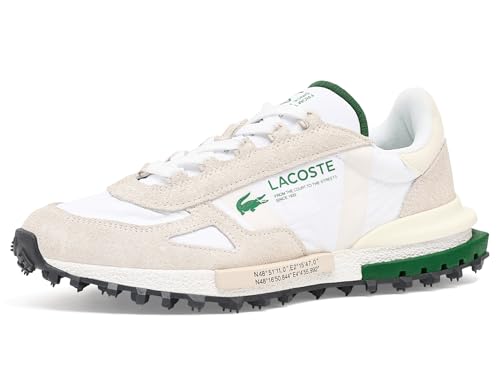
Lacoste Men’s Elite Active Sneakers

Under Armour Harper 10 Baseball Cleats

New Balance Men’s 480 V1 Sneakers

Skechers Men’s Go Walk Arch Fit 2.0 Grand Select
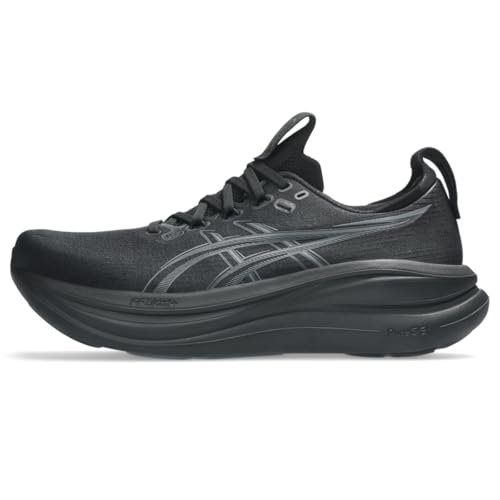
ASICS Men’s Gel-Nimbus 28 Running Shoes

DC Mens Court Graffik

ASICS Men’s Gel-Resolution X Tennis Shoes
More Details On Our Top Picks
The Terrex Free earns its spot by bridging trail-day durability with everyday wearability. I think of it as a hiking shoe that doesn’t telegraph “I just came from a trailhead,” which matters if you wear it straight into a coffee shop or grocery run. The grippy outsole handles loose gravel and wet pavement equally well, so the same pair that manages a forest path also copes with slick sidewalks in fall rain.
Compared to the Lacoste Elite Active we’ll cover next, this pick leans harder toward utility. Where the Lacoste favors nylon overlays and a soft EVA midsole for casual comfort, the Terrex goes aggressive on traction and structural support. For shoppers who split time between pavement and dirt, that crossover is the whole reason to consider it.
Real-World Strengths
- Aggressive lugged outsole grips loose dirt, gravel, and wet rock on real trails.
- Reinforced toe cap takes scrapes from roots and rocks without complaint.
- Quick-drying upper means a puddle doesn’t end your day.
- Versatile enough for weekend hikes and weekday errands in one pair.
Points To Note
- Heavier than a pure fashion sneaker, so all-day urban comfort takes a small hit.
- Mud tends to cling in the lugs; a stiff brush helps during cleaning.
- Style leans outdoorsy, which may clash with dressier wardrobes.
Key Specs
Who It Suits Best
Weekend hikers and outdoorsy commuters who want one pair that handles a trail loop and a Tuesday grocery run without a swap.
Consider Something Else When
The Skechers Go Walk Arch Fit 2.0 is the friendlier call for shoppers who spend long hours standing on hard floors and care less about trail grip.
The Elite Active borrows from 1970s running silhouettes while staying unmistakably lifestyle. The nylon upper carries a soft, lived-in feel out of the box, and suede overlays add the kind of texture that pairs naturally with chinos or denim. For anyone whose wardrobe leans clean and minimal, this slot fits without forcing a style rethink.
I appreciate the molded EVA midsole, which is the foam layer that absorbs shock underfoot, for keeping the ride cushioned without bulk. The active branding stays subtle on the quarter panel, so the shoe reads as polished from across a room. If the Terrex is the trail companion, this one is the dinner-with-friends companion.
Noteworthy Benefits
- Vintage nylon and suede mix gives a soft, broken-in feel from day one.
- Molded EVA midsole cushions commutes and long afternoons on tile.
- Textile lining helps the shoe breathe in warm weather.
- Clean branding keeps it friendly for smart-casual outfits.
Trade Offs
- Suede overlays scuff more easily than full-leather builds, especially in wet conditions.
- Not built for off-pavement use; the outsole favors sidewalks over trails.
Right Fit For
Style-leaning shoppers who want a sneaker that slips into office-casual and weekend dinners without looking out of place.
A Better Fit Elsewhere
The adidas Terrex Free makes more sense for hikers and outdoorsy commuters, since its lugged sole handles real terrain.
The Harper 10 sits in a different lane than the casual picks earlier in this list. It’s a true baseball cleat: synthetic upper, full-length EVA midsole, and a molded rubber outsole tuned for dirt and grass. For rec-league players and weekend tournament warriors, the focus on light weight and traction is the point.
I think of this as a specialist tool that doesn’t pretend to be anything else. Compared to the New Balance 480 coming up, which leans street-ready, the Harper 10 wants a baseball diamond. The cushioning absorbs foul-ball landings and base-running jolts without making the shoe feel clunky on foot.
A Few Highlights
- Synthetic upper keeps weight low over long doubleheaders.
- Full-length EVA midsole softens impacts on hard-packed infields.
- Molded rubber outsole grips grass and dirt across positions.
Things To Consider
- Specialized cleat design limits everyday street wearability.
- Spikes or molded studs may not be legal on every recreational field; check local rules.
Feature Snapshot
Best Suited To
Rec-league baseball and softball players who want a lightweight cleat for practices and weekend games.
Skip It When
The Skechers Go Walk Arch Fit 2.0 is a smarter pick for shoppers who need an all-day casual shoe rather than a sport-specific cleat.
The 480 V1 leans on a basketball heritage, drawing from the BB680 silhouette that pros once wore on court. The leather upper gives it a cleaner, slightly more grown-up line than the mesh-heavy runners above it. For shoppers who want one shoe that handles errands, commutes, and casual weekends, this is the easy default.
What stands out to me is the Ortholite insert, which is a foam insole that resists compression and helps manage moisture, layered over the existing footbed. That small detail quietly upgrades comfort over hours of wear. The shape runs a touch wider than the Lacoste Elite Active, which matters for shoppers with broader feet.
Why It Works Well
- Leather upper offers a clean, versatile silhouette for daily outfits.
- Ortholite insert cushions longer days without breaking down quickly.
- Court-inspired shape gives a subtle sporty edge without screaming athletic.
Honest Caveats
- Leather needs occasional conditioning to avoid creasing and drying out.
- Heavier than mesh running shoes, so it runs warm in summer heat.
Who Should Grab It
Everyday wearers who want a clean leather sneaker that pairs as easily with jeans as with casual chinos.
Look Elsewhere When
The ASICS Gel-Nimbus 28 is the better match for serious runners logging real mileage on pavement.
The Go Walk Arch Fit 2.0 leans hard into comfort engineering, and that’s exactly why it earns its slot here. The heathered knit upper stretches to accommodate swelling feet late in the day, while the bungee lacing slips on without tying. For people whose feet hurt by dinner, this is the pick that genuinely addresses that problem.
I notice the Arch Fit technology was developed from a large pool of foot scans, with podiatrist-certified arch support baked in. That’s a meaningful step beyond generic foam insoles. The dual-density outsole, which mixes harder and softer rubber zones for traction and cushioning, helps on tile, kitchen floors, and grocery aisles alike.
What Helps Most
- Podiatrist-certified arch support eases long hours of standing.
- Slip-on bungee lacing saves time during rushed mornings.
- Heathered knit upper breathes well and flexes with foot swelling.
- Dual-density outsole grips slick floors in kitchens and hospitals.
Some Limits To Know
- Knit upper absorbs water, so wet weather calls for a different pair.
- The relaxed silhouette doesn’t read as formal, even in darker colorways.
Quick Facts
Made For
Healthcare workers, retail staff, teachers, and anyone logging long hours on hard floors who values comfort over street style.
Reach For A Different Pick When
The Lacoste Elite Active is a smarter move for shoppers prioritizing a polished look over maximum foot support.
The Gel-Nimbus 28 sits at the cushioned end of the running spectrum, built for runners who want plush protection over many miles. ASICS has long used gel cushioning in the heel and forefoot, which is a silicone-based insert that absorbs impact on landing. That technology carries forward here, and it makes longer runs feel softer on joints.
For daily mileage, the Nimbus is the comfortable long-haul choice compared to the more style-driven options earlier. The shoe prioritizes a smooth, soft ride over a snappy, responsive feel, so runners who want ground-feel feedback may find it too soft. That’s a fair trade for shoppers prioritizing joint comfort.
Positive Points
- Plush gel cushioning softens long runs and recovery days.
- Breathable engineered mesh keeps feet cooler on warm days.
- Smooth heel-to-toe transition suits runners with joint sensitivity.
Practical Considerations
- Stack height runs tall, which may feel unstable for shoppers unaccustomed to max-cushion shoes.
- Specialized running geometry doesn’t translate to dressy outfits.
Feature Card
Whose Shelf It Belongs On
Regular runners logging weekly mileage and walkers who want a soft, forgiving ride on pavement.
Where A Sibling Pick Shines
The ASICS Gel-Resolution X is the better tennis-court option, since its lateral support suits side-to-side movement more than the Nimbus’s forward bias.
The Court Graffik is DC’s most recognizable lifestyle sneaker, and it earns its long-running status by doing simple things well. The padded tongue and collar, which are the cushioned areas where the shoe meets your ankle and instep, give a pillow-like feel that holds up whether you’re skating a parking block or just walking to class. The cupsole construction, a one-piece rubber outsole that wraps up the sides, adds durability that pure running shoes can’t match.
Compared to the ASICS Gel-Nimbus covered earlier, the Court Graffik trades cushioning technology for impact resistance. For shoppers who want a casual shoe that can take abuse from a skateboard, a garage project, or just a kid who kicks things, that toughness is the appeal.
The Good Stuff
- Pillow-like padded tongue and collar cushion daily wear.
- Cupsole construction handles skate and street abuse.
- Long-running silhouette means easy replacement if you already loved an older pair.
Worth Bearing In Mind
- Heavier than mesh running shoes, so it runs warm in summer.
- Sizing tends to run a touch roomy; trying on helps if you’re between sizes.
Spec Overview
Who Will Love This
Skate-influenced shoppers and streetwear fans who want a casual shoe that can take real impact.
Swap It Out When
The New Balance 480 V1 is the cleaner choice for shoppers wanting a leather look that fits dressier casual outfits.
The Gel-Resolution X is built for players who slide hard into baseline rallies and need lateral support that won’t quit. The DYNALACING system, which is an internal cable lacing system that tightens evenly across the midfoot, locks the foot in place during sharp direction changes. For competitive players, that locked-in feel is the difference between confident footwork and rolled ankles.
I appreciate how ASICS designs the two-piece midsole, which separates heel and forefoot cushioning zones, to add stability on hard landings. That’s the kind of detail that matters more in match play than in casual wear. Compared to the ASICS Gel-Nimbus covered earlier, this shoe trades plush forward-ride cushioning for lateral stiffness.
Useful Touches
- DYNALACING system locks the midfoot during lateral cuts.
- Two-piece midsole adds stability on hard-court landings.
- Reinforced toe area resists drag wear from aggressive slides.
A Few Limitations
- Specialized court geometry makes the shoe feel clunky for everyday walking.
- Stiff platform takes a few sessions to break in fully.
Perfect Match For
Competitive baseline tennis players and dedicated recreational players who prioritize lateral support over plush comfort.
Not Your Match When
The Skechers Go Walk Arch Fit 2.0 is the more forgiving daily option for shoppers who want cushioning over court stiffness.
What Matters When Picking Boot Sneakers For Men
The right boot-sneaker hybrid depends heavily on where you’ll spend most of your time. A trail-ready pair like the Terrex Free handles dirt paths, wet sidewalks, and grocery runs without breaking a sweat, while a court specialist like the Gel-Resolution X stays stiff and supportive during lateral cuts but feels overkill for a coffee shop. For shoppers who split time between pavement and light trail, a hybrid outsole with moderate lugs tends to deliver the best balance.
Fit runs deeper than your usual size. Boot sneakers often run a half size large to leave room for thicker socks, so trying on with the socks you plan to wear matters. The Skechers Go Walk Arch Fit 2.0 fits that pattern well, with its knit upper stretching to accommodate foot swelling late in the day. Shoppers with wider feet often find the New Balance 480 V1 more accommodating than narrow-profile runners.
Materials And Build Quality
Leather, suede, knit, and synthetic mesh each behave differently over time. Leather, like on the New Balance 480 V1, ages with character but needs occasional conditioning. Suede overlays, like those on the Lacoste Elite Active, look refined but scuff more easily in wet weather. Knit uppers breathe and flex but absorb water, so they’re not the best in rain. Synthetic builds, like on the Under Armour Harper 10, stay light and dry quickly but don’t break in the way leather does.
Sole Type And Traction
The outsole tells the real story of what a shoe wants to do. Lugged rubber outsoles, like on the Terrex Free, bite into dirt and gravel. Cupsole construction, like on the DC Court Graffik, survives board slides and curbs. Dual-density rubber, like on the Skechers Go Walk, balances grip and cushioning for hard indoor floors. Flat, smooth outsoles feel fine on clean gym floors but slip on wet pavement.
Style Versus Sport
A genuine boot-sneaker hybrid should handle both looks and movement. The Lacoste Elite Active reads polished enough for casual dinners, while the ASICS Gel-Nimbus 28 telegraphs performance and won’t blend into dressier outfits. Shoppers who want one pair to do everything should prioritize neutral colorways and clean lines, since loud branding limits where a shoe can travel.
Smart Considerations Before You Commit
Common Buying Mistakes To Watch For
Picking a shoe for looks alone often backfires. A pair that looks right with jeans may fall apart on a wet sidewalk, while a heavy-duty trail shoe can feel like a brick at the office. Match the shoe to your most common use case, not your rarest one.
Forgetting to factor in sock thickness throws off fit. Boot sneakers typically leave room for thicker socks, so trying them on with the socks you actually wear helps avoid the painful return a week later.
When Paying More Pays Off
Premium pairs often earn their keep through better midsole foams and more durable outsoles. A higher-tier running shoe, like the Gel-Nimbus 28, generally delivers more miles before the cushioning breaks down, while a higher-end court shoe, like the Gel-Resolution X, gives stiffer lateral support that cheaper models can’t match. The honest read is that price tends to track technology density, not just branding.
Frequently Asked Questions
Can boot sneakers handle real hiking trails?
Some can, especially pairs with lugged rubber outsoles like the adidas Terrex Free. For multi-day backpacking, dedicated hiking boots still give more ankle support, but day hikes on maintained trails are well within reach for many boot-sneaker hybrids.
How do I clean suede and knit uppers?
A soft-bristle brush lifts surface dirt from suede without damaging the nap. For knit uppers like on the Skechers Go Walk, a damp cloth and mild soap usually handles scuffs. Avoid soaking either material, since water can warp suede and stretch knit fibers out of shape.
Are running shoes okay for casual everyday wear?
Yes, though they telegraph sporty styling and don’t blend into dressier outfits. Shoppers who split time between gym sessions and casual dinners often find a neutral running shoe does double duty without issue.
Do court shoes work for activities other than tennis?
The Gel-Resolution X is built for lateral movement, so it handles pickleball and short court workouts fine. For pure forward motion like running or walking, a running shoe delivers a more comfortable ride.
How long should boot sneakers last?
Daily-wear pairs typically last somewhere between a year and several years depending on construction and use. Leather builds and cupsole skate shoes often outlast mesh runners, especially when rotated between pairs to let midsoles recover.
Closing Remarks
The best boot sneakers for men come down to honest use cases: trail days call for grip, workdays call for cushion, and court days call for lateral support. Once you name the most common scenario in your week, the right pair usually reveals itself pretty quickly. Trust the fit, check the outsole, and the rest tends to fall into place.