A good pair of bootfoot waders changes the whole feel of a day on the water. Whether you’re wading a cold creek for trout, taking a youngster out for their first shoreline adventure, or working through late-season hunts in chilly marshes, the right pair keeps you dry, warm, and focused on the experience instead of squelching footsteps. I’ve put together seven solid options spanning kids’ first pairs to breathable fly-fishing setups, so there’s something here that matches how and where you fish.
The Picks In Brief

HISEA Kids Chest Waders Neoprene Youth Wader
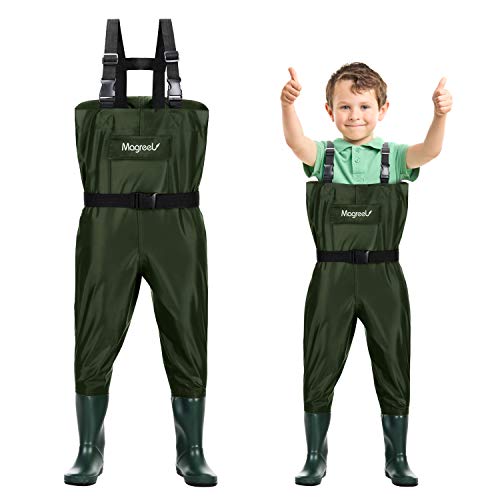
Magreel Chest Waders for Kids with Boots

TIDEWE Chest Kids Waders Lightweight

HISEA Hunting Waders 600G Insulated Neoprene

HISEA Chest Waders 800G Insulated Neoprene

FISHINGSIR Chest Wader with Boots

BASSDASH FW08 Breathable Chest Waders
The Picks, Examined More Closely
Getting a child into wading gear for the first time can feel like a gamble, but the HISEA Kids Chest Waders make that learning curve a little smoother. The 4.5mm neoprene build (neoprene is a flexible, foam-rubber material known for trapping heat) keeps small bodies warm during chilly mornings on the pond, which matters more than parents often realize when a kid’s attention span is already fragile. The chest-high cut also means less splashing into the legs during those inevitable stumbles into deeper water.
Sized for little ones in the 4/5 and 6/7 Little Kid range, this pair fits kids who are still growing fast, so a season or two is the realistic lifespan. Compared to the Magreel option below, the HISEA leans warmer, which is the call I’d make for early spring or late fall outings when the water bites.
Positive Points
- Thick 4.5mm neoprene traps body heat in cold creek water
- Chest-high coverage protects against deeper wading spots
- Bootfoot design simplifies dressing, no separate boot shopping
- One-piece construction reduces leak points that frustrate young anglers
- Kid-specific sizing helps avoid the baggy fit common in adult-mini waders
Trade Offs
- Neoprene runs warm in summer, which may be uncomfortable for July outings
- Sizing covers a narrow age window, so kids outgrow them within a season or two
- Limited color or sizing variety based on what’s listed
Made For
Parents introducing a child to fishing in cool to cold water who want warmth and simplicity over long-term sizing flexibility.
Swap It Out When
Warmer weather trips where breathability matters more, in which case the TIDEWE Kids Waders offer a noticeably lighter build.
The Magreel Chest Waders for Kids sit in a friendly middle ground for families who don’t want to overcommit to a hobby still taking shape. Designed for boys and youth anglers, this chest wader brings the boot-attached convenience that makes dressing a squirming kid far less of a wrestling match. For shoreline fishing and casual pond hopping, it covers the basics without the premium price.
It’s a noticeably more accessible option than the HISEA pair above, though it doesn’t carry the same neoprene warmth. That tradeoff matters most in shoulder seasons when water temps hover in the 50s and a chill sets in fast.
Standout Benefits
- Boot-attached design eliminates mismatched sizing guesswork
- Chest-high cut keeps splash and shallow water from soaking clothes
- Approachable price point for first-time wader shoppers
Worth Noting
- Lacks the insulating neoprene layer found in the HISEA Kids option
- Sizing details aren’t broadly specified, so measuring before ordering matters
- Material specifics beyond waterproofing aren’t outlined in the source
Key Product Details
Best Suited To
Families easing into fishing with kids who only need a starter pair in mild conditions.
Look Elsewhere When
Cold-water trips where insulation is non-negotiable, where the HISEA Kids Chest Waders deliver noticeably more warmth.
The TIDEWE Chest Kids Waders take a different swing than the neoprene-dominant picks earlier in this list. Built around a rugged nylon fabric with a PVC bootfoot (PVC is a flexible, durable plastic commonly used in waterproof boots), this pair is roughly 35 percent lighter than traditional rubber waders. That weight difference is huge for kids who tire out fast trudging through mud, and it makes a long afternoon feel less like a workout.
The two-ply upper fabric (a layered nylon construction that resists punctures and abrasion) adds real durability to the lighter feel, so parents don’t have to baby the gear. It positions this wader as the warm-weather and active-youth option compared to the colder-weather HISEA pair.
Features That Help
- Lighter build reduces fatigue on longer wading days
- Nylon construction handles brush and rocky banks without easy tearing
- Flexible upper fabric moves with a child’s gait naturally
- PVC bootfoot resists punctures from sticks and shells
Things To Consider
- Lacks neoprene’s insulating layer, so cold water bites fast
- Sizing runs in 4/5 and 6/7 Little Kid, similar narrow windows to other youth pairs
- Nylon can hold heat against the skin during still, humid afternoons
Who It Suits Best
Families fishing warmer months or in southern climates where insulation isn’t the priority and mobility matters more.
Consider Something Else When
Trips hit cold spring or fall water, in which case the HISEA Kids Chest Waders’ neoprene warmth becomes the better trade.
When the water temperature drops into the forties and the marsh edges freeze overnight, a basic wader stops being enough. The HISEA Hunting Waders step in with a serious cold-weather setup built around 4.5mm neoprene bonded to a nylon jersey and stretch liner, which is the kind of layered construction that holds warmth during long stationary sits in a duck blind.
The 600-gram Thinsulate insulation (a thin, synthetic insulation rated by weight, where higher numbers mean more warmth) in the bootfoot adds another layer against frosty creek bottoms. Compared to the lighter HISEA 800G model further down the list, this is the everyday-cold-weather pick rather than the deep-winter specialist.
Notable Upsides
- Double-stitched seams with bonded and taped construction resist water intrusion
- Cleated rubber outsole grips slick, muddy banks reliably
- Adjustable suspenders with quick-release buckles for fast layering changes
- Hand-warmer pocket plus eight shell holders for hunt-day convenience
Honest Caveats
- Heavier than nylon options, which adds fatigue during active stalking
- Neoprene runs warm enough to cause sweat during high-exertion hikes
- Reinforced knees add weight some anglers may find bulky
Spec Overview
Whose Shelf It Belongs On
Anglers hunting late-season waterfowl or fishing cold creeks who want insulation without committing to the heaviest 800G setup.
Another Choice May Suit
Mid-winter ice-edge hunters who need every bit of warmth, where the HISEA 800G model pushes insulation higher.
The HISEA Chest Waders 800G model is the deep-cold answer for hunters sitting through January ice-edge sets or chasing steelhead when the river runs frigid. The same 4.5mm neoprene bonded to nylon jersey and stretch liner gives this pair the familiar HISEA flex, but the upgraded 800-gram boot insulation pushes warmth into territory where frostbite worries fade into the background.
This is the wader I’d point a die-hard duck hunter toward, especially compared to the 600G version above, which handles most cold days but starts to lose ground when wind chill climbs and the sun never breaks through.
Practical Pluses
- Heavier 800G boot insulation tackles near-freezing water and prolonged exposure
- Flexible 4.5mm neoprene keeps movement natural despite the warmth
- Reinforced construction suits rough marsh terrain
Points To Note
- Bulk and weight increase noticeably compared to the 600G sibling model
- Overkill for shoulder-season fishing where mobility matters more than warmth
- Higher insulation can feel stifling during active hiking to a blind
Perfect Match For
Late-season waterfowl hunters and ice-adjacent anglers who prioritize warmth above all else and don’t mind the added bulk.
A Better Fit Elsewhere
Active spring gobbler hunters covering lots of ground, where the 600G HISEA offers a better warmth-to-weight balance.
For anglers who want one pair that handles everything from spring bass trips to fall trout outings without a closet full of seasonal waders, the FISHINGSIR Chest Wader pulls double duty well. The upgraded two-ply nylon and PVC upper fabric (two bonded fabric layers for added durability) sits at a knitting density roughly 2.5 times higher than common nylon, which translates to a noticeably tougher feel under rough banks and thorny brush.
It’s the most versatile pick in this roundup, trading the insulating thickness of the HISEA neoprene pairs for a lighter, all-season profile. Compared to the breathable BASSDASH coming up next, this one leans toward durability over moisture management.
Bright Spots
- Tighter knit density creates stronger abrasion resistance
- Taped seams and waterproof boot attachment block water intrusion reliably
- Lighter than neoprene for active bank-walking sessions
- Works across multiple seasons without specialized insulation
Trade-Offs To Consider
- Lacks the insulating layers of neoprene options for cold-water comfort
- PVC components may stiffen in extreme cold, limiting flexibility
- Nylon can trap body heat during still, humid summer afternoons
Feature Rundown
The Right Fit
Bank-fishing anglers and versatile generalists who want a single wader that handles most conditions short of deep winter.
Where A Sibling Pick Shines
Fly anglers covering long distances, where the breathable BASSDASH FW08 reduces sweat build-up significantly.
Fly anglers know the awkward reality of working hard in rubber waders: sweat builds, then chills you from the inside once you stop moving. The BASSDASH FW08 tackles that problem head-on with a three-layer breathable shell fabric (a laminate that lets water vapor out while keeping liquid water out) rated at a waterproofing figure of 15,000mm water column pressure and a moisture vapor transmission rate of 5,000 grams per square meter over 24 hours. Those numbers matter, because they describe how well the wader sheds internal perspiration while still blocking outside water.
It’s the most refined pick in this roundup, sitting at the opposite end of the spectrum from the insulation-heavy HISEA models. Stockingfoot construction (the boots are sold separately, letting anglers choose their own wading boots) lets a fly angler pair it with their preferred boots.
Where It Delivers
- Three-layer shell actively moves sweat outward during active wading
- Fleece-lined hand-warmer pocket adds comfort on cold mornings
- Adjustable two-inch belt with quick-release buckle keeps fit secure
- Detachable fly patch and multiple pockets organize small gear
Where It May Fall Short
- Stockingfoot design requires buying separate wading boots, raising total cost
- Breathable shells offer less insulation than neoprene in freezing water
- Lightweight layered fabric needs careful cleaning to maintain breathability ratings
Core Details
Who Should Grab It
Fly anglers logging long river days who sweat through neoprene and need a wader that breathes as hard as they work.
Reach For A Different Pick When
Cold-water hunters needing serious insulation, where the HISEA 800G model delivers the warmth this breathable shell intentionally sacrifices.
What Matters Most Before Choosing Bootfoot Waders
Insulation vs. Breathability Depends on Your Water Temp The first fork in the road is whether your fishing or hunting happens in cold water that demands neoprene insulation, or in moderate to warm conditions where breathability keeps you comfortable. Anglers chasing trout in spring creeks or hunting ducks in icy marshes lean toward 4.5mm neoprene with gram-rated boot insulation. Fly anglers walking long stretches in mild weather benefit more from breathable shell fabrics that move sweat outward. Choosing wrong here usually means either freezing or sweating through every outing.
Bootfoot vs. Stockingfoot Changes Your Setup Bootfoot waders (built-in boots) suit anglers who value simplicity and grab-and-go convenience, especially kids, beginners, and casual users. Stockingfoot waders (separate boots required) give experienced anglers better traction, ankle support, and the ability to repair or upgrade one component. Pick based on how often you’ll actually wade and how much you care about long-distance hiking to reach the water.
Sizing and Growth Room for Youth Pairs Kid-specific waders only fit for one to two seasons before growth makes them too tight. Measure carefully against the size chart, account for layering underneath in cold weather, and accept that youth waders are a short-term investment rather than a long-term piece of gear.
Seam Construction and Repair Reality Double-stitched, bonded, and taped seams hold up better under repeated kneeling and brush contact. Single-stitched seams are lighter but leak sooner. For anglers who wade frequently, prioritize seam quality, and keep a wader repair kit handy for the inevitable pinhole that comes with regular use.
Key Considerations Across These Picks
Common Shopping Slip Ups
Many shoppers pick bootfoot waders based purely on size without considering how much insulation the water actually demands. A neoprene pair bought for summer fishing becomes a sweat lodge by August. The honest read is to match insulation to your typical water temperature, not the air temperature.
Another frequent misstep is buying stockingfoot waders expecting them to work out of the box. They don’t, and the cost of compatible wading boots can surprise first-time shoppers who didn’t budget for them.
When Paying More Pays Off
Premium breathable waders earn their higher cost through reduced sweat build-up during active wading and lighter pack weight on long approaches. For anglers who spend real hours in their gear, that comfort difference justifies the investment.
Thicker neoprene with higher gram boot insulation costs more but matters most for late-season hunters who sit stationary in freezing water for hours. The warmth premium becomes a comfort and safety upgrade when conditions are harsh.
Frequently Asked Questions
How do I clean and store waders properly? Rinse with fresh water after each use, hang to air dry away from direct heat, and store loosely folded in a cool, dry place. Avoid machine drying or leaving them crumpled in a truck bed, since both shorten the life of seams and coatings.
What size should I choose if I’m between sizes? Size up rather than down, especially if you plan to layer insulating clothing underneath in cold weather. A slightly loose fit breathes and layers better than a tight fit that restricts movement and pulls at seams.
Can bootfoot waders be repaired if they leak? Yes, most pinholes and seam failures can be patched with a wader repair kit or adhesive patches designed for neoprene or breathable fabric. Small repairs extend the life of a wader significantly and cost far less than replacement.
Are youth waders worth it for occasional trips? For families who fish a few times a season, youth-specific waders make sense because they’re properly sized and proportioned for kids rather than being scaled-down adult pairs. They handle casual use well without a major investment.
How long should a quality pair of waders last? With reasonable care, neoprene waders typically last several active seasons, while breathable shell waders can last longer with gentle use and prompt cleaning. Frequent contact with abrasive substrates shortens lifespan regardless of build quality.
Bottom Line
The right bootfoot waders come down to matching insulation and construction to the water you actually fish. For cold-weather hunting, the HISEA 600G or 800G models deliver serious warmth. For versatile, all-season fishing, the FISHINGSIR chest wader strikes a balance. For kids and casual outings, the HISEA or TIDEWE youth pairs handle the job without overcomplicating things. Choose based on water temperature and how often you’ll wade, and the rest falls into place.