Riding gear only helps when you actually wear it, and the best boots for bikers are the ones that feel natural enough to pull on every time the key turns. A solid pair protects against road rash, deflects rain, and still lets a rider feel the shift lever and brake pedal without a fight. I’ve spent time digging through specs, materials, and real use cases for riders who log weekend loops, daily commutes, and the occasional track day. The four options below cover a range of scenarios, from a hardcore motocross boot built for punishment to rain suits that keep street riders dry when the sky opens up mid-commute.
The Essentials At A Glance

Alpinestars Tech 7 Motocross Boots (White/Black)

KEMIMOTO Motorcycle Shoes For Men

KEMIMOTO Motorcycle Rain Suit With Dual Breathable System
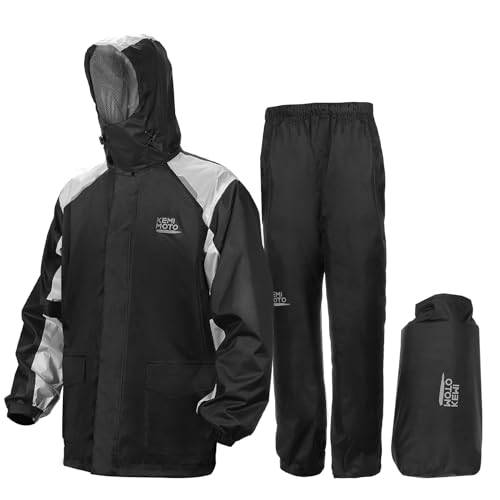
KEMIMOTO Waterproof Motorcycle Rain Suit With Pant
Taking A Closer Look At The Options
The Tech 7 sits in Alpinestars’ mid-to-upper tier of off-road boots, and the construction shows it. A CE-certified rating (a European safety benchmark for motorcycle protective gear) means the boot has passed standardized impact and abrasion tests, which matters when a foot lands wrong on a rocky trail.
Built for motocross, enduro, and aggressive trail riders, this boot feels at home on pegs for hours. Riders who commute on a sportbike might find it overkill, but for anyone logging dirt time, the protection level fits the work.
The Practical Payoff
- An abrasion-resistant toe zone and reinforced shifter area guard against the most common wear points on a dirt bike
- Double pivot ankle hinges with shock-absorbing inserts let the foot flex naturally without giving up side-impact protection
- Self-aligning quick-release buckles make mid-ride adjustments and post-ride removal quicker than traditional strap systems
- The TPU (thermoplastic polyurethane) lower shell holds shape after repeated crashes, so the boot keeps fitting right season after season
Honest Caveats
- The tall, rigid shaft can feel bulky on a short urban ride, and getting used to shifting takes a few outings
- Sizing runs slightly narrow for riders with wider feet, so trying them on with intended socks is wise before committing
Feature Snapshot
Right Fit For
Motocross riders, enduro racers, and aggressive trail riders who want race-level protection and don’t mind a stiffer boot to get it.
A Better Fit Elsewhere
Street commuters who want a lower-profile look should reach for the KEMIMOTO Motorcycle Shoes for Men instead.
Where the Tech 7 leans into hardcore off-road duty, these KEMIMOTO shoes swing the other way. The silhouette looks closer to a hiking shoe or casual sneaker than a motocross boot, which makes them appealing for riders who commute into an office or stop at coffee shops without changing footwear.
A reinforced heel layer is the headline safety feature here, absorbing impact on the area that takes the brunt of a low-side drop. For urban and short-distance riders, that balance of low-key looks and basic protection is often the smarter buy.
Positive Points
- The thick heel protection layer targets one of the most vulnerable areas in a low-speed crash
- A sneaker-style profile slides under most casual pant legs without bulging out
- Lightweight construction reduces foot fatigue on stop-and-go city rides
Things To Consider
- These are not built for high-speed highway crashes or off-road use, so riders pushing those limits should layer up elsewhere
- Ankle protection is more limited than a tall boot, and water resistance tends to be modest in steady rain
- The casual styling may wear faster under heavy use than a dedicated moto boot, depending on how often they are worn
Made For
Daily commuters and casual riders who want light protection without the bulk of a full motocross boot.
Swap It Out When
Riders facing wet commutes regularly will find better coverage in the KEMIMOTO Waterproof Motorcycle Rain Suit With Pant.
Boots protect the feet, but rain hits the rest of the rider just as hard. The KEMIMOTO Rain Suit with Dual Breathable System is a two-piece setup (jacket and pants) aimed at riders who don’t want to cut a ride short because of weather. The dual venting approach is what sets it apart from cheaper rain gear: airflow ports at key points help move moisture out before it turns into a clammy mess inside the jacket.
Touring riders covering long distances in unpredictable climates get the most out of this suit. Anyone running quick errands in light drizzle may find it more than they need.
Noteworthy Benefits
- The dual breathable system reduces the sauna effect that turns basic rain suits into a misery after 30 minutes
- Two-piece construction lets a rider mix and match layers depending on the temperature
- Pants and jacket combo covers more body than a one-piece poncho, blocking road spray from the boots up
Points To Note
- Storing the suit folded takes up more room than a compact emergency poncho, which matters on bikes with limited luggage space
- Like most rain gear, the waterproof coating tends to wear down over time, so owners commonly refresh it with a spray-on treatment each season
Best Suited To
Touring and commuting riders in regions with frequent rain who need a balance of waterproofing and breathability for longer rides.
Where Another Pick Suits Better
Riders facing the harshest downpours may want the heavier 15000MM-rated KEMIMOTO Waterproof Motorcycle Rain Suit With Pant instead.
For riders who shrug off forecasts and ride through whatever falls from the sky, this KEMIMOTO suit goes further than standard rain gear. The 15000MM water pressure rating is the standout spec, and that number tells a clear story. A 10000MM rating is already considered serious storm protection for outdoor jackets, so 15000MM is built for sustained, heavy rain and not just a passing shower.
Reflective strips on the front and back round out the package, raising visibility during night rides through wet conditions. This is gear for the rider who treats rain as part of the ride, not a reason to park the bike.
Notable Upsides
- The 15000MM rating holds up in steady downpours where lighter rain suits soak through
- Reflective elements on both front and back add a passive safety layer on dark, wet roads
- The two-piece setup pairs well over armored riding jackets without bunching
Factors To Consider
- Higher waterproof ratings usually mean less airflow, so the suit can run warm in mild, humid weather
- Storage size is bulkier than a basic emergency poncho, which can be a hassle on smaller bikes
Feature Rundown
Who Will Love This
Storm-prone commuters and touring riders who push through heavy rain and want gear that keeps pace with the weather.
Skip It When
Riders in drier climates who only face light showers will do fine with the more breathable KEMIMOTO Rain Suit With Dual Breathable System.
What To Weigh Before Choosing Boots For Bikers
Matching Protection To The Ride
A motocross boot brings real protection but adds weight and stiffness. Riders spending most of their time on pavement benefit from lighter, lower-profile options that still cover the heel and ankle. The first question to answer is honestly where and how you ride, because the boot that wins on a dirt track loses on a daily highway commute.
Closure Systems And Daily Convenience
Buckle systems on off-road boots are designed to survive crashes and mud, while lace or Velcro setups on casual shoes make for faster on-and-off in city traffic. Riders who stop frequently at lights, gas stations, or coffee shops tend to value that quick entry, even if it means slightly less security around the ankle.
Weather And Layering Choices
Boots handle the lower half, but rain suits cover everything above. Riders in wet climates often pair a sturdy boot with a dedicated rain layer, since no single piece of gear covers both jobs well. Looking at boots and rain gear together, rather than separately, tends to surface gaps in coverage that riders miss when shopping one item at a time.
Smart Choices Before You Buy
Where Shoppers Go Wrong
Picking boots by looks alone is a common trap. A shoe that looks the part on a shelf may offer almost no real impact protection, and riders only learn that lesson in the worst possible moment. The honest read is to check for any certification, reinforcement, or material spec before judging the silhouette.
Another slip up is buying gear only for fair weather. Riders who own solid boots but no rain layer tend to park the bike the moment clouds roll in, which adds up to weeks of missed riding over a season. Treating weather gear as part of the kit from the start usually pays off in more seat time.
The Upgrade Payoff
Higher-tier boots earn their keep in two main ways: certified impact protection and longer service life. A CE-rated boot has passed standardized testing, which is a level of confidence a budget boot cannot match. Riders who crash even once tend to recover faster in better gear, and the same boot often outlasts two or three cheaper pairs because the materials hold up under repeated stress.
Frequently Asked Questions
What is the most important feature in boots for bikers?
Impact protection around the ankle and heel is the single biggest factor, since those areas take the brunt of most low-side crashes. A CE certification is a good signal that the boot has been tested for exactly this kind of impact.
Can I use motocross boots for street riding?
Yes, though the tall shaft and stiff sole feel bulky at first on a street bike. Riders who want a middle ground often choose a shorter, armored street boot for commuting and save the motocross pair for off-road weekends.
How should boots for bikers fit?
Snug around the heel and ankle, with a little room in the toe box for movement. Boots that slide around inside tend to wear faster and offer less protection, since the foot shifts during impact.
Are waterproof boots worth the extra cost?
For riders in wet climates, yes. Waterproof membranes keep feet warm and dry, which in turn keeps a rider focused and comfortable on long rides. In drier regions, breathability matters more than waterproofing.
How long do motorcycle boots typically last?
A well-made pair can last several seasons of regular use, while budget boots often show sole separation or buckle failure within a year or two. Material quality and care routine make the biggest difference.
Bottom Line
The right boots for bikers depend more on where and how you ride than on any single brand or feature. Off-road riders will get the most from the Alpinestars Tech 7, while commuters may prefer the KEMIMOTO street shoe or one of the rain suits for wetter climates. Pick the gear that matches the ride, and the protection feels like a natural part of the journey rather than extra weight to lug around.