Winter sidewalks turn treacherous fast. A solid pair of boots to walk in snow keeps your feet warm, your stride steady, and your commute drama-free when the plows haven’t caught up yet. I’ve pulled together five options that cover kids, adults, deep-winter hikers, and quick-fix traction for any shoe you already own. There’s a mix of insulated classics, lightweight mid-calfs, and rubber traction grips that slip over everyday footwear.
The Lineup, Simplified

SOREL Youth Snow Commander Snow Boots

COOJOY Womens Waterproof Mid Calf Snow Boots

AGOOL Ice Cleats Traction Crampons 28 Studs
Hsyooes Waterproof Snow Boots for Women
More Details On Our Top Picks
Kids don’t pace themselves on snowy sidewalks. They stomp through slush, jump into drifts, and drag their feet on the driveway, so the SOREL Youth Snow Commander earns its place on any parent’s shortlist. The ankle-height build keeps snow from sneaking over the cuff, and the rugged shell shrugs off the kind of abuse that wrecks lighter boots in a single season.
Where it really helps is on cold-wet mornings when the school bus wait feels endless. Insulation holds warmth, the tread grips packed snow, and the overall weight stays manageable for small legs. Compared to the adult picks later in this list, this is the only one scaled for kids rather than adapted down.
Useful Strengths
- Ankle-height cuff keeps snow out during recess and snowball fights
- Rugged outer shell handles scraping along curbs and icy steps
- Insulated lining holds warmth on long waits at the bus stop
- Treaded sole grips packed snow better than a flat-soled sneaker
Points To Keep In Mind
- Heavier than a winter sneaker, which active runners may notice
- Kids outgrow them fast, so sizing up means shorter usable life
- Drying them out fully after slush days takes patience by a warm vent
Made For
Parents outfitting a child for snowy school walks, weekend sledding, and outdoor play in regions with real winter.
Skip It When
An adult walker should look at the UGG Women’s Bailey Bow II or Hsyooes Waterproof Snow Boots for Women instead, since this one runs in kids’ sizing only.
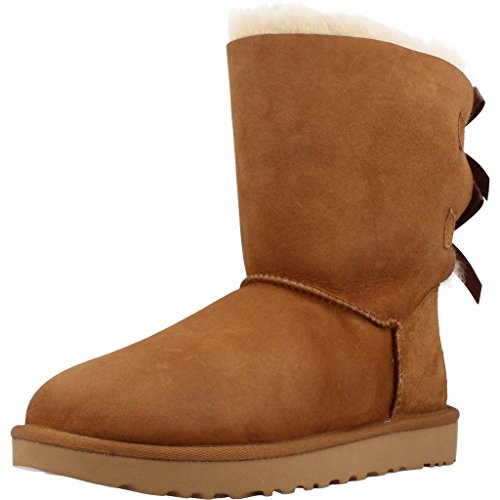
The UGG Bailey Bow II sits in the sweet spot between a fashion boot and something that genuinely handles snow. The silhouette is recognizable, but the sheepskin lining and cushioned sole do real winter work. Walkers who care about warm feet over a long commute rather than deep-snow trekking will appreciate the balance.
Where it earns its keep is on cold sidewalks, quick dog walks, and errand runs when you want comfort without lacing up a heavy hiker. Unlike the SOREL pick above, it’s clearly an adult boot, and unlike the traction grips further down, it actually keeps your feet warm instead of just steady.
Real-World Strengths
- Sheepskin lining holds body heat on chilly morning walks
- Lightweight sole cuts fatigue on multi-stop days
- Decorative bow detail adds a feminine touch without sacrificing function
- Cushioned feel works well for commuters who stand indoors too
Trade-Offs
- Lower shaft than mid-calf options, so deep drifts can creep in
- Sheepskin needs careful drying after slushy days to keep its loft
Key Specs
Whose Shelf It Belongs On
Walkers who want a warm, cushioned boot for cold-weather errands, school pickups, and casual outings.
Look Elsewhere When
Deep-snow hikers should consider the AGOOL Ice Cleats Traction Crampons for layered grip, since the Bailey Bow II is built more for sidewalk conditions than trail use.
The COOJOY mid-calf boot stretches higher up the leg than the Bailey Bow II, which matters when you’re pushing through deeper slush on the way to the train. The furry lining gives it a cozy slipper-like feel that walkers in cold apartments tend to love, and the lightweight build keeps it from feeling like a ski boot.
Where it really earns attention is the wet commute. Waterproof construction plus mid-calf height means snowmelt running down your leg never sneaks in. Compare that to the UGG above, which is shorter and more fashion-leaning, and COOJOY is the more weather-defensive pick.
Notable Gains
- Mid-calf shaft blocks slush splash on wet sidewalks
- Waterproof build holds up through puddle splashes
- Lightweight construction makes long walks less tiring
- Furry lining adds noticeable warmth without bulk
Honest Caveats
- Traction on sheer ice is modest, so extra caution still helps
- Plush lining needs occasional fluffing to keep its loft over time
Right Fit For
Commuters and walkers who deal with slushy sidewalks and want higher coverage than a short fashion boot offers.
Another Choice May Suit
Style-focused shoppers may prefer the UGG Women’s Bailey Bow II for a sleeker silhouette.
The AGOOL traction cleats solve the problem every winter boot can’t quite fix alone: black ice. These slip-on rubber overshoes strap over whatever pair you already own, with metal studs biting into slick pavement. For travelers, apartment dwellers, or anyone whose main winter footwear isn’t built for ice, they’re a low-cost safety upgrade.
Where they earn a spot in this lineup is versatility. You can stash them in a bag, pull them out at a snowy trailhead, or layer them over work shoes when conditions turn ugly. Compared to the SOREL pick at the top, these don’t insulate at all, they just grip.
Bright Spots
- 28 metal studs grip ice far better than standard rubber soles
- Slip-on stretch design fits over most shoes and boots
- Thermoplastic rubber stays flexible in sub-freezing temperatures
- Compact enough to carry in a backpack for trailheads or trips
Where It Is Less Suited
- Adds bulk and an audible click on hard floors indoors
- Strap tension takes a minute to dial in for narrower shoes
Feature Snapshot
Best Suited To
Travelers, apartment dwellers, and walkers who want grip layered over any shoe they already own.
Swap It Out When
Kids heading to the schoolyard should wear the SOREL Youth Snow Commander instead, since traction cleats are sized and tuned for adult shoes.
The Hsyooes snow boot rounds out the list as a straightforward everyday option. Waterproof construction, warm lining, and a shaft tall enough to keep slush out make it the kind of boot you forget you’re wearing on a short commute. For walkers who want a single pair that handles most winter days, it’s worth a serious look.
Where it stands apart is approachability. This is the kind of boot most people picture when they think of basic winter footwear, nothing flashy, just solid coverage. Compared to the COOJOY option above, the silhouette is similar but the brand targets a different price bracket.
The Good Stuff
- Waterproof shell handles wet snow and slushy sidewalks
- Insulated lining keeps feet comfortable in single-digit temperatures
- Mid-height shaft covers the ankle for added warmth
- Versatile enough for commuting, dog walks, and casual outings
Factors To Consider
- Tread pattern is modest, so sheer ice still calls for slow steps
- Bulk is higher than a fashion-leaning boot like the Bailey Bow II
- Long-term waterproofing depends on regular cleaning and drying
Who Should Grab It
Everyday walkers who want a single no-fuss boot for commuting, errands, and neighborhood walks in cold weather.
Reach For A Different Pick When
Anyone hitting icy trails regularly should pair these with the AGOOL Ice Cleats Traction Crampons for added grip.
What To Weigh Before Picking Winter Footwear
Choosing boots to walk in snow comes down to matching the boot to your real conditions. A parent in Minneapolis needs a kid’s boot rated for bitter cold, while a city commuter may want something lighter that handles slush more than deep powder.
Match The Boot To Your Surface
Sidewalk slush, packed snow, and black ice each call for different features. Look for waterproof shells and tall shafts to keep slush out, and pay attention to tread depth for packed surfaces. Traction cleats make the biggest difference on sheer ice that standard rubber can’t grip.
Insulation And Lining Choices
The lining material decides whether your feet stay comfortable or go numb. Sheepskin and synthetic fur trap body heat, while thin linings suit milder climates or short walks. Matching insulation to your typical outdoor time prevents both overheating and chill.
Shaft Height And Coverage
Higher shafts keep deeper snow out and add bulk. Mid-calf options suit deep-snow regions, while shorter shafts work better for casual urban wear. Think about the deepest conditions you’ll realistically face, not just average days.
Weight And Daily Comfort
Heavier boots insulate better but tire your feet faster on long walks. Lighter boots feel easier but may sacrifice warmth or waterproofing. For most commuters, a mid-weight boot with a flexible sole offers the best balance for daily use.
Common Shopping Slip Ups And Where The Extra Money Goes
Mistakes Worth Dodging
Picking by looks alone leaves most people underprepared. A boot that looks great in the box may have a flat sole that slips on ice, or a thin lining that fails at ten degrees. Always check the shaft height, lining material, and waterproof rating before committing.
Another trap is buying too large to allow for thick socks, which creates heel slippage and blisters. The honest read is that proper sizing with your usual sock weight matters more than leaving extra room for layering.
The Upgrade Payoff
Higher-priced boots typically use better waterproof membranes, denser insulation, and tougher outsoles. For walkers facing real winter conditions daily, that upgrade often translates to drier feet, warmer toes, and a boot that survives multiple seasons. Casual users in regions with light snow may find a mid-range option perfectly adequate.
Frequently Asked Questions
Are All Snow Boots Waterproof?
Not all of them. Waterproofing requires a sealed membrane or treated shell, and many fashion-leaning winter boots only resist light moisture. Heavy snow and slush demand a boot specifically labeled waterproof to keep feet dry over time.
How Should Snow Boots Fit?
Snow boots should fit snugly with the socks you plan to wear, leaving a thumb’s width of toe room. Too tight restricts circulation and causes cold feet, while too loose allows heel rub and blisters on longer walks.
Can I Use Regular Boots With Traction Cleats?
Yes, traction cleats like the AGOOL pick stretch over most shoes and boots. They add grip on ice but no warmth, so pair them with insulated footwear for very cold days.
How Do I Clean And Maintain Snow Boots?
Wipe off salt and slush after each use and let boots dry at room temperature away from direct heat. Conditioning leather or treating fabric periodically helps waterproofing hold up across the season.
Are Sheepskin Linings Warm Enough For Deep Winter?
Sheepskin traps body heat effectively and works well in dry cold, but wet conditions reduce its insulating power. For slushy regions, a waterproof shell over sheepskin lining gives the best of both worlds.
Bottom Line
The right boot depends on where and how you walk. Kids need the SOREL Youth Snow Commander’s rugged coverage, while adults chasing comfort gravitate toward the UGG Bailey Bow II. The COOJOY mid-calf and Hsyooes options handle wet commutes well, and the AGOOL traction cleats add grip to anything in your closet. Match the boot to your conditions, and winter walking stops feeling like an obstacle course.