Standing on concrete for hours wears your feet down faster than almost any other surface. The right boots matter whether you’re pulling long shifts in a warehouse, walking city blocks on your commute, or tackling yard work on a hard garage floor. I’ve put together six picks that handle the unforgiving feel of poured slab and sidewalk, covering work boots, rain boots, and a couple of styles that bridge casual and rugged. There’s real variety here, so match the boot to your day, not the other way around.
The Shortlist At A Glance

YELLOWOLF Women’s Tactical Waterproof Work Boots
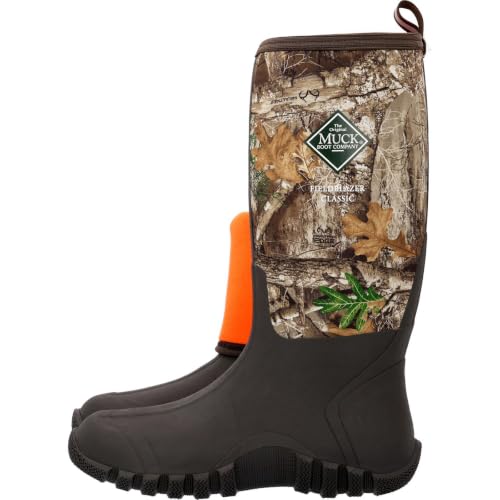
MUCK Men’s Edgewater Classic Mid Boot

Edgewater Original Men’s 15″ Field Boot

Ariat Women’s Canyon Western Cowboy Boot

Florsheim Men’s Medfield Wingtip Oxford

Trudave Rubber Boots with Steel Shank
Inside Each Recommended Option
YELLOWOLF’s tactical boot comes out of the gate built for punishing surfaces, and concrete is exactly the kind of terrain it was made for. The waterproof shell means a wet parking lot or damp shop floor won’t soak through during a twelve-hour shift. I appreciate how this style blends motorcycle-boot attitude with work-boot substance, so it looks at home off-site too.
For anyone walking rebar-strewn job sites or spending the day on warehouse concrete, the ankle support and rugged tread really earn their keep. This is the boot I’d reach for when the day involves stairs, ladders, and surprise weather.
Where It Excels
- Waterproof construction keeps feet dry on wet slabs and puddles.
- Tactical styling offers real ankle stability for uneven ground.
- Rugged tread grips slick concrete without feeling clunky on flat surfaces.
- Versatile enough to transition from job site to casual errands.
- Stands up well to scrapes against pallets, rebar, and rough edges.
Things To Consider
- Break-in time can run longer than a casual work boot.
- Heavier than a plain hiking boot, which some wearers feel by hour eight.
Quick Facts
Built With In Mind
Outdoor workers, motorcyclists, and anyone on their feet on wet or rough concrete for hours at a stretch.
Swap It Out When
The Ariat Women’s Canyon Western Cowboy Boot suits shoppers who want a lighter feel with western styling for indoor floors.
The Edgewater Classic is a mid-cut refresh of the boot that put MUCK on the map, and it’s a smart choice for anyone moving between wet grass and a hard patio. The new lining package pulls double duty: it manages moisture so sweat doesn’t pool against your skin, and it adds a touch of cushion right where you need it. For most backyards with concrete stepping stones and soggy lawn edges, this handles both without a shoe change.
The comfort comes from the same proven last that fans of the original Edgewater keep coming back to. That matters on long walks back and forth across the driveway during weekend projects.
Notable Upsides
- Updated lining manages sweat and adds comfort on hard surfaces.
- Mid-cut height keeps debris out without restricting movement.
- Slip-resistant outsole grips wet concrete and slick floors.
- Pulls on easily, helpful for quick trips out to the garage.
Points To Note
- Not insulated for deep winter work in freezing temperatures.
- Limited ankle support compared to taller work boots.
- Rubber exterior can feel warm in summer sun.
Made For
Homeowners and gardeners who step between wet lawns, garden beds, and concrete patios throughout the day.
A Better Fit Elsewhere
The Edgewater Original Men’s 15″ Field Boot serves shoppers needing taller waterproof coverage for deeper mud and standing water.
The original Edgewater 15-inch field boot is the kind of pull-on that earns its reputation by simply outlasting everything around it. The waterproof rubber shell shrugs off standing water, and the flexible upper shaft means you’re not fighting the boot with every step. Compared to the mid-cut version above, this one climbs all the way up the calf, which changes how it handles deep muck, puddles, and even tall weeds on a back lot.
Underneath, the breathable airmesh lining keeps the interior from turning into a sauna, and the slip-resistant rubber outsole grips concrete that’s been rained on for an hour. Hunters and outdoorsy types tend to reach for this exact profile.
What Stands Out
- Tall 15-inch shaft blocks water, mud, and tall brush.
- Waterproof shell keeps feet dry through standing water and slush.
- Airmesh lining manages interior moisture during long wears.
- Slip-resistant outsole handles wet concrete and slick floors.
- Flexible shaft reduces fatigue compared to stiff taller boots.
- Long-running design trusted by hunters and farm workers.
Room For Improvement
- Tall shaft can feel restrictive for shoppers used to mid or ankle boots.
- Limited insulation makes it less ideal for sub-freezing days.
Feature Snapshot
Who Will Love This
Hunters, farmers, and outdoorsy shoppers who deal with mud, standing water, and rough terrain on a regular basis.
Consider Something Else When
The Trudave Rubber Boots with Steel Shank suit shoppers wanting a steel shank for extra arch support during long walks on hard pavement.
The Ariat Canyon pulls off something most western boots can’t: it looks like a classic cowboy boot but feels closer to a sneaker underfoot. The 4LR technology is Ariat’s four-layer footbed system that delivers lightweight support and stability, which is exactly the kind of detail that matters when concrete is unforgiving. The lightweight EVA midsole (a foam layer that absorbs impact) cushions each step, and the removable insole lets you swap in custom orthotics if needed.
This is the boot I’d suggest for someone running errands across hard floors, doing chores around the house, or standing at events for hours. It doesn’t shout “tactical,” which makes it a friendlier everyday option than the YELLOWOLF.
Everyday Advantages
- 4LR footbed system provides all-day support without bulk.
- Lightweight EVA midsole absorbs shock on hard surfaces.
- Removable insole accepts custom orthotics for personalized comfort.
- Western styling works in casual, social, and ranch settings.
Minor Gripes
- Leather construction isn’t fully waterproof in heavy rain.
- Smooth sole offers less grip on icy surfaces.
- Western heel can catch on uneven terrain or ladder rungs.
- Less protective than a dedicated work boot.
Right Fit For
Shoppers wanting a lighter, stylish boot for stable footing on hard floors, light ranch work, and everyday errands.
Reach For A Different Pick When
The Florsheim Men’s Medfield Wingtip Oxford fits a shopper who wants dress-casual comfort for office and indoor concrete settings.
Florsheim’s Medfield is the odd one out on a list of heavy-duty boots, and that’s exactly why it earns a spot. It’s a wingtip oxford (a dress shoe with decorative perforated patterns across the toe) built on Florsheim’s signature comfort technology, which means dress-casual style without the tooth-rattling feel of cheap dress shoes. The decorative perforations are the kind of detail that quietly elevates an outfit, but the real story is the support system underneath.
For office commutes across marble lobbies, warehouse-store shopping trips, or any day that includes both a dress code and a lot of walking on hard surfaces, this is the boot that doesn’t make you choose between looking sharp and feeling okay.
Positive Takeaways
- Wingtip profile works with dress pants and casual denim.
- Florsheim comfort technology reduces fatigue during long walks.
- Expert craftsmanship shows in the stitching and sole construction.
- Lighter feel than work boots, easier on tired feet.
Honest Caveats
- Leather sole wears faster on rough outdoor surfaces.
- No weather protection for rainy commutes.
- Limited traction compared to rubber outsoles.
Perfect Match For
Office workers and dress-casual commuters who walk across hard floors daily and want style without foot pain.
Look Elsewhere When
The Ariat Women’s Canyon Western Cowboy Boot suits shoppers wanting a more protective, casual boot for outdoor chores and hard surfaces.
Trudave packs serious substance into a straightforward rubber boot, and the steel shank running through the midsole is the standout feature. A shank is a reinforcing strip between the outsole and footbed that adds rigidity, which helps the boot hold its shape under load and protects the arch during long walks on hard ground. The 6mm neoprene build (a flexible, waterproof synthetic rubber) adds insulation without bulk, so this transitions across seasons better than a basic rubber pull-on.
Anti-slip outsoles handle slick concrete, and the waterproof barrier keeps feet dry through standing water and muddy yards. For shoppers who hunt, work outdoors, or maintain a property through rain and mud, this is a versatile multi-season pick.
Benefits That Matter
- Steel shank protects arches during long walks on hard ground.
- 6mm neoprene adds warmth without overheating in mild weather.
- Anti-slip outsole grips wet and oily concrete.
- Waterproof construction handles rain, mud, and standing water.
- Multi-season design works across hunting, work, and yard tasks.
Some Limits To Know
- Steel shank adds slight weight compared to plain rubber boots.
- Neoprene can feel warm during high-exertion tasks in hot weather.
- Style leans purely functional, not office-appropriate.
- Sizing tends toward thick sock wearers.
Feature Card
Best Suited To
Hunters, outdoor hobbyists, and property maintainers who need reliable traction and arch support through multi-season work.
Where Another Pick Suits Better
The MUCK Edgewater Classic Mid Boot works better for shoppers wanting a shorter, lighter boot for everyday yard tasks.
What Matters Most Before Choosing Boots To Wear On Concrete
Cushioning Where It Counts
Concrete has zero give, so the boot’s midsole does all the work of absorbing each footfall. Foam midsoles like EVA compress under load and rebound, taking stress off your knees and lower back. Thicker midsoles feel plush at first but can rob stability over a long day. A medium-firm midsole tends to walk the line best for most shoppers who log hours on hard floors.
Outsole Grip and Tread Pattern
Smooth outsoles turn into liability the moment a slab gets wet, oily, or dusty. Look for rubber compounds with channeled grooves that channel liquid away from the contact patch. Lugged treads (deep, multi-directional patterns) bite better outdoors, while flatter treads suit indoor concrete where debris isn’t an issue.
Shaft Height and Ankle Support
Mid-cut boots balance mobility and protection, while tall pull-ons like the Edgewater Original block water and brush but trade some flexibility. Ankle support matters more on uneven ground than on flat warehouse floors. Match the height to the day, and your feet will thank you by hour six.
Key Considerations Across These Picks
Where Shoppers Go Wrong
Picking a boot by style alone is the most common slip-up, and concrete punishes it. A gorgeous leather oxford looks sharp but offers little shock absorption on long shifts. The other trap is ignoring arch support. Flat-footed shoppers who skip a supportive shank or footbed tend to feel it in their knees and hips by the end of the week. Try the boots on with the socks you plan to wear, and walk on a hard surface before committing.
When Paying More Pays Off
Premium boots earn their higher price through better midsole foams, longer-lasting outsoles, and waterproof membranes that actually hold up. For shoppers who stand on concrete daily, a $30 savings up front often turns into a $100 replacement in eight months. Stepping up to a boot with a steel shank or proper EVA midsole tends to pay for itself in fewer aches, fewer replacements, and better footing when conditions turn slick.
Frequently Asked Questions
Do waterproof boots actually help on dry concrete?
Waterproof membranes don’t add cushion, but they keep feet drier during outdoor transitions, sweaty shifts, and accidental puddles. Dry feet stay comfortable longer, which indirectly helps you walk farther without fatigue.
How long should work boots last on concrete?
Owners commonly report two to three years of daily use before outsoles wear through, depending on tread depth, walking surface, and body weight. Rotating between two pairs can extend lifespan by letting each boot dry fully between wears.
Are steel shanks necessary for flat concrete?
A steel shank adds rigidity under the arch, which helps on long walks and reduces foot fatigue on hard ground. For shorter wears or shoppers with low arches, a supportive footbed can deliver similar comfort without the extra weight.
Can I use rain boots in warm weather?
Modern neoprene boots handle mild weather well, but anything above 80°F can turn the interior muggy. Lightweight socks and shorter shafts help, though dedicated work boots breathe better for hot, dry concrete.
What’s the difference between rubber and leather outsoles?
Rubber grips better on slick surfaces and absorbs more shock, which is why most concrete-friendly boots use it. Leather outsoles look refined and break in nicely, but they wear faster and offer less traction on wet floors.
Wrap Up
Concrete doesn’t negotiate, so the boots you pick should match how and where you stand each day. Heavy-duty work boots bring the toughness for job sites, mid and tall rubber boots handle wet and muddy terrain, and lighter styles like the Ariat Canyon and Florsheim Medfield bridge casual and rugged. Match the boot to your hours, your surfaces, and your routine, and concrete stops being the thing that wears you down.