Rainy weekends, muddy schoolyards, and backyard creek stompings all demand one piece of gear that actually holds up: a solid pair of rubber boots. I put together this list for parents and gift-givers trying to sort through the noise. Every pick below covers a different age range, build style, and weather situation, so the right fit depends less on hype and more on how your kid actually plays.
A Quick View Of The Lineup

Hunter Finley (Toddler/Little Kid)
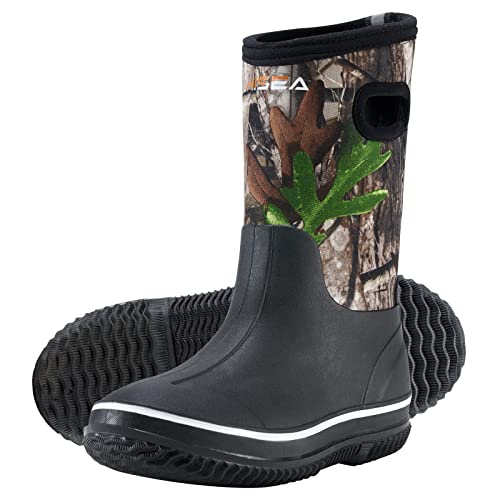
HISEA Kids Rubber Rain Boots with Easy-On Handles

HISEA Kid’s Deck Boots Waterproof Ankle Rain Boots

HISEA Barefoot Friendly Insulated Hunting Rubber Shoes

HISEA Toddlers Rain Boots with Easy-On Handles

HISEA Toddler Rubber Waterproof Chelsea Rain Boots
HISEA Toddler Rain Boots Waterproof Rubber Shoes
The Strengths Of Each Pick
The Hunter Finley sits at the dressier end of the kids’ boot shelf, and that heritage feel is part of why families gravitate toward it. Compared with the chunkier neoprene styles later in this list, the Finley runs as a classic tall matte rubber pull-on with a comfort footbed built in for extra cushioning under small steps.
For city weekends, light rain walks to school, and puddle patrol on dry pavement, the Finley earns its place. Parents who care about a clean silhouette and a recognized brand name will find plenty to like here.
Useful Highlights
- Comfort footbed adds cushioning on long walks.
- Fully waterproof rubber shell handles steady rain.
- Tall cut keeps socks dry in shallow puddles.
- Refined matte finish dresses up easily.
- Recognized heritage brand with consistent sizing.
Things To Consider
- No insulation, so cold mornings get chilly fast.
- Rubber cleans easily but can scuff on rough pavement.
- Pull-on shaft is tougher for wiggly toddlers to manage alone.
Who It Suits Best
Toddlers and little kids in light rain who need a clean, cushioned boot for short urban outings rather than deep mud.
Consider Something Else When
Snowy play or freezing puddles call for the HISEA Kids Rain Boots with Easy-On Handles, which adds neoprene insulation for cold days.
Where the Hunter Finley leans toward clean city style, this HISEA pair leans into serious wet-weather duty. The build pairs a seamless rubber outer shell with a 5mm flex-foam neoprene layer (a synthetic rubber with tiny trapped air cells that holds warmth, the same family of material used in waders). Pull-on handles at the top give small hands a grip.
For families in four-season climates, this is the boot that does double duty across spring showers, autumn mud, and snowy sidewalks. The tradeoff for that versatility is a chunkier silhouette than the dressier Hunter Finley.
What Earns Its Place
- 5mm neoprene liner holds warmth on cold mornings.
- Seamless rubber shell keeps water out in deep puddles.
- Pull handles make independent dressing easier.
- Flexible foam bootie reduces stiffness on long walks.
Worth Noting
- Bulkier than dressier rubber boots, which some kids resist.
- Insulation can feel warm on mild autumn days.
- Rubber takes longer to dry after a soaking if left in a wet closet.
Key Specs
Made For
Active kids who live in wet, cold climates and need one pair of boots to handle rain, slush, and snowdrifts through the school year.
Look Elsewhere When
Pure style matters more than warmth, in which case the HISEA Toddler Rubber Waterproof Chelsea Rain Boots offer a sleeker profile.
If the tall HISEA boots feel like overkill for a quick splash in the driveway, this ankle-height deck boot is the friendlier option. The lower cut keeps weight down, which matters on smaller legs that get tired fast.
For warm-weather puddle play, camping trips, and garden stomping, the lower profile gives more ankle freedom than the taller HISEA Kids Rubber Rain Boots with Easy-On Handles. The honest read is that these will not win any awards in deep snow.
What Stands Out
- Low ankle cut keeps the boot light on small feet.
- Waterproof construction handles garden hose battles.
- Easier to pair with shorts in summer.
Trade Offs
- Short shaft means wet socks in deep puddles.
- No insulation, so cold mornings are out.
- Less lower-leg protection during rougher play.
Best Suited To
Warm-weather play in mild climates where kids splash through shallow water rather than slog through snowdrifts.
Reach For A Different Pick When
Real winter weather is on the agenda, in which case the HISEA Barefoot Friendly Insulated Hunting Rubber Shoes bring serious warmth.
This is the heaviest-duty pick in the lineup and the one most parents skip past without realizing how useful it can be. The 5mm CR flex-foam bootie (a type of neoprene prized for resisting cold and staying flexible) is wrapped in four-way-stretch nylon, then sealed under a rubber shell, so the boot moves with the foot rather than fighting it.
For older kids heading into real cold, hunting trips with the family, or extended time outside in slush, this boot brings warmth without the rigid feel of old-school PVC. The fit leans roomy, which is intentional for thicker socks.
Bright Spots
- 5mm CR flex-foam holds warmth in deep cold.
- Four-way stretch nylon reduces the stiff-rubber feel.
- Roomy fit accommodates thick winter socks.
- Tough outer shell resists scrapes on rocky trails.
Honest Caveats
- Heavier than lighter puddle-focused boots.
- Roomy fit means sizing up carefully for slimmer feet.
- Premium build pushes it past basic rain-boot budgets.
Feature Snapshot
Whose Shelf It Belongs On
Older kids and preteens who spend real time outside in cold, wet weather, especially on family hunting, fishing, or hiking outings.
A Better Fit Elsewhere
Quick puddle-jumping on the way to school is handled better by the HISEA Kid’s Deck Boots Waterproof Ankle Rain Boots, which are lighter for short walks.
Toddlers and first-time boot wearers have specific needs, and this HISEA pair leans into them. The easy-on handles at the cuff give small hands something to grab, which makes the daily wrestling match with rain gear a little shorter. Available in toddler and little kid sizing, the boot is sized for the smallest puddle-stompers in the house.
Compared with the more heritage-styled Hunter Finley earlier in this list, the construction here is more playful and a little more forgiving on stiff little ankles.
Useful Touches
- Pull handles simplify dressing for small hands.
- Toddler-specific sizing avoids the gap of junior boots.
- Waterproof shell handles the basics of rainy play.
- Playful color and pattern options fit kid taste.
Minor Gripes
- No insulation for true winter mornings.
- Rubber smell lingers until aired out for a day.
Feature Card
Who Will Love This
Parents of toddlers taking their first real puddle walks and looking for a forgiving, easy-on boot that simplifies the morning routine.
Swap It Out When
Snowy commutes and frozen sidewalks need the warmer build of the HISEA Kids Rubber Rain Boots with Easy-On Handles for genuine cold-weather coverage.
Most kids’ rubber boots shout with cartoon graphics, but this Chelsea silhouette keeps things grown-up. The slip-on cut relies on elastic side panels rather than pull handles, which trades a little ease for a much cleaner look on small feet.
For outings where style matters as much as waterproofing, like family photos or weekend brunch walks, these step in nicely. The honest read is that elastic-only pull-on can be tougher for the youngest toddlers to wrestle with alone.
Key Advantages
- Clean Chelsea silhouette looks polished.
- Elastic panels slip on without laces or handles.
- Waterproof rubber shell keeps socks dry in light rain.
- Available across toddler and little kid sizes.
Points To Note
- Elastic entry is harder for wiggly toddlers to manage.
- No insulation, so cold weather limits its use.
Perfect Match For
Style-conscious parents who want a clean, modern boot for outings where the kid wants to look put-together rather than puddle-ready.
Not Your Match When
Deep mud and serious weather are on the calendar, in which case the HISEA Kids Rubber Rain Boots with Easy-On Handles offer tougher coverage.
Closing out the list is a basic toddler boot for parents who want straightforward waterproofing without paying for extras. The construction is a standard rubber shell over a simple lining, no insulation, no fancy handles, just a functional pull-on for everyday toddler use.
For backup pairs, daycare bags, or grandparents’ houses, this kind of no-frills option earns its keep. Compared with the heavier-duty HISEA Barefoot Friendly Insulated Hunting Rubber Shoes, the build is leaner but the job it does is far simpler.
Positive Takeaways
- Basic waterproof shell handles everyday puddles.
- Lightweight build suits small toddler feet.
- Easy pull-on for quick outings.
Small Caveats
- No insulation, so cold mornings are out of scope.
- Basic construction may not survive rough use as long as thicker boots.
- Limited cushioning compared with neoprene-lined picks.
Right Fit For
Parents who want a low-cost backup pair for daycare, the car, or occasional puddle days without investing in heavier-duty boots.
Where Another Pick Suits Better
Daily winter wear deserves the warmer build of the HISEA Kids Rubber Rain Boots with Easy-On Handles, which actually insulates against the cold.
What Matters Most Before Choosing Boys Rubber Boots
Start with where the boot will actually live. A boot that spends most weekends on the school run in light rain has very different needs than one hauling a kid through snowy trails or creek beds.
Shaft height is the first call to make. Tall boots keep socks dry in deep puddles and slush, while ankle boots breathe better in summer and weigh less on tired legs. The HISEA Kid’s Deck Boots sit ankle-high, while the rest of the lineup runs taller.
Insulation matters most in cold climates. Neoprene-lined boots like the HISEA Kids Rubber Rain Boots with Easy-On Handles trap warmth; unlined rubber boots are fine above 50°F but get cold fast once temperatures drop. Older kids heading into serious winter should look at the 5mm CR flex-foam build of the HISEA Barefoot Friendly Insulated Hunting Rubber Shoes.
Fit and on/off design are the daily-life details. Pull-on handles make life easier for toddlers who dress themselves. Elastic Chelsea entries like the HISEA Toddler Rubber Waterproof Chelsea Rain Boots look sharper but require a steady hand. Sizing up by a half size leaves room for thick winter socks without tripping over the toe.
Durability shows up in the rubber thickness and the seams. Seamless shells resist leaks longer at the sole joint, which is where most kids’ boots actually fail first. Cleaning is straightforward: a hose-down and air-dry in a ventilated spot handles most messes.
Key Considerations Across These Picks
Pitfalls Shoppers Hit
The most common misstep is buying by color and pattern first. A loud print won’t matter if the boot floods at the sole seam after two weeks. Look for seamless rubber construction and check that the shaft is tall enough for the puddles in your area.
Sizing is the second trap. Kids’ boots run small in some brands and roomy in others, especially the insulated hunting-style fits. Measure the foot and compare, rather than guessing up two sizes for “growing room,” which leads to blisters.
Where The Extra Money Goes
Higher-end picks like the Hunter Finley and the insulated HISEA boots add thicker rubber, layered neoprene, and brand-name construction. That translates to warmer feet, longer waterproofing, and better cushioning over long walks, all worth it for daily wear in tough climates, though overkill for occasional puddle duty.
Frequently Asked Questions
How should boys rubber boots fit?
A snug heel with about a thumb’s width at the toe is the sweet spot. Too loose and blisters show up; too tight and circulation cuts off on cold days.
Can kids wear rubber boots in snow?
Yes, when they have neoprene insulation like the HISEA Kids Rubber Rain Boots with Easy-On Handles. Plain rubber without insulation gets cold fast.
How do I clean muddy rubber boots?
A quick rinse with a hose, a wipe-down with mild soap, and air drying in a ventilated spot handles almost everything. Avoid leaving them in a sealed bag wet.
What’s the difference between neoprene and PVC boots?
Neoprene is a flexible foam that holds warmth and cushions, while PVC (polyvinyl chloride, a hard plastic) is stiffer and colder. Neoprene costs more but feels better on long walks.
How long do kids rubber boots typically last?
With daily school use, expect one to two seasons before toe wear or seam leaks force a replacement. Light weekend use stretches that considerably.
Closing Remarks
The right pair of boots comes down to climate, age, and how your kid actually plays. Tall insulated styles win in cold regions, ankle cuts shine in mild summers, and a Chelsea silhouette handles the dressier outings. Match the boot to the season and the playground, and the rest takes care of itself.