Finding tap shoes for a kid can feel like guessing in the dark. The pair needs to fit small feet snugly without crushing toes, stay quiet enough for apartment practice, and hold up to the inevitable stomping, sliding, and stair-climbing that comes with learning rhythm. I put this list together for anyone shopping for a young tap dancer who’s still figuring out their own style, whether that’s their first recital or their weekly class.
A Quick View Of The Lineup

lalaball Leather Tap Dance Shoes Non-Slip for Kids

Stelle Tap Shoes for Girls Toddler Boys
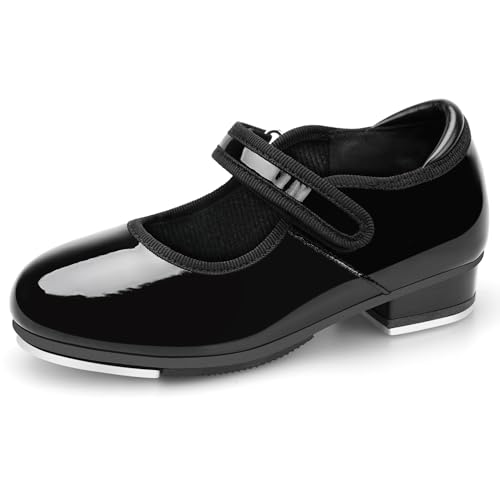
Stelle PU Unisex Tap Dance Shoes for Toddlers

Linodes Slip-On Tap Shoe for Girls and Boys

Dynadans Slip-On Tap Shoes with Elastics for Kids

Dynadans Adjustable Strap Mary Jane Tap Shoe

Dynadans Slide Buckle Strap Mary Jane Tap Shoe
The Picks, Examined More Closely
Real leather sets this pair apart in a category dominated by synthetic uppers. For a kid who just started classes, that detail matters because leather molds to the foot over time, which means fewer hot spots during long rehearsals. The non-slip outsole also gives parents some peace of mind on hard studio floors and slippery hallways.
Compared to the Stelle pairs later in this list, the lalaball leans toward a more traditional tap shoe silhouette. It runs in toddler through big kid sizing, which covers most of the elementary-school dance window.
What Pays Off
- Leather upper softens with wear and feels less plasticky during class
- Wide toddler-to-big-kid size run covers most early elementary dancers
- Non-slip sole helps on polished studio surfaces where younger kids slip easily
- Durable construction tends to survive a full semester of weekly practice
Worth Noting
- Leather uppers typically need a short break-in period before they feel soft
- Limited color options compared to the PU styles from Stelle and Dynadans
Built For First Recitals
A parent buying for a child in their first or second year of tap classes who wants a shoe that grows softer over time.
Look Elsewhere When
The Stelle Tap Shoes for Girls Toddler Boys is a better match for very small dancers in the toddler size range.
Stelle built this pair specifically for the smallest dancers in the room. The toddler range is the headline feature, since lots of tap shoes start at little kid sizes and leave parents of two and three-year-olds scrambling. The unisex shape works well for siblings sharing hand-me-downs.
Where the lalaball above leans on leather, Stelle relies on a synthetic upper that wipes clean after messy art-class days. For a parent running between daycare and dance, that low-maintenance angle is the real draw.
Where It Helps
- True toddler sizing available for the youngest students
- Synthetic upper wipes clean after spilled juice or marker stains
- Lightweight build reduces fatigue during short attention spans
Trade Offs
- Synthetic materials don’t breathe as well as leather during long rehearsals
- Sizing tops out around the early elementary range, so bigger kids outgrow it fast
Made For Tiny Beginners
A parent of a toddler or preschooler taking a “mommy and me” style intro class who needs real toddler sizing.
Swap It Out When
The Dynadans Kids PU Tap Shoes Slip On with Elastics fits older kids in the 10 to 11.5 little kid range more comfortably.
The PU (polyurethane) upper on this Stelle model sits in a useful middle ground. It looks like leather from the studio door but costs less and handles abuse better, which matters when a kid drags the shoes across the backseat every Tuesday. The shape runs slightly roomy, so most parents size down for a snugger fit.
Compared to Stelle’s first entry on this list, this version leans toward the slightly older end of the toddler range. It’s the natural step up once a child outgrows preschool tap and joins a more structured class.
Strengths Worth Knowing
- PU upper balances leather-like looks with wipe-clean practicality
- Lightweight tap plates (the metal taps bolted to the sole) keep young ankles from tiring mid-class
- Unisex profile works for shared use between siblings
Points To Keep In Mind
- Runs slightly roomy, so trying on or careful size checks matter
- PU can feel warm during summer recital season in non-climate-controlled studios
Right Fit For Recurring Classes
A family looking for a dependable weekly-class shoe that survives backseat storage and cafeteria spills.
Not Your Match When
The Dynadans Unisex-Child Adjustable Strap Tap Shoe Mary Jane Flat is a better call when an adjustable buckle matters more than a slip-on shape.
Lace-ups give a level of fit precision that slip-ons and straps can’t match. For a kid with a high instep (the arched area on top of the foot) or a narrow heel, that adjustability is the difference between a shoe that stays put during shuffles and one that slips off mid-routine. Dynadans leans into that secure-feet angle with this PU pair.
Against the Stelle options earlier, this shoe trades convenience for a tighter fit. Parents should expect to spend a few extra minutes tying before each class, which is a fair tradeoff for older dancers doing more aggressive footwork.
What Stands Out
- Lace closure customizes fit across the instep and around the ankle
- PU upper handles weather and accidental puddle splashes well
- Unisex design works for boys and girls in the same class
Small Caveats
- Young kids need help tying, which slows down car-to-studio transitions
- Laces occasionally need replacing after repeated yanking
Feature Snapshot
Whose Routine Needs This
An active kid whose foot slips in standard slip-ons and who benefits from a tightened lace during faster choreography.
Skip It When
The Linodes Slip-On Tap Shoe is the smarter pick for a child who needs to dress themselves without help.
Slip-on tap shoes solve a problem most parents don’t anticipate until it ruins a Tuesday morning: a child who can’t yet tie laces racing against a studio clock. Linodes builds this pair for that exact scenario, with a stretchy opening that widens for entry and grips the foot once on.
It also ranks high in the boys’ dance shoes category on the retailer’s listings, which suggests steady demand from families who keep coming back. The unisex cut keeps the styling neutral for boys who don’t want anything too flashy.
The Value In It
- Slip-on design removes the tying bottleneck at drop-off
- Unisex cut works across sibling hand-me-downs
- Popular boys’ dance shoe listing means easy reorder if the first pair wears out
- Lightweight sole keeps the rhythm work comfortable for shorter classes
A Few Limitations
- Slip-ons loosen over time as the elastic stretches with wear
- Less precise fit than the lace-up Dynadans for narrower feet
Perfect Match For Independent Kids
A child who wants to get ready alone and a parent who values a fast, no-fuss drop-off routine.
Reach For A Different Pick When
The Dynadans PU Lace Up Tap Shoes for Kids delivers a tighter fit when slipping becomes a problem mid-class.
Elastic gore panels are the small engineering choice that makes a big difference for kids with wider feet or higher insteps. The stretch sections on either side of the tongue let the shoe open wider on entry and hug the foot once it’s on. Dynadans built this pair with that in mind.
Sitting in the 10 to 11.5 little kid range, this shoe covers a narrow but common sizing sweet spot for first and second graders. Compared to the Linodes slip-on earlier, the Dynadans offers a touch more structure around the heel.
The Upside
- Elastic gussets accommodate wider feet without forcing a size up
- Slip-on convenience keeps drop-off quick
- PU upper handles weather and spills
Where It May Fall Short
- Limited size window means bigger kids age out quickly
- Elastic can lose some rebound after a year of heavy use
Quick Facts
Best Suited To
A first or second grader with a wider foot who struggles with narrow slip-on openings.
Where Another Pick Suits Better
The lalaball Leather Tap Dance Shoes Non-Slip for Kids is the upgrade path for parents wanting real leather once the kid settles into a routine.
Mary Jane tap shoes have a certain recital-ready look that lace-ups and slip-ons can’t quite match. This Dynadans version adds an adjustable hook-and-loop strap across the instep, which lets parents tighten or loosen as the child’s foot grows between recitals.
The trade-off shows up in convenience. Hook-and-loop closures are easier than buckles for small fingers but slower than true slip-ons. For most families, that balance lands in a sweet spot for kids who want independence but still need some adjustability.
Benefits That Matter
- Adjustable strap accommodates growth spurts between shoe purchases
- Mary Jane silhouette looks polished under recital lighting
- Hook-and-loop is easier than buckles for small hands
Honest Caveats
- Hook-and-loop can lose grip after many cycles of opening and closing
- Mary Jane styling reads slightly more feminine, which some boys may notice
Who Should Grab It
A family prepping for a recital who values a more classic shoe silhouette and an adjustable fit.
Consider Something Else When
The Dynadans Slide Buckle Strap Mary Jane Flat offers a similar look with a buckle instead of hook-and-loop for kids who prefer that style.
A slide buckle strap is a small detail that makes a noticeable difference at recital time. Instead of Velcro catching on tights or socks, the buckle sits flat against the foot and looks cleaner from the audience. This Dynadans pair uses that closure for a slightly more grown-up feel.
Compared to the adjustable-strap sibling just before it, this version swaps some ease of use for a tidier look. Kids around age 7 or 8 can usually manage the buckle, while younger dancers may still struggle.
A Strong Showing
- Buckle strap delivers a polished recital appearance
- Mary Jane styling pairs well with classic tap recital costumes
- Adjustable buckle holes fit a range of foot shapes
Less-Strong Areas
- Younger children may need help fastening the buckle each class
- Buckles occasionally loosen mid-routine on narrower ankles
Built With The Recital Stage In Mind
A parent shopping for a child who performs and wants a shoe that looks the part under stage lights.
A Better Fit Elsewhere
The Linodes Slip-On Tap Shoe is the practical pick when recital looks matter less than fast, independent dressing.
Getting The Fit And Feel Right
Sizing Up A Growing Foot
Kids’ feet grow in unpredictable bursts, and tap shoes fit snugly compared to sneakers. Measure the foot in the evening when it’s slightly swollen, and leave roughly a thumb’s width at the toe for growth. For tap specifically, a too-loose shoe causes the metal taps to slap unpredictably, which throws off timing.
Choosing Materials That Match The Schedule
PU synthetic uppers handle spills and weather at the cost of breathability. Leather uppers mold to the foot over weeks and feel more broken-in, but cost more and need occasional conditioning. For a once-a-week class, PU is usually fine. For a child doing multiple practices, leather is worth considering.
Closure Types And Independence
Slip-ons let kids dress alone but loosen with wear. Lace-ups deliver the best fit but slow down car-to-studio transitions. Hook-and-loop and buckle straps sit in between, offering adjustability with manageable speed.
Style Versus Substance
Mary Jane silhouettes look recital-ready and read slightly more formal, which helps under stage lights. Plain slip-ons and lace-ups are more casual but still functional for class. For a child who hates attention, plain styles are easier; for one who loves the spotlight, Mary Janes add to the costume.
Key Considerations Across These Picks
Where Shoppers Go Wrong
The most common mistake is sizing up too far to “get more wear,” which leaves the foot sliding and ruins tap technique. Another trap is buying for the current shoe size instead of the next two months of growth. Finally, skipping the heel check costs some families a semester of blisters, because the heel should sit snug without slipping on every step.
When Paying More Pays Off
Higher-tier tap shoes typically add real leather, better-mounted tap plates, and sturdier stitching at stress points. The upgrade makes sense for a child in their second or third year of class who practices multiple times a week. For a casual once-a-week student, the savings on entry-level PU shoes can go toward dance-class fees instead.
Frequently Asked Questions
How do I know if a tap shoe fits correctly?
The toe should sit roughly a thumb’s width from the front, and the heel should not lift when walking. If the foot slides forward during a shuffle, the shoe is too roomy.
Are leather tap shoes better than synthetic ones?
Leather molds to the foot and breathes more, but PU synthetic handles spills and weather with less fuss. For most weekly classes, synthetic is a practical choice.
At what age should a child start tap classes?
Many studios accept students around age 3 or 4 in introductory classes, with more structured training beginning around age 5 or 6.
How long do kids’ tap shoes usually last?
With weekly wear, a pair typically lasts one to two semesters before the child outgrows it, even if the construction still holds up.
Can boys wear Mary Jane style tap shoes?
Yes, the Mary Jane silhouette is unisex in cut, and many studios accept it for boys. Comfort and fit matter more than traditional gender styling.
Wrap Up
The right pair depends mostly on the child’s foot shape, independence level, and how often they practice. Slip-ons win for fast drop-offs, lace-ups win for secure fit, and Mary Janes win for recital polish. Whichever direction feels right, fit and comfort will carry a young dancer further than any single feature on the spec sheet.