Sweaty feet end more good workdays than most people want to admit. When leather feels like a sauna by 10 a.m., focus slips, socks bunch, and the afternoon drags. The picks below tackle that problem from two angles: boots built with airflow in mind, and the right socks to keep air moving even inside a fully enclosed boot. I’ve grouped them so you can pair smartly.
The Main Contenders

Darn Tough Vermont Men’s Hiker Boot Socks (1405)

Darn Tough Vermont Men’s Hiker Micro Crew Sock
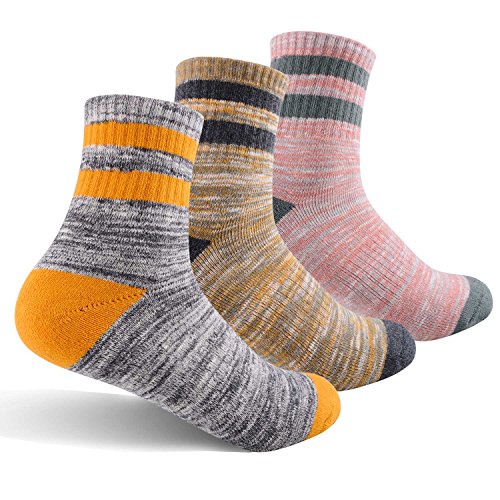
FEIDEER Women’s Hiking Walking Socks Multi-Pack

Workbull Men’s 6″ Moc Toe Work Boots

Workbull Men’s 6″ Steel Toe Work Boots

Workbull Men’s 6″ Moc Toe Work Boots (Goodyear Welt)

SUREWAY Men’s 6″ Soft Toe Moc Toe Leather Work Boots
Inside Each Recommended Option
When I think about breathable footwear, I start with the layer closest to the skin, because socks quietly decide whether a boot feels fine or foul by lunchtime. The Darn Tough 1405 leans on merino wool for most of its fiber blend, with nylon carrying the structural load and a small measure of Lycra Spandex keeping things snug. That mix matters: merino pulls moisture away from the skin and lets it evaporate, while nylon resists the abrasion of a hard boot interior day after day.
The sock is knit in the United States with a fine gauge, which generally translates to a dense, smooth fabric that resists pilling and wear. For most workdays I expect these to feel cushioned underfoot without that swampy trapped heat that ruins an otherwise solid boot.
Strengths Worth Knowing
- Merino-heavy blend that manages moisture across a full shift
- Nylon reinforcement supports long-term shape and abrasion resistance
- Midweight full cushion softens impact on concrete and steel grating
- Fine gauge knit helps socks slide on without bunching behind the toes
- Made in the USA under the brand’s domestic production program
Things To Consider
- Midweight cushion runs warm in summer warehouses, so hot environments may want a lighter option
- Boot-height cuff assumes taller footwear; low-cut work shoes will leave fabric exposed above the ankle
Made For
Tradespeople and warehouse crews pulling eight to twelve-hour shifts who want a sock that breathes as hard as they do.
Consider Something Else When
The Darn Tough Vermont Men’s Hiker Micro Crew Sock fits better under ankle-height boots without fabric bunching around the lower calf.
The micro crew cuff is the move when boots sit a little lower on the ankle and a tall sock would just bunch. Compared with the 1405 boot sock above, this one sacrifices some calf coverage for a cleaner fit inside six-inch work boots, moc toes, and lighter hikers. I think of it as the daily rotation sock that stays out of the way.
Darn Tough builds its hiking socks on the same platform regardless of height, so the merino-and-nylon breathability story carries over. For most users, the difference comes down to fit and climate: less fabric on the leg, slightly cooler feel.
Features That Help
- Shorter cuff works well with ankle-height boots and casual work shoes
- Same moisture-wicking merino base as taller Darn Tough hiking socks
- Performance fit reduces slipping inside the boot during repetitive motion
Points To Note
- Less leg coverage means little protection against lace bite or debris at the ankle
- Midweight cushion can feel heavy in summer, so hot shops may want a lighter weight
Best Suited To
Workers in six-inch boots who want a clean cuff line without losing merino’s moisture management.
Skip It When
Taller boots or cold-damp worksites call for the Darn Tough Vermont Men’s Hiker Boot Socks (1405) for extra leg coverage.
The FEIDEER multi-pack solves the most annoying problem about work socks: running out. Buying one pair at a time burns through a week’s laundry cycle fast, and breathable socks only stay breathable when clean. A multi-pack spreads cost across several pairs and keeps a rotation going without a midweek scramble.
These are positioned as cotton crew socks with wicking cushion, aimed at hikers and walkers. Cotton does not manage moisture as well as merino, so I expect them to feel comfortable in moderate conditions but heavy in hot, humid environments. For desk-adjacent or light-duty work, they fit the brief.
A Few Strong Suits
- Multi-pack format supports a steady rotation through the work week
- Crew height pairs cleanly with mid-cut work boots and casual shoes
- Cushioned sole adds comfort on long days of standing or walking
- Designed specifically for women’s foot sizing, which often differs from men’s socks
Honest Caveats
- Cotton-based fibers hold moisture longer than merino, so feet may feel damp in hot conditions
- Less durable under heavy industrial use than wool-forward socks like the Darn Tough pair
- Multi-pack sizing runs large; check the size chart before committing
Who Should Grab It
Women stocking up on everyday work and walking socks who want cushioned comfort without paying a premium per pair.
Look Elsewhere When
Hot, sweaty environments demand the moisture-wicking wool construction of the Darn Tough Vermont Men’s Hiker Boot Socks (1405) instead.
Not every job needs a steel toe, and forcing steel protection where it isn’t required just adds weight and heat. Workbull’s moc toe comes in both steel and soft toe versions of the same boot, so crews can match protection level to the worksite without switching models. For most shops, that flexibility beats buying two different pairs.
The upper uses a water-resistant microfiber rather than full leather, which keeps the boot light and tends to feel cooler in warm weather. The rubber wedge sole handles oil and slip resistance, and the cushioned interior supports long days on concrete. Compared with the all-leather Workbull moc toe below, this version trades some long-term durability for lighter weight and easier break-in.
What Works In Its Favor
- Steel or soft toe choice in one model simplifies outfit decisions across job sites
- Water-resistant microfiber upper runs lighter than full-grain leather
- Oil- and slip-resistant wedge sole handles warehouse and workshop floors
- Cushioned footbed softens repetitive impact during long shifts
Trade Offs
- Microfiber does not resole or age the way a Goodyear-welted leather boot does
- Steel toe adds noticeable weight; the soft toe version is the cooler pick for warm environments
Quick Facts
Right Fit For
Shops that need one boot style across mixed teams, with toe protection chosen per worker.
Another Choice May Suit
Workers who want a fully leather boot built on a resoleable welt should look at the Workbull Men’s 6″ Moc Toe Work Boots (Goodyear Welt).
Construction sites, warehouses with forklift traffic, and any environment where heavy loads move overhead demand a real safety toe. Workbull’s dedicated steel toe boot focuses on that role, layering impact protection over cushioned comfort so the boot doesn’t feel like a cast iron brick. For most crews, that balance matters more than extreme specialization.
The boot is built as a general workhorse: slip-resistant traction, cushioned support, and a six-inch shaft for ankle stability. I expect it to perform well across industrial and warehouse settings, though it isn’t positioned as a heavy-abrasion logger or a metal-free electrical-hazard boot. If your job demands a specific certification, double-check the listing before committing.
Practical Pluses
- Steel toe protection for environments with falling-object risk
- Cushioned interior reduces fatigue on long shifts
- Slip-resistant outsole handles wet and oily floors
- Lightweight construction relative to traditional all-leather steel toe boots
Small Caveats
- Steel toe boots run cooler than mesh sneakers but warmer than soft toe variants; expect heat retention in summer
- Steel conducts temperature, so cold jobsites feel colder through the toe box
- Construction details beyond toe protection, sole, and shaft height aren’t fully broken out in the listing
Who It Suits Best
Construction, industrial, and warehouse workers who need steel toe protection without the bulk of a heritage logger boot.
Reach For A Different Pick When
No toe hazard exists on the job, in which case the Workbull Men’s 6″ Moc Toe Work Boots soft toe option provides cooler all-day wear.
The headline feature here is construction method, and that matters more than it sounds. A Goodyear welt is a stitched bond between the upper, a leather strip (the welt), and the sole, which means a cobbler can separate the sole from the upper and reattach a new one when the tread wears out. Compared with the cemented or direct-attach builds common in budget work boots, this one can outlive its first sole by years.
Full-grain leather is the second commitment: heavier up front, but it breaks in to the foot, breathes better than synthetics over time, and develops a patina that tells the boot’s story. The boot comes in soft toe or steel toe, so the same platform covers light-duty and protection-required jobs. I think of this as the long-haul pick, less about quick comfort and more about total cost per year.
The Upside
- Goodyear welt allows resoleing, extending total boot life well beyond a single sole
- Full-grain leather upper breaks in to the foot and develops character
- Slip-resistant outsole handles varied jobsite surfaces
- Available in soft toe and steel toe variants on the same platform
A Few Limitations
- Heavier than microfiber or synthetic work boots for the first few weeks of wear
- Leather needs occasional conditioning to stay supple and water-resistant
- Higher upfront cost than basic work boots, even though long-term value is better
Feature Snapshot
Built With In Mind
Long-term tradespeople and homeowners who rotate the same boot through years of service and value resoleability over upfront lightness.
Where A Sibling Pick Shines
Crews who prioritize immediate lightweight comfort over rebuild potential will prefer the Workbull Men’s 6″ Moc Toe Work Boots in microfiber.
Soft toe boots have a quieter job: no falling-object hazard, just long hours on hard floors. SUREWAY’s moc toe leans into that role with leather construction and a softer feel underfoot, which matters for drivers, delivery routes, and warehouse walkers who log miles on flat surfaces rather than climbing ladders.
Compared with the Workbull steel toe above, this one trades protection for lighter weight and a more broken-in feel out of the box. For most users in soft-toe-appropriate environments, the comfort difference is significant by the end of a shift. It is worth noting that the listing for this boot is light on technical detail beyond the broad category, so buyers should treat the product page as the source of truth for current specs.
Notable Gains
- Soft toe design keeps the boot lighter and cooler than steel toe alternatives
- Moc toe styling dresses up enough for casual wear off the clock
- Leather upper balances durability with break-in comfort
- Six-inch shaft supports the ankle without restricting motion
Possible Compromises
- Soft toe offers no impact protection, so it is not appropriate for hazard-heavy environments
- Limited published spec detail; verify sole type and construction on the listing before purchase
- Leather requires conditioning to maintain flexibility and resist water over time
Whose Shelf It Belongs On
Drivers, delivery workers, and warehouse staff who walk miles on flat ground and value comfort over impact protection.
A Better Fit Elsewhere
Any jobsite with falling-object risk calls for the Workbull Men’s 6″ Steel Toe Work Boots instead.
Choosing The Right Boot and Sock System For Breathable Workwear
Match Boot Protection To Actual Hazard
The biggest mistake I see is buying a boot for the wrong reason. Steel or composite toes add real weight and trap heat, so adding them to a soft-toe environment just makes the day harder. Walk through a typical workday first: falling objects, rolling loads, electrical exposure, or none of these. Match the boot to the hazard list, and breathable comfort follows naturally because the boot isn’t doing more than it needs to.
Understand Breathability At The Material Level
“Breathable” gets used loosely. In practice, it means moisture vapor can move through the upper or the sock fibers. Full-grain leather breathes well over time as it breaks in, while synthetics often trade breathability for water resistance. On the sock side, merino wool manages moisture better than cotton because wool fibers absorb vapor into their core rather than holding it on the surface. For most workers, the combination of a leather or well-vented upper with a merino-blend sock solves the swampy-feet problem that no single product can fix alone.
Weigh Construction Method Against Expected Lifespan
Cemented boots are lighter and cheaper up front but usually end their useful life when the sole wears through. Goodyear-welted boots, like the Workbull moc toe in pick six, cost more initially but can be resoled, spreading the cost over years of service. For someone rotating the same pair through five-day workweeks, the welted build often wins on cost per year despite the higher entry price.
Consider Sock Choice As Part Of The System
A breathable boot cannot fix a cotton sock that holds sweat against the skin. The Darn Tough hiking socks in picks one and two move moisture away from the foot, and that matters far more than most people expect. For most workdays, a merino or wool-blend crew sock paired with the right boot delivers noticeable comfort gains over the standard cotton tube sock, especially across long summer shifts.
Key Tradeoffs Worth Knowing Before You Pick
Common Buying Mistakes In This Category
The slip I watch for is choosing by toe style alone. A steel toe on a soft-toe job adds weight and heat that nobody needs. The reverse is more dangerous: a soft toe in a hazard zone leaves feet exposed. Read the actual job description, not just the boot description. Sock selection trips people up too. Cotton socks feel soft in the store and turn swampy by noon; a merino blend keeps the foot climate steady across the whole shift.
Where Spending More Actually Pays Off
Premium boots and socks charge more because the materials and construction hold up. A Goodyear welt costs more than cement but can be resoled, so the same boot may outlast two cheaper pairs. Merino socks run more than cotton but manage moisture better and resist odor, so fewer pairs rotate through the week. For most full-time workers, the upgrade pays back in fewer replacements and more comfortable shifts, not in any single dramatic feature.
Frequently Asked Questions
Are leather work boots actually breathable?
Yes, full-grain leather breathes well once broken in because the pores in the hide allow moisture vapor to pass through. Synthetic uppers tend to trap more heat and sweat, especially in the first weeks of wear before the boot softens up.
Do steel toe boots make feet sweat more?
They can, since steel adds mass and conducts temperature, which means heat moves into the toe box in summer and cold moves in during winter. Choosing a soft toe when the job allows it, or switching to a composite toe if protection is required, both help reduce that effect.
How often should work socks be replaced?
Replace socks when the cushion flattens or the fabric thins at the heel and toe, which usually happens every six to twelve months for daily wear. Rotating several pairs across the week extends their life by giving the fibers time to dry and recover between uses.
Can breathable socks replace the need for a breathable boot?
Not entirely. Socks manage moisture at the skin, but the boot’s upper and lining decide how fast that moisture escapes to the air. For best results, pair a moisture-wicking sock with a leather or well-vented upper rather than relying on either alone.
Are Goodyear-welted boots worth the extra cost?
For full-time workers who wear the same pair several days a week, yes, because the welt allows resoleing that extends boot life by years. For occasional weekend wear, the higher upfront cost usually does not pay back before fashion or sizing preferences change.
Closing Remarks
The right breathable work setup isn’t one product, it’s a pair: a boot matched to the actual hazard and a sock that moves moisture away from the skin. Once those two decisions line up with the workday, comfort tends to follow without much fuss. Pick the pair that fits your job, your climate, and how long you plan to keep them, and the rest is just logging miles.