Hot summer trails punish feet that can’t breathe. I’ve watched too many hikers limp back to the trailhead with soaked socks, hot spots, and that heavy, sluggish feeling you get when shoes trap every bit of sweat. The right pair changes the entire day: cooler feet, drier socks, and a stride that stays confident from the first mile to the last.
The picks below lean on ventilation, mesh panels, or moisture-friendly linings, with enough structure to handle real terrain. There’s a mix of low hikers, mid boots, and waterproof options, so the right fit depends less on a single “winner” and more on where you actually walk.
A Snapshot Of The Selections

SCARPA Mojito Wrap Walking Shoes

Merrell Moab 3 Hiking Shoe

Merrell Moab 3 Mid Hiking Boot
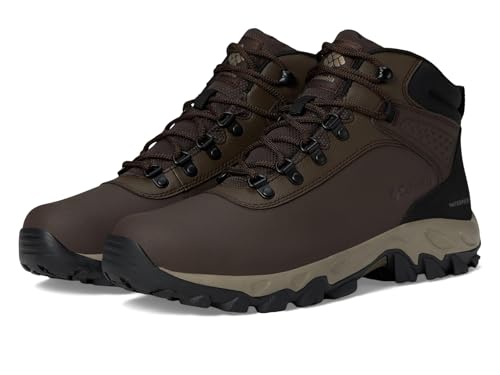
Columbia Newton Explorer

Merrell Moab 3 Mid Waterproof Hiking Boots

KEEN Targhee 4 Low Waterproof Hiking Shoes

KEEN KS86 Retro Style Sneakers
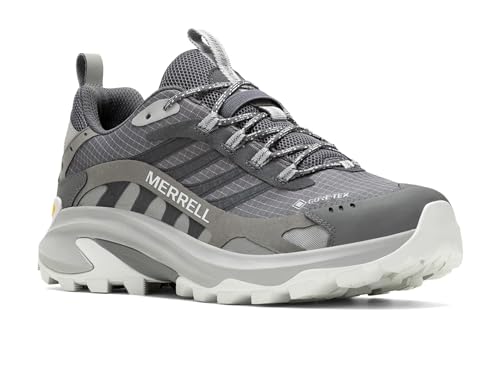
Merrell Moab Speed 2 GTX
A Closer Look At Each Pick
SCARPA’s Mojito Wrap borrows the low-profile silhouette of an approach shoe and dresses it for everyday walking. The wraparound lacing system pulls the heel and midfoot in close, so the foot feels secured without that cramped, laced-too-tight pressure across the top.
Where this shoe earns its place on a breathable list is the suede-and-mesh upper. Air moves through the textile panels on warm afternoons, and the construction stays light enough for long strolls on fire roads or quick scrambles at the crag. Compared with the Merrell Moab 3 below, the Mojito Wrap feels nimbler and more packable, but it gives up some of the Moab’s protective toe rand and trail-ready cushioning.
What Works In Its Favor
- Wraparound lacing creates a dialed-in heel lock that reduces slippage on steep downhills.
- Light build keeps legs fresher on multi-hour walks.
- Climbing-inspired tread grips dirt, gravel, and wet rock with surprising confidence.
- Suede and mesh upper balances airflow with a low-key everyday look.
Points To Keep In Mind
- Minimal cushioning may feel thin for hikers used to thicker midsoles.
- The snug wraparound fit can feel restrictive across wider forefeet.
- Suede panels need occasional cleaning to stay looking sharp after dusty trails.
Built With In Mind
Day hikers, travelers, and climbers approaching routes who want one shoe for trail and town.
Skip It When
The Merrell Moab 3 Hiking Shoe is a better match when you want a roomier toe box and more cushion for long days on rocky ground.
The Moab 3 is the shoe most hikers end up buying sooner or later, and the third version keeps the reasons people trust it. The redesigned insole adds arch support that holds up over long miles, and the midsole feels softer and more cushioned than its predecessor.
Vibram outsoles (a premium rubber compound engineered for grip on mixed surfaces) anchor the bottom, with lugs deep enough to bite into loose dirt without feeling clumsy on flat trail. The Moab 3 reads as a low hiker rather than a boot, so airflow through the mesh upper is the real draw on hot summer days. For hikers stepping up from the SCARPA Mojito Wrap, the Moab trades a little agility for noticeably more protection underfoot.
Real-World Strengths
- Cushioned midsole absorbs repeated impact on rocky trails, reducing foot fatigue over long distances.
- Mesh panels vent heat efficiently, which helps socks stay drier on warm days.
- Vibram outsole grips uneven, loose, and occasionally wet surfaces.
- Updated insole offers better arch support for high-mileage days.
Trade Offs
- Heavier than minimalist options, which adds up on fast-paced hikes.
- Lacks a waterproof membrane, so wet grass and puddles soak through quickly.
Quick Facts
Right Fit For
Recreational hikers who rack up miles on mixed terrain and want one shoe that handles dust, dirt, and rock.
Look Elsewhere When
The Merrell Moab 3 Mid Waterproof Hiking Boots suit you better if your routes cross streams or muddy stretches.
The Moab 3 Mid keeps the same trusted platform as the low version and adds a mid-cut shaft that rises above the ankle. That extra height matters on trails where the ground rolls, tilts, or hides ankle-twisting rocks underfoot.
For breathable comfort, the boot still leans on mesh panels in the upper, though the higher collar naturally traps a bit more heat than a low hiker. The Vibram outsole, softer midsole, and grippier lug pattern carry over, so traction feels consistent. Compared with the low Moab 3, this version sacrifices a touch of agility for noticeably more stability when carrying a loaded pack.
Noteworthy Benefits
- Mid-cut collar stabilizes ankles on uneven, rocky, or sloped ground.
- Reinforced toe cap shields feet from roots and stone stubbing.
- Vibram outsole and refined lug geometry hold traction on loose dirt and gravel.
- Breathable mesh keeps interior heat manageable on warm-weather hikes.
Less Ideal Details
- Heavier than the low Moab 3, which adds effort on long climbs.
- Not waterproof, so soggy trails will soak through.
Who It Suits Best
Hikers carrying daypacks or lighter overnight loads who want added stability on rough, off-camber trails.
A Better Fit Elsewhere
The Merrell Moab Speed 2 GTX fits better when you want a lighter, athletic-style ride with waterproof protection.
Columbia’s Newton Explorer sits in the leather-hiker camp, which traditionally trades airflow for protection. The shoe fights back with Omni-Tech, Columbia’s proprietary waterproof-breathable membrane, paired with a Techlite midsole (a lightweight EVA foam tuned for rebound) that softens each step.
The leather upper gives the shoe a sturdier, more structured feel than the SCARPA Mojito Wrap or the KEEN Targhee 4. It’s built for trailheads where morning dew soaks the grass before you’ve gone half a mile, and the waterproof layer keeps feet dry through shallow crossings. Breathability takes a hit compared with pure mesh hikers, but the membrane still vents enough to avoid the swamp-foot feeling common in older waterproof designs.
Standout Benefits
- Omni-Tech waterproof membrane sheds rain, puddles, and wet grass.
- Techlite midsole cushions long stretches without feeling mushy.
- Leather upper adds durability and resists abrasion on rough trails.
- Metal hardware lacing holds tension through repeated use.
Things To Consider
- Leather runs warmer than mesh-only hikers in summer heat.
- Break-in period tends to be longer than softer synthetic uppers.
Made For
Hikers who deal with damp mornings, wet underbrush, or shoulder-season trails where waterproofing outweighs maximum airflow.
Swap It Out When
The Merrell Moab 3 Mid Waterproof Hiking Boots are a stronger pick if you also want mid-cut ankle support.
This version of the Moab 3 borrows the mid-cut shaft hikers like for ankle stability and adds a waterproof membrane to seal out rain, snow, and creek splashes. It’s the option I’d reach for first when spring trails turn to mud or autumn leaves hide cold, wet surprises.
The trade-off is real: waterproof boots run warmer than their non-waterproof siblings, and the Moab is no exception. On dry summer days, feet may feel noticeably hotter than in the regular Moab 3 Mid. The Vibram outsole and supportive insole stay consistent across the line, so grip and cushioning remain familiar.
Notable Gains
- Waterproof construction keeps feet dry through puddles, mud, and wet grass.
- Mid-cut collar stabilizes ankles on uneven ground.
- Vibram outsole maintains grip on slick rock and loose dirt.
- Updated insole and softer midsole reduce foot fatigue over long miles.
Worth Noting
- Reduced breathability means hotter feet on dry summer trails.
- Heavier build than the low Moab 3 or the Moab Speed 2 GTX.
Spec Overview
Best Suited To
Hikers who face wet conditions year-round and value dryness and stability over maximum airflow.
Consider Something Else When
The Merrell Moab 3 Hiking Shoe fits better for warm, dry trails where breathability matters more than waterproofing.
The Targhee 4 Low is KEEN’s do-most-things hiking shoe, with a roomier toe box that wider-footed hikers consistently praise. KEEN’s signature direct-attach construction fuses the upper to the outsole, which trims weight and increases durability at the bond.
Inside, KEEN.DRY (the brand’s waterproof-breathable membrane) handles rain and puddles while still allowing a useful amount of vapor to escape. The trade-off compared with the Merrell Moab 3 is a slightly chunkier feel on technical ground, but for long walks on flatter trail the cushioning earns its keep. Breathability here comes from the combination of mesh panels and KEEN.DRY, which vents more than fully sealed leather hikers.
The Good Stuff
- Wide toe box gives toes room to splay naturally, reducing hot spots on long walks.
- KEEN.DRY waterproof lining blocks water without completely sealing in heat.
- Direct-attach construction lightens the shoe and improves long-term durability.
- All-terrain traction handles dirt, roots, and rocky scrambles.
Practical Considerations
- Waterproof membrane still reduces airflow compared with non-waterproof hikers.
- The wider platform can feel bulky on narrow, technical terrain.
Perfect Match For
Hikers with wider feet or anyone who gets pinched by narrower lasts and wants one waterproof shoe for varied trails.
Reach For A Different Pick When
The Merrell Moab 3 Hiking Shoe makes more sense for hot, dry hikes where breathability matters more than waterproofing.
The KS86 sits at the edge of the hiking category, more sneaker than trail boot, but its recycled mesh upper and KEEN’s wider fit philosophy give it real trail credentials. It’s the shoe I’d toss in a suitcase for a trip where half the days involve city walking and the rest involve park loops.
Where it stands out on a breathable list is airflow. The mesh upper lets heat escape freely, and the aggressive tread pattern grips better than typical casual sneakers. Compared with the SCARPA Mojito Wrap, the KS86 feels more cushioned underfoot but lacks the same climbing-shoe precision. It’s a hybrid that prioritizes style and comfort over hardcore trail performance.
Everyday Perks
- Recycled mesh upper maximizes airflow, keeping feet cool in warm weather.
- Aggressive lug pattern provides surprising grip on dirt paths.
- Retro styling transitions easily from trail to café.
- KEEN’s wider fit accommodates broader feet comfortably.
Honest Caveats
- Not waterproof, so wet conditions soak through quickly.
- Less protective underfoot than dedicated hiking shoes for rocky trails.
Who Should Grab It
Travelers and casual hikers who want one shoe that handles light trails, errands, and evenings out without a swap.
Where A Sibling Pick Shines
The SCARPA Mojito Wrap Walking Shoes are the stronger choice for hikers who want more trail-specific grip and structure.
The Moab Speed 2 GTX is Merrell’s athletic-hiker crossover, borrowing the Moab’s trail-ready DNA and pairing it with a lighter, faster chassis. Vibram TC5+ rubber (a specialized outdoor compound formulated with extra grip and durability) sits underfoot with redesigned lugs that dig in on climbs and brake on descents.
The GTX means a Gore-Tex membrane lines the boot, sealing out water while venting sweat more effectively than many standard waterproof membranes. Compared with the Moab 3 Mid Waterproof, the Speed feels noticeably nimbler and more energetic on the trail, though it sacrifices some of the Moab’s plush cushioning and traditional boot structure. For hikers moving at a quicker pace or covering longer distances, that trade usually feels worth it.
A Favorable Mix
- Gore-Tex membrane delivers trusted waterproofing with solid breathability.
- Vibram TC5+ outsole with new lug geometry grips technical terrain.
- Athletic build encourages a quicker, more responsive stride.
- Shorter break-in period than traditional mid-cut boots.
Where It May Fall Short
- Less midsole cushioning than the standard Moab line, which may feel thin on very rocky routes.
- Lighter construction offers less ankle support than the Moab 3 Mid.
Feature Snapshot
The Right Fit
Hikers who log fast miles, train on trails, or simply prefer a nimbler shoe that handles wet weather.
Where Another Pick Suits Better
The Merrell Moab 3 Mid Hiking Boot fits better for hikers wanting more cushion and traditional mid-cut stability.
What To Weigh Before Choosing Breathable Hiking Shoes
Ventilation And Upper Materials
Mesh panels do most of the heavy lifting when it comes to airflow. Shoes with open-weave mesh uppers move heat and moisture away from the foot faster, which is the difference between comfortable summer miles and blistered slogs. Leather and synthetic overlays add durability and structure but trade some airflow, so waterproof leather hikers like the Columbia Newton Explorer run warmer than mesh-driven options like the SCARPA Mojito Wrap. For dry, hot climates, lean toward more mesh; for wet or rugged environments, accept some warmth in exchange for protection.
Cushioning And Midsole Feel
The midsole is the foam layer between your foot and the outsole. It absorbs impact and shapes how a shoe feels over miles. Plush midsoles like those in the Merrell Moab 3 reduce fatigue on rocky trails, while athletic builds like the Moab Speed 2 GTX keep the ride lively and responsive. Hikers logging long distances generally want more cushion under the heel and forefoot, while fast movers and ultralight travelers often accept less foam in exchange for lower weight.
Traction And Outsole Design
Vibram rubber compounds, which are high-grip formulations used by many outdoor brands, show up across this list because they hold traction on wet rock, loose dirt, and packed trail alike. Deeper, multi-directional lugs bite into soft ground, while shallower patterns feel quieter on hardpack. Match the lug depth to your terrain: aggressive for mud and loose dirt, moderate for mixed trails, lighter for fire roads and groomed paths.
Fit, Support, And Cut
Low hikers give up ankle coverage for agility and ventilation. Mid-cut boots like the Moab 3 Mid add ankle stability on rough ground but trap a bit more heat. Wider lasts, like KEEN’s signature shape, give toes room to spread naturally and reduce hot spots on long walks. Trying shoes on later in the day, when feet are slightly swollen, helps dial in a fit that won’t pinch after hour three of a hike.
Waterproof Versus Non-Waterproof
Waterproof membranes like Gore-Tex and KEEN.DRY keep feet dry through puddles and rain, but they reduce airflow. Non-waterproof mesh hikers breathe far better and dry faster when wet. Choose waterproof for damp climates, shoulder seasons, or stream-heavy routes; choose non-waterproof for hot, dry summers where breathability matters more than rain protection.
Key Considerations Across These Picks
Mistakes Worth Dodging
A common slip-up is buying waterproof hiking shoes for hot, dry climates and wondering why feet feel swampy. Match the membrane to the season. Another trap is choosing shoes based on looks alone, then discovering the toe box pinches after two miles. Sizing varies wildly between brands, so the Moab 3 and the KEEN Targhee 4 fit very differently even at the same labeled size. Skipping a break-in walk around the neighborhood before a real hike is another avoidable miss; a quick test loop catches hotspots before they become blisters.
Where The Extra Money Goes
Higher-tier hiking shoes usually earn the upgrade through midsole quality, outsole rubber compounds, and construction methods that improve durability. The Merrell Moab Speed 2 GTX, for example, uses a Vibram TC5+ outsole and Gore-Tex membrane that hold up better over time than budget alternatives. For weekend hikers, mid-tier shoes often hit the best balance; for those logging serious miles or tackling rough terrain, premium builds pay off in fewer replacements and more consistent comfort.
Frequently Asked Questions
Do breathable hiking shoes dry quickly after getting wet?
Non-waterproof mesh hikers dry fastest, often within a few hours in moving air. Waterproof models take longer because the membrane slows evaporation from inside the boot.
Should I pick a low hiker or a mid-cut boot?
Low hikers offer more agility and ventilation. Mid-cut boots add ankle stability on rough terrain and help block trail debris. Match the cut to your typical trail conditions and pack weight.
Can I use breathable hiking shoes for backpacking?
Light backpacking under a moderate pack is usually fine in low hikers. Heavier loads and rough trails often benefit from mid-cut boots or stiffer midsoles for added support.
How often should hiking shoes be replaced?
Most hiking shoes show meaningful wear between 500 and 1,000 miles, depending on terrain and use. Worn-down lugs, compressed midsoles, and separated uppers are the clearest signals it’s time for a new pair.
Are waterproof hiking shoes worth the breathability trade-off?
Waterproof shoes earn their place in wet climates, shoulder seasons, and routes with frequent stream crossings. In dry, hot conditions, non-waterproof hikers usually keep feet cooler and more comfortable.
Wrap Up
The right breathable hiking shoe depends less on a single “best” pick and more on the climate, terrain, and pace you actually hike. Match the upper to the weather, the midsole to your mileage, and the cut to your trail. With any of these eight options, your feet should stay noticeably cooler, drier, and more willing to keep walking well past the halfway point.