A wet trail, a gravel portage, an unexpected creek crossing, that’s where a good pair of camping shoes earns its keep. I wrote this guide for weekend campers, backpackers, and casual trail walkers who want footwear that handles damp mornings, rocky approaches, and long days on foot without blistering them out. The eight picks below cover low-cut hikers, mid boots, waterproof builds, and one retro sneaker that pulls double duty around camp.
An Overview Of The Picks

adidas Men’s Terrex Free Hiking Shoe

Merrell Men’s Moab 3 Hiking Shoe

Merrell Men’s Moab 3 Mid Hiking Boot
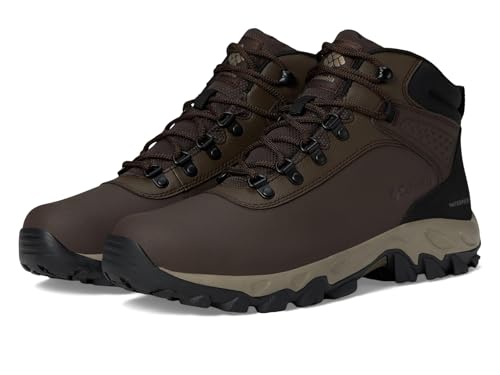
Columbia Newton Explorer

Merrell Men’s Moab 3 Mid Waterproof Hiking Boots

KEEN Men’s Targhee 4 Low Height Waterproof Hiking Shoes

KEEN Men’s KS86 Retro Style Sneakers
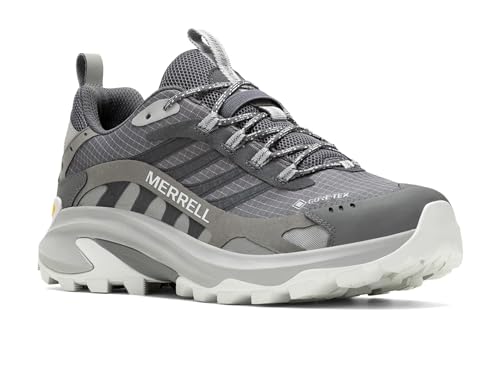
Merrell Mens Moab Speed 2 GTX
Meet The Standout Selections
The adidas Terrex Free leans athletic, built for hikers who want a low-cut profile that disappears underfoot. The design borrows from trail running shoes, with a breathable upper and a sticky outsole aimed at mixed surfaces like packed dirt, roots, and rocky steps.
For day hikes where every ounce matters, this shoe tends to suit people who already log road miles and want that same nimbleness off-road. Compared to the Merrell Moab 3 Hiking Shoe below, it has a leaner, more stripped-down feel.
Everyday Perks
- Lightweight construction helps reduce leg fatigue over multi-hour hikes.
- Breathable upper helps feet stay cooler in warm-weather camping.
- Trail-running inspired geometry gives a nimble, responsive feel.
- Low-cut design pairs easily with light gaiters or low socks.
Worth Bearing In Mind
- Low-cut collar offers little ankle protection on uneven ground.
- Light build may sacrifice some long-term durability under heavy loads.
- Owners commonly report needing a break-in period for the heel.
Who It Suits Best
Day hikers and trail runners carrying light packs who want a fast, breathable shoe for warm-weather trips.
Where Another Pick Suits Better
For ankle support on rocky or steep terrain, the Merrell Moab 3 Mid Hiking Boot is a stronger match.
The Moab line has earned a long following, and version 3 keeps the formula that works: a cushioned midsole, a supportive insole, and a Vibram outsole for confident footing. Out of the box, most wearers find the break-in window short.
This is the shoe I tend to point casual campers toward. Unlike the athletic-leaning adidas Terrex Free, the Moab 3 Hiking Shoe has a roomier forefoot and a more relaxed hiking geometry.
The Upside
- Vibram outsole delivers dependable grip on dirt, gravel, and rock.
- Cushioned midsole softens impact during long days on foot.
- Roomy toe box suits campers with wider feet.
- Time-tested design with broad sizing availability.
Trade Offs To Consider
- Standard version is not waterproof, so wet grass and puddles soak through.
- Mesh-heavy upper collects dust and trail debris in dry conditions.
Made For
Casual campers and entry-level hikers who want comfort first on dry to moderately damp trails.
Skip It When
Wet weather is the main concern; the Columbia Newton Explorer handles rain better.
The mid-cut Moab 3 takes everything I liked about the low version and adds a taller shaft for ankle stability. On rocky approaches and uneven ground, that extra coverage earns its weight.
It shares the same Vibram outsole and supportive insole as its sibling, so the feel underfoot is familiar. Campers carrying heavier packs, or anyone who rolls an ankle easily, tend to appreciate the upgrade.
A Favorable Mix
- Mid-cut collar supports ankles on uneven or sloped terrain.
- Vibram outsole matches the traction of the low Moab 3.
- Cushioned midsole handles heavier loads more comfortably than a low shoe.
- Same roomy fit that wide-foot wearers often prefer.
Less-Strong Areas
- Heavier than the low-cut Moab 3 Hiking Shoe.
- Not fully waterproof, so puddle depth matters.
- Mid shaft can feel warm in summer desert camping.
Key Specs
Right Fit For
Backpackers and campers carrying moderate to heavy loads across rocky or uneven trails.
Look Elsewhere When
Wet conditions dominate your route; the Merrell Moab 3 Mid Waterproof Hiking Boots cover that gap.
The Columbia Newton Explorer leans into wet-weather duty. A waterproof leather upper with metal hardware and an Omni-Tech waterproof breathable construction keeps rain and creek splash from sneaking in, while a Techlite midsole softens impact.
For shoulder-season camping or Pacific Northwest-style drizzle, this shoe earns its place. Compared to the Merrell Moab 3 Hiking Shoe, the Newton Explorer trades mesh breathability for weather sealing.
Notable Gains
- Waterproof construction handles wet grass, mud, and shallow stream crossings.
- Leather upper offers more structure than all-mesh hikers.
- Techlite midsole aims for a balance of cushion and light weight.
Points To Keep In Mind
- Waterproof membranes run warmer than open-mesh designs in summer heat.
- Leather upper needs occasional conditioning to stay supple.
Who Should Grab It
Campers in rainy climates or early-spring shoulder seasons who deal with damp trails regularly.
Consider Something Else When
Hot, dry summer trips dominate the calendar; the Merrell Moab 3 Hiking Shoe breathes better.
This is the Moab formula turned up a notch for wet weather. The mid-cut shaft adds ankle support, and a waterproof membrane keeps rain and shallow crossings from soaking through.
For campers who run into stream crossings and morning dew on the grass, this boot tends to remove a worry. Versus the Columbia Newton Explorer, the fit leans roomier and the midsole feels plusher underfoot.
Practical Pluses
- Waterproof membrane handles wet trails and damp campsites.
- Mid-cut collar supports ankles on uneven terrain.
- Plush cushioning softens long-mile fatigue.
Soft Spots
- Heavier than a low-cut hiking shoe, which matters on long mileage.
- Waterproofing can trap heat in warm, dry summer conditions.
- Drying soaked boots thoroughly between trips takes patience.
Quick Facts
Best Suited To
Year-round campers and backpackers who cross streams or hike through dewy, wet terrain.
Reach For A Different Pick When
Lightweight speed matters more than weather protection; the Merrell Moab Speed 2 GTX is athletic and lighter.
KEEN built the Targhee 4 around a fused upper-and-outsole construction (the upper and sole are bonded together to reduce failure points) and a KEEN.DRY waterproof lining. The brand’s signature wider toe box carries over, which fits plenty of campers who find most hikers too narrow.
For high-mileage hikers who want one shoe that handles a season, the Targhee 4 tends to deliver. Compared to the Merrell Moab 3 Hiking Shoe, the Targhee 4 runs wider and more structured.
What It Does Well
- Direct-attach construction adds durability at a common wear point.
- Waterproof lining keeps feet dry through wet grass and shallow crossings.
- Wide forefoot suits campers with broader feet or foot health needs.
- Resilient cushioning holds up over long backpacking trips.
Possible Compromises
- Wider platform can feel loose for narrow-foot wearers.
- Sturdier build weighs more than minimalist hikers.
Whose Shelf It Belongs On
Wide-foot campers and multi-trip backpackers who want a single durable shoe for varied terrain.
A Better Fit Elsewhere
Narrow-foot wearers may find the Merrell Moab 3 Hiking Shoe more dialed in.
The KS86 leans casual, with a recycled mesh or eco-friendly leather upper and a retro sneaker shape. It still carries KEEN’s wider footwear fit and an aggressive tread, so it does more than look good at the picnic table.
Think of it as a camp-around-town shoe rather than a trail workhorse. For paved paths, fire-ring evenings, and short walks to the lake, the KS86 pulls its weight.
Where It Delivers
- Retro styling works around town and at base camp.
- Aggressive tread handles gravel paths and short trail spurs.
- Recycled and eco-friendly material options for sustainability-minded campers.
- Same wider fit KEEN is known for.
Honest Caveats
- Lacks the cushion and support of a true hiking shoe on long trail miles.
- Not designed for serious wet weather or rocky terrain.
Perfect Match For
Campers who want one shoe that handles the drive-in campsite and casual trail walks without a wardrobe swap.
Swap It Out When
Real trail miles are on the agenda; the Merrell Moab Speed 2 GTX fits that athletic hiker profile better.
The Moab Speed 2 GTX takes the Moab platform and trims the weight. A GORE-TEX waterproof breathable membrane (a high-end liner that blocks water while letting heat and moisture escape) keeps rain out, and a Vibram TC5+ outsole adds grippy traction lugs.
This shoe suits hikers who treat the trail like a workout. Compared to the Merrell Moab 3 Hiking Shoe, the Speed 2 leans lighter and more athletic in feel.
Positive Points
- GORE-TEX lining offers dependable wet-weather protection.
- Vibram TC5+ outsole grips mixed surfaces with confidence.
- Lighter build supports longer days and faster paces.
- Updated traction lugs improve braking on descents.
A Few Limitations
- Premium build tends to come at a higher cost than standard Moab 3 options.
- Less structure than a mid-cut boot for ankle-heavy loads.
- Trail runners may find the platform firmer than a pure running shoe.
Who Will Love This
Performance-minded hikers who log fast miles and still want weather protection on the route.
Where A Sibling Pick Shines
Heavy-payload backpackers get more support from the Merrell Moab 3 Mid Hiking Boot.
What Matters Most Before Choosing Camping Shoes
Trail Profile And Terrain
Think about the ground underfoot most days. Smooth forest trails and fire roads are friendly to almost any low-cut hiking shoe, while rocky slopes and talus fields push toward mid-cut boots with stiffer midsoles. For mixed terrain with creek crossings, a waterproof membrane earns its weight.
Fit And Foot Shape
Foot width matters as much as length. KEEN’s Targhee 4 and the Moab family both run on the roomier side, which helps wide-foot campers, while narrow-foot wearers sometimes prefer the more dialed-in feel of the adidas Terrex Free. Always try shoes on with the socks and insoles you actually plan to hike in.
Weight And Pack Size
Light packers and fast hikers benefit from low, athletic shoes like the Terrex Free or Moab Speed 2 GTX. Backpackers carrying 30+ pounds usually want the structure of a mid-cut boot to support the load over miles.
Weather And Season
Waterproof membranes shine in shoulder seasons and damp climates, but they trap heat in dry summer camps. If most trips happen on dry trails, a breathable non-waterproof build stays more comfortable.
Key Considerations Across These Picks
Pitfalls Shoppers Hit
A common mistake is sizing based on street shoe size alone. Hiking shoes often feel snug at first try and break in to a comfortable fit, so testing them with hiking socks matters. Another slip is buying waterproof shoes for hot, dry trips, which leads to sweaty feet on day two.
Where The Extra Money Goes
Premium hiking shoes typically spend the budget on upgraded outsoles, GORE-TEX membranes, and lighter midsole foams. For campers who log real miles or face wet weather often, that upgrade pays back in comfort and durability over seasons.
Frequently Asked Questions
How do camping shoes differ from regular hiking boots?
Camping shoes usually sit at the lower, more flexible end of the hiking footwear range. They focus on comfort for varied campground tasks like short trail walks, water runs, and general movement, rather than long backcountry mileage.
Should I choose waterproof shoes for camping?
Waterproof construction helps in damp climates, early spring, and any trip with stream crossings. For hot, dry summer camping, non-waterproof breathable shoes tend to keep feet cooler.
Can I use trail running shoes for camping?
Trail runners like the adidas Terrex Free work well for lightweight camping with day hikes and small packs. They lack the ankle support and load-carrying structure that backpackers usually want on longer hauls.
How should camping shoes fit?
A snug heel with a thumb-width of space at the longest toe is a good starting point. Feet swell during long days, so a touch of room helps without letting the foot slide on descents.
How do I care for camping shoes?
Air-drying shoes after wet trips, brushing off trail debris, and conditioning leather uppers occasionally all extend their life. Storing them loosely stuffed, not crushed in a gear bin, helps the midsole hold its shape.
The Takeaway
The right camping shoes come down to where I hike, what I carry, and how wet the weather tends to be. A wide-foot day hiker will love the KEEN Targhee 4, while an athletic hiker chasing fast miles in changing weather should look hard at the Moab Speed 2 GTX. Match the shoe to the trip, and the trail takes care of itself.