A campfire morning asks a lot of footwear. The trail to the water spigot is muddy, the river rocks are slick, and the tent pad turns crunchy by noon. I put together this shortlist for campers, car-campers, and weekend backpackers who want one dependable pair for the trip, plus a few specialty options for specific camp chores. Every pick below leans on manufacturer specs and user need. You’ll find trail hikers, quick-dry water shoes, post-hike slippers, and slip-ons built for river crossings.
A Fast Comparison Of The Options

Columbia Men’s Fairbanks Low

WateLves Water Shoes Quick-Dry Aqua Sock

Zizor Campmate Memory Foam Slip On Slippers
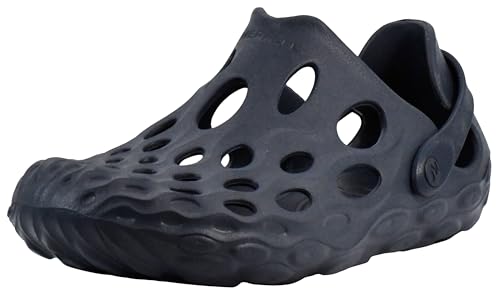

Columbia Newton Ridge Plus II Waterproof
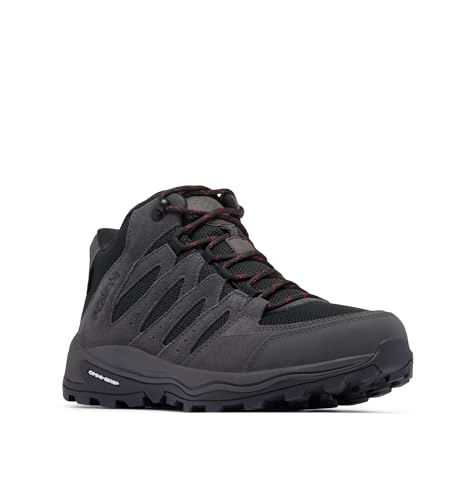
Columbia Redmond IV Mid Waterproof

UBFEN Barefoot Wide Toe Box Hiking Sneakers
Taking A Closer Look At The Options
The Columbia Fairbanks Low sits in a comfortable middle ground for campers who want one shoe that handles the morning hike, the walk to the outhouse, and the trip back to the car without changing footwear. Built around a suede leather upper with breathable mesh webbing, it stays cooler than a full leather boot and dries faster when the dew is heavy. The Techlite midsole is a lightweight foam that softens rocky approaches, and the Omni-Grip rubber outsole (a traction pattern tuned for mixed terrain) holds steady on gravel tent pads and rain-slicked roots.
Compared to the water-ready picks below, this one stays drier on long dirt trails and offers more structure for carrying a loaded daypack. In most conditions, it handles a three-day car-camping trip without complaint.
What Works In Its Favor
- Suede leather upper balances durability with break-in comfort over a long weekend.
- Techlite midsole cushions long walks from the tent to the trailhead without feeling clunky.
- Omni-Grip outsole gives dependable footing on wet grass, gravel tent pads, and rocky approaches.
- Breathable mesh webbing keeps feet cooler on warm afternoons by the fire ring.
- Low-cut profile makes it easy to slip on for short trips to the bear box.
Things To Consider
- Suede needs routine brushing and occasional waterproofing to stay clean around muddy campsites.
- Not built for full submersion, so river crossings call for a separate water shoe.
- Mesh webbing can collect trail debris in dusty, sandy terrain.
Feature Snapshot
Made For
Campers who want a single hiking-style shoe for trail walks, camp chores, and casual evenings around the fire.
Skip It When
Plans center on heavy water play, since paddlers and lake swimmers should reach for the WateLves Water Shoes Quick-Dry Aqua Sock instead.
This WateLves water shoe earns its spot because every campsite seems to involve an unplanned wade. Whether you’re launching a kayak at the put-in, stepping across a slick creek crossing, or rinsing mud off your feet at the end of a trail day, a quick-dry aqua sock keeps your regular hiking shoes clean and dry. The thin, sock-like construction drains water in minutes and packs flat in a daypack, so it acts as a secondary pair rather than a primary camp shoe.
For paddlers and shore campers especially, this style of shoe pays off by the second day. It pairs naturally with the Columbia Fairbanks Low above, which handles the trail while this one takes over at the waterline.
What Earns Its Place
- Quick-dry construction goes from soaked to wearable in a short window on a sunny rock.
- Lightweight profile packs into a side pocket of a daypack without taking up room.
- Flexible sole grips wet rocks better than bare feet at river access points.
- Versatile across kayaking, boating, swimming, and casual trail walking on packed sand.
Trade Offs
- Thin sole offers little protection from sharp rocks on longer walks.
- Sock-style fit runs warm in direct summer sun with no airflow adjustment.
- Not a substitute for a real hiker on technical, rocky terrain.
Who It Suits Best
Paddlers, lake campers, and river hikers who need a dedicated water shoe for crossings and shoreline play.
Consider Something Else When
Most of your time stays on dry trail, in which case the Columbia Newton’s Ridge Plus II Waterproof offers better structure for the same wet conditions.
After a long hike, the first thing most campers want is to get out of their boots. The Zizor Campmate slipper fills that gap with a backless design that’s easy to step into at the tent door. The memory foam footbed absorbs the shock of standing on hard-packed ground, while the rubber outsole lets you walk to the communal washroom or step outside for firewood runs without switching shoes. It’s machine washable, too, which matters when campfire smoke and trail dust find the upper.
This isn’t a trail shoe. It’s the camp shoe. Think of it as the post-hike reward that makes base camp feel a little more civilized after the Columbia Fairbanks Low has done its work all day.
Why It Works Well
- Memory foam insole cushions tired feet after a full day of hiking.
- Slip-on design with closed toe protects toes from stump-stubbing at the fire ring.
- Machine washable construction makes cleanup simple after dusty trips.
- Rubber outsole handles short walks on grass, gravel, and wood decks.
Worth Noting
- Backless silhouette can slip off on uneven ground if not sized carefully.
- Not waterproof, so wet grass and morning dew will soak through quickly.
- Memory foam compresses over time with daily heavy use.
Key Specs
Best Suited To
Car campers and cabin sleepers who want a comfortable slip-on to wear inside the tent and around the campsite.
Look Elsewhere When
Plans involve rugged terrain rather than relaxation, since the Columbia Redmond IV Mid Waterproof handles rough ground far better.
The Merrell Hydro Moc pulls double duty as a slip-on camp shoe and a quick-dry river shoe. Its molded design wraps the foot in a single piece of water-friendly material, so there’s nowhere for grit to lodge after a wade through creek beds. The slip-on construction feels almost like wearing a clog, which makes it ideal for campers who don’t want to fuss with laces at the end of a long day. Merrell built it specifically for time in and around water, so the materials drain quickly and dry in a short window.
Compared to the Zizor Campmate above, this one tolerates wet conditions much better and works at the boat ramp. Compared to the WateLves aqua sock, it offers more structure and toe protection for rocky shorelines.
What Makes Sense
- One-piece molded construction sheds water and dries faster than fabric slippers.
- Slip-on design requires no bending or lacing at the tent door.
- Built to handle extended time in and around water without falling apart.
- Higher structure than an aqua sock protects toes from submerged rocks.
Points To Keep In Mind
- Less breathable than an open sandal in hot, dry weather.
- Clog-style fit can feel loose on narrow heels during long walks.
- Not designed for technical trail hiking or rough rock scrambles.
Perfect Match For
Campers who want one easy slip-on for shore play, communal showers, and campsite errands without changing shoes.
Swap It Out When
Long trail days are on the schedule, since the Columbia Newton’s Ridge Plus II Waterproof offers much more support under load.
For campers who pitch a tent in shoulder-season rain or along muddy creek beds, the Columbia Newton Ridge Plus II Waterproof earns its weight in the pack. The waterproof membrane keeps out morning condensation that soaks through standard hikers, and the supportive mid-cut design locks the ankle on uneven ground when you’re hauling water or firewood. Columbia built this style as a dedicated hiking boot with expert craftsmanship in mind, using quality materials that balance durability and comfort without tipping into backpacking boot territory.
Where the Columbia Fairbanks Low is the casual trail companion, this one steps up for serious weather and longer carries. For wet climates, it pulls well ahead of the barefoot-style UBFEN pick below.
What Stands Out
- Waterproof construction keeps feet dry through dew-soaked grass and light rain.
- Mid-cut profile supports the ankle on uneven ground around the campsite.
- Quality leather build handles repeated trips without wearing out quickly.
- Compatible with standard hiking socks for cooler overnight temperatures.
Honest Caveats
- Waterproof membrane runs warmer than the mesh-heavy Fairbanks Low on hot summer trips.
- Break-in period tends to last a few short walks before the leather softens.
- Heavier than low-cut hikers, which adds weight on fast-and-light trips.
Feature Rundown
Whose Shelf It Belongs On
Wet-climate hikers and shoulder-season campers who often deal with damp tent pads, soaked trails, and morning rain.
A Better Fit Elsewhere
Hot, dry summer trips call for the Columbia Fairbanks Low, which breathes far better in the same Columbia family.
Columbia positions the Redmond IV Mid Waterproof for campers who don’t always follow a marked trail. The mid-cut silhouette adds ankle security on talus slopes and steep grades, while the waterproof build keeps damp gravel from soaking through during early morning hikes. Columbia makes these in multiple colors and sizes, so finding a fit for a wider foot or a specific color preference is straightforward. For rugged campsites with loose rock, root-strewn approaches, or off-trail tent pads, this is the boot I’d trust when footing matters more than weight.
Compared to the lower-cut Newton Ridge above, this one offers more ankle support for hauling heavier loads. Compared to the barefoot UBFEN below, it’s a far more protective choice for tough terrain.
Advantages To Know
- Mid-cut ankle support stabilizes footing on uneven and rocky ground.
- Waterproof construction handles wet grass, puddles, and morning dew confidently.
- Available in multiple colors and sizes for a more tailored fit.
- Durable build suits rough campsites where cheap hikers would wear out fast.
Practical Considerations
- Heavier than low-cut trail shoes, so it adds pack weight on long approaches.
- Stiffer midsole feels clunky on casual camp chores around the fire.
- Waterproof membrane can trap heat during midsummer trips in warm climates.
The Right Fit
Campers who set up on rocky, root-filled, or uneven ground and want extra ankle support around camp and on trail.
Reach For A Different Pick When
Lightweight travel is the priority, in which case the Columbia Fairbanks Low keeps the load noticeably lighter.
The UBFEN barefoot-style sneaker appeals to campers who prefer a minimalist ground feel. Zero-drop construction means the heel sits at the same height as the ball of the foot, which mimics a natural stride and keeps posture more level on long walks. The wide toe box lets toes splay the way they would barefoot on a soft forest floor, which some hikers find reduces foot fatigue over multi-day trips. For trail running, easy hikes, and campsite errands on smooth ground, this style earns its place.
Where it differs from the structured Columbia hikers above is flexibility. It’s not a boot for hauling a heavy pack across rocky ground. It’s a comfortable, low-profile choice for campers who already know they prefer a barefoot feel.
Where It Helps
- Zero-drop sole encourages a natural stride on flat-to-moderate terrain.
- Wide toe box reduces pinching and lets toes spread on long walks.
- Lightweight build packs down small in a luggage or backpack.
- Flexible sole feels closer to barefoot on packed dirt and forest paths.
Some Limits To Know
- Minimal cushioning can feel harsh on rocky or root-covered trails.
- Wide toe box runs loose for campers with narrow feet.
- Not waterproof, so wet grass and puddles soak through quickly.
Quick Facts
Who Should Grab It
Minimalist campers and natural-step walkers who already prefer zero-drop shoes and want that feel at the campsite.
Where A Sibling Pick Shines
Wet or rocky terrain calls for the Columbia Redmond IV Mid Waterproof, which offers far more protection and weather resistance.
Picking Footwear That Fits The Way You Camp
Camp shoes earn their keep in three places: the trail, the campsite, and the water. Decide which of those matters most before choosing, because no single pair covers every situation well. A leather hiker like the Columbia Fairbanks Low handles trails and camp chores together, but it struggles at river crossings. A quick-dry aqua sock wins at the waterline but offers no support on long walks. A slipper shines at the tent door yet fails on muddy approaches.
Material choice matters more than brand. Suede leather breathes and softens with use but needs care. Synthetic mesh dries fast and stays light but scuffs on rocky ground. Rubber-molded clogs tolerate water but run hot. Match the material to the climate and the typical campsite surface, not just the trail rating.
Weight and pack size change the equation for backpackers. A pair that weighs over a pound per shoe quickly earns a spot back at the car. Car campers can carry more comfort without consequence. Think about how far the shoes walk from the trunk before deciding on features like waterproofing or memory foam insoles.
For multi-day trips, two pairs often beat one expensive pair. A trail-ready hiker plus a dedicated camp slipper or quick-dry water shoe covers most situations. The total cost stays reasonable, and each pair does what it was built for instead of compromising across every chore.
Key Considerations Across These Picks
Where Shoppers Go Wrong
The biggest mistake is treating a hiking shoe as a do-everything camp shoe. Trail hikers and water shoes serve different jobs, and forcing one pair to handle both usually means wet feet, blown-out seams, or blisters. Another common trap is buying for the trail rating instead of the campsite surface. A campsite covered in loose gravel punishes a soft-soled slip-on in a single weekend. Always check the outsole pattern and the toe protection for the actual ground you’ll be standing on.
A third pitfall is ignoring break-in time. New leather hikers need several short walks before a multi-day trip, and switching to waterproof membranes means feet run warmer than expected. Test the shoes around town or on day hikes before relying on them for a longer trip.
Where The Extra Money Goes
Higher-tier models typically spend the budget on better waterproof membranes, more durable leather, and outsole rubber that grips wet rock without wearing out quickly. The Columbia Newton Ridge Plus II and Redmond IV Mid Waterproof both benefit from upgraded materials compared to basic hiking shoes. The trade-off shows up in weight and breathability: premium waterproofing runs warmer, and heavier leather breaks in slower.
For car campers, the upgrade often pays off in longevity. A quality pair handles several seasons of weekend trips without the sole separating or the upper cracking. For backpackers counting grams, the same upgrade may not justify the weight, and a lighter mid-tier option serves better.
Frequently Asked Questions
What type of shoes should I wear camping?
A closed-toe shoe with grippy rubber works for most camp situations. Trail-ready hikers handle the walking, while a separate slip-on or aqua sock covers camp chores and water play.
Can I wear regular sneakers for camping?
Standard sneakers work for car camping on groomed ground, but they lack the traction and toe protection needed for uneven campsite surfaces or light trail use.
Are water shoes good for camping?
Water shoes excel at river crossings and shore play, but they don’t replace a hiking shoe for trail walks. Many campers carry both for different jobs.
How do I clean campsite shoes?
Brush off dried mud first, then wipe with a damp cloth. Fabric shoes often go in the washing machine on a gentle cycle. Leather pairs benefit from occasional conditioning to prevent cracking.
Do I really need a separate camp shoe?
A dedicated camp slipper or aqua sock keeps hiking shoes dry and extends their life. For trips longer than a single night, two pairs usually beat one compromise pair.
Closing Remarks
The right campsite shoe depends on the ground, the weather, and how you actually spend your day. Trail hikers cover most bases for general camping. Water shoes and slip-ons earn their place for paddlers and car campers who want comfort at the tent door. Match the shoe to the situation, carry two pairs when the trip calls for it, and your feet will thank you by the third night around the fire.