I know the hunt for cardio shoes can wear you out faster than the workout itself. Every box claims versatility, every brand shouts about cushion, and somehow you still end up with sore arches halfway through a HIIT class. I pulled together six pairs that earn their keep across running intervals, jump rope, lifting, and trail work, so you can match the shoe to the session instead of guessing.
A Quick View Of The Lineup
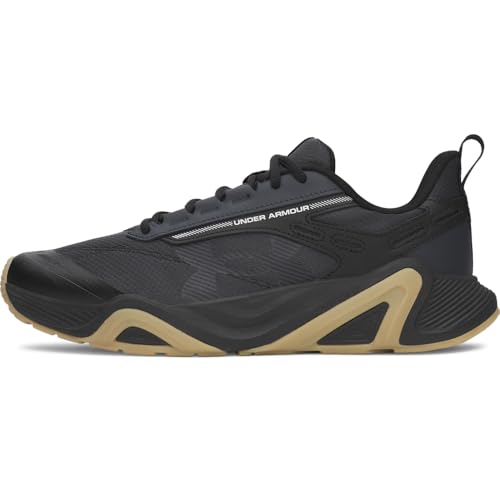
Under Armour Charged Commit Trainer 5

Reebok CrossFit Nano 9.0 Training Shoes

Under Armour Project Rock Blood Sweat Respect 4

WHITIN Women’s Zero Drop Trail Runner W63
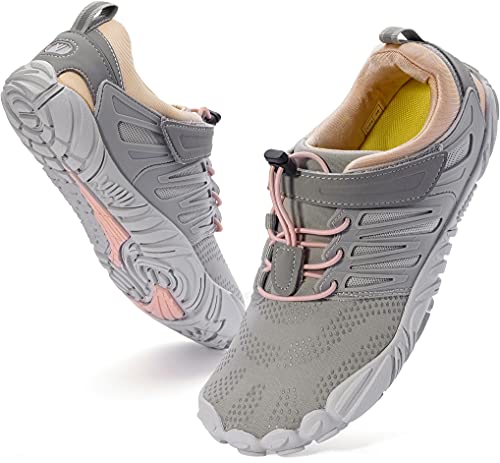
WHITIN Women’s Minimalist Trail Running W30

MIFAWA Barefoot Zero Drop Cross-Trainer
The Strengths Of Each Pick
The Commit Trainer 5 sits in that comfortable middle ground where most gym-goers land. It uses a leather overlay across the forefoot to lock down lateral movement during side lunges and agility drills, which matters when your workout jumps from burpees to treadmill sprints in the same hour.
Charged Cushioning (Under Armour’s dual-density foam that absorbs impact and returns energy) lives in the midsole, and flex grooves cut into the outsole help the shoe bend with your foot rather than fight it. For most daily training sessions, that balance is exactly what you want.
Positive Takeaways
- Leather forefoot wrap stabilizes side-to-side motion for lateral exercises
- Charged Cushioning softens repeat landings on hard gym floors
- Flex grooves in the outsole let the shoe move naturally through stride
- Versatile enough for short runs, lifts, and circuit work in one session
Worth Noting
- The structured upper runs warmer than a mesh-only build during summer sessions
- Stock tends to fluctuate, so sizing availability may vary by colorway
Who It Suits Best
Recreational gym regulars who rotate between machines, intervals, and short runs and want one shoe that handles the whole mix.
Where Another Pick Suits Better
Anyone focused on heavy barbell work may find the Reebok CrossFit Nano 9.0 Training Shoes a flatter, more stable platform for lifts.
The Nano line earned its reputation inside CrossFit boxes, and the 9.0 keeps that identity intact. Flexweave, Reebok’s woven synthetic that flexes with the foot while holding its shape under load, covers the upper, so the shoe breathes and moves through toes-to-bar and double-unders without pinching.
The midsole was widened versus earlier models, which translates to a sturdier base during heavy cleans and overhead presses. For committed CrossFitters, the Nano reads almost like a second skin, though it takes a few sessions to feel broken in.
Standout Benefits
- Woven Flexweave upper supports dynamic multi-directional movement
- Reinforced midsole broadens the lifting platform for better balance under load
- Toe box shape accommodates natural splay during squats and lunges
Points To Consider
- Less plush cushioning than the Charged Commit, so long road runs feel harder on the joints
- Premium construction reflects in a higher price than most cross-trainers
- Commonly reported break-in period of several sessions before full comfort
Feature Snapshot
Made For
CrossFit athletes and functional-fitness devotees who need a versatile, durable shoe for lifting and conditioning alike.
Consider Something Else When
Runners logging long outdoor miles will get more from the WHITIN W63 Trail Runner with its barefoot-friendly platform.
The Project Rock 4 leans hard into the “no quit” side of training. Strap and heel overlays wrap the midfoot to lock your foot down during sled pushes and rope climbs, while a perforated mesh upper pulls in enough air for high-output interval work.
The bootie-style construction hugs the foot like a sock, which most people either love on day one or need a few sessions to adjust to. Charged Cushioning carries over from the Commit line, giving the shoe that same impact-absorbing feel when you bounce between plyometrics and tempo runs.
Notable Upsides
- Midfoot strap and heel counter create serious lockdown for heavy pushing and pulling
- Bootie upper reduces slippage during quick direction changes
- Perforated mesh keeps feet cooler than fully reinforced trainers
- Available in extended unisex sizing for hard-to-fit feet
Trade-Offs
- Bootie fit feels snug at first, especially across the midfoot
- Heavier than minimalist options like the WHITIN W30 for runners who value speed
Best Suited To
Strength-focused athletes and serious HIIT regulars who want foot lockdown over featherweight construction.
A Better Fit Elsewhere
Anyone chasing a barefoot-style connection for lifting and light cardio should look at the MIFAWA Barefoot Cross-Trainer instead.
The W63 brings barefoot-style training to a price point most shoppers can stomach. Zero drop means the heel and toe sit at the same height, which encourages a midfoot strike during runs and keeps your posture more neutral during lifts.
The shoe handles light trail work, treadmill intervals, and bodyweight circuits without much fuss, though it lacks the plush stack you get from a traditional trainer like the Charged Commit.
Bright Spots
- Zero-drop geometry supports natural foot positioning for runners exploring barefoot form
- Wide toe box lets toes splay during lifts and long walks
- Trail-ready outsole grips dirt paths and park grass
- Sub-$50 price makes barefoot training accessible for first-timers
A Few Limitations
- Minimal cushioning can feel punishing on long road runs or hard concrete
- Sizing varies, so trying on or measuring your foot carefully helps
Feature Snapshot
Perfect Match For
Runners and walkers curious about barefoot training who want trail capability without a steep learning curve.
Skip It When
Road racers chasing plush cushioning for long pavement miles will find the Reebok Nano 9.0 more forgiving under repeated impact.
The W30 is WHITIN’s budget-friendly entry into minimalist training. It’s a lighter, simpler take on the W63, which means less material between you and the ground, and more feedback with each stride.
For light cardio, weightlifting, and short trail walks, it does the job without fuss. Heavier runners or those used to cushioned trainers should ease in slowly, since the minimal stack can feel jarring on day one.
Benefits That Matter
- Often the lowest-priced option in the barefoot category
- Minimal sole height improves balance for squats and lunges
- Lightweight construction reduces fatigue during long walks
Honest Caveats
- Limited impact protection makes it rough on knees during long road runs
- Durability is shorter than cushioned trainers under heavy gym use
- Less arch support than traditional trainers for flat-footed wearers
Who Will Love This
Beginners curious about minimalist footwear and shoppers who want a low-commitment first pair.
Reach For A Different Pick When
Anyone who wants a more durable everyday trainer should step up to the WHITIN W63 for slightly more structure.
MIFAWA’s barefoot trainer covers more ground than its price hints at, from gym floors to hiking trails and even water crossings. The wide toe box is the headline feature, giving toes room to spread during deep squats and long hikes.
Zero drop keeps your stride honest, and the flexible sole bends naturally with your foot. It is not a plush daily driver, but it punches well above its tier for anyone who likes one shoe for many surfaces.
What Stands Out
- Wide toe box accommodates natural toe splay for lifting and hiking comfort
- Water-friendly construction handles stream crossings and beach sessions
- Flexible sole supports barefoot-style movement on varied terrain
- Versatile enough for gym, trail, and water without swapping shoes
Some Limits To Know
- Minimal cushioning feels harsh during long paved runs
- Styling is utilitarian, so it may not suit shoppers wanting sleek looks
Feature Snapshot
The Right Fit
Multi-sport athletes and outdoor enthusiasts who want one barefoot-style shoe for gym, trail, and water.
Swap It Out When
Runners focused on long-distance road work will get more cushioning from the Reebok Nano 9.0 Training Shoes.
Picking The Right Pair For Your Training Style
Cushioning level is the first fork in the road. Heel-to-toe drop, the difference in cushion height between the back and front of the shoe, shapes how your foot lands during runs. Higher drops (around 8-12mm) push you toward a heel strike and feel familiar if you’re coming from traditional running shoes, while zero-drop designs encourage a midfoot strike that builds lower-leg strength over time. Match the drop to your current mechanics, not your aspiration, since a sudden shift can strain calves and Achilles tendons.
Outsole grip matters more than most people realize. Rubber lug patterns for trail work bite into dirt and gravel, while flat gym outsoles pivot cleanly on rubber floors. Trying to do hill repeats on a slick road-racing outsole ends in frustration, and taking a trail shoe into a CrossFit box usually feels clunky under lateral movement.
Toe box shape directly affects lifting comfort. Squatting in a narrow, tapered shoe can pinch your toes and limit balance, which is why minimalist trainers with a wide forefoot have become popular in functional-fitness circles. If you mostly run, a roomier toe box still helps during longer miles when feet naturally swell.
Weight and stack height tie everything together. Heavier shoes offer more protection but can drag during sprints, while featherlight pairs amplify ground feel but trade away cushioning. Most cross-training work lands in the middle: enough weight to stay grounded under load, enough responsiveness to feel quick on intervals.
Key Considerations Across These Picks
Common Shopping Slip Ups
Treating every cardio shoe like a running shoe is a fast path to sore feet. Running shoes prioritize forward motion and cushion, while cross-trainers prioritize lateral stability and a flat, grounded feel. Buying a road runner for HIIT means your ankle rolls during side shuffles, and buying a minimalist trainer for marathon prep means your knees take a beating.
Another miss is ignoring fit around the midfoot. Slippage during rope climbs or burpees usually traces back to a sloppy heel collar or missing strap, not the toe box. Trying shoes on with the socks you actually train in prevents most surprise returns.
Where The Extra Money Goes
Premium trainers like the Reebok Nano 9.0 spend the budget on upper construction and outsole rubber. Woven synthetics resist abrasion through hundreds of box jumps, and denser rubber compounds outlast the foam found on cheaper pairs. For someone training four or five days a week, that durability offsets the higher upfront cost within a few months.
For lighter use, though, budget-friendly barefoot trainers offer most of the movement benefits at a fraction of the price. The honest read is that step-up models pay off mainly when you log heavy weekly mileage or train on abrasive surfaces.
Frequently Asked Questions
How often should I replace cardio training shoes?
Most training shoes last somewhere in the 300-500 mile range, depending on surface and intensity. Once the midsole feels flat or the outsole shows smooth patches under the ball of the foot, it’s time for a new pair.
Can I use cardio shoes for lifting weights?
Cross-trainers like the Reebok Nano and Under Armour Project Rock handle moderate lifting well. Heavy deadlifts and Olympic work still feel more stable in a flatter, firmer shoe, though.
Are barefoot-style shoes good for beginners?
Barefoot shoes work fine for beginners as long as you ramp up gradually. Start with short walks and light sessions so your calves and arches adapt to the lower stack.
Do I need separate shoes for treadmill and trail runs?
A trail-capable shoe like the WHITIN W63 handles both indoor and outdoor use, but a dedicated road shoe lasts longer on pavement and stays lighter for speed work.
What’s the difference between zero drop and traditional drop?
Zero drop means the heel and forefoot sit at the same height, while traditional running shoes often have a 8-12mm lift at the heel. Zero drop encourages a more neutral stride, but switching abruptly can strain ankles.
Closing Remarks
The best cardio shoe is the one that matches your sessions and disappears on your feet. Run a quick audit of where you train, what movements dominate your workouts, and how your current pair feels after 30 minutes, then pick the option that solves those specifics. Your feet, knees, and weekly schedule will thank you.