A good pair of casual hiking shoes disappears on your feet in the best way. They handle a gravel trail on Saturday morning, a dog walk after work, and a coffee shop stop without skipping a beat. The eight pairs below cover different priorities, from featherweight sneaker-hybrids to waterproof boots built for muddy paths, so it’s easier to land on a pair that fits how you actually spend time outside.
A Closer Look At The Lineup

SCARPA Mojito Wrap Walking Shoes

Merrell Men’s Moab 3 Hiking Shoe

Merrell Moab 3 Mid Hiking Boot
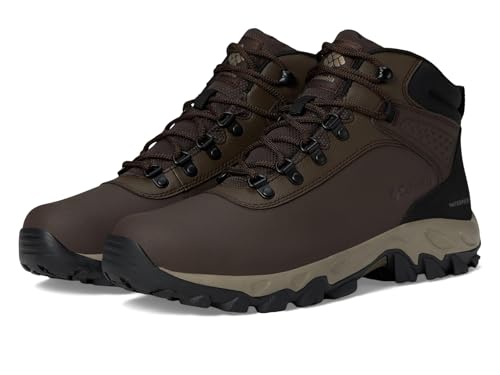
Columbia Newton Explorer

Merrell Moab 3 Mid Waterproof

KEEN Targhee 4 Low Waterproof

KEEN KS86 Retro Style Sneakers
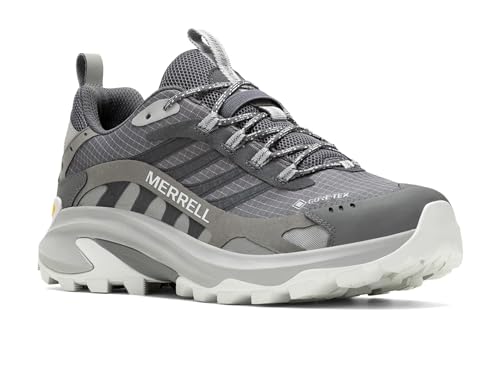
Merrell Moab Speed 2 GTX
The Details Behind The Selections
The SCARPA Mojito Wrap sits in a sweet spot the rest of this list mostly ignores: it leans closer to a lifestyle sneaker than a trail boot, but the wraparound lacing and grippy sole keep it honest on gravel paths. I think of it as the pair to toss in a weekend bag when packing space matters.
It appeals to walkers who want a low-profile silhouette for city blocks and casual trails in a single shoe. The Mojito Wrap feels more like a refined approach shoe than a workhorse hiker, and it works best when the day rarely leaves paved or well-trodden surfaces.
Positive Takeaways
- Slim, sneaker-like profile that slips into everyday wardrobes
- Wrap-style closure adapts to a range of foot widths
- Lighter than the Merrell Moab options reviewed here, which helps on travel days
- Grippy sole handles dirt paths and stairs with confidence
Trade Offs
- Minimal cushioning underfoot compared to the Moab 3
- Less protective upper for rocky or brush-heavy trails
Who It Suits Best
Light-footed walkers and travelers who want one pair to handle hotels, museums, and short trails without swapping shoes.
Where Another Pick Suits Better
For full-day treks with rough terrain, the Merrell Moab 3 Hiking Shoe delivers a more supportive platform underfoot.
The Moab name has been around long enough to feel like a familiar handshake, and version 3 polishes the formula without rewriting it. Where the SCARPA Mojito Wrap above leans lifestyle, this Merrell leans trail-ready, with a Vibram outsole, a more cushioned midsole, and a redesigned insole for longer days.
I see this as the safe centerpiece of the list. Hikers who want a do-most-things shoe, equally happy on a dirt loop or a park path, tend to land here. The Moab 3 also has the brand recognition that makes replacements and resoles easier down the road.
Benefits That Matter
- Vibram outsole grips loose dirt and wet rock
- Supportive insole reduces foot fatigue on longer walks
- Roomy toe box lets toes splay naturally on descents
- Balanced cushioning softens pavement between trail sections
- Widely available replacement laces and insoles
Points To Note
- Not waterproof in this standard version, so wet grass soaks through
- Heavier than the SCARPA Mojito Wrap, which adds up on long travel days
Feature Snapshot
Right Fit For
Weekend hikers and dog-walk regulars who want one reliable pair to cover varied conditions.
Skip It When
Wet trails are the norm, in which case the Merrell Moab 3 Mid Waterproof covers the same DNA with a weatherproof build.
The Mid version takes the Moab 3 platform and adds a higher collar, which is a meaningful upgrade when the trail tilts rocky or loaded with a pack. Unlike the low-cut Moab 3 above, this one stabilizes the ankle on side slopes and uneven rock gardens.
I tend to recommend this shape to hikers who feel their ankles roll on descents, or anyone stepping up from neighborhood walks to real trails. It still wears light enough for casual use, but it leans more toward trail duty than coffee shop duty.
Good Reasons To Consider
- Mid-cut collar steadies the foot on uneven ground
- Same Vibram outsole as the low-cut Moab 3
- Improved midsole cushioning reduces fatigue on long days
- Handles light pack weight without feeling clunky
Worth Noting
- Heel break-in period can feel stiff for the first few walks
- Not waterproof, so puddles and stream crossings soak through
Best Suited To
Hikers tackling rocky or sloped terrain who want ankle support without jumping to a heavyweight backpacking boot.
A Better Fit Elsewhere
For warm, dry climates where breathability matters more than coverage, the Merrell Moab 3 Hiking Shoe stays lighter and cooler.
Columbia’s Newton Explorer is the pair I point to when someone keeps landing in soggy grass or muddy spring trails. It pairs a waterproof leather upper with the brand’s Techlite midsole, a lightweight foam designed for long-lasting cushioning and energy return, plus the Omni-Tech waterproof breathable membrane that seals out puddles while letting heat escape.
Compared to the mesh-heavy Moab 3 above, this one feels sturdier and a bit warmer. The trade-off shows up in summer heat, where the leather upper runs warmer than ventilated mesh, but it pays back in durability when brush scrapes or rain shows up unexpectedly.
What Stands Out
- Waterproof leather upper handles rain and puddles
- Techlite midsole keeps the shoe light on long walks
- Reinforced toe cap resists rock scuffs on rugged trails
- Solid traction for muddy descents
Small Caveats
- Leather upper needs occasional conditioning to prevent drying
- Runs warmer than mesh designs in summer
Feature Card
Made For
Hikers in wet climates or shoulder seasons who need a waterproof shoe that still feels light enough for everyday walks.
Look Elsewhere When
Hot summer trails dominate your schedule, in which case the breathable Merrell Moab 3 Hiking Shoe is a cooler option.
This is the Moab 3 Mid recipe with a waterproof membrane baked in, which is the version I reach for when the trail report mentions mud, dew-soaked grass, or early-morning creek steps. Compared to the non-waterproof Moab 3 Mid, the difference is simple: rain and puddles stop being a worry.
It suits hikers who cover real distance in shoulder seasons, especially anyone who has been caught with soggy socks and learned the hard way. The build is heavier than the low-cut Moab 3, but for wet miles it’s a fair trade.
Useful Strengths
- Waterproof construction keeps feet dry through wet grass and shallow crossings
- Mid-cut collar adds ankle stability on uneven ground
- Vibram outsole grips slick roots and rocks
- Supportive footbed carries well over long days
Practical Considerations
- Heavier than the low-cut waterproof Moab options
- Waterproof membrane needs occasional cleaning to maintain breathability
Spec Overview
Who Will Love This
Hikers who face wet, muddy trails through spring and fall and want a single pair to handle sloppy conditions.
Swap It Out When
Dry, hot trails dominate your routine, where the lighter Merrell Moab 3 Hiking Shoe will breathe better.
The Targhee 4 is KEEN’s classic comfort-first hiker, and the waterproof low-cut version wears like a favorite pair of sneakers the first time you lace it up. The KEEN.DRY waterproof lining seals out water while letting heat vent, and the brand’s signature wider toe box gives toes room to spread on long climbs.
I think of this as the pick for hikers who care more about comfort than weight savings. It feels a little clunkier than the Moab 3, but it disappears on the foot once you’re moving, and the roomier last is a relief for anyone with a wider forefoot.
Notable Gains
- Wide toe box reduces pressure on long descents
- KEEN.DRY lining keeps feet dry in wet conditions
- Fused upper construction improves long-term durability
- Cushioned platform absorbs impact on hard-packed trails
- All-terrain outsole grips dirt, gravel, and roots
Honest Caveats
- Heavier feel than the Moab 3 or SCARPA options above
- Wider last may not suit hikers with narrow feet
Perfect Match For
Comfort-focused hikers, especially those with wider feet, who want all-day wear without hot spots.
Reach For A Different Pick When
Nimble trail running is the goal, where the Merrell Moab Speed 2 GTX offers a lighter, faster ride.
The KS86 is the most shoe-like entry on this list, designed around retro sneaker craftsmanship rather than trail boot DNA. It pairs a recycled mesh or eco-conscious leather upper with an aggressive tread, so it visually leans lifestyle while still handling park paths and gravel shortcuts.
I see this as the pair for someone whose “hike” is mostly a weekend stroll through the woods, with maybe some errands attached. It trades the trail-readiness of the Targhee 4 above for a more versatile look that pairs with jeans.
Where It Excels
- Retro silhouette transitions easily from trail to town
- Recycled mesh or eco leather upper choice
- Aggressive tread handles dirt and gravel shortcuts
- KEEN’s traditional wider last adds comfort for most foot shapes
Things To Consider
- Less protective upper than the Moab or Targhee options
- Not waterproof, so wet weather is a hard pass
Whose Shelf It Belongs On
Style-conscious walkers who want one pair to cover coffee runs, casual hikes, and weekend wear without a shoe change.
Consider Something Else When
You regularly hit rocky or wet terrain, where the Merrell Moab 3 Hiking Shoe gives more protection and grip.
The Moab Speed 2 GTX is where Merrell blends Moab DNA with athletic-hiker design, a GORE-TEX membrane for waterproofing, and a Vibram TC5+ outsole formulated for traction. The result is the lightest, fastest-feeling shoe on this list.
It’s the right call for hikers who want to move quickly and stay dry, especially on routes that mix rock, mud, and stream crossings. For casual dog walks, you may find it overbuilt, but on an actual trail loop the difference over the Moab 3 shows up fast.
The Upside
- GORE-TEX membrane seals out water while venting heat
- Vibram TC5+ outsole grips technical terrain
- Lightweight build reduces fatigue over long miles
- Trail-running inspired agility for fast-paced hikes
Things To Weigh
- Shorter break-in period needed to avoid hot spots
- Less cushioning than the Moab 3 for casual wear
- Premium construction shows in higher maintenance expectations
Quick Facts
Built With In Mind
Active hikers who want a lighter, faster shoe without giving up waterproofing and serious traction.
Where A Sibling Pick Shines
For slower weekend strolls where cushion matters more than speed, the Merrell Moab 3 Hiking Shoe is the more forgiving choice.
Choosing Casual Hiking Shoes That Actually Fit Your Routine
Start With The Terrain You Walk On Most
A flat gravel rail-trail asks for very little from a shoe. A rocky descent with wet roots asks for a lot. The biggest mistake I see is picking a heavy-duty boot for easy terrain, which adds weight without benefit. A low-cut mesh hiker like the Merrell Moab 3 handles most casual routes well, while a mid-cut waterproof boot earns its weight only when conditions demand it.
Decide How Much Water You Need To Beat
Waterproof membranes like GORE-TEX and KEEN.DRY keep feet dry through puddles and dewy grass, but they also trap heat. If summer is your main hiking season, a non-waterproof shoe breathes far better on warm days. For shoulder-season hikers, the waterproof trade is usually worth it.
Fit Beats Specs Every Time
A roomy toe box prevents bruised toes on downhills, and a secure heel prevents blisters on uphills. Trying shoes on late in the day, when feet naturally swell, mirrors how a shoe feels after a few hours on the trail. The KEEN Targhee 4’s wider last suits many foot shapes, but narrow-footed hikers may find the SCARPA Mojito Wrap more dialed in.
Match The Shoe To The Mileage
Casual hikers covering a few miles at a time can prioritize comfort and style. Hikers pushing past five or six miles per outing need real midsole cushioning and reliable traction. The Moab Speed 2 GTX leans toward longer distances, while the KS86 and Mojito Wrap lean toward shorter, more casual outings.
What To Watch For Before Clicking Order
Where Shoppers Go Wrong
Casual hikers often pick by looks first, then discover the toe box is too narrow after a few miles. Others assume waterproof means breathable, which isn’t true in summer heat. The honest read is that any shoe claiming to do everything usually compromises somewhere, and matching the shoe to your most common trail condition solves more problems than chasing a feature checklist.
When Paying More Pays Off
Premium hiking shoes cost more for measurable reasons, including lighter midsoles, grippier Vibram outsoles, and tougher upper materials. For someone logging weekend miles on real trails, those upgrades translate to less fatigue and a longer-lasting shoe. For casual strolls on groomed paths, a simpler mid-tier model handles the job without the extra spend.
Frequently Asked Questions
Do I really need waterproof casual hiking shoes?
Waterproof shoes help in wet grass, mud, and shallow stream crossings, but they run warmer in summer. A non-waterproof mesh hiker breathes better on dry, warm days.
How long should casual hiking shoes last?
Most casual pairs handle a year or two of regular weekend use before midsole cushioning breaks down. Rotating between two pairs and air-drying them after wet walks extends that lifespan.
Are low-cut shoes enough for casual hiking?
Low-cut shoes handle most flat or rolling terrain well. Mid-cut boots earn their keep on rocky ground, loose side slopes, or hikes with a pack.
Can I use casual hiking shoes for everyday wear?
Many casual hiking shoes, especially the SCARPA Mojito Wrap and KEEN KS86, transition easily from trail to town. Heavier trail-leaning models wear fine too, though they look more outdoorsy.
How should casual hiking shoes fit?
You want about a thumb’s width of space at the toe and a snug, locked-in heel. Feet swell over long walks, so a fit that feels roomy at home usually feels right after a few miles.
Final Verdict
The right casual hiking shoe is the one that fits how you actually spend your time outside. Hikers chasing a versatile everyday platform land well with the Merrell Moab 3, while those dealing with wet trails or wider feet often prefer the Targhee 4. Match the build to the conditions you face most, and the rest usually takes care of itself.