Walking around should not feel like a negotiation with your heels. I put together this shortlist for anyone whose day involves a lot of standing, school runs, errands, long shifts on hard floors, or just walking the dog without that first-step sting. The goal here is straightforward: comfortable everyday wear that supports the arch, cushions the heel, and lets you forget about your feet.
Plantar fasciitis is the irritation of the thick band of tissue running along the bottom of your foot, the plantar fascia, which connects heel to toes and absorbs shock with every step. When that band is inflamed, the morning first steps and long days on concrete hurt the most. The right casual shoe takes pressure off that tissue, gives the arch something to lean into, and reduces the strain that built the problem in the first place.
I looked at running models built for neutral gaits, easy slip-ons for warm weather, and orthopedic dress options that look like normal shoes. There are also a couple of compression sleeve sets included, because layering support under whatever you already own can change a rough day into a manageable one.
A quick note on what I did not do: I did not run lab tests or wear these for months. My recommendations come from spec analysis, brand reputation, and what tends to help people with this specific issue.
The Leading Options At A Glance
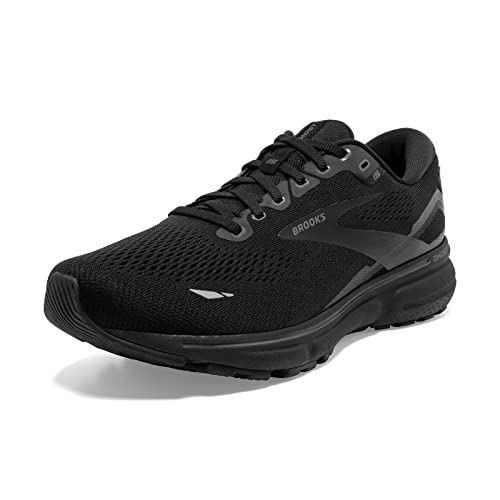
Brooks Ghost 15 Neutral Running Shoe

Brooks Ghost 14 Neutral Running Shoe

Clarks Brinkley Flora Cloudsteppers Flip-Flop

PAPLUS 6 Pairs Compression Socks for Plantar Fasciitis

PAPLUS 6 Pairs Compression Socks with Arch Support

OrthoComfoot Men’s Orthopedic Leather Dress Shoes

OrthoComfoot Men’s Plantar Fasciitis Slip-On Oxfords
What Each Pick Brings To The Table
The Ghost line is what I suggest when someone tells me they just want to walk without thinking about their feet. As a neutral shoe (one that does not push your stride inward or outward), it suits the majority of wearers and pairs especially well with arch discomfort because the cushion stack absorbs impact before it travels up to the heel.
For someone logging a lot of casual miles, school drop-offs, weekend errands, light jogs, the shoe slips into daily rotation quickly. Brooks has a long track record in this lane, and this iteration keeps the soft, segmented feel that made earlier versions popular.
Everyday Advantages
- Neutral platform works for most foot shapes without forcing a correction
- Cushioned midsole softens heel strike on concrete and tile
- Breathable upper keeps feet cooler on long shifts
- Versatile enough for walking, errands, and light running
Things To Consider
- Sizing can run slightly narrow for wider feet, trying on first helps
- Not a dedicated orthopedic shoe, severe cases may want a custom insert on top
At A Glance
Who It Suits Best
Walkers, casual commuters, and beginner runners who want one comfortable shoe that handles both daily steps and longer outings without breaking in a long time.
Consider Something Else When
Dress-required environments call for the OrthoComfoot Men’s Orthopedic Leather Dress Shoes instead, since the Ghost 15 leans athletic in any outfit.
The Ghost 14 is the generation right before the current model, and that matters here. It carries the same neutral DNA, but often shows up at a friendlier price, which makes it a useful option when you want the cushioning profile without paying extra for the newest release.
For someone easing back into regular movement, or rebuilding walking tolerance after a flare-up, the 14 still delivers the smooth ride that earned this line its following. Pick this over the 15 when budget matters more than having the latest upper material.
Benefits That Matter
- Same neutral geometry as the newer Ghost 15
- Cushioned heel absorbs impact on hard floors
- Often available at a lower price than current models
- Reliable daily driver for walking-heavy routines
Points To Keep In Mind
- Older upper materials may show wear sooner than the 15
- Color selection can be more limited since this is a previous-generation model
Right Fit For
Budget-minded shoppers who want the Brooks feel without the newest-model premium.
Skip It When
You specifically want the latest refinements, in which case the Brooks Ghost 15 is the more current choice.
Flip-flops usually get a hard pass from people with plantar fasciitis, and rightly so, since flat soles offer nothing for the arch to lean into. The Cloudsteppers line is different. EVA (a soft, foam-like rubber) makes up both the midsole and footbed, which gives the foot something cushioned to stand on instead of a flat plank.
For warm-weather days, pool decks, beach walks, or short trips where closed shoes feel like punishment, this is a reasonable bridge. The casual silhouette is unmistakably summer, so I would not pretend it works in winter or for long distances, but as a sandal that does not punish your arch, it has its place.
Where It Helps
- Cushioned EVA footbed softens impact compared to flat sandals
- Lightweight build keeps feet from tiring in summer heat
- Easy slip-on profile suits pool days and beach walks
- Coral colorway adds a bright seasonal option
Honest Caveats
- No heel strap means the foot grips during long walks, which can fatigue the toes
- EVA foam softens further in direct heat over time
- Not a substitute for a supportive shoe on long city walks
Quick Facts
Made For
People who want a casual warm-weather sandal that does not feel completely flat under the arch.
A Better Fit Elsewhere
For year-round daily wear, the Brooks Ghost 15 offers far more support than any flip-flop can.
These are not shoes, but they belong on this list because not every day lets you swap your shoes. Compression sleeves that wrap the arch and ankle add a layer of support inside whatever you are already wearing, which is the point. If you are stuck in a dress shoe, a work boot, or any shoe that does not have built-in arch support, slipping these on underneath changes how the foot feels at the end of the day.
The six-pair pack means you can rotate through a work week without doing laundry every night, and the compression level is moderate enough to wear for full days. For people who travel, run errands after work, or alternate between multiple pairs of shoes, this is a flexible add-on.
Practical Pluses
- Six-pair value pack covers a full rotation
- Compression supports arch and ankle during long wear
- Fits inside most shoes without changing fit dramatically
- Works alongside any shoe in this list
Some Limits To Know
- Not a substitute for proper shoes, this is a layering option
- Sizing accuracy varies, checking the size chart matters here
- Compression can feel warm in hot weather
Key Attributes
Whose Shelf It Belongs On
Anyone whose work or social wardrobe forces shoes that do not support the arch.
Look Elsewhere When
You want a complete shoe solution, the Brooks Ghost 15 or OrthoComfoot oxfords fill that role better.
This is the second PAPLUS option, and it leans slightly more into arch support than the previous sleeve. The compression profile targets the midfoot where the plantar fascia takes the most strain, which makes them a sensible pick for anyone on their feet for long stretches, retail workers, hospital staff, servers, teachers moving between classrooms.
You may find these most useful when your regular shoes are okay but not great. Adding these underneath turns a workable shoe into a more supportive one. The six-pair count also makes them a smart travel companion since you can rotate without missing a day.
Positive Takeaways
- Focused arch compression targets the plantar fascia directly
- Multi-pack suits daily rotation through busy weeks
- Slips under most casual and work shoes
- Ankle support helps stability on uneven ground
Where It May Fall Short
- Compression fabric requires air-drying to maintain elasticity
- Higher compression can feel tight at first wear
Best Suited To
Service industry workers, healthcare staff, and anyone whose shift keeps them vertical.
Reach For A Different Pick When
If you want a shoe-first solution instead of an accessory, the OrthoComfoot Men’s Plantar Fasciitis Slip-On Oxfords deliver built-in support.
This is where the list shifts from sneakers and sandals to shoes you can take to work. Orthopedic construction here means the shoe is built around an orthotic insole, a contoured insert designed to support the arch and cradle the heel, instead of a flat foam pad. Wrapped in leather with an oxford silhouette, the result reads as office-appropriate from across a conference table.
For someone with plantar fasciitis who still has to show up in business casual, this fills a gap that running shoes cannot. It is also a sensible pick for events, dinners, and anywhere a sneaker would feel out of place. Compared to the athletic picks above, this trades breathability and bounce for a structured, supportive feel under dressier outfits.
A Few Highlights
- Built-in orthotic insole reduces need for separate inserts
- Leather upper suits office and dress-casual settings
- Arch support targets the source of plantar fascia strain
- Replaces the flat dress shoes most people wear to work
Trade Offs To Consider
- Leather construction needs occasional conditioning to stay supple
- Heavier than running shoes, all-day wear can still tire the feet
- Stiffer break-in than a foam-cushioned sneaker
Feature Snapshot
Who Should Grab It
Office workers and professionals who need supportive footwear that looks like a regular dress shoe.
Swap It Out When
For pure walking or athletic days, the Brooks Ghost 15 is lighter and more cushioned.
The slip-on sibling in the OrthoComfoot lineup keeps the orthotic insole and leather upper, but skips the laces. That detail matters more than it sounds. Bending down to tie shoes is the worst moment of the day for many people with heel pain, and a slip-on removes that hurdle entirely.
For anyone who drives to work, walks into a clinic, or simply wants a shoe that goes on and off without a fight, this earns its spot. The tradeoff is a less adjustable fit, since you cannot fine-tune laces, so accuracy on the size chart matters more here than with the laced pair.
Bright Spots
- Slip-on profile removes the morning bending-and-tying struggle
- Built-in arch support targets plantar fascia strain
- Leather upper keeps the dress-casual look intact
- Sensible option for drivers and quick-errand days
Less Ideal Details
- Slip-on fit leaves less room to adjust than the laced version
- Loafers can rub at the heel until fully broken in
Perfect Match For
People who commute, drive often, or simply dislike bending to tie shoes in the morning.
Where A Sibling Pick Shines
If you want a more adjustable fit or a slightly more formal silhouette, the OrthoComfoot Men’s Orthopedic Leather Dress Shoes with laces offer that flexibility.
Matching Shoes To Your Daily Reality
Picking the right pair starts with where you actually spend your day, not what looks good on paper. Most people with plantar fasciitis feel the worst in two situations: the first steps out of bed, and long stretches on hard floors. Any shoe worth considering should soften both.
Cushioning is the first attribute to look at, and it matters more than brand reputation. The midsole, the layer between your foot and the outsole, is where the impact gets absorbed. EVA foam and similar materials compress under weight and bounce back, which reduces the shock your heel absorbs on every step. Thicker midsoles generally mean more shock absorption, but a shoe that is too soft can feel unstable. A medium-firm cushion that compresses noticeably under thumb pressure usually strikes the right balance.
Arch support is the second pillar. The plantar fascia runs along the bottom of the foot and supports the arch, so when the arch collapses inward (overpronation), that band stretches and irritates. A shoe with a contoured insole that matches your arch height gives the foot something to lean into instead of straining the fascia. People with higher arches often need more pronounced support, while flatter feet benefit from structured shoes that distribute pressure evenly.
Heel structure matters too. A slightly elevated heel, sometimes called a heel-to-toe drop, shifts weight forward and reduces direct strain on the plantar fascia. The catch is that too much elevation creates its own problems, so a moderate drop of around 8 to 12 millimeters tends to feel right for most casual wear.
Where You Walk Matters
Walking on carpet and tile at home is a different stress than sidewalks and grocery store floors. For indoor-heavy days, a softer, more flexible shoe is enough. For outdoor walking, look for a structured outsole that does not twist easily, which signals lateral stability (resistance to the foot rolling side-to-side).
Time Of Day And Temperature
Feet swell through the day, so a shoe that fits perfectly in the morning can feel snug after lunch. If possible, try shoes on later in the day. Warm climates also soften EVA midsoles faster, which is why the warm-weather pick in this list focuses on short-use comfort rather than long-term structure.
When You Already Own Shoes You Like
Compression sleeves, the kind from PAPLUS in this list, extend the life of shoes that are tolerable but not ideal. They cost less than a full shoe rotation and let you keep wearing pairs you already trust.
Key Considerations Across These Picks
Pitfalls Shoppers Hit
The biggest mistake I see is choosing a shoe purely for cushioning softness and ignoring arch support. A pillow under the foot feels great for ten minutes, but without something to hold the arch up, the plantar fascia keeps doing all the work. The second common miss is wearing old shoes past their useful life. Midsoles compress permanently over time, so a favorite pair from two years ago may offer half the support it used to.
What The Higher Tier Buys
Higher-priced picks in this category usually pay for a more precisely molded orthotic insole, a more durable outsole rubber, and better upper materials that hold shape through repeated wear. The Brooks Ghost 15 over the 14 is a good example: refined cushioning and updated upper construction are the meaningful differences, not just a new version number. For someone who is logging daily miles or working on their feet, that upgrade compounds over months of wear. For lighter use, the lower tier often makes more sense.
Frequently Asked Questions
Do casual shoes really help with plantar fasciitis?
Yes, when they offer arch support and shock absorption. The right casual shoe reduces the strain that aggravates the plantar fascia throughout the day, especially on hard floors.
How long does it take to feel a difference?
It varies. Some people feel less morning pain within a week of switching shoes. Others need a few weeks as the fascia calms down, especially if they have been compensating with bad footwear for a while.
Can I use my own insoles inside these shoes?
Most picks in this list have removable factory insoles, so swapping in custom orthotics usually works. The OrthoComfoot dress shoes already have built-in orthotics, so adding another layer can make the fit too tight.
Are flip-flops ever okay for plantar fasciitis?
Cushioned styles like the Clarks Cloudsteppers in this list are reasonable for short, warm-weather wear. Flat, unsupportive flip-flops generally make symptoms worse and are best avoided for long periods.
Should I size up for swelling?
Often yes. Feet swell through the day, and a snug fit can turn into painful pressure by evening. A thumb-width of space at the toe is a common guideline, but trying on later in the day gives a more realistic feel.
Closing Remarks
The right casual shoe will not cure plantar fasciitis on its own, but the wrong one can quietly make every day worse. Start with where your feet hurt most, then pick the shoe that solves that specific problem. A little patience during the break-in period goes a long way, and so does rotating pairs so the same cushioning does not wear out overnight.