I know the feeling of wanting a proper lifting shoe without spending a small fortune on a pair I’ll barely scuff. Whether I’m stepping under a barbell for the first time or adding a third training day to my week, I need stable footing and a firm heel, not fashion-forward cushioning designed for pavement pounding. The picks below lean into what actually matters for bar work: a raised heel, a locked-in midfoot, and a sole that doesn’t squish when I brace. I focused on options that work for new lifters, home gym owners, and anyone training in a shared space who wants a reliable pair without paying for a pro-tier model.
How The Shortlist Stacks Up
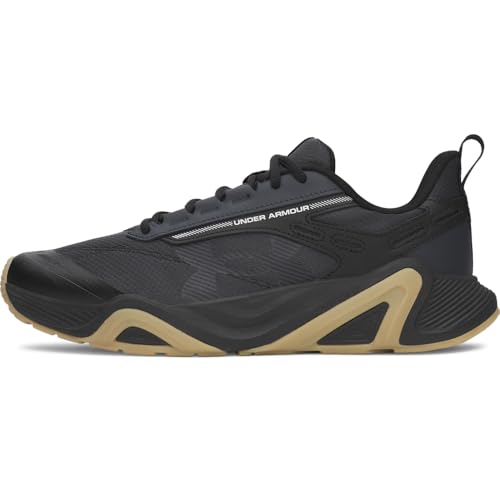
Under Armour Charged Commit Trainer 5

adidas Men’s Fitness Powerlift 4

adidas Powerlift 4 Weightlifting Shoe

adidas Adipower Weightlifting II


UA Project Rock 4 Trainer

adidas Powerlift 5 Weightlifting Shoes

adidas Powerlift 5 Unisex Shoe
A Closer Look At Each Pick
The Charged Commit Trainer 5 sits closer to a versatile training shoe than a pure barbell specialist. Leather reinforcement along the upper helps it hold shape through repeated box jumps and rope slams, while the Charged Cushioning midsole absorbs impact on plyometric work. For a beginner alternating between squats, kettlebell flows, and treadmill cooldowns, that mix of structure and flex is genuinely useful.
Unlike the dedicated lifters further down this list, this pair bends through the forefoot, which matters during agility drills but means a slightly less rigid platform under maximal squats. Anyone splitting sessions between Olympic lifts and metabolic conditioning will appreciate the breathability and the familiar lace-up fit.
Notable Upsides
- Leather overlays resist abrasion during lateral movements.
- Charged Cushioning softens landings on box jumps and short sprints.
- Flexible forefoot grooves let me pivot without fighting the shoe.
- Breathable textile sections keep feet cooler during long circuits.
- Reasonable entry cost for a multi-purpose trainer.
Things To Consider
- Not a true raised-heel lifting shoe, so depth in the squat may feel limited.
- Construction leans toward general fitness rather than heavy barbell work.
- Stock availability seems inconsistent across colorways.
Feature Snapshot
Who It Suits Best
Lifters who rotate between strength sessions and conditioning work and want one shoe that handles both without emptying the wallet.
Consider Something Else When
Lifters chasing pure squat depth should look at the adidas Men’s Fitness Powerlift 4 instead, since its raised heel and wedge deliver a more barbell-focused platform.
The Powerlift 4 carries a narrow last through the midfoot, which gives me a snug, locked-in feel the moment I lace it up. A wedge-shaped midsole elevates the heel just enough to support hip and ankle mobility during a deep squat, and the wide instep strap cinches down without digging in. The durable canvas upper breathes better than synthetic leather, which matters in a garage gym without climate control.
For someone stepping under a barbell for the first time, the trade-off is honest: the canvas upper scuffs faster than full-grain leather, and the sole is firm rather than cushioned for running. The Primegreen construction appeals to anyone who wants recycled content in their gear.
Strengths Worth Knowing
- Heel wedge improves squat depth without forcing an extreme angle.
- Wide instep strap distributes pressure across the midfoot.
- Canvas upper keeps weight low for long training blocks.
- Made with recycled materials, which suits sustainability-minded shoppers.
- Sits at a friendly price point for first-time shoe buyers.
Worth Noting
- Canvas shows wear sooner than leather or synthetic alternatives.
- Narrow fit may pressure wide feet, especially during longer sessions.
Right Fit For
Recreational lifters with average-width feet who want a dedicated squat platform without paying entry into the pro tier.
Look Elsewhere When
Wide-footed shoppers should consider the adidas Powerlift 5 Unisex Shoe instead, since its broader sizing accommodates a wider forefoot.
This Powerlift 4 variant shares the same heel wedge and instep strap as its sibling above, with a rubber outsole engineered to stay planted through heavy pulls. The narrow fit cradles the midfoot, and the lightweight canvas upper keeps the shoe from feeling clunky during a long block of accessory work. For someone training four days a week in a basement gym, that combination of stability and low weight matters more than flashy branding.
The fit runs tighter than a standard trainer, so anyone between sizes might need to size up. Compared to the UA Charged Commit Trainer 5, this pair sacrifices cushioning for a more grounded barbell feel.
Everyday Wins
- Rubber outsole grips rubber flooring during dynamic efforts.
- Midfoot strap creates a locked-down feel for pressing movements.
- Raised heel supports ankle mobility for front squats and cleans.
Trade Offs
- Narrow last may pinch wider feet during long warm-up blocks.
- Limited color variety compared to lifestyle trainer options.
- Not designed for running or jump-heavy metcon work.
Made For
Lifters who want a no-fuss, repeatable platform for squats, presses, and pulls three or four times a week.
Swap It Out When
Anyone prioritizing a premium build should consider the adidas Adipower Weightlifting II, which adds a non-compressing midsole for heavier loads.
The Adipower II targets lifters pushing toward competition-style loads. The midsole is engineered not to compress under heavy squats, so the platform stays consistent set after set. A woven textile upper breathes well, and the combination of laces plus a hook-and-loop strap lets me fine-tune the fit across the forefoot and midfoot independently. For anyone moving beyond general fitness and into structured strength programming, that level of stability justifies the higher price.
The trade-off shows up when I want to jog between sets or hop on a rower, since the rigid build resists flex. It also costs noticeably more than the Powerlift 4, which is fine for serious lifters but may stretch a beginner’s budget.
A Favorable Mix
- Non-compressing midsole holds shape through maximal squats.
- Dual lacing and strap system supports a customized lockdown.
- Woven upper improves airflow during longer training blocks.
Points To Note
- Higher cost than entry-level Powerlift models.
- Stiff build feels restrictive during cardio or plyometrics.
Key Specs
Best Suited To
Intermediate and advanced lifters running structured programs who want a competition-style platform without stepping into custom-made footwear.
Another Choice May Suit
Beginners easing into lifting routines may find better value in the adidas Men’s Fitness Powerlift 4, which offers similar heel geometry at a friendlier cost.
The Legacy Lifter carries the classic raised-heel silhouette that defined the brand’s early lifting line. A wide, sturdy heel block helps me stay grounded during heavy pulls, and the strap-and-lace combination locks the foot down through the arch. For lifters who appreciate a traditional build rather than a streamlined modern look, this shoe feels familiar the moment it’s laced.
Compared to the lighter adidas Powerlift models, the Legacy Lifter runs heavier, which is a plus for stability but a minus for anyone sprinting between stations. Reebok’s heritage as one of the older names in athletic footwear shows through the conservative styling.
Positive Takeaways
- Raised TPU heel provides a firm, consistent lifting platform.
- Wide strap supports the arch under heavy loads.
- Durable construction holds up across multi-year training cycles.
- Classic profile suits lifters who prefer traditional gear.
Minor Gripes
- Heavier than mesh-forward competitors.
- Styling skews conservative for shoppers wanting bright colorways.
Who Will Love This
Traditional strength athletes who care more about platform feel than modern design touches.
Not Your Match When
Lifters wanting a lighter build should consider the adidas Powerlift 4, which uses a lighter canvas upper for similar heel geometry.
The Project Rock 4 leans toward hybrid training rather than pure barbell work. The perforated mesh upper breathes during high-intensity intervals, while strap and heel overlays add structure when I move to heavy sets. The bootie construction hugs the foot without the rubbing that plagues some slip-on designs, and the Charged Cushioning midsole absorbs impact on burpees and box jumps. For someone running CrossFit-style sessions or combining strength with conditioning, the mix feels purposeful.
This is not a dedicated lifting shoe, so anyone chasing a heavy squat PR may want something with a firmer, raised heel. The unisex sizing chart also requires careful checking, especially at the smaller sizes where men’s and women’s measurements overlap.
Bright Spots
- Perforated mesh keeps airflow steady through sweaty intervals.
- Bootie construction delivers a snug, irritation-free fit.
- Strap and heel overlays add midfoot stability for pressing work.
- Handles both strength and conditioning blocks in one shoe.
Room For Improvement
- Less heel elevation than a true lifting shoe.
- Unisex sizing can be confusing near the men’s/women’s crossover.
Perfect Match For
Athletes blending strength work with HIIT or CrossFit-style conditioning who want one shoe that handles both.
Reach For A Different Pick When
Someone focused primarily on heavy squats and pulls should reach for the Reebok Legacy Lifter, which offers a more traditional lifting platform.
The Powerlift 5 refines what made the Powerlift 4 work. Mesh ventilation inserts cut into the canvas upper pull heat away from the foot, which matters in summer garage sessions or un-air-conditioned gyms. A hook-and-loop instep strap locks the midfoot, and the midfoot stability wedge underneath maintains a flat, planted base. For lifters running accessory circuits between heavy compound sets, the breathability is a real upgrade.
Some colorways route through third-party sellers, which can complicate sizing and return timelines. The build also feels slightly heavier than the older Powerlift 4 because of the added mesh sections.
Strong Points
- Mesh inserts improve airflow during longer training blocks.
- Stability wedge maintains a planted feel under heavy squats.
- Hook-and-loop strap distributes pressure evenly across the instep.
Points To Keep In Mind
- Some listings are sold by third-party sellers, not directly by the retailer.
- Slightly heavier than the Powerlift 4 due to mesh reinforcements.
Feature Card
Who Should Grab It
Lifters training in warm environments or unventilated home gyms who want better airflow than older Powerlift models.
Where A Sibling Pick Shines
Lifters shopping through first-party listings should look at the adidas Powerlift 4 instead, which is more commonly stocked by the retailer directly.
This unisex Powerlift 5 variant offers broader size availability than the men’s-only version, which makes it practical for households where multiple people train in the same shoes. The vivid colorway stands out in a gym bag, and the same canvas-and-mesh upper keeps feet cool through long sessions. The stability wedge and instep strap remain consistent with the rest of the Powerlift 5 line, so the lifting feel is familiar.
Compared to the men’s-specific Powerlift 4, the unisex sizing chart requires more careful measuring to land on the right size. The bright colorways also show chalk and dust more visibly than darker options.
A Few Highlights
- Wide unisex size range suits shared household training.
- Stable wedge supports consistent squat mechanics.
- Bright colorways are easy to spot in a busy gym locker.
Soft Spots
- Unisex sizing needs careful checking against standard charts.
- Bright finishes may show chalk and scuffs sooner than dark options.
Spec Overview
Built With In Mind
Shared households and partners training together who need one model that fits a broader range of foot sizes.
A Better Fit Elsewhere
Lifters wanting a darker, lower-profile look should consider the Reebok Legacy Lifter, which offers a more understated silhouette.
What To Weigh Before Choosing A Lifting Shoe
A dedicated lifting shoe earns its keep through three features: heel height, midfoot lockdown, and sole rigidity. The heel raise, usually between half an inch and a full inch, helps lifters with limited ankle mobility reach depth in a squat without compromising posture. A strap or extra lace loop keeps the midfoot from shifting under load, and a non-compressing sole keeps the platform consistent set after set.
Beginners benefit most from forgiving builds like the adidas Powerlift 4, where the heel wedge and canvas upper support good mechanics without overcommitting budget. Intermediate and advanced lifters pushing toward heavier loads often prefer the firmer midsole of the adidas Adipower II, where stability under maximal effort justifies the higher cost.
Anyone splitting sessions between barbell work and conditioning should decide which discipline matters more. A pure lifter wants a stiff, raised heel; a hybrid athlete may prefer the flexibility of the UA Charged Commit Trainer 5 or the Project Rock 4, which handle HIIT and metcon work without falling apart under moderate squats.
Sizing matters more than most shoppers expect. Narrow lasts like the Powerfit 4 can pressure wide feet during long warm-ups, while unisex models need careful measurement against standard charts. Trying shoes on with the socks worn during training, ideally at the end of a training day when feet are slightly swollen, helps avoid pinching later.
Key Considerations Across These Picks
Pitfalls Shoppers Hit
One common trap is buying a running shoe for lifting, since soft cushioning that feels comfortable on a treadmill compresses under a heavy squat and shifts the heel position mid-rep. Another mistake is overlooking strap security; shoes that rely on laces alone tend to loosen during long sessions, while a hook-and-loop instep strap maintains consistent pressure. Finally, ignoring sizing can ruin an otherwise good purchase, so measuring feet against the brand’s chart before ordering pays off.
Where The Extra Money Goes
Higher-tier models like the adidas Adipower II cost more because the midsole resists compression under heavier loads and the upper uses materials that hold shape longer. For lifters running structured programs and pushing toward personal records, that extra stability translates to more consistent mechanics. Recreational lifters training two or three times a week usually find a Powerlift 4 or 5 delivers everything they need without overspending.
Frequently Asked Questions
Do I really need a dedicated lifting shoe? A dedicated shoe helps with squat depth and midfoot stability, especially as loads increase. Recreational lifters can manage with flat-soled shoes at first, but a real lifting shoe becomes useful once technique and load both rise.
What’s the difference between a raised heel and a flat sole? A raised heel tilts the torso forward slightly, which helps lifters with tight ankles reach depth in a squat. Flat-soled shoes keep the foot parallel to the floor, which some lifters prefer for deadlifts and Olympic pulls.
Can I use a weightlifting shoe for running or HIIT? Most lifting shoes have stiff soles and raised heels that fight natural running mechanics. Hybrid trainers like the UA Project Rock 4 handle conditioning better, but pure lifting shoes work best when kept on the lifting platform.
How tight should a lifting shoe fit? The heel should stay locked in place with little lift, and the midfoot should feel snug without pinching. A small gap at the toes is normal and allows the foot to spread during heavy efforts.
How long do weightlifting shoes typically last? With consistent training, two to four years is common before the midsole or upper shows meaningful wear. Rotating between two pairs and storing them dry extends their useful life.
Wrap Up
The right lifting shoe comes down to matching the shoe to the training you actually do. Beginners and casual lifters often find the adidas Powerlift 4 hits the sweet spot of price, heel geometry, and lockdown. Intermediate and advanced lifters pushing heavier loads will appreciate the firmer midsole of the Adipower II. Hybrid athletes blending strength with conditioning get more versatility from the UA Project Rock 4 or the Charged Commit Trainer 5. Measure your feet, decide which discipline matters most, and pick the shoe that supports the kind of training you actually log week to week.