A long shift on a kitchen line can punish your feet, and choosing the wrong clog turns every hour into a quiet form of torture. I’ve spent time digging through slip ratings, sole construction, and the real complaints kitchen staff bring up about footwear that promised comfort but delivered hot spots. What follows are four pairs I trust for the realities of wet floors, dropped knives, and twelve-hour service days, with honest trade-offs for each.
The Shortlist At A Glance
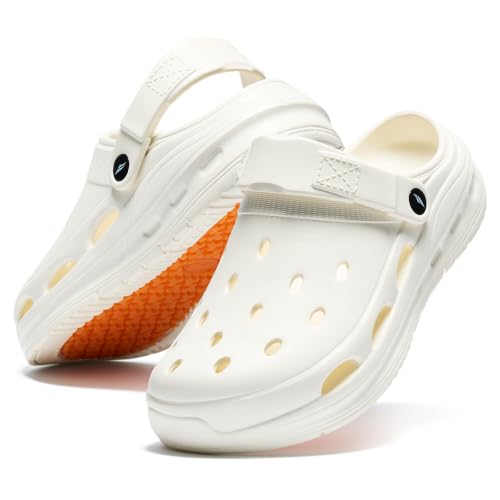
BALLOP Cloud Anchor Unisex-Adult Clog Sandals
Crocs Unisex-Adult Bistro Graphic Clogs

ZEENXIUYA Unisex Non Slip Work Chef Shoes

LARNMERN Men Chef Shoes Non Slip Slip-on
The Picks, Examined More Closely
The BALLOP Cloud Anchor sits in a different lane than the other three pairs in this roundup. It’s built around EVA foam, the same family of lightweight, cushiony material you find in recovery slides, paired with a rubber outsole that handles slick surfaces. Open ventilation ports run along the upper, which matters more than people expect during a hot kitchen close or a humid afternoon in a school cafeteria.
The arch support is the headline feature here. For anyone whose arches usually ache after a long shift, that built-in contour can be the difference between finishing a double in comfort and limping to the car. The unisex sizing runs from 5.5 Women/4 Men through 6.5 Women/5 Men, which covers the smaller-foot crowd that’s often forgotten by work-shoe brands.
A Strong Showing
- EVA foam construction keeps the clog light enough that tired legs barely notice the weight on foot.
- Built-in arch support reduces mid-shift foot fatigue for flat-footed wearers.
- Non-slip rubber outsole grips wet tile and greasy concrete alike.
- Ventilated ports help feet stay cool in steamy prep areas.
- Slip-on design makes quick changes between kitchen and break room painless.
Things To Consider
- Open-port ventilation lets in spills, so it’s not ideal for dishwashing stations where water exposure is constant.
- EVA foam compresses over time and owners commonly report the cushion losing bounce after roughly a year of daily wear.
- Sizing skews toward the smaller-foot end of the spectrum, which can leave larger shoppers looking elsewhere.
Who It Suits Best
Home gardeners, weekend cooks, and culinary students who want a forgiving, lightweight clog for mixed kitchen and yard work.
Look Elsewhere When
Anyone working a full professional line shift will get more protection and grip from the LARNMERN Men Chef Shoes, which carries a fully enclosed waterproof upper.
Crocs built the Bistro line specifically for hospitality workers, and it shows. The graphic upper is a fun touch that lets kitchen crews show a little personality, but the engineering underneath is what counts: a slip-resistant tread pattern tested against industry guidelines for greasy and wet floors. The Croslite foam upper is fully molded and easy to rinse under a faucet at the end of a shift.
Compared to the BALLOP that opened this list, the Bistro trades ventilation for a more closed top, which keeps splatters and dropped ice from getting inside. The pivoting heel strap lets you convert it into a slide when you want airflow during prep work, then lock it down for the rush.
What Helps Most
- Slip-resistant outsole offers real traction on greasy line floors.
- Croslite foam is genuinely light and rebounds after long shifts.
- Closed-molded upper protects feet from hot spills and dropped utensils better than open clogs.
- Pivoting heel strap adds security without slowing slip-on convenience.
Points To Keep In Mind
- Graphic patterns can scuff visibly in heavy commercial use.
- Wide fit is a love-it-or-hate-it trait that doesn’t flatter narrower feet.
Made For
Restaurant line cooks, baristas, and dishwashers who want a proven slip-resistant clog with personality.
Where Another Pick Suits Better
Cooks who need a fully waterproof sealed upper for dish-room duty should consider the LARNMERN Men Chef Shoes instead.
The ZEENXIUYA clog aims straight at the closed-toe kitchen-shoe category without the premium-tier price. The fully enclosed upper protects toes from falling knives and dropped sheet pans, which is the single biggest reason professional kitchens usually reject open-vented clogs. The waterproof surface wipes clean with a damp rag rather than needing a full rinse.
It also doubles as garden and light outdoor footwear, giving it more range than the Bistro’s kitchen-only focus. For home cooks and aspiring chefs, the value proposition is the main draw here.
Benefits That Matter
- Closed-toe design protects against dropped utensils and hot splashes.
- Non-slip tread handles kitchen and outdoor wet surfaces.
- Waterproof surface cleans up fast after messy prep work.
- Accessible price point suits students and home cooks building a kit.
Honest Caveats
- Lacks the brand-name slip testing certification that bigger names publish.
- Cushioning is thinner than the Crocs Bistro, so all-day standing may feel harder on joints.
- Less breathable than vented clogs during high-heat service.
Best Suited To
Home chefs, culinary students, and food-truck operators who want solid toe protection without overspending.
Swap It Out When
Professional line cooks clocking forty-plus hours weekly should reach for the Crocs Bistro Graphic Clogs for better long-shift comfort.
The LARNMERN takes aim at the full-time kitchen professional who needs a clog that survives dish-room puddles and constant steam. Its waterproof slip-on construction seals out moisture that would soak through ordinary work shoes, while the non-slip outsole is engineered for the slick tile found in most restaurant kitchens. The men’s-specific last gives a roomier toe box than unisex alternatives.
Versus the ZEENXIUYA reviewed just above, this pair leans into heavier-duty construction and a more locked-in fit. Where the Bistro from earlier uses Croslite foam, LARNMERN uses a denser build that holds shape longer under daily punishment.
The Good Stuff
- Fully waterproof upper keeps feet dry in dish rooms and bar areas.
- Slip-on convenience saves time at shift changes.
- Non-slip outsole grips oily and wet tile reliably.
- Closed-toe protection defends against dropped pans and broken glass.
Worth Noting
- Men’s-specific sizing excludes shoppers needing smaller or wider women’s fits.
- Less ventilation than open clogs, which can feel warm in hot kitchens.
Whose Shelf It Belongs On
Full-time restaurant chefs, line leads, and dish-room staff who need durable, waterproof footwear for back-to-back shifts.
Reach For A Different Pick When
Anyone wanting lighter, more ventilated footwear for casual cooking should look at the BALLOP Cloud Anchor Clog Sandals instead.
What Matters Most When Buying Chef Clogs
The single most important attribute is slip resistance, because wet and greasy kitchen floors are where most workplace injuries happen. Look for outsoles with tread patterns designed to channel liquid away from the contact patch, the same science behind hiking boots adapted for smooth tile. A clog can be comfortable and stylish, but without real grip it’s a hazard.
Toe protection matters next. Closed-toe designs like the LARNMERN and ZEENXIUYA shield against falling knives and hot spills, while open-vented clogs like the BALLOP trade that safety for breathability. For restaurant line cooks, closed-toe is non-negotiable. For home cooks and gardeners, the choice depends on how often you handle heavy pots.
Comfort comes down to weight and cushioning. EVA foam and Croslite keep clogs light enough that tired legs barely notice them after eight hours. Heavier rubber builds last longer but wear your feet down faster. Arch support helps anyone with flat feet, and removable footbeds let you swap in custom orthotics if needed.
Finally, consider how you’ll clean them. Molded foam clogs rinse under a faucet in seconds. Waterproof uppers wipe down with a rag. Canvas or fabric-trimmed pairs absorb spills and stain permanently, which is a real problem in kitchens that fry a lot of food.
Key Considerations Across These Picks
Pitfalls Shoppers Hit
The biggest mistake I see is choosing open-vented clogs for restaurant line work. Those ventilation ports that feel great in a home kitchen become a liability when hot oil splashes down or a bus tub tips over. Closed-toe waterproof pairs cost more and feel warmer, but they prevent the burns and slips that send cooks to the ER. Another common slip-up is ignoring sizing charts. Crocs, BALLOP, and LARNMERN all fit differently, and ordering your usual street size often ends in returns.
Where The Extra Money Goes
Higher-tier chef clogs typically buy three things: tested slip-resistance certification, fully waterproof uppers, and denser cushioning that holds its bounce across a year of daily use. Budget pairs like the ZEENXIUYA can handle weekend cooking and student-stage kitchen work just fine. For full-time professionals logging forty-plus hours a week on tile, the upgraded construction pays for itself in fewer replacements and less foot pain.
Frequently Asked Questions
Are chef clogs different from regular clogs?
Yes, kitchen-specific pairs are built with non-slip outsoles and often closed toes to handle wet floors and falling objects, while regular clogs focus on casual comfort.
Can I wear Crocs Bistro clogs in a professional kitchen?
Absolutely, the Bistro line was designed for restaurant workers and meets common slip-resistance standards for hospitality flooring.
How long do chef clogs typically last?
Most foam pairs last around a year of daily restaurant use before cushioning flattens, while heavier rubber builds can stretch to two years with proper cleaning.
Do closed-toe chef clogs get too hot?
They run warmer than vented clogs, but moisture-wicking socks and removable footbeds help manage temperature during long shifts.
Should I size up for kitchen clogs?
Most brands fit true to size, but check the specific sizing chart since Crocs and LARNMERN tend to fit slightly different than standard street shoes.
Final Verdict
For most home cooks, the Crocs Bistro Graphic Clogs strike the easiest everyday balance of comfort, grip, and cleanability. Full-time kitchen pros will get the most from the LARNMERN’s waterproof build, while the BALLOP Cloud Anchor is the right answer for anyone who splits time between the kitchen and the garden. The honest read is that the best clog is the one matched to your hours, your floor, and your feet.