Anyone working a service shift knows the feeling: three hours in, your feet start talking back, and by closing, every step is a small negotiation. The right pair of chef shoes turns that long shift into something bearable, absorbing the impact of tile floors and keeping your footing when a spill happens mid-rush. I put together this roundup for line cooks, prep cooks, dishwashers, and anyone else logging serious hours on their feet in a hot kitchen. Slip resistance matters, sure, but so does arch support, breathability, and how the shoe holds up after a season of abuse. Here’s what stood out across six solid options.
A Snapshot Of The Selections

SUADEX Non Slip Work Shoes Slip On

Non Slip Kitchen Boots for Men Sneaker
Crocs Bistro Graphic Clogs

SHULOOK Non Slip Work Boots

Waterproof Chef Boots Non Slip
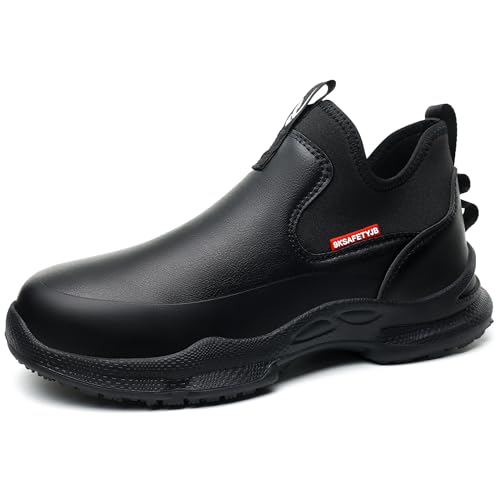
Non Slip Work Shoes Leather Slip-On
The Details Behind The Selections
The SUADEX slip-on is the kind of shoe that gets out of your way so the work can take center stage. Built for kitchen and food service roles, it leans into a low-profile silhouette that slides on without laces, saving you fumbling minutes before a rush. The waterproof upper shrugs off the splash-back from sinks and steam tables, and the arch support underfoot helps when prep work has you planted in one spot for an hour.
Compared to the heavier boot options later in this list, this one feels closer to a sneaker. That matters during a closing shift when every ounce on your feet compounds into fatigue. For home cooks and line workers stepping into their first pair of dedicated kitchen shoes, the SUADEX offers a low-risk starting point.
The Case For It
- Slip-on design cuts prep time at the start of a shift
- Waterproof upper handles steam, splatter, and sink work
- Arch support built into the footbed for long standing hours
- Lightweight feel compared to traditional work boots
Things To Consider
- Slip-on fit may feel loose for narrow feet, depending on shape
- Lightweight build trades some of the ankle protection a boot offers
- Cleaning the waterproof surface requires wiping rather than hosing down
Who It Suits Best
New line cooks, café workers, and anyone stepping into dedicated kitchen footwear without wanting to overspend.
Consider Something Else When
Cooks dealing with deep puddles or wet floors all shift should reach for the YINGCSM non slip kitchen boots instead.
The YINGCSM kitchen boot steps in when the floor turns into a hazard zone. The taller shaft keeps your socks dry during a wash-down and stops rogue splashes from soaking through, while the grippy outsole is designed to bite into wet tile. It’s heavier than a sneaker-style option, and that’s the point: this is a shoe that anchors you when the rush hits and the floor is anything but dry.
For dishwashers, prep cooks stationed near the sink, and anyone working outdoor kitchens, the boot shape pays off. Compare that to the SUADEX slip-on earlier, which trades coverage for agility. The trade-off here is breathability, but in a wet zone, that’s usually the right call.
Positive Points
- Taller boot shaft protects against splashes and standing water
- Slip-resistant outsole designed for wet tile and concrete
- Sturdy construction handles heavy daily use in tough environments
- Full coverage keeps socks dry through dish-pit conditions
Points To Keep In Mind
- Heavier than a low-cut sneaker, which adds fatigue over long shifts
- Less airflow, so feet may run warmer in a hot kitchen
- Boot height can feel clunky for cooks who move quickly across stations
Feature Snapshot
Made For
Dishwashers, prep cooks, and anyone working over wet floors or standing water for hours at a stretch.
Look Elsewhere When
Cooks who want a lighter, breathable ride for a hot indoor line should consider the Crocs Bistro clogs instead.
The Crocs Bistro is the familiar face in this lineup, and for good reason. The molded design is light enough that you forget you’re wearing it, and the slip-resistant tread is made for the kind of floors you find in commercial kitchens. When a spill happens, you rinse it off at the end of the shift, and it dries in minutes. There’s a reason these show up in restaurants everywhere.
Unlike the boot options from YINGCSM or SHULOOK, the Bistro gives up ankle coverage for airflow and speed. If your station keeps you moving between the line, the pass, and the walk-in, the trade makes sense. In most kitchens, this is the shoe people grab when they want simplicity.
Practical Advantages
- Lightweight molded construction reduces foot fatigue over long shifts
- Fully washable, a major plus when grease and food spills happen daily
- Slip-resistant outsole tested for kitchen environments
- Open design promotes airflow in steamy line conditions
Worth Noting
- Open heel and toe vents let in splashes from low spills
- Less arch support than structured sneakers or boots
Best Suited To
Line cooks and café staff who want a lightweight, washable shoe they can slide on and off between shifts.
Swap It Out When
Anyone who needs waterproof coverage and ankle protection should pick the IQAXC waterproof chef boots instead.
The SHULOOK boot is aimed at the back of house: dishwashers, prep cooks, and anyone whose shift involves dropped knives, hot liquids, and floors that never fully dry. The slip-resistant outsole grips tile and concrete, while the taller shaft protects against the splashes that pool around a busy sink. It’s built like a work boot, with the safety-first mindset that brings.
The trade-off shows up at the end of a long shift when the extra weight makes itself known. But for the right role, that weight buys durability. Cooks who want a sneaker feel should stick with the SUADEX or Crocs. Cooks who want armor should consider this one.
Real Benefits
- Tall boot shaft shields against splashes and minor spills
- Slip-resistant outsole built for restaurant and kitchen floors
- Sturdy construction handles the daily abuse of back-of-house work
- Classified under work and safety footwear for food service
Less-Strong Areas
- Heavier profile can wear on feet during extra-long double shifts
- Limited breathability in hot, poorly ventilated kitchens
Feature Card
Right Fit For
Back-of-house workers, prep cooks, and dishwashers who need a tough boot over a lightweight sneaker.
A Better Fit Elsewhere
Front-of-house cooks who want something lighter and more breathable should consider the Crocs Bistro clogs instead.
The IQAXC waterproof chef boot is made for kitchens where water is part of the job description. The waterproof upper keeps your socks from soaking through during a shift at the dish pit or an outdoor catering setup, and the non slip outsole grips wet surfaces without losing traction. It’s listed in a 8.5 Women/7 Men sizing, so size checking matters before committing.
Compare that to the Crocs Bistro, which trades waterproofing for breathability. In a steamy indoor line, the open design wins. At an outdoor event or a wet prep station, this IQAXC boot is the smarter pick.
Advantages To Know
- Waterproof construction handles wet prep stations and outdoor events
- Slip-resistant outsole maintains grip on damp surfaces
- Suitable for both men and women with sizing guidance provided
A Few Limitations
- Boots run warmer than open designs, which matters in summer kitchens
- Listed sizing reference requires checking the chart before ordering
Feature Overview
Whose Shelf It Belongs On
Outdoor caterers, food truck cooks, and anyone working a kitchen where puddles and rain are part of the shift.
Reach For A Different Pick When
Indoor line cooks who prioritize airflow should pick the Crocs Bistro clogs instead.
The IQAXC leather slip-on splits the difference between a sneaker and a work shoe. The leather upper brings a more polished look that translates from kitchen to front-of-house duties, while the water and oil resistant finish handles the inevitable splatter that comes with cooking. It’s lightweight enough to feel like a sneaker but structured enough to keep its shape through a long shift.
Where the boot options from SHULOOK and YINGCSM give up breathability for coverage, this one aims for versatility. Garden work, kitchen work, light outdoor tasks, the leather finish handles all of it. It’s a flexible pick for someone whose day crosses roles.
Features That Help
- Leather upper handles water and oil exposure during cooking
- Slip-on design speeds up the start and end of each shift
- Lightweight build keeps foot fatigue lower than full boots
- Versatile look works in kitchens, gardens, and casual service roles
Where It May Fall Short
- Leather requires occasional conditioning to prevent cracking over time
- Less protective than a taller boot for deep puddles or heavy spills
Who Should Grab It
Home cooks, garden-to-kitchen multitaskers, and service staff who want one shoe that handles multiple environments.
Where Another Pick Suits Better
Cooks logging serious hours over wet concrete should consider the YINGCSM non slip kitchen boots instead.
What Matters Most Before Choosing Chef Shoes For Standing All Day
Slip resistance is the headline feature for any kitchen shoe, and for good reason: wet tile plus a heavy tray is a recipe for a bad day. Look for outsoles with grippy tread patterns specifically tested on greasy or wet surfaces. Arch support matters just as much, especially for cooks logging eight to twelve hours on hard floors. A flat footbed turns a long shift into a foot pain marathon.
Material choice shapes comfort more than most people expect. Leather uppers tend to last longer and resist spills, while synthetic mesh breathes better in hot kitchens. Boot-style shoes offer protection from splashes and dropped items but trade away airflow. Sneaker and clog styles keep feet cooler but leave the ankle exposed. For dishwashers and prep cooks, taller boots usually win. For line cooks on the move, lighter designs pay off.
Fit is the quiet factor that decides whether a shoe becomes a daily favorite or gets shoved in a locker. Half a size up from your casual shoe often makes sense if you plan to wear thicker work socks or orthotic inserts. Breaking in matters too. A brand-new leather shoe can feel stiff through the first week, while a Crocs-style molded shoe is comfortable from day one.
Key Considerations Across These Picks
Where Shoppers Go Wrong
The most common slip-up is choosing style over function. A shoe that looks great in a product photo can feel terrible after four hours on tile. Fit and support beat looks every time. Skipping the arch support question is the second mistake. A flat footbed might feel fine for a quick errand, but over a full shift, the difference between supported and unsupported feet shows up as pain by closing.
When Paying More Pays Off
Higher-tier chef shoes usually invest in better outsoles, more durable uppers, and structured midsoles that hold their cushioning longer. The extra cost shows up after months of daily wear, when a cheaper pair flattens out and a better-built pair still feels supportive. For cooks working five or six shifts a week, the upgrade pays back in fewer replacements and less foot pain. For occasional kitchen duty, a budget pick is plenty.
Frequently Asked Questions
Do chef shoes really need to be slip resistant?
Yes, slip resistant outsoles are the single most important safety element in a kitchen shoe. Wet and greasy floors are constant hazards during service, and a grippy outsole can prevent serious injuries.
Can I use regular sneakers for kitchen work?
Regular sneakers often lack the slip resistant outsoles tested for kitchen conditions and may not handle spills or grease well. Dedicated kitchen shoes hold up longer in that environment.
How long should chef shoes last with daily use?
Daily kitchen use wears through outsoles and cushioning in roughly six to twelve months, depending on shifts and floor surfaces. Rotating between two pairs can extend the life of each.
Are clogs or boots better for long shifts?
Clogs tend to win for breathability and quick on-off use, while boots win for splash protection and ankle support. The right choice depends on your station and how wet the floor gets.
Do waterproof shoes make feet sweat more?
Waterproof uppers trap more heat than breathable designs, which can make feet warmer in a hot kitchen. The trade-off is worth it when working over wet floors or in outdoor settings.
The Takeaway
A good pair of chef shoes is one of those quiet upgrades that changes how a workday feels, especially when you spend hours standing on hard floors. Slip resistance, arch support, and the right coverage for your station matter more than brand cachet or price tag. The right pick depends on where you spend your shift: dish pits and wet floors call for boots, hot indoor lines favor clogs and breathable sneakers, and crossover roles benefit from versatile leather. Whatever you choose, the goal is the same: finish a long shift with feet that still feel like yours.