Pavement running asks more of a shoe than most people expect. Sidewalk slabs, cracked asphalt, subway grates, and slick crosswalk paint all become part of the training surface, and the wrong sole can leave feet sore before the first mile ends. I’ve spent time thinking about what urban runners actually need: protection from road debris, reliable grip on wet manhole covers, enough cushion for daily miles, and a fit that doesn’t require a 20-minute shoe ritual at 6 a.m.
The list below leans toward road-oriented shoes with real cushion, sensible weight, and traction tuned for hard surfaces. Trail-ready and lifestyle pairs still make the cut where they genuinely serve an urban stride. The goal is simple: help you find a shoe that disappears on your foot so the run stays the focus.
The Choices Worth Comparing

Skechers Women’s Slip-Ins: Aero Spark

Cole Haan Men’s Grand+ Wingtip Oxford
Brooks Men’s Revel 8 Running Shoe

ALEADER Women’s Energycloud Slip-On
The Picks, Examined More Closely
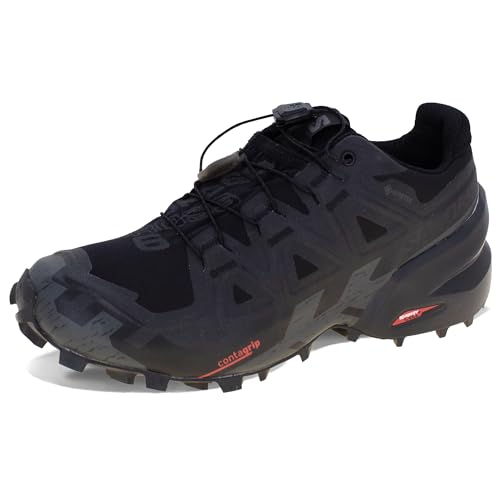
The Speedcross 6 GTX sits at the top of this list for one honest reason: rain happens. Built as a trail runner, this version adds a Gore-Tex membrane, which is a thin waterproof lining that keeps water out while letting sweat vapor escape, making it genuinely useful on wet sidewalks and slushy mornings. The aggressive lug pattern (the chunky rubber teeth on the outsole that bite into soft ground) is overkill on smooth pavement, but it pays off on slick crosswalks, painted lines, and bridge grates where road shoes can skate.
For runners in wet climates or anyone who logs miles through shoulder seasons, the grip is the headline feature. The shoe is a bit heavier than a pure road trainer, so anyone chasing tempo pace on dry days may find it clunky. Compared to the road-tuned Brooks covered below, this is a different tool for a different surface.
What Makes Sense
- Waterproof Gore-Tex lining keeps feet dry through puddles, slush, and steady rain
- Deep outsole lugs grip wet concrete, painted crosswalks, and metal grates
- Reinforced upper handles scrapes against curbs and rough sidewalk edges
- Stable heel platform feels planted on uneven urban terrain like brick or cobble
Trade Offs
- Heavier than a road-only trainer, so it can feel sluggish on long easy runs
- Aggressive lugs wear down faster on smooth asphalt than flatter road outsoles
- Trail-oriented cushioning feels firmer than typical daily road shoes
Who It Suits Best
Runners in damp climates or anyone whose route includes wet bridges, park paths, and unpredictable surfaces.
Where Another Pick Suits Better
The Brooks Revel 8 fits more naturally for runners focused on smooth pavement and faster daily miles.
The Aero Spark solves a problem most running brands ignore: the morning shoe struggle. Built around a hands-free slip-in design, the shoe uses a structured heel counter (the firm cup that wraps the back of the foot) so the foot slides in without bending the upper down. A padded heel pillow holds the foot once it’s seated. It’s an idea borrowed from casual sneakers and pushed into a true performance running shape with engineered mesh (a knit-like synthetic fabric woven with ventilation holes) and responsive foam cushioning underfoot.
For commuters and parents who squeeze in runs between obligations, that slip-on convenience is genuinely useful. The trade-off is a fit that runs slightly less locked-in than a traditional laced racer, so anyone training for distance PRs may want more precise wrap. Compared to the Speedcross covered above, this is a far lighter, more breathable pavement option.
Everyday Perks
- Hands-free entry saves time during rushed mornings and post-work runs
- Engineered mesh upper breathes well through warm-weather miles
- Removable cushioned insole adds arch support and stays comfortable for daily use
- Lightweight construction reduces fatigue on quick errands-to-run transitions
Things To Consider
- Slip-on fit runs less locked-in than a fully laced running shoe during faster efforts
- Mesh upper offers limited weather protection compared to waterproof options
- Cushioning prioritizes softness over the firmer rebound racers prefer
Quick Facts
Made For
Busy runners and commuters who want a quick-entry shoe for daily training on pavement.
Look Elsewhere When
The Salomon Speedcross 6 GTX is the smarter choice for runners facing wet weather or rougher urban terrain.
The Grand+ Wingtip is a curiosity on a running list, and that is exactly why it earns a spot. Cole Haan built it as a dress shoe that can actually move: a leather wingtip upper paired with sport-cushion construction underneath. For runners who walk-commute through downtown corridors or take meetings before lunch miles, this bridges the wardrobe gap that most running shoes can’t.
It’s important to be honest about what this is. The Grand+ is not a replacement for a dedicated trainer like the Brooks or Skechers covered above. It’s a hybrid shoe for light jogging, fast walks, and the kind of active office life where the dress code has loosened but not disappeared. Anyone running real volume needs a proper running shoe alongside it.
Where It Excels
- Dress-shoe silhouette works in business-casual and office environments
- Lightweight cushioned midsole handles walking-heavy days comfortably
- Leather upper wipes clean and resists daily scuffing better than knit trainers
- Versatile styling covers commuting, light jogging, and after-work plans in one shoe
Worth Noting
- Not a substitute for true running shoes during serious mileage or speed work
- Leather upper needs occasional conditioning to avoid cracking over time
- Limited breathability compared to mesh running shoes on hot days
Best Suited To
Professionals whose workday blends meetings with light movement and want one shoe to cover both.
Skip It When
The Skechers Aero Spark fits better for runners who want real training mileage in a slip-on format.
The Revel 8 is the closest thing on this list to a default urban running shoe. Brooks has long built trainers that lean toward neutral support (designed for feet that don’t roll excessively inward or outward) and balanced cushioning, and this generation continues that pattern. It is light enough for tempo work, soft enough for recovery days, and structured enough to feel stable on tired legs. For runners who log consistent weekly mileage on city streets, this is the kind of shoe you can lace up without thinking.
Versus the trail-leaning Speedcross at the top of this list, the Revel is purpose-built for asphalt and sidewalks. The fit runs true to size for most runners, though anyone with a wider forefoot may want to test before committing. It’s a quieter, more understated choice compared to the more lifestyle-focused Cole Haan.
Why It Works Well
- Balanced cushioning handles both easy recovery runs and steady tempo efforts
- Lightweight knit upper keeps the shoe feeling quick during shorter runs
- Neutral platform suits runners who don’t need heavy stability correction
- Smooth road outsole transitions cleanly from sidewalk to indoor track
Honest Caveats
- Standard road outsole offers less bite on wet surfaces than trail-oriented options
- Cushioning sits in the middle of soft and firm, which may not satisfy either extreme
Quick Facts
Who Will Love This
Regular distance runners logging consistent weekly miles on pavement want a versatile trainer.
Swap It Out When
The Salomon Speedcross 6 GTX handles wet conditions and rougher surfaces more confidently.
The Energycloud is the no-frills option on this list, and there’s a real audience for that. It’s a slip-on running shoe aimed at light mileage: walks, errands, gym sessions, and the early stages of a running habit. The foam midsole feels softer than it looks, and the breathable upper keeps feet cool during short sessions. For anyone who wants a casual shoe that can handle a 5K without committing to a technical trainer, this delivers what it promises.
The honest read is that this is not a long-term mileage shoe. Outsole durability is moderate at best, and the cushioning compresses faster than premium foams. Anyone training for a half marathon or running four days a week will outgrow it quickly. Compared to the Skechers Aero Spark above, it’s a lighter entry point with less structure.
A Few Highlights
- Slip-on design removes friction from quick outings
- Soft cushioning feels forgiving on short pavement sessions
- Lightweight build reduces fatigue during errands and walks
Where It Is Less Suited
- Outsole durability is modest, so heavy mileage wears it down quickly
- Cushioning compresses faster than premium foams under consistent training
- Minimal structure may feel unstable for runners needing arch support
- Mesh upper offers little protection from cold or wet conditions
Perfect Match For
Beginners and light users want a comfortable, low-commitment shoe for casual miles and walks.
A Better Fit Elsewhere
The Skechers Aero Spark offers a more substantial daily trainer for runners building consistent mileage.
What to Weigh Before Choosing City Running Shoes
Match the Outsole to the Surface
Pavement running rewards smooth, durable outsoles with enough flex to roll through a natural gait. Deep trail lugs wear down quickly on asphalt and feel clunky on flat ground. Look for rubber compounds (the rubber blends used in the outsole, which affect grip and lifespan) that balance grip with longevity, especially if your routes include painted crosswalks or smooth indoor flooring.
Cushioning Depth and Feel
Stack height refers to the total thickness of material between foot and ground. Higher stacks offer more impact absorption for longer runs; lower stacks give better ground feel for tempo work. Urban runners logging 20+ miles a week usually benefit from moderate stack heights that protect joints without sacrificing feedback. Softness is personal, so testing a pair over a short walk helps reveal whether the foam suits your stride.
Fit and Lockdown
The best cushioning in the world fails if the foot slides around inside the shoe. A secure heel, roomy enough toe box (the front area of the shoe where the toes sit) for natural splay, and laces that allow precise tension all matter more than brand reputation. Slip-on convenience is appealing, but make sure the heel doesn’t lift during faster efforts.
Weather and Versatility
City running means unpredictable conditions. A waterproof membrane helps in wet climates but adds weight and reduces breathability. Mesh uppers breathe well in summer but soak through fast in rain. Choosing between weather protection and ventilation depends on where and when most of your miles happen.
Key Considerations Across These Picks
Where Shoppers Go Wrong
Many shoppers pick running shoes based on style alone, then wonder why their knees ache after a month. The first mistake is assuming any athletic-looking shoe handles real mileage. A second common error is ignoring surface type: trail outsoles on pavement wear down fast and feel sluggish, while road flats offer poor grip on wet urban terrain. Matching the shoe to the actual running surface makes the biggest practical difference.
What Separates Premium From Basic
The gap between budget and premium running shoes usually shows up in three places: foam resilience (how well cushioning holds its shape over time), upper construction (how the materials are stitched or bonded together), and outsole rubber quality. A premium shoe keeps its cushioning through hundreds of miles and resists wear at the heel strike zone. Budget shoes compress faster and may need replacing twice as often. For runners logging real weekly mileage, that durability gap often justifies the higher upfront cost.
Frequently Asked Questions
What makes a running shoe good for city streets?
City running shoes need durable outsoles that handle asphalt, enough cushioning for hard surfaces, and traction that works on painted lines and metal grates. Breathable uppers help during warm-weather runs.
Are trail running shoes okay for pavement?
They work for short distances, but aggressive lugs wear down faster on smooth asphalt. Trail shoes also tend to feel firmer and heavier than road-tuned options during daily training.
How often should I replace city running shoes?
Most running shoes last between 300 and 500 miles depending on surface, weight, and gait. Once the midsole (the cushioned layer between the upper and outsole) feels flat or the outsole shows uneven wear, it’s time for a fresh pair.
Do I need waterproof shoes for urban running?
Waterproof membranes help in wet climates and shoulder seasons, but they reduce breathability. Runners in drier regions often prefer lightweight mesh uppers that dry quickly after the occasional puddle.
Can a dress shoe really handle running?
Hybrid dress-running shoes work for light jogging and walking-heavy days, but they don’t replace a dedicated trainer for serious mileage. They suit active professionals better than regular runners.
The Takeaway
City running rewards shoes tuned for hard surfaces, predictable cushioning, and a fit that holds up through daily miles. The picks above cover a range of needs from wet-weather trail capability to office-ready versatility, so the right choice depends on where and how you run. Trust your routine more than any single review, and the right pair usually makes itself obvious within the first few runs.