Some golfers want the look of a traditional saddle shoe, others want a clean sneaker silhouette that pairs as well off the course as on. I pulled together five pairs that lean classic in shape and feel, from leather traditionalists to spikeless sneakers with retro roots. Here’s what each one actually brings to the tee box.
The Picks In Brief
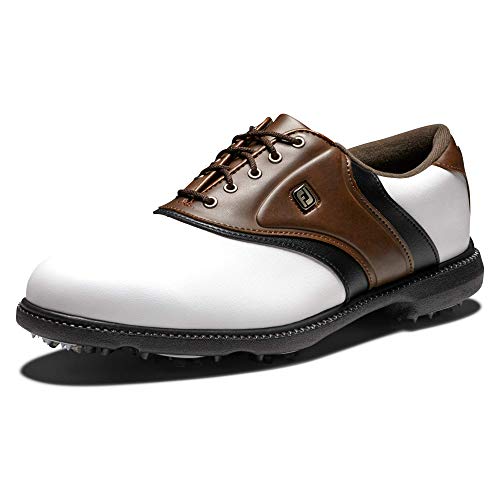
FootJoy Golf Originals Shoes

adidas Men’s Solarmotion Spikeless Golf Shoes

New Balance Men’s 997 Spikeless Golf Shoes
Zakey Spikeless Golf Sneakers

Zakey Waterproof Spiked Golf Shoes
The Details Behind The Selections
FootJoy has been making golf shoes for decades, and the Originals line carries that lineage in plain sight. The silhouette leans traditional, the kind of saddle-style profile that looks right at a club that still has a dress code in the grill room.
Compared to the spikeless sneakers below, these read as more formal from the moment you lace them up. They appeal to golfers who care about the look as much as the function, especially those walking into tournaments or corporate outings where sneakers feel out of place.
Why It Works Well
- The traditional saddle design pairs well with classic golf attire and holds up at stricter clubs.
- FootJoy’s long-running shoe program means replacement parts, insoles, and sizing guidance are easy to find.
- Build quality aims at season-after-season use, so a careful owner can stretch them across multiple playing years.
Things To Consider
- The traditional build runs heavier than the spikeless options later in this list, which adds up across 18 walking holes.
- Owners commonly note that leather uppers need conditioning to keep their finish, especially after wet rounds.
Who It Suits Best
A traditionalist who walks a club-friendly course and wants a shoe that looks at home in the clubhouse after the round.
Where Another Pick Suits Better
Players chasing featherweight cushioning for long walking rounds should look at the adidas Men’s Solarmotion Spikeless instead.
The Solarmotion takes the spikeless category and pushes it toward modern sneaker comfort. A memory foam collar wraps the ankle, and the Lightstrike midsole (adidas’s lightweight foam cushioning) keeps the whole package feeling nimble from the first tee to the eighteenth green.
Where the FootJoy Originals leans traditional, this one leans athletic. The Gripmore outsole uses raised rubber nubs instead of traditional spikes, which gives solid footing in dry conditions and stays grippy when the grass gets damp.
Where It Excels
- The Lightstrike foam noticeably cuts fatigue on long walking rounds, especially in warm weather.
- Spikeless construction means you can wear these straight to dinner without swapping shoes.
- The memory foam collar molds to the ankle within a round or two, reducing hot spots on the back of the foot.
Worth Noting
- The spikeless nubs can wear down faster than replaceable spikes, particularly for golfers who walk abrasive cart paths.
- Players with very narrow heels sometimes report a slightly loose lockdown despite the cushioned collar.
Key Product Details
Made For
A walker who plays year-round and wants one shoe that handles 18 holes, the cart path, and the parking lot.
Not Your Match When
Traditionalists who want leather saddle styling will feel more at home in the FootJoy Golf Originals.
New Balance translated its iconic 997 sneaker into a golf-ready spikeless, and the result is the most retro-looking shoe on this list. The light grey colorway adds to that throwback feel, the kind of profile you could pair with denim after the round.
Underneath the sneaker styling sits a waterproof microfiber leather upper and the Abzorb midsole, New Balance’s signature shock-absorbing cushioning. The wide sizing is a genuine gift for players who have always squeezed into standard-width golf shoes.
What It Does Well
- The 997 silhouette stands out on the course without looking like a tech-forward athletic shoe.
- Available in wide sizing, which is rare in golf-specific footwear and a real comfort upgrade for many players.
- The waterproof microfiber leather keeps feet dry through morning dew and light rain.
Honest Caveats
- The light grey upper shows grass stains more visibly than darker leathers, so regular cleaning matters.
- The fashion-leaning build sacrifices some lateral stability that a more performance-oriented shoe provides.
Best Suited To
A style-first golfer with a wider foot who spends time at the range and casual rounds rather than competitive tournament play.
A Better Fit Elsewhere
Golfers facing consistently wet conditions should consider the Zakey Waterproof Spiked Golf Shoes for added traction.
The Zakey spikeless sneaker targets casual golfers who want a functional shoe without paying for a flagship name. The build is light, the look is sneaker-simple, and the price leaves room for other gear.
Where the adidas and New Balance options lean into brand-specific cushioning tech, this one keeps things straightforward. Players who want a simple walking shoe for occasional rounds will find the feature set fits the brief.
The Value In It
- Lightweight construction keeps legs fresh on shorter rounds and range sessions.
- The sneaker silhouette transitions easily from the course to the parking lot without a shoe change.
- Entry-level pricing makes it accessible for new golfers building their first bag.
Trade Offs
- Cushioning lacks the long-distance support that walkers expect from premium foams.
- Build quality tends to feel lighter than the bigger-brand options, which may shorten overall lifespan.
Who Will Love This
A new or occasional golfer who plays a few times a season and wants something comfortable without a big investment.
Look Elsewhere When
Players logging serious walking miles each week should spend up for the adidas Men’s Solarmotion Spikeless cushioning system.
The other Zakey entry goes in a different direction, swapping the spikeless outsole for traditional spikes and adding a waterproof build. For golfers who play through wet mornings or dewy conditions, that combination is the whole point.
Unlike the New Balance 997 above, this shoe puts traction ahead of style. The look is functional rather than retro, but the grip and weather protection are the priorities here.
Useful Highlights
- Traditional spikes dig in on wet grass and sloped lies where spikeless nubs tend to skate.
- Waterproof construction helps feet stay dry through early-morning rounds with heavy dew.
- Pricing sits well below premium spiked options from the big brands.
Points To Keep In Mind
- Spikes require occasional replacement to keep traction sharp, a small maintenance step spikeless shoes skip.
- The styling reads more athletic than classic, which may not fit dressier club settings.
Perfect Match For
A golfer who plays early-morning tee times in damp climates and values grip over off-course styling.
Swap It Out When
Players wanting a shoe that doubles as everyday footwear should consider the New Balance Men’s 997 Spikeless instead.
What Matters Most Before Choosing Classic Golf Shoes
Start with how you actually play. Walkers logging 18 holes multiple times a week need real cushioning underfoot, the kind of foam midsole that absorbs repeated impact. Riders who spend most rounds in a cart can get away with less padding but still benefit from lateral stability during the swing.
Spiked versus spikeless comes down to conditions and habits. Traditional spikes bite harder on wet grass and sloped lies, which matters for players in rainy climates or hilly courses. Spikeless outsoles (rubber nubs or patterned tread) offer enough grip in dry conditions and the convenience of walking straight into the clubhouse or the parking lot afterward. Many course committees now prefer spikeless to reduce green damage.
Sizing and width affect comfort more than any other spec. Leather uppers stretch over time, while synthetic microfiber holds its shape. Wide-footed players should look specifically for wide sizing, which New Balance offers in the 997 above and several other brands offer seasonally. Standard widths can feel cramped after a few holes for anyone between sizes.
Finally, think about where the shoe lives outside the course. A leather saddle design like the FootJoy Originals feels right at a country club; a sneaker silhouette like the adidas Solarmotion or New Balance 997 reads as casual. Matching the shoe to your typical round setting saves you from changing footwear at the car.
Key Considerations Across These Picks
Pitfalls Shoppers Hit
The most common slip is choosing by looks alone. A shoe with a clean retro profile may lack the cushioning that walkers need, and a heavily cushioned athletic build may feel out of place at a traditional club. Another trap is assuming waterproof means breathable. Waterproof membranes block moisture from outside but can trap heat and sweat inside, especially in summer climates. If you play mostly in dry heat, a non-waterproof build with breathable mesh often feels better over four hours.
When Paying More Pays Off
Higher-tier models typically add premium midsole foams, better leather quality, and longer warranties from brands with established repair programs. For golfers walking 30+ rounds a season, the difference in cushioning compounds fast: better foam today means fewer knee and foot complaints in year three. For casual players logging a handful of rounds per year, the premium cushioning rarely pays back the cost.
Frequently Asked Questions
Do spiked golf shoes really perform better than spikeless?
Traditional spikes tend to grip firmer on wet grass and steep lies, while spikeless nubs handle dry conditions and offer more off-course versatility. Most recreational players won’t notice a meaningful difference in calm, dry weather.
How long should a pair of golf shoes last?
Owners commonly rotate two to three seasons from a quality pair with weekly play. Heavy walkers may see sole wear sooner, while occasional players can stretch a pair across several years with proper storage.
Are classic-style golf shoes comfortable for walking 18 holes?
Leather saddle designs like the FootJoy Originals run heavier than spikeless sneakers. Players who walk frequently often prefer a foam-cushioned midsole, even when they love the traditional look.
Should golf shoes be a half size larger than regular shoes?
Many golfers size up by a half to account for foot swelling during a long round, especially in warm weather. Trying them on in the afternoon, when feet are slightly larger, gives a more accurate fit.
Can spikeless golf shoes be worn off the course?
Yes. Spikeless outsoles use rubber tread that works fine on hard surfaces, which makes them practical for the parking lot, clubhouse, or quick errands after a round.
Bottom Line
The right pair depends on what your rounds actually look like. Traditionalists gravitate toward the FootJoy Originals, walkers chasing comfort land on the adidas Solarmotion, and style-first players with wider feet find their match in the New Balance 997. The two Zakey options round out the list for shoppers focused on budget or wet-weather grip. Pick the profile that fits your typical day on the course, and the rest tends to fall into place.