Nursing shifts stack the miles fast. Eight, ten, twelve hours of standing, pivoting, and walking hard floors, and your feet feel every minute of it. The right pair of clinical shoes turns that grind into something you can actually push through, blending slip-resistant traction, supportive cushioning, and a clean enough look to move between rooms without missing a beat. I put this list together for healthcare workers, students in clinical rotations, and anyone who logs long days on their feet in a professional setting. Each pick below earned its spot for a specific reason, and I’ll walk you through who each one suits best.
The Choices Worth Comparing

K-Swiss Classic VN Leather Sneaker

Brooks Glycerin Max 2 Running Shoe

Skechers Uno Shimmer Away Sneaker

Reebok Classic Leather Sneakers
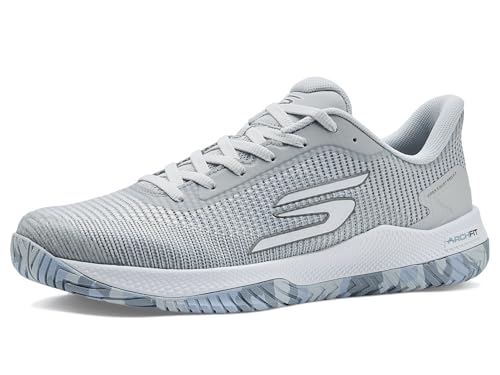
Skechers Viper Court Pro 2.0

Brooks Anthem 8 Running Shoe
What Each Pick Brings To The Table
The K-Swiss Classic VN lands as the budget-friendly option in this roundup, and its appeal is straightforward: a clean leather profile that looks polished in scrubs without the price tag of a dedicated nursing shoe. The leather upper wipes down quickly between shifts, and the low-profile silhouette slips easily under pant hems in a busy corridor. For nursing students watching every dollar or anyone rotating through clinicals who wants a shoe that works outside the hospital too, this one earns consideration.
Compared to the cushioned running options later in this list, the VN trades plush midsoles for a firmer, more traditional ride. That firmness isn’t a flaw; it just means this shoe plays a different role. Think of it as the polished, affordable workhorse rather than the marathon cushion pick.
The Value In It
- Genuine leather upper that wipes clean with a damp cloth, sparing you deep maintenance routines.
- Low-profile shape that tucks under scrub pants without bulk around the ankle.
- Classic silhouette that transitions from clinical floors to weekend errands without a wardrobe change.
- Entry-level price point that suits students building a first kit.
Things To Consider
- Firmer midsole cushioning may leave feet tired on 12-hour shifts compared to running-focused picks like the Brooks Glycerin Max 2.
- Leather uppers typically need occasional conditioning to prevent cracking over years of daily wear.
Who Should Grab It
Clinical students, new graduates, and anyone stepping into healthcare settings who wants a presentable, easy-care shoe without a premium spend.
Look Elsewhere When
Runners and staff who log truly long distances on their feet should reach for the Brooks Glycerin Max 2 instead.
The Glycerin Max 2 is built around the same DNA as Brooks’ flagship cushioned road runners, and that pedigree shows up where it counts: underfoot feel after hours of standing. The midsole stack (the thickness of cushioning material between your foot and the ground) is generous, which softens the impact of hard tile and concrete through back-to-back shifts. For nurses working med-surg floors, charge nurses who rarely sit, and physical therapists moving between treatment rooms, this kind of plush ride pays off by lunch.
Where the K-Swiss Classic VN leans clean and minimal, the Glycerin Max 2 leans athletic. That’s a fair trade if your priority is fatigue reduction over aesthetic minimalism, and the upper breathes well enough for warm hospital wings.
Useful Strengths
- Plush, max-cushion midsole that absorbs impact through long shifts on hard floors.
- Breathable engineered upper that helps feet stay cooler during warm shifts.
- Road-running heritage means reliable sizing and consistent fit across pairs.
Worth Noting
- The taller midsole stack can feel bulky under scrub pants and takes a shift or two to break in.
- Premium cushioning technology places it well above budget picks like the K-Swiss Classic VN.
- Sport-runner styling reads more athletic than the minimalist leather options in this roundup.
Best Suited To
Healthcare professionals logging truly long hours on hard floors who prioritize fatigue reduction and breathability over a low-profile silhouette.
Skip It When
Style-focused shoppers wanting a slimmer, more versatile profile should consider the Skechers Uno Shimmer Away instead.
The Uno Shimmer Away sits in the casual-meets-clinical sweet spot. The synthetic durabuck (a leather-look synthetic that’s lighter and easier to clean than real leather) upper carries metallic trim that adds visual interest, while stretch laces make the slip-on feel genuinely easy at the start of a long shift. A modest wedge fit design gives a slight lift without veering into dress-shoe territory, and the Air-Cooled Memory Foam insole cushions without trapping heat.
Against the running-focused Brooks Glycerin Max 2 earlier in this list, the Shimmer Away is a different animal: more about style and easy entry than maximum impact absorption. For clinics with relaxed dress codes or professionals who bounce between scrubs and street clothes, that balance has real appeal.
Bright Spots
- Slip-on construction with stretch laces saves time at the start of rushed shifts.
- Air-Cooled Memory Foam insole cushions while staying breathable.
- Metallic trim and wedge profile add a polished touch that scrubs alone can’t offer.
- Synthetic upper wipes clean with mild soap and water.
Points To Keep In Mind
- Wedge lift changes your center of balance, which can feel unfamiliar during the first few shifts.
- Synthetic durabuck doesn’t age with the same character as genuine leather picks like the Reebok Classic Leather.
Right Fit For
Clinical staff in relaxed-dress environments who want one shoe that transitions smoothly between work, errands, and casual evenings out.
Swap It Out When
Anyone needing firmer lateral (side-to-side) support for active roles should reach for the Skechers Viper Court Pro 2.0 instead.
The Reebok Classic Leather carries a heritage tennis silhouette that has barely changed in decades, and that consistency is exactly its strength in a clinical setting. The soft leather upper breaks in comfortably over the first week, the minimalist design pairs with anything in your wardrobe, and the high-abrasion rubber outsole holds up to daily pavement, tile, and linoleum transitions. For professionals who rotate between hospital corridors, coffee runs, and weekend plans, this shoe earns the “set-and-forget” label.
Where the Skechers Uno Shimmer Away leans more visual interest, the Classic Leather plays the long game with understated versatility. If you want one shoe that quietly handles every setting without announcing itself, this is a strong contender.
Good Reasons To Consider
- Soft, supple leather upper that breaks in comfortably and conforms to your foot.
- Minimalist silhouette works with scrubs, jeans, and casual office wear alike.
- High-abrasion rubber outsole handles daily wear across mixed surfaces.
- Heritage design language that has stayed relevant for years.
Trade Offs
- Cushioning is more minimal than purpose-built runners like the Brooks Glycerin Max 2, so very long standing shifts may wear on you.
- Light leather uppers show scuffs more readily than darker synthetic options in this list.
Whose Shelf It Belongs On
Healthcare workers and students who want a versatile shoe that handles clinical days and off-duty hours with equal ease, without leaning athletic or flashy.
Reach For A Different Pick When
Runners who need featherweight daily-trainer performance should consider the Brooks Anthem 8 instead.
The Viper Court Pro 2.0 is the most performance-oriented shoe in this roundup, originally engineered for the quick lateral demands of pickleball. That DNA translates directly into clinical settings where sudden pivots, emergency responses, and direction changes are routine. The enhanced mesh upper balances durability with breathability, and the supportive Arch Fit EVA insole (a molded footbed designed to match the natural shape of your arch) helps stabilize the foot during fast lateral movements that would destabilize a softer sneaker.
Compared to the Reebok Classic Leather’s quiet versatility, the Viper Court Pro 2.0 is louder and more athletic, but it earns that profile by doing things the minimalist leather picks simply can’t. If your shifts involve sprinting down hallways rather than steady rounds, the trade-off is worth it.
Everyday Perks
- Lateral stability design supports quick pivots and direction changes common in clinical emergencies.
- Arch Fit EVA insole provides structured arch support through long standing hours.
- Enhanced mesh upper keeps feet cooler than fully leathered options during warm shifts.
- Reinforced toe area holds up against repeated scuffing from bed frames and equipment.
Honest Caveats
- Court-shoe styling reads more athletic than minimalist options like the Reebok Classic Leather.
- Mesh upper construction requires gentler cleaning to preserve breathability over time.
Built With In Mind
Clinicians and support staff in fast-paced environments such as ER, ICU, and rapid-response teams who need lateral support more than a relaxed slip-on feel.
Not Your Match When
Staff in lower-activity settings who want a polished, versatile silhouette should reach for the Skechers Uno Shimmer Away instead.
The Brooks Anthem 8 closes the list as the lightweight option, a daily trainer built for runners who want a nimble feel underfoot. That nimbleness matters in clinical settings where you’re moving between rooms constantly and want a shoe that disappears on the foot rather than weighing you down. For rounding physicians, rapid response staff, and students rotating between units, the lighter profile reduces the cumulative fatigue that heavier shoes can cause by hour ten.
Where the Skechers Viper Court Pro 2.0 leans on structure and lateral support, the Anthem 8 prioritizes agility and speed. They’re complementary options depending on whether your day is more about quick stops and starts or continuous steady movement across long corridors.
Practical Advantages
- Lightweight construction reduces foot and calf strain during continuous movement.
- Daily-trainer pedigree means dependable sizing across pairs.
- Breathable upper handles warm hospital environments.
- Versatile enough for runs after shift if you maintain mileage.
Soft Spots
- Less structured midsole cushioning than max-stack picks like the Brooks Glycerin Max 2 for purely stationary standing shifts.
- Lighter build trades some outsole durability for agility.
Perfect Match For
Healthcare professionals who stay on the move during shifts and value a nimble, barely-there feel over maximum plush cushioning.
Consider Something Else When
Those who stand in place for long stretches and want maximum impact absorption should reach for the Brooks Glycerin Max 2 instead.
Matching Clinical Shoes To Your Workday
Choosing clinical shoes really comes down to honest self-assessment: how you actually spend those twelve hours, what your feet tend to complain about, and what your workplace allows. Cushioning is the first filter for most shoppers. Running-derived shoes like the Brooks Glycerin Max 2 and Anthem 8 stack plush midsoles that absorb impact through long shifts, while heritage leather silhouettes like the K-Swiss Classic VN and Reebok Classic Leather deliver a firmer, more grounded ride that some nurses actually prefer for posture and stability.
Fit And Sizing Tips That Matter
Healthcare shifts punish poor fit harder than almost any other setting. Try to shop at the end of the day when feet are slightly swollen, mirroring the conditions you’ll work in. A thumb’s width of room at the toe prevents black toenails during descents on stairs, and a snug (not tight) heel lock stops the blister-causing slip that comes from too much internal movement. Width matters as much as length, especially if you have a wider forefoot.
Material And Maintenance Tradeoffs
Leather uppers like the K-Swiss Classic VN and Reebok Classic Leather age with character but need occasional conditioning. Synthetic uppers like the Skechers Uno Shimmer Away and Viper Court Pro 2.0 wipe clean in seconds but may not develop the same patina. Mesh panels breathe beautifully but trap odors more readily, so rotation between pairs matters when possible.
Activity Level Across Your Shift
Fast-paced environments reward lateral support and grip, which is where court-shoe designs like the Viper Court Pro 2.0 shine. Mixed-paced wards suit versatile trainers like the Anthem 8 or Glycerin Max 2. Lower-activity clinical settings let minimalist leather picks carry more of the workload.
Key Considerations Across These Picks
Common Shopping Slip Ups
The biggest mistake I see is picking shoes based on looks alone. A polished leather silhouette won’t save your feet on a 12-hour shift if the midsole lacks structure, and a cushioned runner becomes a liability in a fast-paced unit where lateral support matters more than impact absorption. Try to match the shoe’s strength to your actual day rather than your imagined one.
What The Higher Tier Buys
Spending up in this category typically buys better midsole foam compounds, more refined uppers, and longer-lasting outsole rubber. The jump from entry-level leather to a premium runner shows up most clearly in hour eight of a shift, when cheaper midsoles compress and lose rebound. For staff who work four or five shifts a week, premium cushioning pays for itself in reduced fatigue.
Frequently Asked Questions
Do clinical shoes need to be slip-resistant?
Most clinical environments recommend slip-resistant outsoles because wet floors, spilled fluids, and freshly mopped tile are routine. Running shoes often have grippy rubber outsoles, but dedicated slip-resistance ratings require specific outsole patterns.
How long should clinical shoes last?
With daily clinical use, most quality pairs last somewhere between nine and eighteen months before midsole cushioning breaks down visibly. Rotating between two pairs extends lifespan because midsoles recover between wear sessions.
Can I wear running shoes in clinical settings?
Yes, many nurses and healthcare workers rely on running shoes for their cushioning and support. Check your facility’s dress code, since some units restrict athletic-looking footwear or require closed-toe, closed-heel construction in specific colors.
Should clinical shoes be waterproof?
Waterproofing helps with spill protection, but full waterproof membranes reduce breathability and trap heat. Easy-clean synthetic or treated leather handles most clinical messes without the trade-off.
How do I break in new clinical shoes before a shift?
Wear them around the house for short periods during the week before relying on them for a full shift. This softens the upper and lets the footbed mold to your foot without risking blisters on day one.
The Takeaway
The right clinical shoes depend less on brand loyalty and more on honest reflection about how your shifts actually feel. Cushioning purples will love the Brooks Glycerin Max 2, agility seekers will appreciate the Anthem 8, and versatility-focused shoppers will feel at home in the Reebok Classic Leather or K-Swiss Classic VN. Pick the pair that matches your real day, give them a fair break-in period, and your feet will thank you by hour twelve.