Long shifts on hard floors punish your feet, knees, and lower back in ways that ordinary sneakers simply cannot absorb. I pulled together four pairs worth a serious look, from a slip-on classic to purpose-built medical footwear, so you can match the right shoe to your unit, your hours, and your tolerance for standing.
A Snapshot Of The Selections

Clarks Women’s Sara Clover
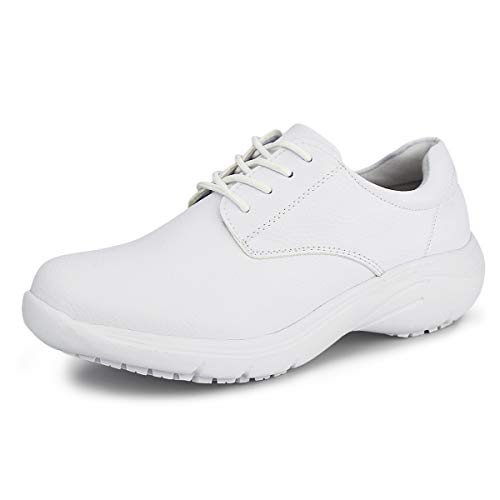
Hawkwell Slip Resistant Nursing Shoes

Hawkwell Cloud Zero Active Nursing Shoes
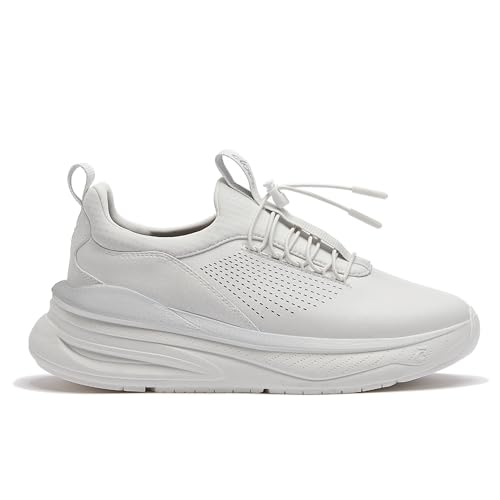
clove Forte Nursing & Doctor Shoes
The Strengths Of Each Pick
The Sara Clover sits in a quieter corner of the nursing footwear world. It’s a ballet-inspired flat with a criss-cross strap detail, built more for clinic corridors than emergency rushes, and that single design choice tells you almost everything about who it’ll suit.
Inside, an OrthoLite footbed (a removable cushioned insole designed to fight odor and stay breathable) sits beneath Clarks’ Cushion Soft padding, which absorbs impact through the heel and arch. Compared to the heavier duty options lower in this list, the Sara Clover trades serious protection for genuine softness, and for a school nurse, dental hygienist, or outpatient coordinator, that trade usually feels worth it.
Features That Help
- Cushion Soft padding softens heel impact during long stretches of standing.
- OrthoLite footbed supports the arch and helps the shoe stay fresher between washes.
- Smooth textile lining keeps feet cool in warm, dry clinic environments.
- Flexible TPR outsole (a rubber-like material that bends with your foot) gives steady grip on polished tile.
Things To Consider
- No specific slip-resistance rating, so wet hospital floors remain a real concern.
- Leather or suede upper needs occasional conditioning to prevent cracking.
Right Fit For
Nurses and allied health staff working lighter clinic days who want slip-on comfort over heavy-duty protection.
Swap It Out When
You need real slip resistance on a busy hospital floor, in which case the Hawkwell Slip Resistant Nursing Shoes handle wet tile with more confidence.
Where the Sara Clover leans soft and quiet, the Hawkwell lace-up steps firmly into work-shoe territory. The whole silhouette is built around traction and lightness, and you can feel that intent the moment you see the tread pattern wrapping up the sides of the sole.
For a med-surg or telemetry nurse sprinting between rooms, that extra grip matters more than extra cushioning, and the lace-up closure lets you dial in a snug midfoot fit. It’s not the cushiest pick in this roundup, but for anyone tired of skating across freshly mopped floors, it addresses the real problem.
Practical Pluses
- Slip-resistant outsole grips wet tile and polished concrete.
- Lace-up design lets you adjust fit across the midfoot and instep.
- Lightweight construction reduces foot drag through 12-hour rotations.
Honest Caveats
- Laces demand a quick tie each shift, which slows down fast handoffs.
- Limited arch support compared to the Sara Clover’s cushioned footbed.
- Upper materials may show scuffs sooner than premium leather alternatives.
Made For
Hospital nurses who cover lots of ground on hard, occasionally wet floors and want a lighter work shoe than a traditional leather oxford.
Another Choice May Suit
Anyone who wants a more cushioned ride for back-to-back long shifts should look at the Hawkwell Cloud Zero Active Nursing Shoes instead.
The Cloud Zero takes the work-shoe foundation from the previous Hawkwell and dresses it up like a running sneaker. Breathable mesh, plush cushioning, and a tennis-shoe silhouette make this the pair that blurs the line between gym and unit.
For nurses whose shifts blend long standing stretches with quick bursts of walking, that balance tends to land well. Compared to the Sara Clover’s flat profile, the Cloud Zero gives you noticeable heel-to-toe drop (the height difference between the heel and forefoot of the shoe) and a rocker-style shape that helps you roll through steps instead of stomping them.
Why It Works Well
- Breathable mesh upper keeps feet cooler during back-to-back shifts.
- Plush midsole cushioning softens repetitive heel strikes on hard floors.
- Sneaker styling looks more casual than a traditional nursing oxford.
Points To Note
- Mesh upper is easier to stain and slower to wipe clean than coated leather.
- Cushioning compresses over time, so heavy daily users may notice reduced support within a year.
Best Suited To
Nurses logging 10 to 12 hours who want sneaker-like comfort with enough structure to handle hospital floors.
Look Elsewhere When
You regularly deal with fluids or spills, since the clove Forte Nursing & Doctor Shoes offer a fluid-resistant upper that wipes clean in seconds.
The clove Forte is the only shoe in this roundup designed from the inside out for clinical work. Every feature name on the listing, fluid resistance, slip resistance, easy cleaning, elastic no-tie laces, points at the same goal: survive a 12-hour shift without slowing you down.
That focus shows up in small choices, like stretch laces you can slip on without bending over, and a coated upper that wipes down after exposure to fluids. Where the Sara Clover feels like a comfort flat and the Cloud Zero feels like an athletic shoe, the Forte feels like a tool, and for ICU, ER, and surgical nurses, that tool-first approach usually wins out.
Positive Takeaways
- Fluid-resistant upper lets you wipe off spills quickly between patients.
- Slip-resistant outsole supports confident movement across wet floors.
- Elastic no-tie laces speed up donning and doffing during quick changes.
- Engineered for 12+ hour standing shifts with structured midsole support.
Worth Noting
- Heavier than the Cloud Zero, which can fatigue smaller frames over long shifts.
- Style skews utilitarian, so off-duty wear feels less versatile than a sneaker.
Who Should Grab It
Nurses, doctors, and residents rotating through high-exposure units who need footwear that handles fluids and long hours as a baseline, not a bonus.
A Better Fit Elsewhere
For lighter clinic days or anyone who wants a softer, slip-on feel, the Sara Clover remains the easier entry point.
What To Weigh Before Buying Clove Shoes For Nurses
The right pair starts with where you actually work. Inpatient hospital floors demand slip resistance and fluid protection, while outpatient clinics reward lighter, breathable builds. A 12-hour med-surg shift on polished tile is a different beast than a school nurse’s mostly-seated day.
Cushioning matters more than most people expect. Foam midsoles (the soft layer between the insole and outsole that absorbs shock) compress with use, and once that rebound is gone, knees and lower backs quietly start to absorb the impact. For daily wearers, rotating two pairs can extend the life of each midsole by letting the foam recover between shifts.
Fit quirks deserve real attention. Nursing shoes often run narrow, and a too-snug toe box can cause blisters long before heel pain shows up. If you have wider feet, look for roomy lasts (the foot-shaped mold around which a shoe is built) or plan to size up a half step.
Finally, match the shoe to the mess. Mesh uppers breathe beautifully, but they soak up fluids quickly. Coated or treated uppers clean up fast, though they trade a little airflow for that practicality.
Key Considerations Across These Picks
Pitfalls Shoppers Hit
Buying for looks instead of floor conditions is the most common miss. A pretty slip-on that looks great with scrubs won’t save you on a wet ICU floor, and a heavy-duty work shoe can feel like a lead weight in a calm clinic setting. Match the shoe to your actual unit, not your ideal one.
Overlooking replacement timelines costs real money. Most nursing shoes lose meaningful cushioning somewhere between nine and fifteen months of daily wear, so treating them as a yearly purchase, rather than a multi-year one, sets the right expectations.
Where The Extra Money Goes
Higher-tier nursing shoes tend to invest in three places: better midsoles that hold rebound longer, more durable uppers that resist abrasion and staining, and cleaner slip-resistant outsoles that meet hospital-grade standards. You’re paying for what survives month six, not what impresses on day one.
The upgrade tends to matter most for nurses logging 30-plus hours a week on hard floors. For occasional wearers, a mid-tier pair usually delivers more than enough support.
Frequently Asked Questions
How often should nurses replace their work shoes? Most nurses find that daily-use pairs need replacing roughly every nine to fifteen months, once the midsole stops bouncing back and foot fatigue creeps in earlier each shift.
Are slip-resistant outsoles really necessary? For inpatient hospital work, yes. Standard sneakers can skate on freshly mopped tile, while slip-resistant tread channels liquid away from the contact patch.
What’s the difference between nursing shoes and regular sneakers? Nursing shoes typically add fluid-resistant uppers, hospital-rated slip resistance, and structured midsoles built for prolonged standing, features most running shoes don’t prioritize.
Should I size up for thicker compression socks? Yes, sizing up a half step is a common move for nurses who wear medical-grade compression socks, since cramped toe boxes cause far more blisters than loose heels in this line of work.
Can I wash nursing shoes in a machine? Most mesh and fabric nursing shoes can handle a gentle machine cycle in a mesh bag, though leather and fluid-coated uppers do better with surface cleaning and air drying.
Wrap Up
Your unit, your hours, and your foot shape all matter more than any single brand name. Try to match the shoe’s strengths to the floor you actually stand on, replace the pair before the cushioning dies, and your knees will quietly thank you a few years down the road.