Coaching runs on your feet, often for hours on end. The right pair of coaching shoes keeps your ankles steady on the sideline, your knees calm on the gym floor, and your mind free to focus on the team. I put this shortlist together for coaches who log long days on concrete, grass, turf, or track, and want a shoe that holds up across the whole job. Each pick below leans toward a different style of session, so match the shoe to the surface you spend the most time on.
How The Shortlist Stacks Up
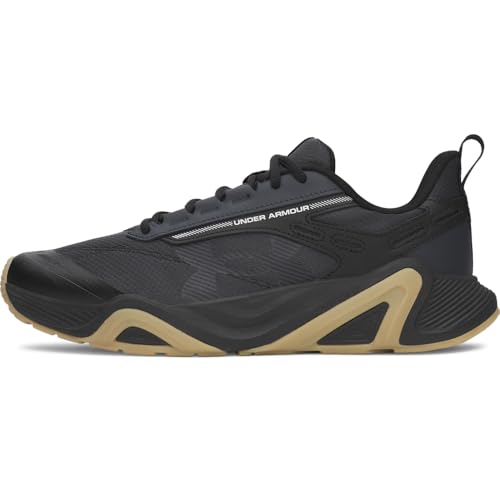
Under Armour Charged Commit Trainer 5

New Balance FuelCell 4040 V6 Turf-Trainer

Under Armour Yard Low Turf Baseball Shoe

NORTIV 8 Men’s Trail Running Shoes
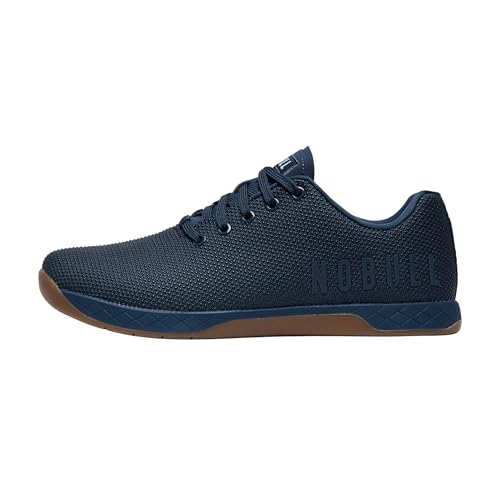
NOBULL Men’s Outwork Shoe

NOBULL Men’s Outwork Edge Shoe

NOBULL Women’s Allday 365 (Ripstop) Shoe
Taking A Closer Look At The Options
The Charged Commit Trainer 5 is the kind of shoe most coaches end up reaching for on gym days. A leather panel across the top of the foot adds lateral stability when you’re planting to demo a drill, and flex grooves along the bottom keep the toe from feeling locked up during quick direction changes. Charged Cushioning (Under Armour’s midsole foam tuned for impact absorption) softens landings on hard gym floors, which matters when you’re standing through two-a-days.
Compared to the turf trainers later in this list, the Commit Trainer 5 plays a more generalist role. It handles demo work, agility ladders, and short jogs across a track without feeling out of place. In most strength rooms I’ve worked around, this is a shoe that earns its spot on the bench rack because it stays comfortable hour after hour.
The Good Stuff
- Leather upper section locks the midfoot during lateral drills
- Charged Cushioning absorbs impact on hardwood and rubber flooring
- Flex grooves let the forefoot bend naturally on cut moves
- Comfortable enough for long demo days without breaking in
Worth Noting
- The leather panel needs occasional wiping to keep it from holding chalk and dust
- Not built for outdoor turf, so coaches split between surfaces may need a second pair
Key Specs
Made For
Gym coaches and strength room staff who spend most of the day on indoor floors and need a stable, cushioned trainer.
Consider Something Else When
Coaches who live on the baseball diamond should look at the New Balance FuelCell 4040 V6 Turf-Trainer for dedicated turf grip.
The FuelCell 4040 V6 is built for the surface most baseball and softball coaches actually work on: artificial turf. The nubby rubber outsole bites into turf fibers, giving you confident footing when you’re chasing a foul ball or demonstrating a slide. FuelCell is New Balance’s high-rebound midsole foam, and you feel that snap when you’re walking the outfield line between drills.
The upper uses synthetic and mesh with a burrito tongue (a folded wraparound tongue that hugs the foot) that pulls the laces flat across the bridge of the foot. Compared to the Under Armour Charged Commit Trainer 5 above, this shoe is far more turf-specific and trades a bit of indoor versatility for outdoor grip.
Well-Handled Touches
- Nubby rubber outsole grips turf without tearing it up
- FuelCell midsole adds a springy, responsive feel underfoot
- Burrito tongue lays flat and prevents lace pressure on the top of the foot
- Synthetic mesh keeps the upper breathable during summer practice
Trade Offs
- Turf-focused outsole feels awkward on smooth indoor floors
- Mesh upper shows wear faster than the leather panel on the Charged Commit Trainer 5
Right Fit For
Baseball and softball coaches who spend most of the season on turf fields and want a shoe that matches that exact surface.
Reach For A Different Pick When
Coaches splitting time between turf and dirt should consider the Under Armour Yard Low Turf Baseball Shoe for tougher construction.
The Yard Low is for the coach who treats dugout concrete like a second office. Toe drag protection wraps the front of the shoe, and strategic TPU overlays (thermoplastic polyurethane reinforcement patches glued to high-wear zones) guard the spots that get chewed up by skinned slides and bat drag. A TPU cage around the midfoot adds stability when you’re demonstrating lateral fielding moves.
The updated plush heel makes the fit feel closer to a sneaker than a stiff cleat, which helps when you’re on your feet all day. The engineered textile forefoot and breathable toe box keep the front of the shoe from turning into a sweatbox by the seventh inning. Next to the FuelCell 4040 V6 above, this shoe trades a lighter ride for tougher construction.
What Works In Its Favor
- Toe drag protection extends shoe life through a full season
- TPU cage locks the midfoot during side-to-side fielding demos
- Molded Ortholite sockliner (a moisture-wicking foam insole) holds its cushion over time
- Plush heel lets the shoe feel broken in from day one
Room For Improvement
- Heavier than the FuelCell 4040 V6 thanks to added overlays
- Low-cut collar offers less ankle support for uneven grass edges
Feature Snapshot
Who It Suits Best
Head coaches and assistants running dugout-heavy seasons who want a shoe built to outlast a full schedule.
Look Elsewhere When
Coaches wanting a lighter turf feel should step up to the New Balance FuelCell 4040 V6 Turf-Trainer.
Cross-country and field event coaches spend most of their day on grass, gravel paths, and track edges. The NORTIV 8 trail runner is built for exactly that mix, with a wide toe box that lets the foot splay naturally over uneven ground. A wide toe box means the front of the shoe is shaped more like a foot than a wedge, which reduces pinching on long walks.
The trail outsole grips dirt and loose gravel better than the gym-tuned Charged Commit Trainer 5, but it doesn’t have the dedicated turf nubs of the baseball shoes on this list. If your route includes a mile walk to a remote practice field, that trade usually feels worth it. Trail shoes also tend to drain and dry faster after an early-morning dew.
Standout Benefits
- Wide toe box reduces foot fatigue on multi-mile walks to practice
- Trail outsole handles grass, gravel, and packed dirt with confidence
- Quick-drying upper holds up to wet grass and morning dew
- More versatile than a baseball-specific turf shoe for off-field coaching
Honest Caveats
- Lacks the lateral lockdown of a leather-paneled training shoe for sharp demo cuts
- Trail outsole lugs can feel clunky on indoor track surfaces
Quick Facts
Best Suited To
Cross-country, track, and field event coaches who cover long outdoor distances between training spots.
Swap It Out When
Coaches spending more time on hardwood should consider the NOBULL Men’s Outwork Shoe for a sturdier indoor platform.
The NOBULL Outwork is the shoe you grab when the day includes sled pushes, box jumps, and quick demo reps back to back. NOBULL builds their trainers around a SuperFabric-style upper (a flexible, abrasion-resistant fabric reinforced with tiny guard plates) that shrugs off rope climbs and barbell drags without tearing. The midsole is firm enough to feel stable under load, but soft enough to handle the walk back to the office between sessions.
Compared to the Under Armour Charged Commit Trainer 5, the Outwork leans harder into durability and less into plush cushioning. For strength and conditioning coaches who demo the same drills over and over, that firmness reads as a feature rather than a flaw. You may find the fit runs snug at first, so planning a short break-in window helps.
Noteworthy Benefits
- Abrasion-resistant upper survives rope climbs and sled work
- Wide, stable platform supports heavy lifting demos
- Reinforced toe cap handles box jump landings
- Minimal branding keeps the shoe looking clean in a staff setting
Some Limits To Know
- Firmer ride feels less forgiving than the Charged Commit Trainer 5 on all-day standing
- Runs slightly narrow, so wide-footed coaches may want to size up
Who Should Grab It
Strength and conditioning coaches and S&C assistants who need a shoe that handles tough weekly mileage without falling apart.
A Better Fit Elsewhere
Coaches wanting extra edge stability for lateral court sports should look at the NOBULL Men’s Outwork Edge Shoe.
The Outwork Edge takes the standard Outwork and widens the platform, giving the shoe more edge-to-edge stability under the forefoot. For coaches who demo a lot of lateral movement, like defensive footwork in basketball or change-of-direction drills in soccer, that extra footprint helps keep the foot planted through the cut. The abrasion-resistant upper carries over from the original Outwork, so the same rope-climb durability applies here.
You trade a bit of agility for the wider base, which is the right call for most coaching duties. Compared to the New Balance FuelCell 4040 V6 above, the Edge plays the opposite role: turf grip versus indoor stability. Depending on your roster, you may find the Edge serves better for court coaches and the FuelCell for field coaches.
A Few Strong Suits
- Widened platform gives confident footing during lateral demos
- Abrasion-resistant upper handles repeated gym wear
- Stable heel counter keeps the foot locked in during pivots
- Clean silhouette looks at home in a program meeting
Practical Considerations
- Wider base feels chunkier than sleeker court shoes
- Less specialized grip on turf compared to baseball-focused picks
Whose Shelf It Belongs On
Basketball, volleyball, and soccer coaches who demo fast lateral cuts on indoor courts day after day.
Not Your Match When
Baseball and softball coaches will get more out of the Under Armour Yard Low Turf Baseball Shoe for dedicated diamond use.
The Allday 365 closes out the list for female coaches who need one shoe to handle a mixed schedule. The ripstop upper (a woven fabric reinforced with a crosshatch pattern to stop small tears from spreading) handles daily wear better than a basic mesh, and the platform is built for standing, walking, and the occasional sprint without specializing in any one discipline. This is the shoe that travels from gym to office to sideline without needing a bag swap.
The cushioning splits the difference between the plush Charged Commit Trainer 5 and the firmer Outwork, leaning toward all-day comfort. Against the NOBULL Outwork Edge above, the Allday 365 trades the wide lateral platform for a more versatile ride. If your week splits between a gym, a turf field, and a classroom, this is the most flexible choice on the list.
What Stands Out
- Ripstop upper resists tearing from bag straps and gear rub
- Balanced cushioning suits long days on multiple surfaces
- Low-profile design looks appropriate in staff settings
- Versatile outsole handles light turf, court, and track time
Small Caveats
- Less specialized grip than baseball turf shoes for serious diamond work
- Minimal arch structure may not suit every foot shape out of the box
Feature Card
Perfect Match For
Female coaches who split their week across multiple venues and want one durable, comfortable shoe to handle all of it.
Where Another Pick Suits Better
Coaches working only on turf should reach for the Under Armour Yard Low Turf Baseball Shoe for added toe protection.
What Matters Most When Choosing Coaching Shoes
Coaching shoes live a different life than running shoes. You’re rarely sprinting for distance, but you’re standing, pivoting, and walking for hours, often on a surface you didn’t pick. The right pair should disappear on your foot and stay comfortable through double sessions, meetings, and the drive home.
Start with the surface you spend the most time on. Gym and court coaches benefit from a stable, cushioned platform like the Under Armour Charged Commit Trainer 5 or the NOBULL Outwork Edge. Turf coaches should look for nubby rubber outsoles and toe drag protection, which is where the New Balance FuelCell 4040 V6 and the Under Armour Yard Low shine. Cross-country and field coaches usually do best with a trail-style outsole and a wide toe box, both of which the NORTIV 8 runner offers.
Cushioning and stability often pull in opposite directions. A softer midsole absorbs impact but can feel unstable under load. A firmer midsole gives you a planted feel but may feel punishing on a long static day. The honest read is to match the midsole firmness to your weekly routine: heavier lifting days favor firmer foam, all-day standing favors softer foam.
Durability matters more than most people expect. Coaching shoes see abuse from demos, chalk, grass, and concrete. Abrasion-resistant uppers, toe reinforcement, and quality stitching usually outlast flashy cushioning after a season of wear. Look for shoes that mention abrasion resistance or rubber overlays if your week includes rope work, sleds, or repeated lateral drills.
Fit and break-in are the final call. A shoe that feels perfect in the store can feel punishing by the third double session. Planning a week of short, varied wear before leaning on a new pair helps every fit settle. Wide-footed coaches should prioritize wide toe boxes or sizing up; narrow-footed coaches often prefer a snug, sock-like upper like the NOBULL Outwork.
Key Considerations Across These Picks
Common Buying Slip Ups
The most common mistake is choosing a running shoe for a coaching day. Running shoes are tuned for forward motion on pavement, while coaching demands lateral stability, demo-friendly cushioning, and tougher upper materials. A runner can feel unstable during a defensive footwork drill and wear out fast under repeated pivots.
Another slip is buying for one surface only. Coaches rarely stay on a single floor all week, and a pure baseball turf shoe can feel clumsy on a gym floor. If your schedule mixes venues, lean toward a versatile trainer like the NOBULL Allday 365 or the NORTIV 8 trail runner. Saving the specialized turf shoe for game days extends its life and keeps your daily pair comfortable.
Where The Extra Money Goes
Higher-tier coaching shoes typically spend the budget on tougher upper materials and smarter midsole foams. The jump from a basic trainer to a model like the NOBULL Outwork usually means an abrasion-resistant SuperFabric-style upper, a more planted platform, and a midsole tuned for stability under load. None of that matters for a casual walker, but for a coach running five sessions a week, those upgrades add up across a season.
The upgrade is worth it when your week includes heavy demo work, rope climbs, sleds, or repeated lateral cuts. It’s harder to justify for coaches who mostly stand and walk, where a versatile mid-tier shoe serves just as well. Match the spend to the abuse your shoes actually see, and you’ll usually end up with the right pair.
Frequently Asked Questions
Do coaching shoes need to be turf-specific?
Only if you spend most of your time on artificial turf. Coaches working mainly on gym floors or courts usually get more value from a cross-training shoe with a stable midsole and lateral support.
How long should coaching shoes last?
Most coaching shoes hold up well for one to two full seasons of regular use. Shoes that see heavy rope climbs, sled pushes, or toe drag wear out faster than those used primarily for standing and walking.
Are running shoes okay for coaching?
Running shoes can work for light coaching days with mostly standing and short walks, but they tend to feel unstable during lateral drills and wear out faster under repeated pivots.
Should I size up for coaching shoes?
A half size up can help if you plan to wear thicker coaching socks or have a wider foot. Otherwise, stick with your standard size and plan a short break-in period.
Can one pair of coaching shoes handle multiple surfaces?
Yes, if you pick a versatile trainer like a ripstop or trail-style upper. Specialized turf or court shoes perform better on their target surface but feel less natural on other floors.
The Takeaway
The right coaching shoe matches the surface you work on most, the drills you demo most, and the hours you log each week. Start with the surface, then think about cushioning, durability, and fit, and the right pair usually becomes clear. Whatever you land on, give it a short break-in window before the season kicks in, and your feet will thank you through every double session.