I spend a lot of miles in running shoes, and the gap between a forgettable pair and a pair you look forward to lacing up comes down to cushion, fit, and how the shoe handles your footstrike. Comfort running shoes for men aren’t one-size-fits-all: neutral cushioning, stability posts, and stack heights change the ride for overpronators, long-distance runners, and casual pavement pounders alike. I’ve pulled together seven current options from Brooks, Saucony, and ASICS that cover neutral daily trainers, structured support models, and lifestyle-leaning silhouettes so the shortlist matches how you actually run.
The Main Contenders
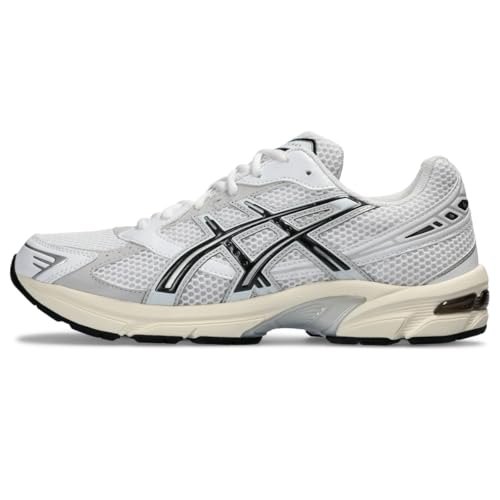
ASICS GEL-1130 Sportstyle Shoes

Brooks Adrenaline GTS 22

Brooks Ghost 14 Neutral
ASICS Gel-Excite 11


Saucony Cohesion 18
Taking A Closer Look At The Options
The GEL-1130 sits in that sweet lane between lifestyle sneaker and training shoe. Where the Brooks and Saucony picks ahead lean full-on performance, this one borrows cushioning tech from the GEL-1000 series (a stability platform ASICS released back in 2008) and dresses it in suede and mesh. The visible GEL unit in the heel absorbs landing impact, and the layered upper borrows construction cues from the brand’s classic GEL-KAYANO 14.
For most guys who split miles between a treadmill, errands, and a Saturday coffee run, this silhouette covers all three. The retro vibe reads as casual, but the underlying midsole geometry still helps on longer walks. Compared to the dedicated performance picks ahead, you’ll trade some energy return, and it functions more as a cushioned everyday shoe than a structured training tool.
A Strong Showing
- Heritage GEL cushioning in the rearfoot absorbs impact during longer walks
- Suede-paneled upper gives the shoe a stylish finish that works off the run
- Available in multiple color options so it pairs with casual wardrobes
- Layered construction borrows stability tech from ASICS performance heritage
- Comfortable step-in feel right out of the box
Trade Offs
- Not engineered as a dedicated high-mileage trainer, so heavy tempo work may feel soft
- Suede paneling requires more careful cleaning than plain mesh
- Lacks the structured stability post that overpronators may need
Who Should Grab It
The guy who logs short training runs, commutes in his shoes, and wants one pair that handles both well.
Skip It When
Runners needing real overpronation control are better served by the Brooks Adrenaline GTS 22, which adds a structured GuideRails system.
The Adrenaline GTS line has been Brooks’ go-to structured shoe for years, and version 22 carries forward that reputation. Where the ASICS GEL-1130 leans into retro looks, this shoe is a purpose-built daily trainer for runners whose feet roll inward (overpronation is when the ankle collapses inward during the stride). Brooks’ GuideRails system sits in the midsole, acting like bumpers that gently steer your leg into a more efficient motion path. The DNA LOFT cushioning stays plush without feeling mushy.
Long-run days, recovery jogs, and treadmill work all sit comfortably in this shoe’s wheelhouse. For heavier runners or anyone logging serious weekly mileage, the structured feel reduces fatigue in the ankles and shins. Note that Brooks positions this as their workhorse stability trainer, and the fit runs slightly narrower than the Ghost 14 covered next.
Notable Gains
- GuideRails technology guides knees and ankles into healthier alignment during gait
- DNA LOFT cushioning softens heel strikes without sacrificing road feel
- Engineered mesh upper breathes well during warm-weather runs
- Durable rubber outsole holds up over heavy weekly mileage
Points To Note
- Heavier than neutral trainers, so it isn’t the right tool for racing
- Narrower forefoot may feel tight on wider feet
- Structured ride can feel intrusive if your gait is already neutral
Best Suited To
Overpronators, heavier runners, and anyone recovering from knee or shin discomfort who wants daily protection.
Swap It Out When
Runners with a neutral stride who want more bounce should reach for the Saucony Triumph 22, which delivers a plusher, more energetic ride.
The Ghost 14 is what happens when Brooks strips away the stability hardware and focuses on smooth cushioning. The midsole combines soft and firm foam zones, giving the shoe a balanced feel that handles daily miles, easy runs, and long efforts without a specialized ride. For neutral runners, this is one of the most versatile trainers in the brand’s lineup.
Compared to the Adrenaline GTS 22 above, the Ghost skips the GuideRails in favor of a more flexible platform. That makes it lighter and quieter underfoot, with a smoother transition from heel to toe. The engineered air mesh upper adds breathability for warmer climates and has a roomier forefoot than the GTS sibling. For most recreational training, the Ghost is the right tool for the job.
Features That Help
- DNA LOFT midsole blends softness and responsiveness for versatile daily mileage
- Neutral platform suits runners without overpronation issues
- Breathable engineered mesh upper keeps feet cooler on warm runs
- Segmented crash pad smooths the heel-to-toe transition
Honest Caveats
- No stability hardware, so overpronators won’t get the correction they need
- Lacks the energy return of newer superfoam trainers
Made For
Neutral runners logging varied workouts who want one shoe to handle most weekly training.
Look Elsewhere When
Savers who want a similar neutral feel for less should consider the Saucony Cohesion 18, which delivers a soft ride at a noticeably lower entry tier.
The Gel-Excite 11 is ASICS’ soft entry point into running, and it shows up where it matters: underfoot. The midsole stacks plush cushioning in the rear and forefoot zones, while an engineered jacquard upper wraps the foot in lightweight breathability. Polyester lines the interior, which helps with moisture management on easier days. Compared to the Brooks Ghost 14 ahead, this shoe feels softer and more forgiving from the first step, though slightly less responsive when pushing the pace.
For newer runners easing into a routine or anyone returning from time off, the Gel-Excite 11 lowers the intimidation factor. The lace-up closure locks the midfoot securely, and the overall stack gives a protective feel without bulk. Assuming standard road use, owners commonly find this shoe reliable for short-to-mid distance efforts where comfort is the priority.
Noteworthy Benefits
- Engineered jacquard mesh upper balances breathability with secure midfoot lockdown
- Rearfoot GEL technology cushions landings on hard pavement
- Plush midsole stack softens impact for newer runners
- Lightweight construction prevents fatigue on shorter training runs
Factors To Consider
- Outsole durability is best suited to road and treadmill, not trail surfaces
- Plush midsole can feel less snappy at faster paces
Who Will Love This
Beginner runners, walkers, and anyone prioritizing pillowy comfort over race-ready response.
Consider Something Else When
Runners who want a snappier neutral ride for daily mileage should look at the Brooks Ghost 14, which delivers more versatility across workout types.
The Gel-Contend 9 sits in that underrated zone where price and performance actually overlap. ASICS loaded the midsole with AMPLIFOAM cushioning (a slightly firmer compound than standard EVA foam, which is the basic cushion material used in most running shoes) and stacked a rearfoot GEL unit for landing impact. Trusstic Technology adds a stability bridge between the heel and forefoot without a heavy post, giving the shoe a guided feel that helps moderate overpronators without feeling aggressive.
The polyester build keeps things light, and the OrthoLite sockliner (a premium foam insole that resists compression over time) handles step-in comfort. Owners commonly find this shoe handles road miles, gym sessions, and dog jogs with equal ease. It’s not the plushest pick on this list, and heavier runners may want something more protective like the Brooks Adrenaline GTS 22 ahead.
Positive Points
- Rearfoot GEL cushioning absorbs impact at a lower entry tier
- Trusstic Technology adds light stability without a heavy medial post
- OrthoLite sockliner provides durable step-in comfort
- AMPLIFOAM midsole balances cushion and response for daily mileage
- Lace-up closure creates a secure midfoot wrap
Some Limits To Know
- Lacks the structure of dedicated stability shoes like the Adrenaline GTS 22
- Outsole rubber is moderate, so heavy mileage may wear it faster
- Polyester upper runs slightly warm in hot climates
The Right Fit
Road runners who want durable construction and reliable cushioning without overspending.
Reach For A Different Pick When
Heavier runners who need more structure and impact protection will benefit more from the Brooks Adrenaline GTS 22.
The Triumph 22 is Saucony’s flagship neutral daily trainer, and it leans hard into plush cushioning. The midsole uses PWRRUN PB super foam, which is a PEBA-based compound (a lightweight, springy foam category used in premium running shoes) that’s noticeably lighter and more responsive than standard EVA. Compared to the Brooks Ghost 14 covered earlier, the Triumph delivers more energy return per stride, though it sits at a higher tier.
A broader platform and updated rocker geometry create a smooth, balanced ride that handles long runs especially well. The full-length XT-900 rubber outsole holds up against heavy mileage, and the upper breathes comfortably. For high-mileage runners who log 30-plus miles a week, this shoe earns its place. You may find the stack height feels tall for runners used to lower-profile shoes, though most adapt quickly.
Reasons It Performs
- PWRRUN PB super foam midsole delivers lightweight, responsive cushioning
- Broader platform and rocker geometry smooth transitions on long runs
- XT-900 rubber outsole provides durable traction over high mileage
- Breathable upper handles warmer weather comfortably
Trade-Offs To Consider
- Sits at a higher price tier than most picks on this list
- Stack height may feel tall for runners who prefer low-profile shoes
- Plush ride can feel less stable during sharp cornering
Who It Suits Best
High-mileage neutral runners who want a plush yet responsive shoe for daily training and long runs.
A Better Fit Elsewhere
Runners seeking stability and structure should consider the Brooks Adrenaline GTS 22, which provides more guidance for overpronators.
The Cohesion 18 is Saucony’s entry-level neutral trainer, and it carries the brand’s VersaRun cushioning system (a versatile foam setup designed for everyday mileage). The shoe focuses on the fundamentals: comfortable cushion, secure fit, and reliable road performance. Compared to the pricier Triumph 22 covered above, you sacrifice energy return and outsole durability, but the core ride stays genuinely usable.
For newer runners who want Saucony’s fit profile without the higher cost, the Cohesion 18 makes sense. It handles a mix of walking, jogging, and short runs comfortably, and the neutral platform works for most footstrikes. Assuming a standard neutral gait, owners commonly find this shoe handles daily errands and light training equally well. It may feel less exciting underfoot than superfoam trainers, but the honest read is that most casual runners won’t notice the difference.
Useful Strengths
- VersaRun cushioning delivers comfortable impact absorption for lighter mileage
- Secure, neutral fit works for most footstrikes
- Entry-tier pricing makes it approachable for newer runners
- Versatile enough for walking, jogging, and short training runs
Details To Watch
- Lacks the energy return of superfoam trainers like the Triumph 22
- Outsole durability is modest, so heavy weekly mileage may wear it faster
Whose Shelf It Belongs On
Newer runners and casual joggers who want a comfortable neutral shoe without overspending.
Consider Something Else When
Runners with heavier weekly mileage will get more long-term value from the ASICS Gel-Contend 9, which adds stronger midsole cushioning for a modest price increase.
What Matters Most Before Choosing Comfort Running Shoes For Men
Cushion stack and foam type set the tone for every run. Softer compounds like Saucony’s PWRRUN PB or ASICS GEL pillow landings reduce joint impact, while firmer foams give a more responsive push-off. For runners logging 20-plus miles weekly, plusher midsole foam tends to extend comfort across long efforts.
Stability features matter if your ankles roll inward during the gait cycle. Brooks’ GuideRails system, found in the Adrenaline GTS 22, uses medial posts or structured geometries that guide the foot rather than forcing correction. Neutral runners can skip these features entirely, which keeps the shoe lighter and more flexible.
Fit and upper material shape daily comfort more than any spec sheet. Engineered mesh breathes well for warm-weather running, while suede overlays add style for casual wear. Runners with wider feet should look for shoes known to run broad, since most performance trainers default to a standard D-width fit.
Key Considerations Across These Picks
Common Buying Slip Ups
Choosing based on looks alone is the most common trap in this category. A shoe that looks sharp, like the ASICS GEL-1130, may not deliver the structured support an overpronator needs. Matching the shoe to your gait and mileage matters more than colorway. Skipping in-store or in-box fit checks also leads to discomfort: many runners wear a half-size up in running shoes to allow for foot swelling on longer efforts.
Why Premium Models Cost More
Higher-tier models like the Saucony Triumph 22 use advanced midsole compounds such as PEBA-based foams, which are lighter, more responsive, and more durable than standard EVA. Premium construction also shows up in the upper materials, outsole rubber quality, and geometry refinements like rocker shaping. For runners logging high weekly mileage, these upgrades pay off in reduced fatigue and longer shoe life. For casual joggers, mid-tier or entry options typically deliver the experience without the added cost.
Frequently Asked Questions
How often should I replace comfort running shoes?
Most running shoes last between 300 and 500 miles before cushioning breaks down and the outsole wears through. Track mileage or watch for visible creasing in the midsole as a replacement signal.
Do I need stability shoes if I overpronate?
Stability shoes like the Brooks Adrenaline GTS 22 help guide the foot and reduce excess inward rolling. Mild overpronators often do fine in neutral trainers, but more pronounced pronation typically benefits from structured support.
What’s the difference between neutral and stability running shoes?
Neutral shoes lack structured correction and suit runners whose feet don’t roll excessively inward. Stability shoes add guides or posts that help control overpronation, providing a more supported ride for runners who need it.
Are more cushioned shoes always better?
Not necessarily. Maximum cushion reduces impact but can feel unstable for some runners. The right amount depends on your weight, gait, and how far you typically run, and individual preference plays a significant role.
Can I use running shoes for walking or gym work?
Most running shoes handle walking and general gym sessions comfortably, and lifestyle-leaning pairs like the ASICS GEL-1130 are designed for that crossover. Dedicated cross-training shoes may suit heavy lifting better.
The Takeaway
The best comfort running shoes for men come down to matching your gait, mileage, and daily habits. Overpronators get real value from the Brooks Adrenaline GTS 22, while neutral runners who want plush energy return will appreciate the Saucony Triumph 22. For tighter budgets, the ASICS Gel-Contend 9 and Saucony Cohesion 18 deliver solid comfort without stretching the wallet. Whichever pair fits your stride, the right shoe makes every mile feel easier.