A bad boot ends a long day before it really begins. Sore arches, pinched toes, and tired calves turn simple errands into something to dread. I put together this roundup for anyone who needs footwear that holds up through commutes, weekend hikes, and everything in between, without forcing a trade-off between comfort and durability.
Your Options, Compared


Twisted X Chukka Driving Moc Boot

Ariat Workhog Wide Square Toe

ARIAT Sport Rambler Western Boot
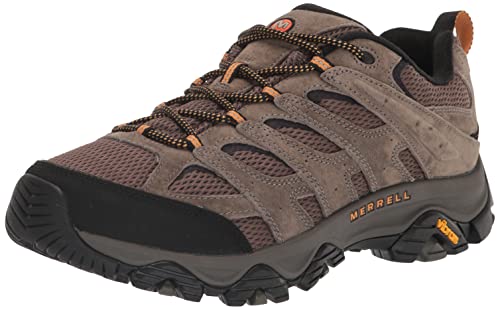
Merrell Moab 3 Hiking Shoe

Merrell Moab 3 Mid Hiking Boot

Merrell Moab 3 Mid Waterproof Hiking Boots
Taking A Closer Look At The Options
The UGG Neumel Chukka boots lean into plush, casual comfort over rugged terrain handling, and that tradeoff is worth knowing up front. Built around a soft suede upper with the brand’s signature cushioned footbed, they feel broken-in from the first wear rather than demanding a long adjustment period. For commuters, dog-walkers, and anyone logging hours on pavement, the roomy toe box and light padding make long days noticeably easier on the feet.
Compared to the Twisted X moc that follows, these run less structured, so they lack the firm arch support some prefer for heavier tasks. The chukka silhouette pairs well with jeans and casual office wear, which broadens their usefulness beyond weekend-only duty.
What Pays Off
- Cushioned footbed softens impact on hard surfaces during long days
- Soft suede upper breaks in quickly with no painful break-in window
- Versatile chukka silhouette works with jeans, chinos, and casual layers
- Roomy toe box accommodates wider feet without pressure points
Things To Consider
- Suede requires weather protection and tends to spot in wet conditions
- Light construction offers limited ankle support for uneven ground
Who Should Grab It
Casual wearers prioritizing soft comfort over rugged terrain support will find these a reliable everyday pick.
Reach For A Different Pick When
Day hikers tackling rocky or wet trails will get more value from the Merrell Moab 3 Mid Waterproof Hiking Boots.
The Twisted X Chukka Driving Moc swaps the UGG’s plush suede for full-grain leather, which brings a more polished, structured feel underfoot. The leather upper delivers lasting durability and natural breathability, and it breaks in to match the wearer’s foot shape over time. For those who split time between the steering wheel and walking around job sites or barns, the driving moc heel and flexible construction handle both well.
Unlike the UGG Neumel’s soft cushioning, this pick leans on leather molding for comfort, which takes longer to feel personalized. It is a quieter alternative to the louder western styling of the ARIAT Sport Rambler covered later.
The Good Stuff
- Full-grain leather upper resists wear and develops character with age
- Driving moc heel flexes naturally when pressing pedals
- Leather-lined interior allows feet to breathe through long shifts
- Versatile styling moves from casual workdays to weekend wear
Trade Offs
- Leather requires conditioning to maintain softness over years of use
- Less cushioning out of the box compared to suede-based casual boots
- Break-in period may feel stiff for the first several wears
Quick Facts
Made For
Drivers, light-duty workers, and anyone who values leather craftsmanship over cushioned softness will appreciate this boot’s blend of function and style.
A Better Fit Elsewhere
Shoppers wanting waterproof protection for wet trails will find the Merrell Moab 3 Mid Waterproof Hiking Boots a stronger match.
The Ariat Workhog Wide Square Toe brings work-boot construction into kid-sized proportions, which makes it a smart inclusion for parents shopping for active children. The wide square toe gives growing feet room to spread naturally, reducing the cramped feeling narrower boots create during long school days or farm chores. Built tough enough for daily use, it holds up to the kind of scuffing, mud, and hard play younger kids put footwear through.
Compared to the adult-focused Merrell Moab 3 picks later in this list, this boot prioritizes durability over lightweight trail performance. It is a sibling choice for grown-ups who already trust Ariat’s Workhog line and want something similar for their kids.
Everyday Wins
- Wide square toe accommodates growing feet without squeezing
- Sturdy construction handles playground wear, barn chores, and rough play
- Available across toddler, little kid, and big kid sizing for long-term use
- Stable sole provides traction on varied surfaces from grass to gravel
Points To Note
- Heavier than typical kids’ shoes, which may tire small feet on long walks
- Work-boot styling leans rugged rather than fashion-forward
Best Suited To
Active kids and young teens who need durable footwear for chores, outdoor play, and everyday wear.
Consider Something Else When
Parents wanting a lighter, low-cut trail shoe for casual hikes should look at the Merrell Moab 3 Hiking Shoe in adult sizes for older kids.
The ARIAT Sport Rambler Western Boot leans into classic western styling while keeping the footbed engineering that Ariat has built its reputation on. Compared to the Twisted X driving moc, this pick carries a taller shaft and a more pronounced heel, making it a natural match for jeans, cowboy-cut trousers, or anyone drawn to country-leaning wardrobes. The brand draws on biomechanical research to shape the support underfoot, which matters more than people expect when a stylish boot also needs to handle real hours on the feet.
It is not a trail boot, so anyone expecting the grip and protection of the Merrell Moab 3 Mid Hiking Boot covered below will want to look elsewhere. As a statement piece that still works for daily wear, the Sport Rambler fills a niche the other picks in this roundup don’t address.
Strengths Worth Knowing
- Distinctive western silhouette adds personality to everyday outfits
- Supportive footbed shaped through biomechanical research reduces fatigue
- Durable construction holds up to regular wear on varied surfaces
- Pull-on design makes them easy to step into without fussing with laces
Small Caveats
- Western heel height shifts walking mechanics compared to flat boots
- Limited weather protection for heavy rain or snow conditions
Feature Snapshot
Who Will Love This
Wearers drawn to western style who still want genuine foot support for all-day comfort will appreciate this balance of form and function.
Look Elsewhere When
Hikers needing trail-ready traction and ankle protection should pick the Merrell Moab 3 Mid Hiking Boot instead.
The Merrell Moab 3 Hiking Shoe shifts the conversation from casual boots and western styling to genuine trail performance. With a Vibram outsole (a high-traction rubber compound widely used in hiking footwear) for grip, a more supportive insole, and a softer, more cushioned midsole than previous versions, it carries forward the line’s reputation for comfort right out of the box. Day hikers and casual backpackers will find the low-cut design breathable enough for warm-weather use without feeling bulky on the trail.
Compared to the UGG Neumel at the top of this list, the Moab 3 is purpose-built for uneven ground rather than pavement. The mid-cut version below offers more ankle protection, but for fast-paced trails and lighter loads, this low-cut sibling shines.
A Few Strong Suits
- Vibram outsole grips loose dirt, rock, and wet roots with confidence
- Cushioned midsole softens impact over long miles
- Supportive insole reduces arch fatigue during extended wear
- Low-cut profile keeps feet cool on warm-weather hikes
Honest Caveats
- Low-cut design offers less ankle protection than mid or tall boots
- Mesh panels may let debris in on sandy or dusty trails
At A Glance
The Right Fit
Day hikers, trail walkers, and active travelers wanting trail capability without the bulk of a mid or tall boot will find this a strong match.
Swap It Out When
Hikers tackling rocky terrain or carrying heavy packs should consider the Merrell Moab 3 Mid Hiking Boot for added ankle support.
The Merrell Moab 3 Mid Hiking Boot builds on the low-cut version’s trail-ready platform by adding a mid-cut shaft that wraps the ankle for added stability. The upgraded insole provides better arch support, and the softer, more cushioned midsole helps reduce foot fatigue across long days on rocky, root-strewn trails. Hikers carrying moderate loads or navigating uneven terrain will appreciate the added confidence the higher collar provides.
Compared to the low-cut Moab 3 above, this pick trades a bit of breathability and agility for protection. For wet environments, the waterproof sibling covered next is the smarter buy, but for dry trails where ankle stability matters most, this version hits a sweet spot.
Points In Its Favor
- Mid-cut shaft stabilizes the ankle on uneven terrain
- Upgraded insole offers improved arch support over previous versions
- Vibram outsole grips confidently on loose rock and dirt
- Cushioned midsole softens impact through long hiking miles
Where It May Fall Short
- Reduced breathability compared to the low-cut Moab 3 hiking shoe
- Heavier build may feel bulky on fast-paced trail runs
Feature Rundown
Whose Shelf It Belongs On
Backpackers and trail hikers carrying moderate loads over rocky or uneven terrain will find this mid-cup profile a reliable go-to.
Skip It When
Hikers facing wet conditions or stream crossings should pick the Merrell Moab 3 Mid Waterproof Hiking Boots for added protection.
The Merrell Moab 3 Mid Waterproof Hiking Boots close out this roundup by adding a waterproof membrane to the mid-cut silhouette, making them the most weather-ready pick in the Moab 3 lineup. The waterproof layer (a thin internal barrier that blocks water while allowing vapor to escape) keeps feet dry through puddles, snow, and wet brush, while the supportive insole and cushioned midsole carry forward the comfort updates from the rest of the line. Hikers, hunters, and anyone working outdoors in unpredictable weather will value the dry-foot confidence.
Compared to the non-waterproof mid-cut version, these run slightly warmer, which can feel noticeable on hot summer days. For most people, though, the trade-off is worth it the first time they cross a wet trail without soaked feet.
Notable Upsides
- Waterproof membrane keeps feet dry through puddles, snow, and wet brush
- Mid-cut shaft stabilizes the ankle on uneven, wet terrain
- Vibram outsole maintains traction on slick surfaces
- Upgraded insole supports arches through long, demanding days
Potential Drawbacks
- Waterproof membrane traps heat, making them warmer in summer conditions
- Heavier than the low-cut Moab 3 hiking shoe
Key Attributes
Perfect Match For
Hikers and outdoor workers facing wet weather, muddy trails, or stream crossings will get the most from this waterproof build.
Not Your Match When
Shoppers wanting lighter, more breathable footwear for warm-weather hikes should pick the Merrell Moab 3 Hiking Shoe instead.
What Matters Most Before Choosing Comfortable Boots For Men
Match The Boot To The Ground You’ll Cover
Start by being honest about where the boots will actually live. Pavement, office floors, and casual errands favor cushioned casual styles, and the UGG Neumel or Twisted X Chukka fit that bill. Trails, rocky paths, and wet conditions call for hiking-specific construction, which is where the Merrell Moab 3 lineup earns its place. Buying a work boot for a hiking trip leaves feet unsupported, and buying a hiking shoe for a casual office creates unnecessary bulk.
Pay Attention To Fit And Break-In
Fit matters more than almost any spec sheet. A boot that feels right in the store often tells the truth within the first hour of real wear, so trying on with the socks you’ll actually use is a smart move. Leather boots like the Twisted X Chukka need a break-in window, while trail shoes and cushioned casuals often feel comfortable from day one. The honest read is that no spec replaces a real fitting, and most returns happen for fit reasons, not quality reasons.
Materials And Construction Tell The Long-Term Story
Full-grain leather offers years of service when cared for, while suede and mesh need more weather protection and gentler treatment. For trail use, look for Vibram outsoles (high-traction rubber) and supportive midsoles (the cushioned layer between the outsole and foot). For casual wear, a cushioned footbed and flexible construction go further than aggressive tread. Match the material to the environment rather than chasing features you won’t use.
What The Reviews Don’t Always Make Obvious
Common Shopping Slip Ups
One of the easiest mistakes is buying a boot for imagined use rather than real use. Choosing a rugged work boot for office days creates stiff, tired feet, while choosing a soft casual chukka for a hiking trip leaves ankles unprotected. Sizing is the other silent trap. Many boots run slightly large or small, and ordering based on assumptions rather than trying on or measuring leads to avoidable returns.
When Paying More Pays Off
Higher-tier boots tend to invest in better leather, stronger stitching, and more thoughtful footbed engineering rather than flashy branding. For boots worn daily or for long hours, those upgrades show up as fewer hot spots, longer service life, and drier feet in wet conditions. The honest call is that occasional wearers can stick with entry-level options, while daily wearers usually feel the difference a premium build makes within the first season.
Frequently Asked Questions
How do I know if a boot will be comfortable before wearing it?
Look at the footbed construction, toe box shape, and break-in expectations. Cushioned footbeds and roomy toe boxes tend to feel comfortable right away, while structured leather boots may need a break-in period.
Are hiking shoes comfortable enough for everyday wear?
For many people, yes. Trail-focused shoes like the Merrell Moab 3 prioritize cushioned midsoles and supportive insoles, which translates well to long days on hard surfaces, though the tread can feel aggressive on smooth indoor floors.
How long do comfortable boots typically last?
Casual boots worn a few times a week often last several years, while daily-wear work and hiking boots usually need replacement sooner depending on terrain and care.
Is waterproofing worth it for non-hiking boots?
Waterproof membranes add warmth and a bit of weight, so they make the most sense in wet or cold climates. For dry regions, breathable non-waterproof options tend to feel more comfortable year-round.
Can a single pair of boots handle both work and weekends?
It depends on the style. Versatile picks like the Twisted X Chukka span both, while specialized trail or western boots suit their own settings better and may feel out of place elsewhere.
The Takeaway
Comfortable boots come in many shapes, and the right pair depends entirely on where they’ll spend most of their time. Casual commuters get the most from cushioned chukkas, while trail enthusiasts benefit most from hiking-specific builds. Choosing with intention, rather than chasing a single “best” option, is what turns footwear into something you barely think about on a long day.