The right pair of hiking shoes can turn a punishing mile into a forgettable one. I’ve spent years choosing footwear for long trail days, weekend loops, and wet scrambles, and I’ve learned that comfort comes from specific design choices, not wishful thinking. This list breaks down six pairs that handle varied terrain without turning your feet into a blister report. Use it to match a shoe to the way you actually hike.
The Choices Worth Comparing

SCARPA Men’s Mojito Wrap Walking Shoes

adidas Women’s Terrex Trailmaker 2.0 Gore-tex Hiking Shoes
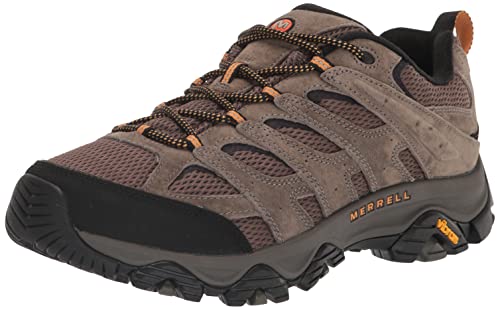
Merrell Men’s Moab 3 Hiking Shoe

Merrell Men’s Moab 3 Mid Hiking Boot

Merrell Men’s Moab 3 Mid Waterproof Hiking Boots

Terrex Free Hiker Gore-TEX 2.0 Hiking Shoes
A Closer Look At Each Pick
The SCARPA Mojito Wrap borrows more from a climbing shoe than a traditional hiker, and that heritage shows in how it grips uneven ground. The laces reach close to the front of the toe box, which lets you dial in volume for narrow feet or loosen up across the forefoot after a long descent. I think of it as a hybrid that flatters rocky trails and travel days where you want one shoe that handles cobblestones, scree, and a café stop without skipping a beat.
It sits lower to the ground than a typical hiking shoe, so ankle protection is modest on uneven ground, and the look leans casual enough to wear off-trail. The lower profile means less material between you and sharp rocks underfoot, a fair trade if you prioritize ground feel.
Where It Helps
- Laces that extend toward the toe help customize volume for tricky foot shapes.
- Sticky rubber outsole handles rock slabs and scrambling sections with confidence.
- Low-to-the-ground feel suits fast travel days and light backpack loads.
- Suede-style upper looks casual enough for dinners after a long hike.
Trade Offs
- Minimal ankle coverage can feel thin on rough, off-camber ground.
- Limited cushioning compared to the Moab and Terrex picks on this list.
- Suede-like upper requires occasional cleaning to keep trail grit from settling in.
Whose Trail It Suits
Travelers and day hikers who move between city walks and rocky terrain appreciate the hybrid design.
Swap It Out When
The Merrell Men’s Moab 3 Hiking Shoe is a better fit for hikers who want plush cushioning and a forgiving break-in.
The adidas Terrex Trailmaker 2.0 Gore-tex steps up with a mid-top cuff that wraps the ankle without feeling stiff, which helps when you’re carrying weight on rolling terrain. The BOOST midsole is an energy-return foam designed to add bounce, and it softens the impact of heel strikes on long downhills. A GORE-TEX membrane lines the inside, sealing out rain and shallow stream crossings while letting heat escape.
Compare that to the SCARPA Mojito Wrap from earlier in this list: that shoe is low-cut and minimalist, while this one is built for wet weather and bigger days. The mid-cut design adds weight but adds stability, and the waterproof shell can run warm in dry summer conditions.
Notable Gains
- GORE-TEX lining keeps socks dry through shallow puddles and morning dew.
- BOOST foam softens repeated impact on long downhill stretches.
- Mid-top cuff adds lateral stability for side-stepping on uneven ground.
- Soft upper materials wrap the foot without a long, painful break-in.
Honest Caveats
- Waterproof membranes can feel warm on hot, dry summer hikes.
- Heavier than a low-cut shoe, which adds fatigue on long mileage days.
Feature Snapshot
Made For
Hikers tackling damp climates and variable terrain who want a waterproof mid cut without the bulk of a traditional boot.
A Better Fit Elsewhere
Pick the Merrell Men’s Moab 3 Hiking Shoe for dry-weather day hikes where breathability matters more than waterproofing.
The Merrell Moab 3 is the shoe most people picture when they hear “hiking shoe”: a low-cut, trail-ready silhouette built for comfort straight out of the box. The updated version adds a more supportive insole and a softer midsole cushion than its predecessor, both aimed at reducing foot fatigue on long trail days. A Vibram outsole handles mixed surfaces from dirt to loose rock, and the Moab line has been refined across multiple iterations.
Compared to the Terrex Trailmaker above, the Moab 3 skips the waterproof membrane in favor of better breathability, which makes it a friendlier pick for warm-weather hiking. The trade-off shows up when the trail turns wet: water rolls in through the mesh and takes a while to dry. For most day hikes, that trade feels fair.
Practical Advantages
- Forgiving break-in period means no blisters on the first outing.
- Vibram outsole grips loose dirt, gravel, and wet roots reliably.
- Breathable construction keeps feet cooler in warm weather.
- Updated insole provides more arch support than earlier Moab versions.
Things To Consider
- Non-waterproof mesh lets water in during stream crossings.
- Low-cut cuff offers little ankle protection on rocky, uneven ground.
- Mesh panels collect trail grit and need occasional cleaning to stay fresh.
Right Fit For
Day hikers, weekend adventurers, and beginners who want a forgiving shoe that works straight out of the box on dry trails.
Where Another Pick Suits Better
Reach for the Merrell Men’s Moab 3 Mid Waterproof Hiking Boots when rain, mud, or ankle support become priorities.
The Moab 3 Mid takes the same trail-ready platform as the low-cut Moab 3 and adds a higher cuff for ankle support. The mid-top design wraps the ankle without a heavy, rigid boot feel, which is helpful when you’re stepping off rocks or carrying a heavier pack. The same supportive insole and grippy Vibram outsole carry over from the shoe version.
The honest read is that this is the Moab 3 with training wheels: more coverage, more confidence on rough ground, slightly more weight. In dry conditions, the lack of a waterproof membrane lets the foot breathe, but the taller cuff can feel warm in summer heat.
Real Benefits
- Mid-cut cuff reduces ankle roll on rocky, off-camber trails.
- Comfortable right out of the box thanks to the proven Moab last.
- Vibram outsole handles loose rock and trail debris with confidence.
- Compatible with heavier pack loads than the low-cut version.
Worth Noting
- Heavier than a low-cut hiking shoe, which can fatigue some hikers on long mileage.
- Non-waterproof construction soaks through in wet conditions.
Quick Facts
Best Suited To
Hikers carrying moderate loads across rocky terrain who want ankle confidence without committing to a full boot.
Look Elsewhere When
The Terrex Free Hiker Gore-TEX 2.0 Hiking Shoes suit multi-day hikers who prefer a lower-cut, more cushioned ride.
The waterproof Moab 3 Mid combines the supportive mid-cut cuff of the regular Moab 3 Mid with a sealed waterproof membrane, which keeps feet dry through morning dew, rain, and shallow stream crossings. The midsole cushioning softens long descents, and the Vibram outsole grips confidently on wet rock and slick roots. It’s the choice I think about when conditions turn unpredictable.
Same story with breathability: waterproof membranes trade airflow for dryness, and these can feel warm during summer hikes in dry climates. For shoulder-season and wet-climate hiking, that trade is the whole point.
The Helpful Details
- Waterproof membrane keeps feet dry through puddles and light rain.
- Mid-cut cuff provides ankle support on rough terrain.
- Vibram outsole grips wet rock and muddy trail sections.
- Proven Moab last breaks in comfortably without a long adjustment period.
- Updated insole adds arch support for long days on the trail.
Softer Spots
- Waterproofing reduces breathability, which can feel warm in hot weather.
- Heavier than the non-waterproof Moab 3 Mid, adding fatigue on long mileage.
Who Should Grab It
Hikers in wet climates, shoulder seasons, and unpredictable weather who want ankle support and dry feet in a single package.
Another Choice May Suit
The adidas Women’s Terrex Trailmaker 2.0 Gore-tex Hiking Shoes offer a lighter waterproof option for hikers who prefer a mid-cut but lighter feel.
The Terrex Free Hiker Gore-TEX 2.0 is built for the long haul, blending BOOST-style energy-return foam with a GORE-TEX waterproof membrane to handle multi-day trips. The mid-cut cuff wraps the ankle without the rigid boot structure, and the soft upper materials adapt to foot swell during long days of hiking. I think of this one as the thru-hiker’s friend in the lineup.
Compare that to the SCARPA Mojito Wrap that opened this list: the SCARPA is minimalist and ground-hugging, while the Terrex Free Hiker is plush and protective. The catch is weight and warmth, both higher in this design, which is a fair trade for the comfort on long miles.
Useful Touches
- Energy-return midsole cushions long-distance days without feeling mushy.
- GORE-TEX membrane seals out rain and stream splash.
- Mid-cut cuff provides ankle support without the bulk of a traditional hiking boot.
- Soft upper accommodates foot swell during multi-day efforts.
- Lightweight construction for a waterproof mid-cut, easing fatigue on long trails.
Room For Improvement
- Premium components often carry a higher price tag than entry-level hiking shoes.
- Waterproof membrane can run warm during summer hikes in dry climates.
- Less ground feel than a minimalist approach shoe on technical scrambles.
Built With In Mind
Thru-hikers and multi-day backpackers who log high mileage and need cushioning, waterproofing, and ankle support in one package.
Reach For A Different Pick When
Short day hikes on dry trails call for the Merrell Men’s Moab 3 Hiking Shoe, which breathes better and weighs less.
How To Choose The Right Hiking Shoes For Your Style Of Trail
Picking a comfortable hiking shoe comes down to matching the shoe’s design to the terrain you walk on. Below are the factors that matter most when comparing options.
Cuff Height And Terrain
Low-cut shoes like the SCARPA Mojito Wrap and Merrell Moab 3 breathe well and feel light, which suits groomed trails and travel days. Mid-cut designs like the adidas Terrex Trailmaker 2.0 and the Merrell Moab 3 Mid add ankle support for rocky, off-camber ground. The taller cuff reduces ankle roll but adds weight and warmth, so it matters most when trails get technical.
Waterproofing Versus Breathability
GORE-TEX-lined shoes like the adidas Terrex Trailmaker 2.0, Moab 3 Mid Waterproof, and Terrex Free Hiker Gore-TEX 2.0 keep water out, a real advantage in wet climates and shoulder seasons. Non-waterproof shoes like the Moab 3 and Moab 3 Mid breathe better in dry, warm weather but soak through at stream crossings. Match the membrane to the climate you hike in most.
Cushioning And Midsole Feel
Energy-return foams like BOOST add bounce and reduce fatigue on long miles, while traditional EVA midsoles like those in the Moab line offer a softer, more cushioned ride. Minimalist shoes have thinner soles that emphasize ground feel over cushioning. Heavier hikers and longer routes generally benefit from more midsole material under the heel.
Outsole Grip And Surface Type
Vibram rubber outsoles, found on all three Merrell Moab picks, grip loose dirt, wet rock, and trail debris reliably. Approach-style outsoles like the SCARPA Mojito Wrap stick to slabs and scrambling sections. Match the lug depth and rubber compound to the surfaces you walk on most often.
Key Considerations Across These Picks
Where Shoppers Go Wrong
A common mistake is choosing a waterproof shoe for warm, dry climates, where the trapped heat and reduced breathability cause more discomfort than the waterproofing solves. Another is buying a low-cut hiking shoe for a rocky, off-camber trail that calls for ankle support. Match the shoe’s design to the trail, not to a wishlist.
When Paying More Pays Off
Higher-tier hiking shoes like the Terrex Free Hiker Gore-TEX 2.0 add energy-return foam, lighter waterproof membranes, and refined lasts that reduce fatigue on long mileage. For short day hikes, the extra cost rarely justifies itself. For multi-day trips and high-mileage weeks, the upgrade shows up in how your feet feel on day three.
Frequently Asked Questions
What makes a hiking shoe comfortable for extended wear?
A comfortable hiking shoe combines a supportive insole, a cushioned midsole, and a roomy toe box that lets your foot swell on long descents. Break-in time varies, but shoes like the Merrell Moab 3 are designed to feel good out of the box.
Should I pick waterproof or non-waterproof hiking shoes?
Waterproof shoes make sense in wet climates, shoulder seasons, and on trails with frequent stream crossings. Non-waterproof shoes breathe better and feel cooler in dry, warm conditions, and they dry faster when they do get wet.
How does a mid-cut hiking shoe differ from a low-cut hiking shoe?
A mid-cut hiking shoe adds a higher cuff that wraps the ankle for added stability on rocky, uneven ground. Low-cut hiking shoes are lighter and more breathable, which suits groomed trails and travel days where ankle coverage matters less.
Do I need a Vibram outsole for hiking?
A Vibram outsole grips loose dirt, wet rock, and trail debris reliably, which is helpful across varied terrain. The Merrell Moab line uses Vibram outsoles, while other designs use proprietary rubber compounds that perform well on specific surfaces.
How often should hiking shoes be replaced?
Hiking shoes generally last several hundred trail miles before midsole cushioning breaks down and outsoles wear smooth. Heavier hikers, rougher terrain, and longer trips shorten that lifespan, while lighter use on groomed trails extends it.
Wrap Up
The best hiking shoe is the one that matches your feet and your favorite trails. Day hikers who stick to dry, well-groomed paths will appreciate the Merrell Moab 3 for its comfort and easy break-in, while wet-weather hikers gain confidence from the Moab 3 Mid Waterproof or the adidas Terrex Trailmaker 2.0 Gore-tex. Multi-day trekkers get the most from the cushioned, waterproof Terrex Free Hiker Gore-TEX 2.0, and travelers who want one shoe for everything will find a friend in the SCARPA Mojito Wrap. Pick the pair that fits the way you actually hike, and your feet will thank you by mile 10.