Long shifts on hard floors can wreck a back, a pair of knees, or a whole week of energy. The right pair takes some of that sting out of the day, and the wrong pair compounds the fatigue tenfold. I’ve focused this shortlist on shoes that real working nurses tend to reach for: easy to clean, supportive through hour ten, and forgiving on the toes after hours of standing.
A Fast Comparison Of The Options

Crocs Star Wars R2D2 Classic Clogs

Crocs Classic Clog (Ballerina Pink)

konhill Slip On Knit Walking Shoes
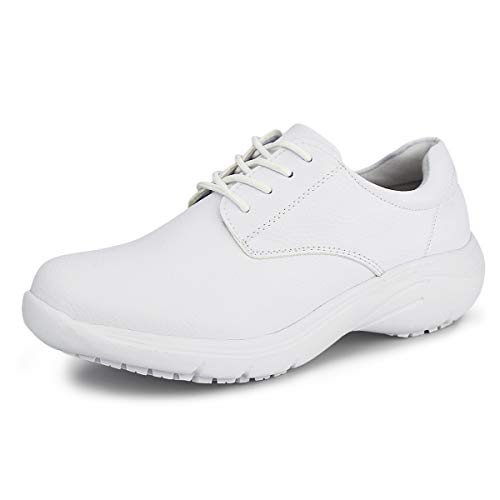
Hawkwell Slip Resistant Nursing Lace Up

Hawkwell Cloud Zero Active Nursing Shoes
The Strengths Of Each Pick
The Crocs Star Wars R2D2 Classic Clogs lean into a playful, fandom-friendly aesthetic without abandoning the practical core that made the brand a staple of hospital locker rooms. Compared to the Hawkwell lace-up below, these slip on and off in seconds, which matters when you’re racing between rooms or trying to keep hand hygiene tight at the start of a shift.
For nurses who spend their days in hot, fast-paced environments, the molded upper and ventilated design help feet breathe rather than stew. The themed outsole gives the shoe a little personality without making it feel like a costume. You may find the sizing runs a touch roomy, so a snugger fit is possible by sizing down or adding a heel strap.
What It Does Well
- Lightweight molded construction reduces foot fatigue across long shifts
- Slip-on design speeds up entry, exit, and quick room changes
- Easy to rinse or wipe down after exposure to fluids, a real plus in clinical settings
- Roomy fit accommodates wider feet and orthotic inserts comfortably
Things To Consider
- Minimal arch support means some nurses add aftermarket insoles for long shifts
- Heel can slip on narrow feet without a heel strap or snugger size
- Open ventilation lets in small spills, so closed-toe policy wards may need a different pick
Who It Suits Best
Nurses in pediatrics, outpatient clinics, or casual environments who want a slip-on shoe that cleans up in seconds and lets their feet breathe.
Look Elsewhere When
The Hawkwell Slip Resistant Nursing Lace Up is a smarter match for nurses working on consistently wet floors who need the security of a closed, lace-up build.
The Crocs Classic Clog in Ballerina Pink is the same roomy, molded silhouette nurses have leaned on for years, just in a softer colorway that pairs with scrubs nicely. Where the R2D2 above leans playful, this version plays it neutral and understated, which makes it a sensible pick for facilities with stricter dress codes.
The trade-off shows up in the fit: the generous toe box that makes long shifts tolerable can feel loose on narrower feet, and the heel sits loosely without a strap. For most ward environments, that’s a small inconvenience, not a dealbreaker. Owners commonly rotate these with a backup pair so the foam can rebound between shifts.
The Case For It
- Cushioned footbed softens the impact of standing on tile or concrete all day
- Slip-on construction makes glove changes and hand hygiene easier at the door
- Color variety helps nurses match scrubs without breaking a uniform policy
- Wipe-clean surface handles the inevitable splatter of a busy shift
Worth Noting
- Open heel can catch on bed frames and stools without a strap
- Limited arch support, common with this style, often prompts an insole upgrade
- Ventilation holes are useful in warm wards but let fluids seep in during spills
Key Product Details
Right Fit For
Nurses who want a soft-color, easy-clean clog for general ward duty and don’t need a fully closed or laced shoe.
Swap It Out When
The konhill Slip On Knit Walking Shoes are a better fit for nurses who want a fully enclosed, breathable shoe that still slips on quickly.
The konhill Slip On Knit Walking Shoes step away from the clog format entirely and lean into a sneaker-style knit upper. For nurses who want a more athletic look or work in environments where a closed shoe is required, that shift matters. The knit breathes well, which helps during back-to-back shifts in warm buildings.
The catch is in the support: the soft, flexible upper that feels great on the first wear may not hold up the arch over a twelve-hour day. Nurses with high arches or plantar issues often pair these with orthotic inserts, which slightly raises the cost of ownership. Still, the slip-on design keeps them practical at the start of a shift.
What Works In Its Favor
- Knit upper promotes airflow, useful during long hours in warm wards
- Slip-on silhouette is faster than laces during rushed glove changes
- Lightweight build reduces the drag of constant walking and pivoting
- Neutral sneaker look pairs well with casual scrub styles
Room For Improvement
- Knit fabric can absorb fluids, so wipe-clean moments take longer than with a Crocs shell
- Limited structural support means aftermarket insoles are common additions
Best Suited To
Nurses who prefer an athletic, fully enclosed shoe for warm environments and don’t mind adding their own insoles for arch support.
Reach For A Different Pick When
The Hawkwell Cloud Zero Active Nursing Shoes are a smarter match for nurses who want a more structured, cushioned build out of the box.
The Hawkwell Slip Resistant Nursing Lace Up earns its spot here because it tackles the two things nurses worry about most: traction and foot containment. Slip resistance, in practical terms, means an outsole designed to grip wet tile, which is the kind of feature that pays for itself the first time someone avoids a fall. The lace-up design locks the heel in place, which is a real shift from the slip-on clogs earlier in the list.
Where the Crocs above trade structure for convenience, this Hawkwell leans the other way: more secure, more enclosed, slightly less forgiving to put on and take off. For most clinical settings where floors stay wet and the pace stays high, that trade is worth making. The shoe runs in the Uniforms, Work & Safety category, which is a strong signal about its intended use environment.
Standout Benefits
- Slip-resistant outsole grips wet tile and polished floors with confidence
- Lace-up closure locks the heel, reducing slippage during long shifts
- Closed silhouette offers better spill protection than ventilated clogs
- Lightweight construction keeps the shoe from feeling heavy through hour ten
Honest Caveats
- Laces take longer to tie and untie than slip-on alternatives, a real cost during quick room changes
- Less breathable than knit or vented options, depending on the upper material
Quick Facts
Who Should Grab It
Nurses working in acute care, OR, ER, or anywhere floors stay slick and a closed, secured shoe is the safer choice.
Where A Sibling Pick Shines
The Hawkwell Cloud Zero Active Nursing Shoes are a better fit for nurses who want a similar slip-resistant build but prefer an athletic, cushion-forward feel.
The Hawkwell Cloud Zero Active Nursing Shoes take everything the lace-up Hawkwell offers and add a cushion-forward, breathable build aimed at nurses who rack up real mileage on their feet. The active-shoe silhouette borrows from running and tennis, which means the shoe is engineered for repeated heel strikes and lateral movement, both of which happen constantly during a hospital shift.
Where the konhill above leans soft and flexible, this Hawkwell aims for a more structured ride with breathable uppers and a thick midsole. Depending on your foot type, the cushion may feel pillowy at first and firm up after a break-in period. It’s a noticeable step up in build for nurses logging serious hours.
Good Reasons To Consider
- Cushioned midsole absorbs impact during long shifts on hard surfaces
- Breathable upper keeps feet cooler than fully synthetic alternatives
- Tennis and walking-inspired silhouette supports active, multi-directional movement
- Slip-resistant outsole matches the demands of clinical flooring
Points To Keep In Mind
- Higher-tier build typically costs more than basic clogs, depending on configuration
- Cushioned stack may feel bulky to nurses who prefer a closer-to-ground feel
Perfect Match For
Nurses covering high-mileage shifts who want athletic support and are willing to invest in a more structured, cushioned build.
Not Your Match When
The Crocs Classic Clog is a better fit for nurses who prioritize quick slip-on convenience over athletic cushioning and structured support.
What To Weigh Before Picking Comfortable Nursing Shoes
Match The Shoe To Your Floor
Wards with polished tile, cafeteria-style kitchens, and emergency departments all punish shoes differently. Slip-resistant outsoles, outsoles designed with textured rubber to grip slick surfaces, earn their keep on wet floors, while lighter clogs can be enough on dry carpeted units. Think about your typical floor before anything else.
Prioritize Real Arch Support
Cushioning gets the headlines, but arch support is what stops a twelve-hour shift from turning into a plantar fasciitis flare-up. Nurses with high arches often need structured insoles, while nurses with flatter feet benefit from motion-control features. If a shoe’s footbed feels flat under your arch in the first five minutes, it will feel worse by hour ten.
Decide Between Slip-On And Lace-Up
Slip-on clogs save precious seconds at the start of a shift and during glove changes, but lace-ups lock the heel and reduce in-shoe slippage. For most nurses, the decision comes down to whether speed or security matters more in their specific unit. There’s no universally right answer, only what’s right for your workflow.
Plan For Cleaning And Rotation
Nursing shoes take a beating from fluids, sweat, and constant wear. Closed-cell materials like Croslite wipe clean in seconds, while knit uppers absorb spills and need more attention. Rotating two pairs lets each shoe dry and rebound between shifts, which extends the life of both.
Key Considerations Across These Picks
Pitfalls Shoppers Hit
A common slip-up is treating “comfortable” and “supportive” as the same thing, when they’re really different features. A soft, cushioned shoe can still leave your arches aching by the end of a long week, while a firm, supportive shoe can feel uncomfortable for the first hour or two. Another mistake is sizing based on street-shoe habits; nursing shoes often fit differently, especially clogs with roomy toe boxes.
Where The Extra Money Goes
Higher-tier nursing shoes usually spend the added cost on three things: better outsole rubber for grip, more structured midsoles for support, and more durable uppers that hold shape after months of wear. For nurses covering five shifts a week, those upgrades tend to pay back in fewer replacement cycles and less foot pain. For part-time or casual wearers, the basics on this list may already be enough.
Frequently Asked Questions
How Often Should Nursing Shoes Be Replaced?
Most nurses replace their shoes every six to twelve months, depending on how many hours they log weekly. Once the midsole stops bouncing back or the tread wears smooth, it’s time.
Are Clogs Or Sneakers Better For Nursing?
Both can work; clogs win on slip-on speed and cleanability, while sneakers usually win on arch support and structure. Pick based on your unit’s floor and your foot’s needs.
Do Nursing Shoes Need To Be Slip Resistant?
Slip resistance is strongly recommended in any setting where floors get wet, including patient rooms, kitchens, and bathrooms. Dry, carpeted units can get by with less aggressive outsoles.
Can I Wear My Own Insoles In These Shoes?
Yes, most nursing shoes on this list have removable footbeds that accept aftermarket orthotics. Just check that the toe box still has room after inserting the new insole.
How Do I Break In New Nursing Shoes?
Wear them for short stints around the house before committing them to a full shift. This softens the upper and lets you spot pressure points before they turn into blisters.
Wrap Up
The honest read is that the best nursing shoe is the one that matches your unit, your foot, and your tolerance for lace-ups. Clogs win on convenience, sneakers win on support, and slip-resistant builds win on safety. Trust your feet here; they’ll tell you within a week whether you made the right call.