Nurses spend 10 to 12 hours on their feet, navigating hard linoleum, sprinting between call lights, and pivoting in cramped patient rooms. The wrong pair of shoes turns a long shift into a slow ache by lunch. I pulled together six options that handle real ward life, from slip-on clogs to work-specific sneakers with slip-resistant soles.
A Quick View Of The Lineup

HEYDUDE Wendy Stretch Jersey Leopard Slip-On

Crocs Unisex-Adult Classic Clog

HEYDUDE Women’s Ellie Festival Boulder

konhill Women’s Slip-On Knit Walking Shoes
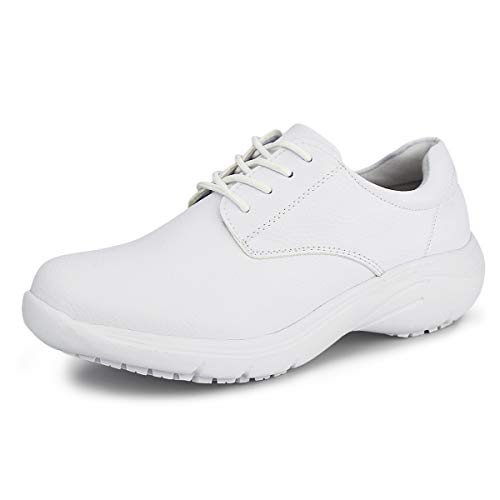
Hawkwell Slip Resistant Lace-Up Nursing Shoes

Hawkwell Cloud Zero Active Nursing Sneakers
What Each Pick Brings To The Table
The HEYDUDE Wendy Stretch Jersey Leopard Slip-On is built around a soft knit upper that hugs the foot without pinching. Pulling these on between shifts takes seconds, and the flexible construction moves with you rather than fighting every step.
Nurses working lighter shifts, clinic days, or roles with less sprinting will appreciate how airy these feel. The leopard print is a fun touch if your workplace allows expressive footwear. For most ward floors, this pair shines as a recovery-day shoe.
A Few Highlights
- Slip-on construction saves time during quick shift changes.
- Lightweight knit upper keeps feet cool through long days.
- Removable EVA insole (a foam-cushioned insert) lets you swap in custom orthotics.
- Flexible build reduces fatigue on lower-impact shifts.
Things To Consider
- Not marketed as slip-resistant, so caution on wet floors.
- Stretch fabric can show wear faster than leather or coated materials.
Who It Suits Best
Clinic nurses, outpatient staff, and anyone on lighter-duty shifts who wants featherweight comfort.
Consider Something Else When
The Hawkwell Slip Resistant Lace-Up Nursing Shoes are a stronger match for ICU and ER staff who need traction on slick hospital floors.
The Crocs Unisex-Adult Classic Clog has earned its place in healthcare for one simple reason: it works. Made from Croslite, a closed-cell resin that feels soft and cushiony underfoot, the clog molds to the foot over time and wipes clean in seconds after a fluid splash.
For nurses hopping between patient rooms, kitchens, and supply closets, the roomy toe box accommodates swelling during marathon shifts. The heel strap lets you lock the back in for stair work or flip it forward for quick slip-on comfort.
Good Reasons To Consider
- One-step cleaning with soap and water after messy shifts.
- Croslite cushioning softens impact on hard hospital floors.
- Roomy fit handles foot swelling on back-to-back doubles.
- Heel strap converts between secured and slip-on modes.
Worth Noting
- Not specifically rated slip-resistant, so traction on wet floors can vary.
- Loose fit may catch on pedals or footrests in tight quarters.
- Ventilation ports let liquids seep in during spill incidents.
Right Fit For
Nurses in warmer units or those who prize low-maintenance cleaning and forgiving fit over a locked-down feel.
Look Elsewhere When
The Hawkwell Cloud Zero Active Nursing Sneakers fit better for runners who cover serious ground and want a closer, more athletic hold.
The HEYDUDE Women’s Ellie Festival Boulder leans into HEYDUDE’s laid-back identity. Its canvas-style upper and easy lacing make it a casual pick that travels well, perfect for nurses packing a single bag for a conference or a long weekend after a stretch of shifts.
Compared to the slip-on HEYDUDE Wendy at Pick 1, this one gives you adjustable lacing for a more dialed-in fit. That extra adjustability helps if your feet swell differently day to day, though it lacks the same elastic give of a true stretch-knit upper.
What Makes Sense
- Adjustable lacing adapts to daily foot-volume changes.
- Lightweight build slips easily into a carry-on or duffel.
- Casual styling transitions off-shift without a shoe change.
Trade Offs
- Lacks explicit slip-resistance rating for clinical floors.
- Canvas-style uppers need more upkeep in messy environments.
Feature Snapshot
Made For
Nurses planning post-shift travel or those who want one shoe that handles both commute and casual evenings.
Skip It When
The konhill Women’s Slip-On Knit Walking Shoes cover similar casual ground at a more accessible cost if budget matters more than brand familiarity.
The konhill Women’s Slip-On Knit Walking Shoes keep things uncomplicated. The breathable knit upper stretches over the foot, and the slip-on profile means no fumbling with laces when you’re racing the clock.
For nurses building a rotation on a tighter budget, this pair covers basic walking duty without much fanfare. It pairs nicely with the Crocs Classic Clog from Pick 2 as a secondary option for days when you want a more sock-like, snug feel around the foot.
Real Benefits
- Knit upper breathes well in warm units.
- Hands-free slip-on entry speeds up shift starts.
- Lightweight construction eases leg fatigue on moderate days.
Points To Note
- No advertised slip-resistance rating for hospital flooring.
- Knit material can stretch out with heavy daily use over months.
Best Suited To
New graduates, float nurses, and anyone rotating through shoes who needs an affordable third pair in the mix.
Reach For A Different Pick When
The Hawkwell Slip Resistant Lace-Up Nursing Shoes deliver more traction if your unit deals with frequent wet-cleaning cycles.
The Hawkwell Slip Resistant Lace-Up Nursing Shoes are built specifically for healthcare floors, which puts them in a different category from the casual picks above. The slip-resistant outsole grips freshly mopped tile, and the lace-up closure lets you fine-tune the fit across a 12-hour shift.
For nurses in acute care, emergency departments, or any unit where spills are routine, this is a work-focused option. Compared to the Crocs Classic Clog at Pick 2, it trades roomy casual comfort for a tighter, more secure feel around the midfoot.
Benefits That Matter
- Slip-resistant outsole handles wet hospital floors with more grip.
- Lace-up fit locks the foot in for fast pivots and stair runs.
- Work-shoe category aligns with clinical uniform codes.
Honest Caveats
- Less breathable than knit options during high-sweat shifts.
- Lace maintenance is an extra step on tired evenings.
Key Specs
Perfect Match For
ICU, ER, OR, and med-surg nurses who need traction and a locked-in fit for high-mobility shifts.
Another Choice May Suit
The HEYDUDE Wendy Stretch Jersey Leopard Slip-On suits nurses with lighter floor duties who want more airflow and faster entry.
The Hawkwell Cloud Zero Active Nursing Sneakers take the work-specific DNA of Pick 5 and lean harder into cushioning and breathability. The athletic-shoe silhouette gives nurses a closer, more dynamic hold through stair runs and rapid patient turns.
For nurses logging three or more shifts a week, this sneaker handles the kind of repetition that punishes heavier or stiffer shoes. It pairs well with the Crocs Classic Clog from Pick 2 as a rotation partner, since the Cloud Zero covers active days and the clog handles messy ones.
Positive Takeaways
- Cushioned active build softens high-mileage weeks.
- Breathable construction helps on long, sweaty shifts.
- Athletic silhouette offers more lateral stability than a clog.
- Designed specifically for medical and clinical settings.
Softer Spots
- Higher cushion stack may feel bulky under scrub pants for some wearers.
- Athletic fit is less forgiving than a clog for swollen feet late in a shift.
Who Should Grab It
Full-time nurses clocking heavy mileage who want a sneaker built for clinical floors rather than a running shoe adapted for work.
Where A Sibling Pick Shines
The Crocs Unisex-Adult Classic Clog handles end-of-shift swelling better, making it a stronger rotation partner on double-shift days.
What Matters Most Before Choosing Comfortable Shoes For Nurses
Slip Resistance Over Everything Else
Hospital floors get mopped constantly, and a slick surface turns a routine step into a fall risk. Prioritize shoes with an explicit slip-resistant outsole, especially for ER, ICU, and OR units. Knit and canvas casuals look inviting, but traction matters more than style when you’re pushing a gurney through a wet hallway.
Cushioning That Matches Your Mileage
The right amount of cushion is personal, but the foam should rebound rather than flatten after a few months. EVA foam, the kind found in many nurse-focused shoes, stays springy under repeated impact. Nurses on light days can manage with thinner cushioning, while three-shifts-a-week wearers benefit from thicker, layered midsoles.
Fit, Swelling, And Closure Style
Feet swell during 12-hour shifts, so a snug lace-up that feels fine at 7 a.m. may bite by 7 p.m. Clogs and stretch-knit slip-ons accommodate swelling without adjustment, while lace-ups let you retune the fit mid-shift. Choosing between them depends on how your feet behave under load.
Cleaning And Rotation Reality
Bodily fluids happen, and the faster you can wipe or rinse a shoe, the better. Closed-cell resins and coated uppers handle soap and water easily, while knits and untreated canvas absorb spills. Most nurses extend shoe life by rotating two pairs across the week, giving each pair time to dry and recover.
Key Considerations Across These Picks
Common Shopping Slip Ups
The biggest mistake is buying based on look or a familiar brand name rather than your unit’s specific hazards. Nurses on dry clinic floors can wear lightweight knits without worry, but ER and OR staff who skip slip-resistant outsoles set themselves up for trouble. Fit matters too, since ordering online without checking the brand’s width sizing leads to returns and wasted weeks.
Where The Extra Money Goes
Higher-priced nursing shoes tend to invest in better traction rubber, denser cushion foams that hold up longer, and reinforced toe boxes that resist scuffs. The upgrade pays off for full-time staff replacing cheaper pairs every few months, while part-time or casual-shift nurses can comfortably stay in lighter picks. Spending up makes sense when your schedule is heavy and your feet feel the cost of every shift.
Frequently Asked Questions
Are slip-resistant outsoles really necessary for hospital floors?
Wet linoleum and freshly mopped tile are genuinely slick, so a slip-resistant outsole reduces fall risk on every shift. For dry clinic or office settings, the priority drops, but most nurses prefer the added grip.
How long should a pair of nursing shoes typically last?
Lightweight casual pairs often show wear within six months of heavy use, while work-focused cushioned sneakers commonly hold up closer to a year. Rotating two pairs and air-drying them between shifts helps extend lifespan.
Do nurses need to size up for swelling during long shifts?
Swelling is common, especially on back-to-back shifts, and many nurses size up half a size or choose stretchy uppers. Clogs and knit slip-ons handle swelling without needing extra room, so the answer depends on closure style.
Can athletic sneakers work in place of dedicated nursing shoes?
A quality athletic sneaker handles many units well, but only if it has a slip-resistant outsole and a wipeable upper. Running shoes without work-rated traction can struggle on wet hospital floors.
Is it better to have one good pair or rotate two?
Rotating two pairs lets each shoe dry out fully between shifts, which extends cushion life and reduces odor. A single well-cared-for pair works too, but rotation is a small habit that pays off over a year of wear.
Wrap Up
The right pair of comfortable shoes for nurses depends on your unit, your shift length, and how your feet behave under load. Slip-resistant work sneakers handle the toughest floors, while lightweight clogs and knits keep lower-impact shifts easy on the legs. Trust the fit that feels right at hour ten, not hour one.